Choosing an Air Detection Drone is not simply a matter of comparing flight time and camera resolution. The right platform must match the air-quality problem, operating environment, and reporting needs. A drone used near a busy road faces different challenges from one used around farmland, factories, or construction sites. Sensor accuracy matters. So does calibration.
Field experience shows that small details often determine whether collected data is useful. Battery performance can drop in cold weather. Wind may distort readings near rooftops and exhaust vents. A bright display does not guarantee reliable measurements. Buyers should examine sensor specifications, sampling methods, data formats, maintenance requirements, and technical support before making a decision.
Do not trust impressive brochures alone. Ask how the system performs under real conditions. Request calibration records, test results, and clear information about detection limits. Operators should also confirm local aviation, privacy, workplace-safety, and environmental requirements before flying. Rules can differ between regions and may change over time. Professional training remains important, even when the drone appears easy to control.
This guide presents seven practical tips for evaluating an Air Detection Drone. It considers hardware, sensors, software, durability, safety, and long-term ownership costs. Some recommendations may seem obvious. They are still easy to overlook. A careful buyer should admit one uncomfortable truth: no drone measures everything perfectly. Better decisions come from understanding those limitations, checking evidence, and choosing a system that supports honest, repeatable results.
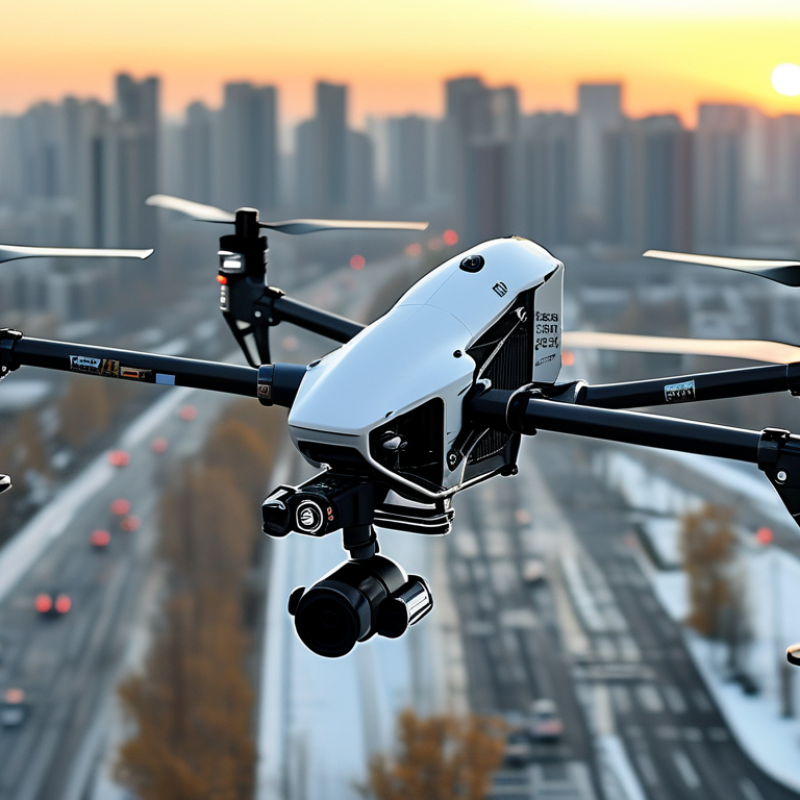
Before buying an air detection drone, define the exact mission. “Detection” can mean locating heat, mapping air quality, observing moisture, or inspecting a structure. Each task needs a different sensor and flight pattern. A thermal sensor may reveal a warm pipeline joint, but it cannot identify every gas. An air-quality mission may require calibrated sampling equipment, not only a camera. Write down the target, expected distance, operating altitude, and acceptable detection error. Be specific. Also record weather limits, lighting conditions, and terrain obstacles. A drone that performs well over open fields may struggle between buildings or under tree cover.
Ask how results will be checked. Reliable teams compare drone readings with ground instruments, inspection records, or known reference points. This reduces false alarms. Sensor calibration matters. So does data quality. Request test reports, operating ranges, battery performance, and maintenance procedures before purchase. Confirm that the system supports secure data storage and authorized flights. Experienced operators also plan for wind, rain, signal loss, and emergency landing areas. Small details matter. I would not trust a promising sensor after one successful demonstration. Repeated trials are better, although they cost time and expose weaknesses. That inconvenience is useful. It may reveal that the drone’s advertised range exceeds its dependable detection range.
Multirotors can hover beside rooftops, bridges, and industrial vents. Fixed-wing drones cover larger areas efficiently. They need open space and cannot hover easily. Hybrid aircraft offer range but require more maintenance and training.
Match each sensor to the air-quality question. Optical sensors can monitor fine particles. Electrochemical sensors may detect gases such as carbon monoxide. Photoionization sensors can screen for volatile organic compounds. Smaller packages usually preserve battery life.
Humidity can distort particle measurements. Gas sensors may respond to similar chemicals. Battery endurance can fall after adding pumps, filters, or heated inlets. A clean dashboard can still display wrong data.
Compare drone readings with a ground station. Repeat flights over the same points. Check sensor drift after every mission. Record temperature, humidity, location, altitude, and calibration status. This feels slow, but it prevents confident mistakes.
Look for obstacle sensing, return-to-home functions, and low-battery warnings. Emergency landing controls are also important. Test these features in an empty, controlled area. Do not test them during a critical inspection.
Check local aviation rules before buying. Registration, pilot certification, altitude limits, and restricted zones may apply. Confirm rules near roads, buildings, and public gatherings. Ask for written compliance documents and operating limits.
Use encrypted storage and controlled system access. Review communication-loss procedures before each operation. Record battery cycles, software updates, sensor checks, and repairs. Keep calibration records traceable. Small gaps become difficult later.
Include sensors, batteries, software, insurance, calibration, storage, and operator time. Estimate costs over three years. Check battery replacement needs under real weather conditions. The advertised flight time may be optimistic.
Training should cover flight control, sensors, weather decisions, emergency landings, and data checks. Ask who handles repairs and technical questions. Confirm response times and parts availability in writing. A remote help desk may not fix a sensor fault beside a windy field.
Select the smallest package that answers the monitoring question. Leave space for calibration tools and safe operation. Test reporting software with real sample data. Review projected savings after six months. Plans change. Mistakes happen.
Buying an Air Detection Drone starts with clearly defining the mission. Consider what you need to detect, the operating environment, coverage area, flight duration, and required accuracy. These factors will guide your choice of drone design and sensor package. Compare options such as compact, portable systems or larger platforms designed for longer flights and heavier equipment. Make sure the selected sensors can produce reliable data under expected weather and lighting conditions.
Next, evaluate flight stability, navigation, data quality, software usability, and reporting capabilities. Safety features, operator requirements, local regulations, and permission procedures should be reviewed before purchase to support responsible and compliant operations. Finally, compare the total cost of ownership, including batteries, maintenance, software, training, insurance, and technical support. A well-chosen drone should not only meet current detection needs but also provide dependable performance, manageable operating costs, and room for future upgrades.

 Airppb