In an era of rapid industrialization and increasing environmental complexity, the demand for sophisticated emergency gas detection and monitoring systems has reached an all-time high. Globally, the "Emergency" sector is no longer just about reactive measures; it has evolved into a proactive, technology-driven industry focused on life safety, environmental preservation, and asset protection. From the sprawling petrochemical complexes in the Middle East to the high-tech industrial zones in Europe and North America, the ability to detect hazardous gases in real-time is a critical component of modern infrastructure.
The global market is currently witnessing a shift toward integrated safety ecosystems. Governments and international bodies are enforcing stricter safety regulations (such as OSHA in the USA and ATEX in Europe), mandating that industries implement high-precision monitoring. This has led to a surge in the ranking of manufacturers who can provide not just hardware, but comprehensive early warning solutions. As urban areas expand near industrial hubs, the "buffer zones" are shrinking, making the deployment of remote sensing technologies like Fourier Transform Infrared (FTIR) telemetry essential for community safety.
The global gas detection market is projected to grow significantly, driven by the oil, gas, and chemical sectors' need for leak detection and emission control.
Stricter environmental laws regarding VOCs and greenhouse gases are forcing enterprises to upgrade to high-precision dynamic gas distribution and monitoring tools.
The "Zero Harm" initiative in global mining and manufacturing has made multi-gas emergency detectors a standard-issue requirement for personnel.
The future of emergency response is being rewritten by Artificial Intelligence (AI) and Internet of Things (IoT) integration. Modern gas detectors are no longer isolated devices; they are nodes in a massive data network. AI algorithms now analyze gas dispersion patterns in real-time, predicting where a toxic cloud might move based on wind speed and topography. This "Predictive Emergency Management" is the new gold standard in the industry.
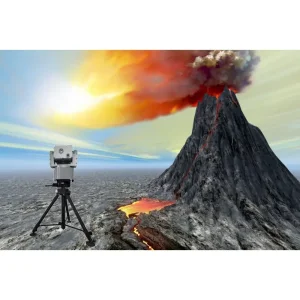
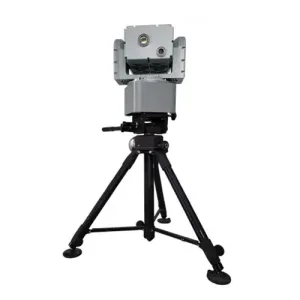
One of the most significant trends is the adoption of Fourier Transform Infrared (FTIR) remote sensing imaging. Unlike traditional point detectors, FTIR systems can "see" gas clouds from kilometers away, identifying their chemical composition without putting personnel in danger. Furthermore, the miniaturization of Ion Mobility Spectrometry (IMS) has allowed for handheld chemical identifiers that were once the size of refrigerators, providing military and first responders with laboratory-grade analysis in the palm of their hands.
Procurement officers for multinational corporations and government agencies are looking for more than just a low price. In the Emergency Manufacturer Ranking, top-tier status is earned through reliability, certification, and after-sales support. Key procurement requirements include:
As a leading China factory, we have optimized our supply chain to meet these global demands, offering both standardized products and bespoke OEM/ODM solutions that fit specific regional regulatory frameworks.
Monitoring fence-line emissions and detecting leaks in high-pressure pipelines using remote sensing imaging to prevent catastrophic explosions.
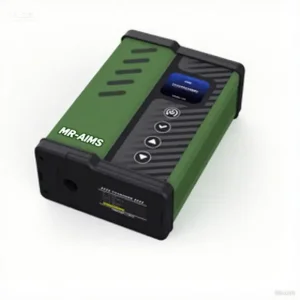
Handheld IMS chemical identifiers for rapid identification of unknown substances in the field, ensuring troop safety during reconnaissance.
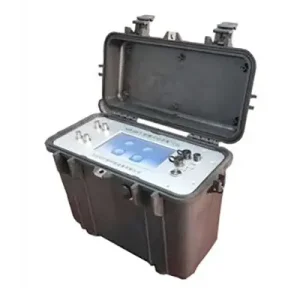
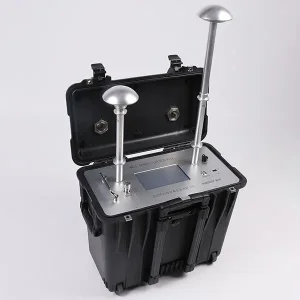
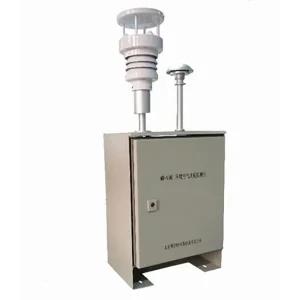
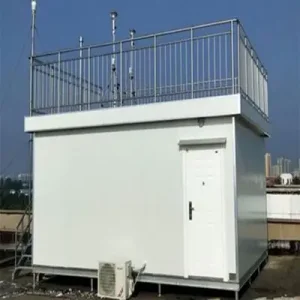
Deploying micro-air stations across urban grids to monitor ambient air quality and provide data for public health initiatives.
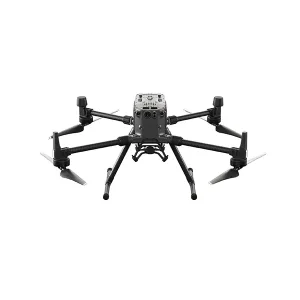
Remote volcanic gas monitoring systems that detect changes in sulfur dioxide levels, providing early warnings for eruptions.
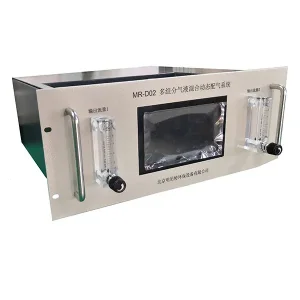
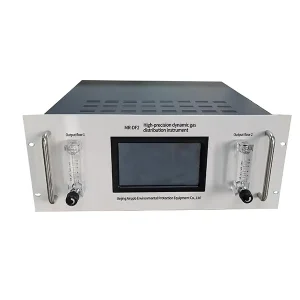
High-precision dynamic gas distribution instruments used by national metrology institutes to calibrate secondary sensors.
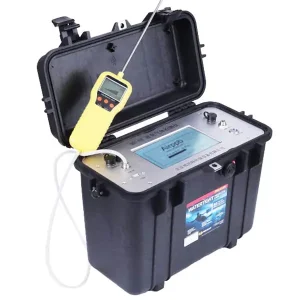
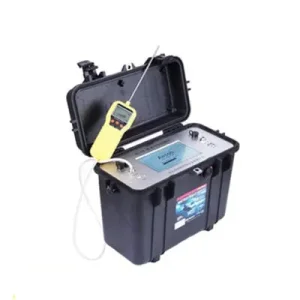
Multi-gas emergency detectors used by first responders to identify hazardous atmospheres before entering confined spaces.
Choosing a China-based manufacturer for emergency equipment offers a unique blend of high-speed innovation and cost-efficiency. Our group company, established in 2012, represents the pinnacle of this advantage. We don't just assemble; we innovate. With a robust R&D department focused on Fourier infrared technology and IMS, we bridge the gap between high-end scientific research and practical industrial application.
Our OEM/ODM capabilities allow global partners to customize gas detectors to their local market needs—whether it's changing the language interface, adjusting the sensitivity for specific regional gases, or integrating proprietary software. By leveraging China's world-class electronics supply chain, we provide high-precision instruments at a fraction of the lead time and cost of traditional Western manufacturers, without compromising on the stringent quality standards required for safety-critical equipment.
Established in 2012, our group company has spent over a decade at the forefront of the gas detection industry. We are committed to the development and production of Fourier infrared gas remote sensing imaging early warning systems, ambient air quality monitors, and high-precision dynamic gas distribution meters. Our expertise extends to multi-gas emergency detectors and comprehensive ambient air analysis.
Our authority is backed by a significant portfolio of intellectual property and rigorous adherence to international quality standards. We are proud holders of:
When you choose our products, you are partnering with a manufacturer that prioritizes reliability and precision. Our systems are designed to perform when it matters most, providing the critical data needed to make life-saving decisions in emergency situations. We continue to lead the ranking of gas detector manufacturers by consistently delivering excellence and pushing the boundaries of what is possible in gas sensing technology.
 Airppb