What is an Anti Terror Gas Telemeter and How Does It Work?

Time:2026-05-05 Author:Sophia
0%

In an age where security is paramount, understanding the tools that aid in protection is crucial. The Anti Terror Gas Telemeter is a vital device in monitoring gas levels in areas prone to threats. It plays a significant role in preventing gas-related attacks and ensuring public safety.

This telemeter offers real-time data on potentially harmful gases, allowing for prompt action. Utilizing advanced sensors, it detects anomalies in gas concentrations. However, it is essential to remember that, despite its effectiveness, no technology is perfect. Regular maintenance and calibration are necessary for optimal performance.

The Anti Terror Gas Telemeter exemplifies the intersection of technology and safety. While it provides substantial benefits, it also invites discussions on limitations and reliability. Understanding its function helps communities prepare better for possible incidents. Investing in such technologies represents a proactive step towards our collective security.
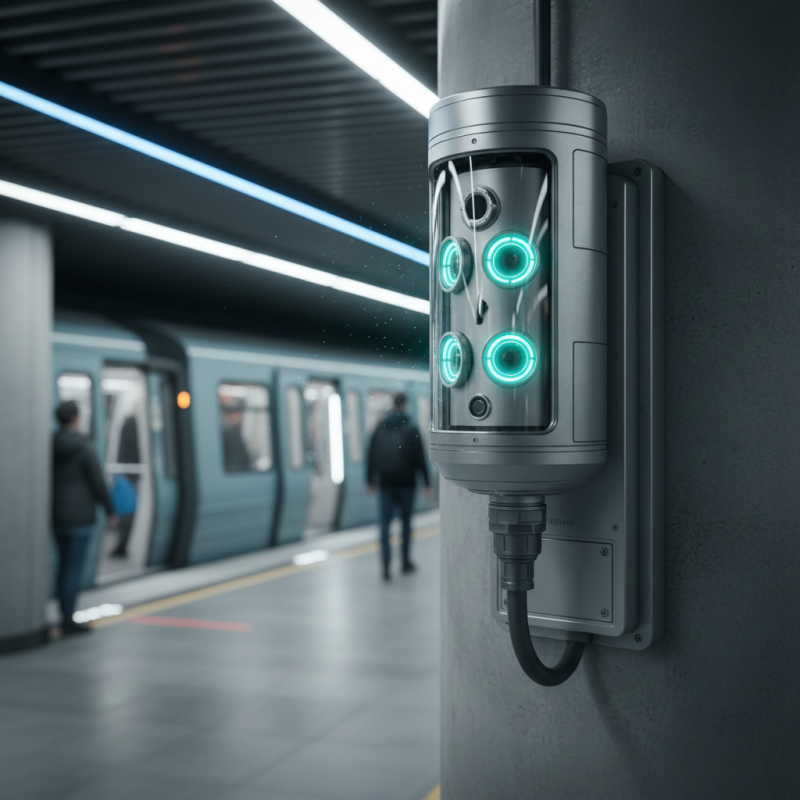
What is an Anti Terror Gas Telemeter and How Does It Work?

Definition of Anti Terror Gas Telemeter: Key Features Explained

An Anti Terror Gas Telemeter is a specialized device designed to monitor and detect hazardous gases in urban environments. These telemeters play a vital role in ensuring public safety, particularly in areas susceptible to terrorism-related threats. Their primary function is to identify the presence of toxic gases and alert authorities in real-time. This feature can potentially save lives by facilitating timely evacuations or responses.

Key characteristics of these telemeters include high sensitivity and rapid response times. For instance, a recent study indicated that advanced models can detect certain gases in concentrations as low as parts per billion. Equipped with advanced sensors, they analyze air samples quickly. Some telemeters provide data on gas composition, which informs responders about necessary actions. Additionally, real-time data transmission ensures rapid communication with emergency services.

Despite their importance, these devices are not without limitations. False positives can occur, leading to unnecessary panic or resource misallocation. Furthermore, while some telemeters integrate seamlessly with existing surveillance systems, others may face compatibility issues. Continuous improvement and testing are essential. Future advancements could enhance their accuracy and reliability, ultimately giving communities greater confidence in their safety measures.

Principles of Operation: How Anti Terror Gas Telemeter Functions

Anti Terror Gas Telemeter plays a crucial role in detecting harmful gases. These devices are essential in various security applications. Their fundamental operation relies on advanced sensors that identify specific gas concentrations in the environment. When a gas is detected, the device analyzes the data and sends alerts to security personnel.

The sensors within the telemeter use chemical and physical principles. They often rely on technologies like infrared spectroscopy or electrochemical sensors. This enables the detection of toxic gases, providing real-time data. Users can observe changes in gas levels through a clear interface. However, false positives can occur. Environmental factors sometimes trigger these alerts, which may cause unnecessary panic.

Interpreting the data requires expertise. Trained personnel must analyze the information to determine the actual threat level. The system's effectiveness hinges on regular calibration and maintenance. Inconsistent use or outdated technology can impair its reliability. Continuous improvements in sensor technology are vital for enhancing performance and reducing errors.

Anti Terror Gas Telemeter Functionality Overview

Types of Gases Detected: Overview of Targeted Chemical Agents

Anti-terror gas telemeters are crucial in detecting chemical agents. These devices monitor the air for dangerous gases. Their function centers on identifying specific chemicals that can threaten safety. Commonly targeted agents include nerve gases, blister agents, and choking agents.

Chlorine gas is often detected by these systems. It has a distinct, sharp odor and can cause severe respiratory issues. Another significant threat is sarin, a potent nerve agent. Sarin is odorless and can lead to rapid incapacitation. Telemeters also focus on detecting ammonia, which can be used in explosives. These chemicals can be deadly in concentrated amounts.

While these technologies are vital, limitations exist. Some telemeters may struggle in high humidity. False positives can occur with certain chemicals. Continuous updates and training are essential for users. Understanding these devices deepens our awareness of chemical threats. It is important to adapt to evolving threats as new agents emerge.

What is an Anti Terror Gas Telemeter and How Does It Work? - Types of Gases Detected: Overview of Targeted Chemical Agents

Gas Type Chemical Formula Common Uses Detection Method
Sarin C4H10FO2P Chemical weapons, warfare Gas Chromatography
VX C11H26N2O2PS Chemical weapons, assassination Mass Spectrometry
Mustard Gas C4H8Cl2S Chemical warfare, blistering agent Infrared Spectroscopy
Chlorine Cl2 Water treatment, bleaching agent Electrochemical Sensors
Ammonia NH3 Fertilizers, refrigeration Photoacoustic Spectroscopy

Applications in Security: Role in Counter-Terrorism Efforts

Anti-terror gas telemeters play a crucial role in modern security systems. These devices detect harmful chemical agents that could be used in terrorist attacks. Their importance has grown significantly, particularly since the rise of asymmetric warfare. According to a recent report by the Global Security Institute, the adoption of advanced detection technology has increased by over 30% in the last five years among federal agencies.

In counter-terrorism efforts, these telemeters provide real-time monitoring capabilities. They can quickly identify hazardous substances in the air, enabling swift action. Their effectiveness hinges on the precision of sensors. However, there are challenges to note. Some models may produce false positives, causing unnecessary panic. A 2022 study revealed that about 15% of alarm incidents did not involve actual threats. This highlights a need for continuous improvement in sensor accuracy.

The integration of these devices in public spaces like airports and stadiums enhances safety protocols. Additionally, training personnel to respond to alerts is equally vital. Reports show that nearly 40% of responders were unprepared during false alarm situations. Overall, while the technology is promising, ensuring reliability and enhancing response strategies should remain priorities for security agencies worldwide.

Maintenance and Calibration: Ensuring Accuracy and Reliability

Maintenance and calibration of anti-terror gas telemeters is vital. These devices measure hazardous gas levels and help ensure safety. Regular checks help maintain accuracy and reliability. Without proper maintenance, readings can be skewed, leading to dangerous situations.

Calibration requires precision. Technicians often use controlled gas mixtures to adjust settings. Each device may have specific calibration intervals. Skipping these intervals can affect monitoring capabilities. For example, a telemeter might show safe levels while danger lurks. This gap can stem from environmental factors or wear.

In practice, technicians face challenges. They may overlook minor faults in calibration processes. Scheduling maintenance can also be difficult. Training staff on proper techniques is essential. Maintaining effective communication about these needs is crucial. Only then can we ensure that gas telemeters are ready when it matters most.

FAQS

: What is the purpose of anti-terror gas telemeters?

: They detect dangerous gases in the air and identify specific chemicals that threaten safety.

What types of gases are commonly detected?

Common gases include chlorine, sarin, ammonia, nerve agents, and blister agents.

How does chlorine gas affect health?

Chlorine gas has a sharp odor and can cause severe respiratory issues.

What is a significant concern regarding sarin?

Sarin is odorless and can incapacitate individuals rapidly.

Why is maintenance important for gas telemeters?

Regular checks ensure accuracy. Neglecting maintenance can lead to dangerous inaccuracies.

What challenges do technicians face when calibrating telemeters?

They may overlook minor faults or have difficulty scheduling necessary maintenance.

How is calibration performed on telemeters?

Technicians use controlled gas mixtures to adjust the settings precisely.

How can false positives occur in gas detection?

Certain chemicals and environmental factors can lead to incorrect readings.

Why is staff training crucial for using telemeters?

Proper techniques help maintain accuracy and readiness in monitoring hazardous gases.

What can happen if calibration intervals are skipped?

Skipping intervals may result in readings showing safe levels while danger is present.

Conclusion

The Anti Terror Gas Telemeter is a specialized device designed to detect and monitor hazardous gases that may be associated with terrorist activities. It features advanced sensors and monitoring capabilities that allow for real-time analysis of air quality and the presence of harmful chemical agents. The principles of operation rely on sophisticated technology to identify specific gas compositions, ensuring timely and accurate readings.

In addition to its technical aspects, the Anti Terror Gas Telemeter plays a crucial role in security applications, contributing significantly to counter-terrorism efforts. By providing early warnings and data analysis, this device helps to mitigate threats and enhance public safety. Regular maintenance and calibration are essential to ensure its accuracy and reliability in critical situations, ultimately making it a vital tool in the fight against potential chemical attacks.


Sophia

Sophia

Sophia is a dedicated marketing professional with an exceptional depth of knowledge about her company's products and services. With a keen understanding of market trends and customer needs, she crafts insightful blog posts that not only inform but also engage readers, enriching the company’s online......