The Dynamic Gas Dilution System has emerged as a pivotal technology in China's industrial landscape. This system effectively manages and controls gas concentration levels, ensuring safety and compliance with environmental regulations. According to a recent report by the China Environmental Monitoring Institute, improper gas management contributes to over 30% of industry-related pollution. Experts emphasize the importance of robust systems like this one in addressing these challenges.
Dr. Li Wei, an industry specialist in air quality control, notes, "The adoption of a Dynamic Gas Dilution System transforms how industries manage volatile emissions." His insight underscores the rising trend of technological integration in environmental practices. With facilities experiencing compliance boosts of up to 40%, the need for dynamic systems has never been more urgent.
Though the benefits are clear, not all sectors have adapted efficiently. Some industries remain hesitant, citing costs or complexity. Yet, the long-term savings in regulatory fines and health-related expenses present a compelling case for change. This system offers not only enhanced operational efficiency but also a pathway toward a cleaner, more sustainable future in China.
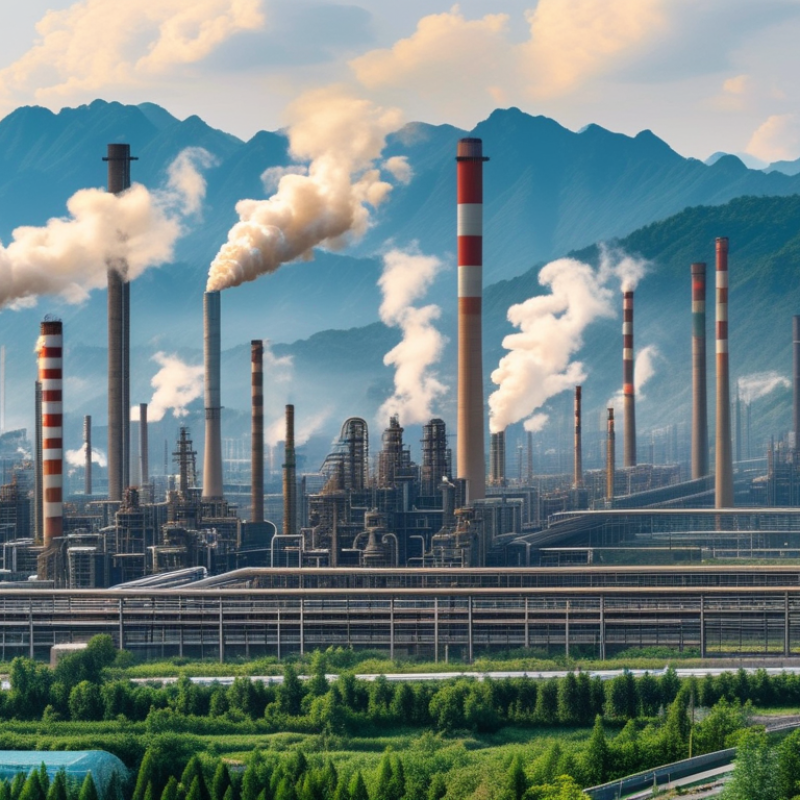
Overview of Dynamic Gas Dilution Systems
Dynamic Gas Dilution Systems (DGDS) play a crucial role in industrial applications across China. These systems accurately mix gases in real-time. They optimize processes by maintaining desired concentrations, ensuring safety and efficiency. According to recent industry reports, the market for gas dilution systems is projected to grow by around 7.5% annually over the next five years. This growth underlines the increasing demand for reliable gas management in diverse sectors.
DGDS are beneficial for various industries, including manufacturing and environmental monitoring. The precision these systems offer reduces operational risks. Moreover, their ability to adapt quickly to changing conditions enhances testing accuracy. A study from a leading research firm highlights that improved calibration from DGDS can lead to a 20% decrease in measurement errors. However, the integration of such systems is not without challenges. Operators must continually monitor performance to ensure reliability and accuracy.
Incorporating advanced technology into gas management presents opportunities and hurdles. While DGDS can streamline processes, users must invest time in training. Understanding system maintenance is crucial for long-term success. Industry data shows that 30% of operational failures stem from improper use. Continuous education and adaptation are necessary for maximizing the benefits of dynamic gas dilution systems.
Key Advantages of Using Dynamic Gas Dilution Systems
Dynamic gas dilution systems are transforming how industries in China manage hazardous gases. These systems improve air quality significantly. They ensure a safer working environment for employees. They are designed to mix hazardous gases with clean air automatically. This minimizes exposure risks for workers.
One major advantage is precise control over gas concentrations. This control helps industries meet strict safety regulations. Dynamic systems adapt to changing conditions. This flexibility is crucial in industries like manufacturing and pharmaceuticals. However, the implementation of these systems can be complex. Training staff to operate them effectively is necessary, and errors may occur during the learning process.
Another benefit is the reduction of greenhouse gas emissions. Dynamic systems can help reduce a company's carbon footprint. While the initial investment can be high, long-term savings are possible. Regular maintenance is essential to keep systems operational. Incomplete maintenance may lead to performance issues. Organizations must evaluate the effectiveness of such systems over time.
Applications of Dynamic Gas Dilution in Various Industries
The dynamic gas dilution system is gaining traction across various industries in China. This technology plays a crucial role in ensuring accurate measurements for air quality monitoring. Facilities like laboratories and industrial sites benefit significantly from consistent gas mixtures. Such reliability can improve safety and compliance in operations.
In environmental monitoring, dynamic gas dilution offers precise calibration for sensors. This ensures data accuracy, vital for regulatory reporting. Additionally, the pharmaceutical industry uses this system for emissions testing. It helps maintain a safe working environment for employees.
Tip: Ensure regular maintenance of the system for optimal performance.
Dynamic gas dilution systems also enhance research quality in educational institutions. Researchers depend on reliable data, especially in experiments requiring controlled environments. However, adopting such systems may come with complexities. Training staff adequately remains a challenge in many organizations.
Tip: Provide comprehensive training sessions for new users.
Balancing efficiency with accuracy is key. Industries can harness the potential of dynamic gas dilution, but errors in setup may arise. Attention to detail is essential to maximize system effectiveness.
Benefits of Dynamic Gas Dilution System in Various Industries
Environmental Impacts and Safety Considerations
Dynamic Gas Dilution Systems (DGDS) are emerging as a critical technology in China's industrial landscape. These systems effectively manage gas emissions, supporting stricter environmental regulations. The Global Institute for Environmental Research highlights that air pollution accounts for approximately 1.2 million premature deaths annually in China. DGDS can significantly reduce harmful emissions by diluting toxic gases before they enter the atmosphere.
The systems operate on a principle of real-time gas concentration monitoring. Data from the Ministry of Ecology and Environment shows that over 80% of industrial facilities lack adequate emission control mechanisms. Implementing DGDS not only mitigates health risks but also ensures compliance with local regulations. However, reliance on these systems requires thorough training and skilled personnel, exposing potential vulnerabilities in operation.
Safety considerations are paramount. A report from the Environmental Protection Agency emphasizes the need for regular maintenance and testing of these systems. Any negligence can lead to hazardous leaks, nullifying the benefits of dilution. Establishing best practices and adherence to safety guidelines is crucial for optimizing the performance of DGDS in diverse industrial settings across China.
Discover the Benefits of Dynamic Gas Dilution System in China - Environmental Impacts and Safety Considerations
| Benefit |
Description |
Environmental Impact |
Safety Considerations |
| Improved Air Quality |
Enhances the removal of harmful gases from the air |
Reduces pollution levels in urban areas |
Minimizes exposure to hazardous substances for workers and nearby residents |
| Cost Efficiency |
Decreases operational costs by optimizing gas usage |
Promotes sustainable practices in industrial processes |
Reduces the likelihood of accidents involving gas leaks |
| Versatility |
Applicable in various industries such as chemical and wastewater management |
Adapts to different environmental regulations and standards |
Enhances the safety protocols in diverse settings |
| Real-Time Monitoring |
Facilitates on-the-spot adjustments to gas concentrations |
Allows for immediate response to environmental changes |
Enhances safety by providing alerts for abnormal gas levels |
| Regulatory Compliance |
Helps businesses meet national and local environmental policies |
Contributes to overall environmental preservation efforts |
Reduces liabilities related to environmental non-compliance |
Future Trends in Gas Dilution Technology in China
The future of gas dilution technology in China looks promising. Recent studies indicate a shift toward more adaptive systems that respond to real-time environmental changes. These innovations aim to enhance accuracy and efficiency in various industries. The dynamic gas dilution systems help meet stricter environmental regulations. Recent data indicates that the market for such technologies is expected to grow by over 10% annually.
In the industrial sector, dynamic gas dilution systems can minimize pollutant levels while maintaining operational efficiency. Reports show a potential 20% increase in productivity when using advanced gas management systems. However, the integration process remains challenging. Many industries struggle with outdated equipment that fails to utilize these cutting-edge technologies effectively.
The government is also pushing for advancements in air quality management. Innovative gas dilution solutions may play a critical role in achieving China's environmental goals. However, the technology's rapid evolution means constant adaptation. Companies must remain vigilant about training staff and ensuring systems align with new regulations to avoid setbacks.
Conclusion
Dynamic Gas Dilution Systems are innovative technologies designed to enhance gas measurement and control across various industries in China. These systems offer several key advantages, including improved accuracy in gas concentration measurements, increased safety by reducing the risk of hazardous gas exposure, and enhanced operational efficiency. By dynamically diluting gases, these systems ensure that environmental standards are met while also facilitating more reliable data collection.
The applications of Dynamic Gas Dilution Systems span multiple sectors, from environmental monitoring to industrial processing, contributing to both safety and compliance. As the technology evolves, future trends may include increased automation and integration with advanced data analytics, paving the way for more effective environmental management and regulatory compliance. The integration of these systems reflects a growing commitment to sustainable practices and workplace safety in China.

 Airppb