In the world of industrial emissions, the importance of a reliable Boiler Tail Gas Analyzer cannot be overstated. Accurate measurements are crucial for compliance with stringent environmental regulations. According to a recent report by the International Energy Agency, industrial emissions account for approximately 30% of total greenhouse gas emissions globally. With regulations becoming more stringent, the demand for high-quality analyzers is on the rise.
The right Boiler Tail Gas Analyzer ensures precision in monitoring harmful gases such as NOx, SO2, and CO2. These measurements help industries meet legal standards and improve operational efficiency. A poorly selected analyzer can lead to inaccurate readings, resulting in fines and environmental damage. It's essential to evaluate options carefully.
Many manufacturers claim to offer premium products. However, buyers should look for proven performance and reliability. The market is flooded with options, which can be overwhelming. Potential buyers must weigh aspects like calibration accuracy, ease of use, and support services. Choosing the wrong analyzer may lead to costly consequences. Thus, informed decisions are crucial in this competitive landscape.
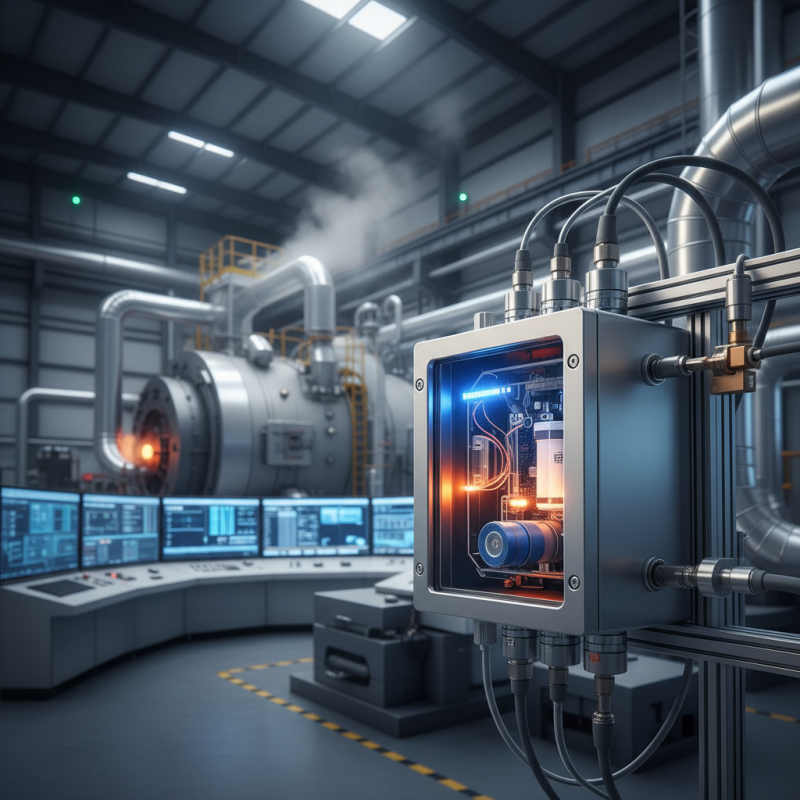
Overview of Boiler Tail Gas Analyzers: Importance and Applications
Boiler tail gas analyzers play a vital role in industrial applications. They monitor emissions from boilers, ensuring compliance with environmental regulations. According to a recent industry report, nearly 60% of industrial facilities face challenges in managing their emissions data. The impact of improper monitoring can lead to costly fines and environmental damage.
These analyzers provide crucial real-time data on pollutants like NOx, SO2, and CO2. Accurate measurements can help facilities adjust operations for optimal efficiency. Studies indicate that effective monitoring can reduce emissions by up to 30%. However, many companies still struggle with integrating these tools into existing systems.
Incorporating advanced technology can improve the accuracy and reliability of data. Yet, outdated equipment often hampers progress. Many users report issues with calibration and maintenance. This highlights the importance of selecting high-quality analyzers that meet industry standards. Facilities need to prioritize not only compliance but also operational performance to achieve long-term sustainability goals.
Key Features to Consider When Selecting a Boiler Tail Gas Analyzer
When selecting a boiler tail gas analyzer, quality and accuracy are paramount. Consider the measurement range of the device. A wider range allows for more flexibility in application. According to the "Global Gas Analyzers Market Report 2023", accuracy rates of 98% or higher are crucial for reliable emissions monitoring. Devices with lower accuracy may lead to compliance issues.
Key features to look for include
real-time data processing capabilities and ease of maintenance. Many modern analyzers offer quick calibration options. This can significantly reduce downtime. Users should also evaluate the gas types that the analyzer can measure. Some models can handle multiple gases simultaneously, providing comprehensive monitoring solutions.
Tips: Always check for industry certifications. This can provide guidance on reliability. Additionally, consider the long-term support and service offered. A good warranty often indicates a manufacturer’s confidence in their product. Select a model that suits your specific operational needs rather than just focusing on price.
Top Brands and Models of Boiler Tail Gas Analyzers in the Market
Selecting a boiler tail gas analyzer requires careful consideration of various factors. Buyers look for quality, reliability, and accurate measurement capabilities. Different models offer unique features, which can impact their performance in industrial settings. Understanding these features helps buyers choose the right equipment for their specific needs.
One popular type of analyzer combines electrochemical technology with advanced digital displays. This type offers real-time monitoring of gas emissions, ensuring compliance with environmental regulations. Some models provide wireless connectivity for convenience. This feature allows remote monitoring, adding efficiency to operational workflows. However, users sometimes overlook required maintenance, which can affect performance over time.
Another category to explore includes portable analyzers. They are designed for field use and often come with user-friendly interfaces. Their lightweight design makes them easy to transport. While these analyzers are convenient, they may sacrifice some accuracy for portability. Buyers must weigh these trade-offs when making their decision.
Comparison of Price and Performance Among Leading Gas Analyzers
When analyzing boiler tail gas, accuracy is paramount. Choosing the right gas analyzer impacts both performance and operational efficiency. Buyers must consider both price and features before making a decision. Various models exist that cater to different needs and budgets. The market offers devices with varying capabilities, from basic detection to advanced multi-gas analysis.
Performance is often measured in terms of response time and accuracy. Some analyzers feature real-time data tracking, allowing for immediate adjustments. However, higher accuracy can come with a steeper price tag. It’s essential to evaluate the trade-off between cost and functionality. Buyers should reflect on their specific needs. What are the required gas types? Is portability important? These factors will guide their choice.
In the quest for the best gas analyzer, one should also consider maintenance and user support. Reliable customer service can enhance the experience significantly. The balance between initial cost and long-term investment is crucial. In some cases, a less expensive model may fall short in durability and effectiveness. Thus, thoughtful research and comparison are key to finding the right analyzer for effective monitoring and compliance.
Maintenance and Calibration Tips for Optimal Performance of Analyzers
Maintaining and calibrating boiler tail gas analyzers is vital for accurate emissions monitoring. Regular maintenance can prolong analyzer life and ensure precision. Research shows that a well-maintained analyzer can improve operational efficiency by up to 15%. This efficiency is crucial for industries under increasing pressure to comply with stringent environmental regulations.
Calibration is another key aspect. Many experts recommend calibrating analyzers every six months. However, in high-demand situations, this may not be sufficient. Real-time data highlights that up to 30% of analyzers may drift out of calibration within three months. Users should assess individual operational conditions to determine a suitable calibration frequency.
Properly training staff on maintenance and calibration procedures is essential. A knowledgeable team can identify early signs of issues. Simple steps, like checking sample lines and ensuring the quality of calibration gases, are often overlooked yet critical. Establishing a consistent maintenance schedule can minimize downtime and unexpected costs. Embracing a proactive approach leads to improved reliability in emissions data.
Best Boiler Tail Gas Analyzer Performance Metrics
This bar chart presents the concentration levels of various gases typically measured by boiler tail gas analyzers. These metrics are crucial for understanding combustion efficiency and emissions profiles, aiding global buyers in selecting quality analyzers.
FAQS
: Quality and accuracy are crucial. Look for devices with a measurement range that fits your needs.
Aim for an accuracy rate of 98% or higher for reliable emissions monitoring.
Many experts recommend calibration every six months, but more frequent calibration may be needed in high-demand situations.
Look for real-time data processing and easy maintenance features to reduce downtime.
Regular maintenance is vital. It can improve operational efficiency by up to 15%.
Consider the balance between cost and functionality. Sometimes, cheaper models lack durability.
Proper training helps staff identify issues early, ensuring efficient monitoring and compliance.
Some models can handle multiple gases simultaneously, but it's essential to check specifications.
Certifications indicate the reliability of the analyzer and guide your selection process.
Establish a consistent maintenance schedule to minimize downtime and avoid costly repairs.
Conclusion
Boiler Tail Gas Analyzers play a crucial role in optimizing boiler efficiency and ensuring compliance with environmental regulations. These devices analyze the flue gases emitted from boilers, providing valuable data on emissions that can impact air quality and energy consumption. Understanding their importance and applications is essential for buyers seeking quality solutions in various industries.
When selecting a Boiler Tail Gas Analyzer, key features such as measurement accuracy, ease of use, and durability should be considered. This includes evaluating the performance and pricing of different models available in the market. Regular maintenance and calibration are critical for maintaining the optimal performance of these analyzers, ensuring reliable data and prolonged equipment lifespan. By carefully assessing these factors, buyers can make informed decisions that enhance their operations while meeting regulatory standards.

 Airppb