In an era where safety and detection technologies are paramount, selecting the best Chemical Poison Detector is crucial for protecting lives. Dr. Emily Carter, a leading expert in hazardous materials, notes, “The right detector can mean the difference between safety and catastrophe.” As concerns over chemical exposure grow, so does the need for reliable detection systems.
The global marketplace is flooded with various detectors, each claiming to offer superior protection. Yet, the effectiveness of these devices varies greatly. Buyers must pay attention to accuracy, sensitivity, and ease of use. Studies reveal that many detectors fail to identify certain toxic substances effectively. This gap in reliability highlights a pressing need for thorough research before making a purchase.
Choosing the ideal Chemical Poison Detector isn’t straightforward. Potential buyers must evaluate their specific needs and consider the environment in which the device will be used. While advancements in technology continue to improve detection capabilities, the challenge remains to find a balance between affordability and reliability. The process can be daunting, but informed choices can lead to enhanced safety and peace of mind.
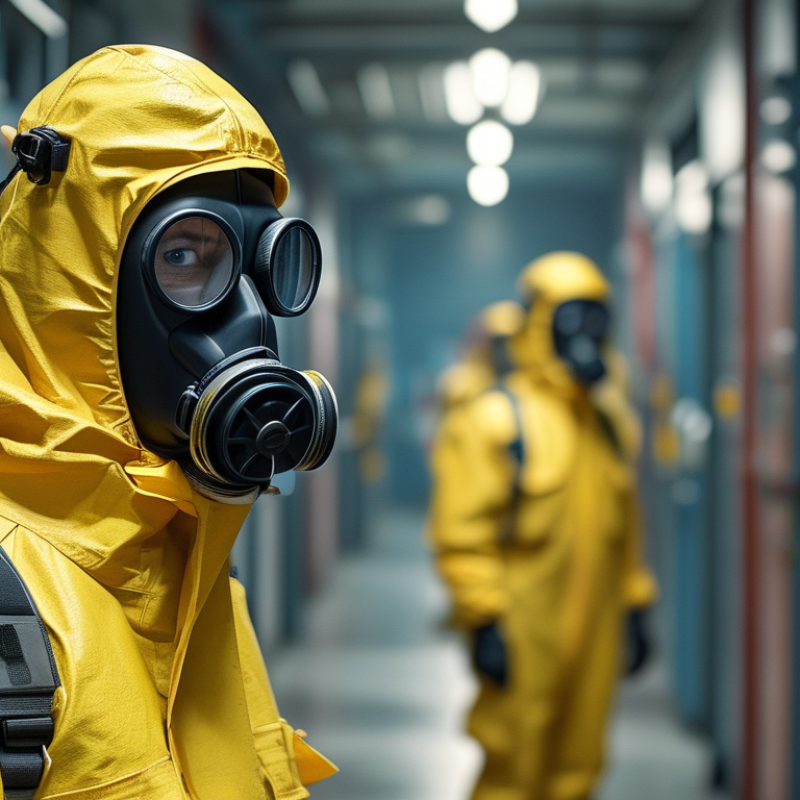
Emerging technologies in chemical poison detection are critical for safety across industries. Recent reports indicate that the global market for these technologies is projected to reach $2.5 billion by 2026. Demand is driven by sectors like healthcare, manufacturing, and environmental monitoring. Advanced sensors and smart detection systems are leading the way.
Chemical detection technologies use various methods, including spectroscopy and electrochemical sensors. Spectroscopy can identify substances at a molecular level, providing precise identification of dangerous compounds. On the other hand, electrochemical sensors are compact and portable, making them ideal for immediate field applications. According to a study by ResearchAndMarkets, these methods can reduce detection times significantly, highlighting their importance in emergency responses.
However, despite advancements, challenges remain. Some detectors may not distinguish between similar substances accurately. This can lead to false positives, causing unnecessary alarm or, conversely, missed detections. Additionally, high costs can hinder accessibility for smaller organizations. Continuous improvements are needed to enhance reliability and user-friendliness in these technologies, ensuring they meet growing safety demands effectively.
When looking for the best chemical poison detector, several key features stand out. Sensitivity is crucial. Detection limits can vary widely. Advanced detectors may identify chemicals at parts per billion (ppb), which is vital for ensuring safety in various environments. Real-time monitoring ensures immediate alerts. This capability is essential, especially in industrial settings where exposure can occur rapidly.
Another vital feature is the user interface. A clear display and intuitive controls make operation easier. Training employees on complex devices takes time and resources. Studies show that ease of use can enhance compliance and safety. Moreover, connectivity options are important. Wi-Fi and Bluetooth connectivity allow for remote monitoring and data analysis. Such data can aid in workplace safety assessments.
Durability and maintenance requirements must not be overlooked. Detectors should be designed to withstand harsh conditions, whether in a laboratory or field environment. Regular calibration is necessary for accurate results. The National Institute for Occupational Safety and Health (NIOSH) suggests frequent checks to ensure reliability. Without proper upkeep, even the best detectors can fail, exposing workers to unseen dangers. Thus, choose wisely based on these essential features.
| Feature | Description | Importance Level | User Rating |
|---|---|---|---|
| Sensitivity Range | Detects a wide range of chemical concentrations | High | 4.8/5 |
| Response Time | Time taken to detect and alert | Critical | 4.7/5 |
| Portability | Ease of transport and usage | Medium | 4.5/5 |
| Battery Life | Duration of operation on a single charge | High | 4.6/5 |
| Calibration | Ease of calibrating for different environments | Important | 4.4/5 |
In 2026, the market for chemical poison detectors has evolved significantly, catering to various sectors. Buyers are keen on advanced technology that ensures safety in both industrial and residential settings. Recent innovations focus on user-friendly interfaces and accurate detection capabilities. Many devices now feature real-time alerts, ensuring prompt action against potential threats.
Noteworthy models exhibit enhanced sensitivity and faster response times. Some detectors utilize smart technology, allowing integration with mobile devices. This connectivity empowers users to monitor environments remotely. However, users must consider the calibration and maintenance of these devices to achieve consistent performance. A poorly maintained detector may lead to false readings, raising concerns about reliability.
While many brands claim superiority, thorough research is essential. Reading user reviews can highlight potential drawbacks and shortcomings. It's important for buyers to weigh features against their specific needs. Ultimately, the best chemical poison detector for you will depend on personal requirements and environmental factors.
In the search for the best chemical poison detectors, understanding global standards is crucial. Various organizations outline stringent criteria to ensure safety and reliability. The International Organization for Standardization (ISO) plays a vital role in defining these standards. Their guidelines help manufacturers design effective and compliant detectors. This ensures that users can trust these devices in critical situations.
Different regions may have unique regulations impacting detector design and functionality. For instance, the European Union has specific directives to address health and safety. Compliance with these regulations can be complex but necessary for market access. Manufacturers must adapt their products to meet diverse requirements efficiently.
As the market evolves, gaps in compliance can arise. Adjusting to new technologies poses a challenge for many companies. Ongoing training for personnel about updated standards is often overlooked. This gap presents risks, making awareness of regulations essential for stakeholders. Users should verify if their equipment aligns with the latest standards, ensuring efficacy and safety.
The market for chemical poison detectors is rapidly evolving. As safety becomes a priority, innovations are emerging to enhance detection precision. Devices now utilize advanced sensors that can identify a range of toxic substances in various environments. These improvements cater to different sectors, from industrial workplaces to domestic settings.
Future innovations aim to integrate smart technology into poison detection devices. Wireless connectivity enables real-time monitoring and alerts. Users will receive notifications on their smartphones, enhancing safety measures. However, challenges remain. Not all products are equally reliable; some may provide false alarms or miss critical dangers. It’s crucial to critically evaluate their effectiveness and ensure they meet rigorous safety standards.
In the coming years, regulatory frameworks may shape the development of these devices. Greater oversight can lead to improved quality and reliability. Nonetheless, consumers must remain cautious, as not every detector will stand up to scrutiny. Continuous advancements will require ongoing assessment of available options.
: Technologies include spectroscopy and electrochemical sensors. Each has unique capabilities for identifying dangerous compounds.
Spectroscopy identifies substances at a molecular level. It provides precise identification of potentially dangerous compounds.
Electrochemical sensors are compact and portable. Their design makes them suitable for immediate use in various environments.
Some detectors struggle to differentiate similar substances. This leads to false positives or missed detections, which can be problematic.
Global standards ensure reliability and safety. Compliance is necessary for effective market access, especially across different regions.
The organization defines safety criteria for chemical detectors. Their guidelines support the design of effective detection technology.
Ongoing training keeps personnel informed about updated standards. Lack of training can lead to risks and compliance gaps.
Yes, the high costs can limit access for smaller organizations. This may delay their ability to implement necessary safety measures.
Users should verify compliance with the latest regulations. This ensures the equipment remains effective and safe for use.
Enhancements in reliability and user-friendliness are essential. Continuous innovation is crucial to meet growing safety demands.
The article titled "2026 Best Chemical Poison Detector for Global Buyers?" provides a comprehensive overview of the advancements in chemical poison detection technologies, emphasizing their significance in ensuring safety across various sectors. It discusses essential features to consider when choosing a chemical poison detector, such as sensitivity, response time, and ease of use.
Furthermore, the article highlights the latest innovations and market trends in poison detection devices, reflecting the global push for improved safety standards. Understanding the relevant regulations and global standards for chemical detectors is crucial for buyers to make informed decisions. With the increasing focus on safety and environmental protection, the demand for reliable chemical poison detectors is expected to grow, showcasing the importance of these devices in various applications.

Airppb