In the rapidly evolving world of gas distribution, finding the right Dynamic Gas Distribution Device can be a daunting task. Experts like Dr. Emily Carter, a leading engineer in the field, have emphasized, “The selection of a gas distribution device fundamentally impacts efficiency.” Her insight underscores the importance of choosing a device that meets specific operational requirements.
When assessing options, consider your unique needs. Some devices excel in versatility, while others focus on precision. For instance, industrial applications may require robust systems capable of handling high pressure. In contrast, smaller setups might prioritize compact designs without sacrificing performance. The nuances are vital.
Many users overlook the importance of maintenance and support. An ideal Dynamic Gas Distribution Device should not only perform well initially but also offer long-term reliability. As technology advances, it’s crucial to evaluate how well a device adapts to new standards. Reflection on these elements will guide you toward the best choice for your gas distribution needs.
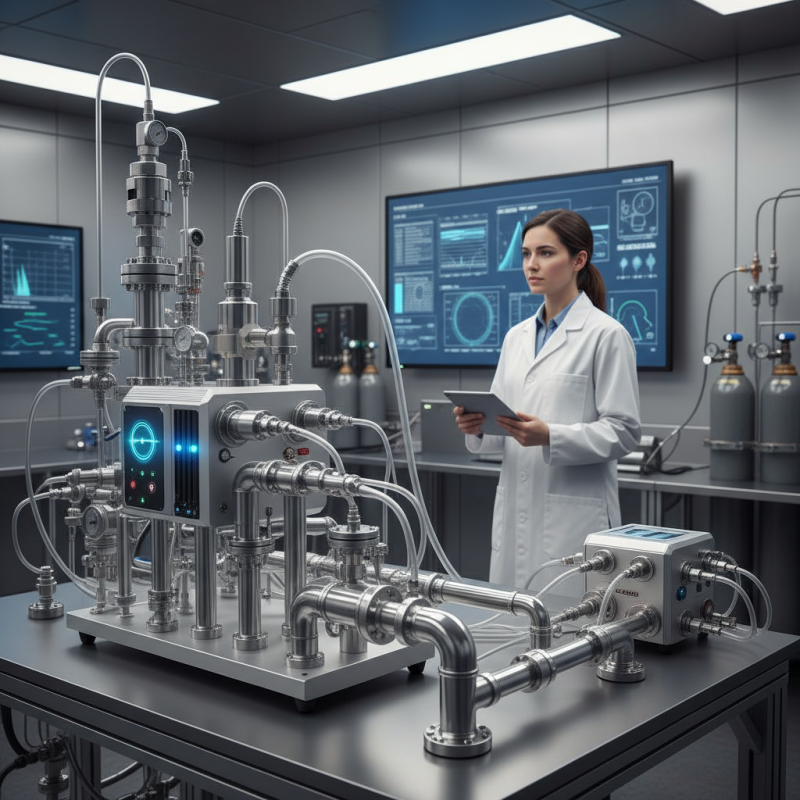
Dynamic gas distribution devices play a crucial role in various industrial applications. They ensure optimal gas flow and minimize waste. According to a recent industry report, about 30% of inefficiencies in gas systems are attributed to poor distribution. This highlights the importance of using the right device for specific needs.
Choosing the best dynamic gas distribution device involves understanding your operational requirements. Evaluate factors like gas type, pressure, and temperature. A 2023 survey revealed that businesses saw a 25% increase in efficiency after switching to advanced distribution technology. However, it is essential to remember that new devices can present challenges. For example, installation may require skilled personnel, adding to costs.
Regular maintenance is necessary to keep these systems running smoothly. Neglecting this can lead to unexpected downtimes. An analysis indicated that companies spend, on average, 15% of their operational budget on maintenance. It reflects the necessity for an informed approach when selecting a device to fit your needs. Being proactive can mitigate some of these issues, enhancing overall reliability.
This chart illustrates the gas flow rate performance of various dynamic gas distribution devices. The data represents the flow rates in liters per minute (L/min) for five different devices, highlighting their efficiency and functionality.
Choosing a dynamic gas distribution device involves several critical factors. First, understand the specific requirements of your application. Consider gas type, pressure, and flow rate. Each device serves different needs. Researching various designs can help you find the right one.
Another vital aspect is the ease of maintenance. Some devices require frequent servicing, while others are more robust. Think about your available resources. Time and budget constraints might influence your decision. A reliable device may save you money in the long run.
User reviews can provide insights, but be wary. Not all feedback reflects actual performance. Look for expert opinions or case studies in similar applications. Gathering thorough information is essential for an informed choice. The right device can enhance efficiency, but the wrong one can lead to issues.
When selecting a dynamic gas distribution device, it’s essential to consider various types available on the market. These devices vary in design and application, each serving specific needs. Common types include pressure regulators, gas flow meters, and proportioning valves. Understanding their functionality will help you choose the right one for your setup.
Pressure regulators ensure a consistent gas pressure, which is crucial for safety and efficiency. Gas flow meters measure the amount of gas flowing through a system, providing valuable data for monitoring and control. Proportioning valves adjust the gas flow rate based on specific requirements, enhancing system performance. Each type has unique features that may suit different scenarios.
Tip: Always assess the specific demands of your application. Not all devices are universally perfect. Consider issues like installation complexity and maintenance needs. Do not overlook the environmental conditions where the device will be used. Assess whether your choice withstands potential changes in temperature and pressure.
It’s important to do thorough research before making your decision. Seek advice from professionals with experience in gas distribution systems. Peer reviews and user feedback can also guide your selection process.
When choosing a dynamic gas distribution device, several key features must be considered. Performance, efficiency, and adaptability are critical factors. Each device offers unique specifications tailored for different gas types and flow rates. The efficiency of gas mixing can significantly impact the overall performance of your system.
Comparing these devices can feel overwhelming. While some excel in high-pressure applications, others perform better in low-pressure environments. Consider the material compatibility as well. Some devices may not handle corrosive gases well. This can lead to device failure or contamination.
Users often share mixed experiences with various models. Some devices may require frequent calibration, while others provide stable performance over time. It’s essential to examine real-world case studies to understand how these devices perform under actual conditions. Seeking insights from experienced professionals can also help in navigating these complex choices. Reflections on user feedback reveal that what works for one application may not suit another. Thus, a careful assessment of your specific needs will guide you in making the right choice.
Maintaining your dynamic gas distribution device is key for optimal performance. Regular checks ensure everything runs smoothly. Start with inspecting the gas lines. Look for any wear or damage. Even small leaks can cause significant issues. Keep the connections tight but not overly strained. Tightening them too much may lead to cracks.
Next, clean the filters regularly. Dirty filters can restrict gas flow, leading to inefficiency. Use a soft brush or cloth to remove any buildup. If filters are too clogged, replace them according to the manufacturer's recommendations. Regular maintenance extends the life of your device.
Don’t overlook software updates if your device incorporates technology. New updates can enhance performance and security. Neglecting them may lead to outdated functionalities. Keep a log of maintenance checks and any irregularities. This practice helps identify recurring issues and trends over time. Addressing minor problems early can prevent costly repairs later. Being proactive is often more effective than reactive solutions.
| Device Type | Flow Rate (Nm³/h) | Pressure Range (bar) | Material | Maintenance Frequency |
|---|---|---|---|---|
| Dynamic Mixer | 100 | 1-5 | Stainless Steel | Monthly |
| Gas Distribution Manifold | 150 | 2-8 | Aluminum | Quarterly |
| Pressure Regulator | 80 | 0.5-10 | Brass | Biannual |
| Gas Controller | 120 | 1-6 | Plastic | Yearly |
| Flow Meter | 200 | 1-7 | Composite | Semi-annual |
: Understand the specific requirements like gas type, pressure, and flow rate for your application.
Maintenance ease matters. Some devices need frequent servicing, while others are more robust and reliable.
User feedback can be helpful, but it may not reflect actual performance always. Be cautious.
Common types include pressure regulators, gas flow meters, and proportioning valves. Each serves unique needs.
They ensure consistent gas pressure, crucial for both safety and efficiency in a system.
They measure gas flow rates, providing data essential for monitoring and control of the system.
Not all devices are perfect. Installation issues can arise, affecting performance and longevity.
Ensure the device can withstand temperature and pressure changes in its intended environment.
Yes, advice from experienced professionals can help guide your decision effectively.
Absolutely, gather information to make an informed choice. It can prevent costly mistakes.
Dynamic Gas Distribution Devices play a crucial role in various applications where efficient gas flow management is essential. Understanding the fundamentals of these devices and their significance is vital for selecting the right equipment. When choosing a Dynamic Gas Distribution Device, one should consider factors such as flow rate, pressure drop, and compatibility with existing systems.
There are various types of Dynamic Gas Distribution Devices available, each designed to cater to different industrial needs. A comparative analysis of leading devices can help identify the best option for specific requirements. Additionally, maintaining a Dynamic Gas Distribution Device is key to ensuring optimal performance, which involves regular checks and proactive servicing. Making informed decisions based on these considerations will lead to improved efficiency and effectiveness in gas distribution systems.

Airppb