In modern military operations, safety is paramount. Choosing the best Military Gas Detector is crucial to ensure personnel protection. As Dr. Samuel Thompson, a leading expert in military safety equipment, stated, “Reliable gas detection can be the difference between life and death.” This highlights the importance of selecting effective tools for hazardous environments.
When evaluating options, consider factors such as detection range, sensitivity, and response time. A top-tier military gas detector should quickly identify toxic gases. However, not every product meets the rigorous standards required for military use. It’s essential to consult reviews and recommendations, as some detectors may provide false positives.
Moreover, the evolving nature of threats necessitates continuous improvement in technology. A detector that performed well yesterday may become obsolete. Therefore, ongoing training and updates on equipment capabilities are vital. Ensuring the right Military Gas Detector can enhance safety in unpredictable situations, emphasizing the need for informed choices.
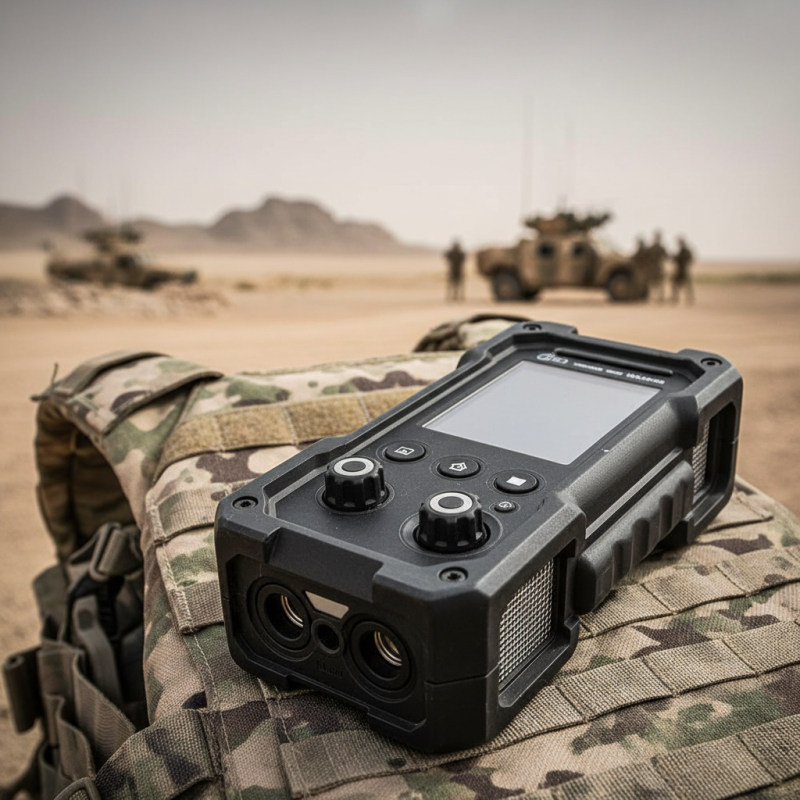
Military gas detectors play a crucial role in ensuring safety during hazardous situations. They are designed to identify toxic gases and protect personnel from potential harm. Gas leaks can happen unexpectedly, leading to dire consequences. These detectors provide timely alerts, enabling quick response measures.
Understanding the functionalities of these detectors is vital. They are equipped with advanced sensors that can detect various gases, from carbon monoxide to chemical warfare agents. Training personnel on how to use these devices enhances safety protocols significantly. However, not all detectors are created equal. Users must recognize the limitations of each model, including detection ranges and battery life.
It is essential to prioritize regular maintenance and calibration of gas detectors. This ensures their reliability in emergencies. Users should also be aware of any environmental factors that may affect performance. Familiarizing oneself with the device's operating manual can prevent potential oversights. Cultivating a thorough understanding of these tools can greatly influence safety outcomes in military operations.
When selecting a military gas detector, consider its key features carefully. High-quality detectors should have multiple sensor capabilities. This enables swift identification of various gases. Look for units that detect toxic substances like carbon monoxide and nerve agents. A reliable detector provides a broader range of protection.
Portability is also crucial. Detectors should be lightweight, allowing easy transport during missions. Some models offer compact designs without sacrificing functionality. Battery life needs attention too. A long-lasting battery is vital, especially in extended operations.
Ergonomics matter for effective use in the field. Buttons should be easily accessible, even when wearing gloves. The display must deliver clear readings under various conditions. Moreover, durability ensures the device withstands harsh environments. After all, a reliable gas detector can be a life-saving tool. However, it's worth noting that no device is infallible; regular maintenance and calibration are essential for optimal performance.
When selecting a military gas detector, understanding sensor technologies is crucial. Two common types are electrochemical and infrared detectors. Each has its strengths and weaknesses, impacting their performance in various environments.
Electrochemical sensors work by reacting with specific gases. They are often compact and provide accurate readings for specific toxic gases. However, they can require regular calibration and may have a limited lifespan. In contrast, infrared detectors are known for their durability and ability to detect a wider range of gases. They work by measuring the absorption of infrared light by gas molecules. While they are often more robust, they can be more expensive and bulkier than their electrochemical counterparts.
Tips: Always consider the environment where the detector will be used. In confined spaces, electrochemical detectors can excel due to their sensitivity. Yet, for open areas with varying temperatures, infrared detectors may be more reliable. Regular maintenance ensures both types function effectively, extending their service life. Users should test detectors frequently to ensure accuracy and reliability.
When choosing a military gas detector, sensitivity and response times are critical. Sensitivity refers to the ability of the detector to identify low levels of gas. A device with high sensitivity can detect hazardous substances that may otherwise go unnoticed. This feature is essential in environments where even trace amounts of gas can pose serious risks.
Response time is equally important. It indicates how quickly the detector reacts to the presence of gas. A rapid response can be the difference between a safe evacuation and exposure to dangerous fumes. Ideally, a detector should provide alerts within seconds. Delays in detection can lead to severe consequences in military and emergency situations.
Evaluating these features requires expertise. Users should consider environments in which the detector will be deployed. Some spaces require faster response times due to higher risks, while others focus on identifying minimal concentrations of gases. Understanding these nuances helps ensure safety. Choosing the right detector involves more than just selecting a device; it's about matching the specifications to the specific environment and situation.
Choosing the right military gas detector involves understanding the regulatory standards and certifications that ensure safety and reliability. In the military field, gas detectors must adhere to stringent guidelines set forth by agencies such as the National Institute for Occupational Safety and Health (NIOSH) and the Occupational Safety and Health Administration (OSHA). These standards provide a foundation for the performance and safety of detection equipment used in various environments.
Studies show that over 60% of gas detection failures occur due to non-compliance with these regulations. Quality control checks should verify that detectors meet standards such as ISO 9001. Additionally, compliance with the National Fire Protection Association (NFPA) regulations is crucial in ensuring that the device meets necessary safety requirements. Understanding these certifications can help prevent dangerous situations.
Operational challenges exist. For example, in combat-ready situations, quick calibration and responsiveness to gas concentrations are vital. Detectors often face harsh conditions that may affect their performance. Regular testing and adherence to maintenance protocols can mitigate risks. Awareness and constant evaluation of the regulatory framework is essential for any military organization committed to safety in the field.
: Military gas detectors identify toxic gases to protect personnel from harm during hazardous situations.
Training personnel on using gas detectors significantly improves safety measures in emergencies.
Key features include multiple sensor capabilities, portability, battery life, and durability for effective performance.
The two common types are electrochemical sensors and infrared detectors, each with unique advantages.
They react with specific gases and provide accurate readings, but require regular calibration and may have limited lifespans.
Infrared detectors are generally more durable and can detect a wider range of gases, although they may be bulkier.
Regular maintenance and calibration are crucial for ensuring reliability and performance in emergencies.
Conditions like confined spaces may favor electrochemical detectors, while open areas may benefit from infrared detectors.
No, no device is perfect. Users must understand limitations and regularly test detectors for accuracy.
Controls should be user-friendly, and displays must deliver clear readings for effective use, even under challenging conditions.
Choosing the right Military Gas Detector is crucial for ensuring safety in various operational environments. Military gas detectors play a vital role in safety protocols by identifying hazardous gases that could pose significant risks to personnel. When selecting a gas detector, key features to consider include sensitivity, detection capabilities, and response times, which are essential for quick and accurate hazard identification.
Additionally, understanding the differences in sensor technologies, such as electrochemical and infrared detectors, can help determine the most suitable option for specific needs. Regulatory standards and certifications must also be evaluated to ensure compliance and reliability. By focusing on these aspects, one can effectively choose a Military Gas Detector that enhances safety and operational efficiency.

Airppb