How to Choose the Best Chemical Gas Monitoring Solutions?

Time:2026-05-07 Author:Henry
0%

In today's industrial environment, effective Chemical Gas Monitoring is critical for safety and compliance. Dr. Emily Harper, a leading expert in environmental safety, states, "Choosing the right monitoring solutions is not just about technology; it's about safeguarding lives." Her insight underscores the importance of selecting appropriate systems tailored to specific needs.

When evaluating Chemical Gas Monitoring solutions, companies must consider reliability and accuracy. Various sensors and instruments vary in performance. Understanding these differences can be daunting. A clear strategy based on the specific gases involved is essential. Many organizations overlook this critical aspect, leading to inefficient monitoring practices.

Engaging with industry professionals and seeking firsthand experience is invaluable. However, choosing a solution often involves compromises. The perfect system may not exist, but a thoughtful approach can significantly enhance safety outcomes. By remaining vigilant and proactive, businesses can navigate the complexities of Chemical Gas Monitoring effectively.
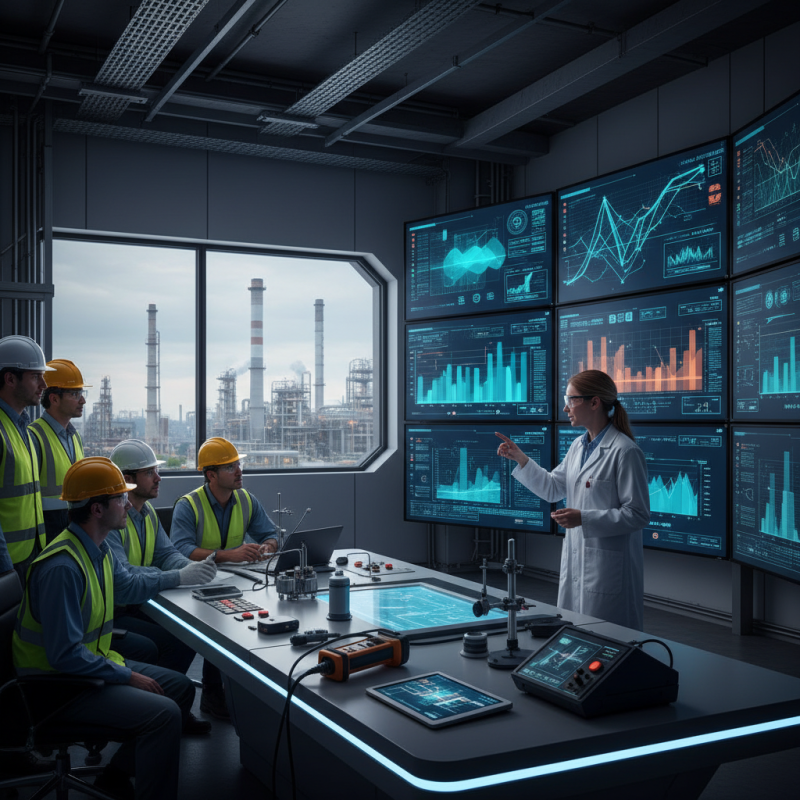
How to Choose the Best Chemical Gas Monitoring Solutions?

Identifying the Key Chemical Gases for Monitoring Needs

Identifying key chemical gases for monitoring is crucial for safety and compliance in various industries. Many sectors, including manufacturing and healthcare, face unique gas hazards. According to the International Occupational Safety and Health Administration (IOSHA), over 80% of workplace incidents are linked to unsafe gas exposure. Recognizing which gases need monitoring can significantly reduce risks.

Common gases of concern include carbon monoxide, volatile organic compounds (VOCs), and ammonia. The Occupational Safety and Health Administration (OSHA) emphasizes that carbon monoxide is particularly dangerous because it is odorless and colorless. VOCs, often found in paints or cleaning agents, can cause long-term health issues. Ammonia exposure, prevalent in agriculture, can lead to respiratory problems. A thorough risk assessment should be conducted to identify which gases pose the greatest threats.

While technology has improved monitoring solutions, challenges remain in accurately detecting low-level exposures. The sensitivity of gas detectors can vary widely. Regular calibration and maintenance of equipment are essential. Unexpected sensor failures can lead to dangerous situations. It’s vital to stay informed about trends in gas monitoring technology to ensure reliable detection and compliance with industry standards. Keeping employees educated about the risks is equally important.

Understanding Different Types of Chemical Gas Monitoring Technologies

When selecting chemical gas monitoring technologies, it's essential to understand the various types available. One popular choice is electrochemical sensors. They are known for their accuracy and sensitivity. However, they can be affected by temperature and humidity. Users must ensure they are installed correctly for optimal performance.

Another option is infrared sensors. These devices detect gases based on their absorption characteristics. They are generally reliable and can work in harsh environments. Nevertheless, they might require more maintenance than other technologies. Users should be aware of potential drifting that can lead to false readings.

Photoionization detectors (PIDs) are also worth considering. PIDs can identify a wide range of volatile organic compounds. Their quick response time makes them suitable for many applications. Yet, they may not provide accurate readings for all gas types. Users should evaluate their specific needs to choose the right monitoring solution. Each technology comes with its strengths and weaknesses. Thoughtful consideration is key to making an informed decision.

Evaluating Accuracy and Sensitivity in Gas Detectors

When selecting gas detectors, accuracy and sensitivity are crucial. A gas detector should effectively identify harmful gases at low concentrations. The accuracy of a detector refers to its ability to provide reliable readings. Sensitive detectors can alert users to gases that may not be easily detectable. This is essential in ensuring safety in industrial settings.

Consider the environment where the detector will be used. Different gases have various properties. Some may require a detector with a specific sensitivity range. Assessing the background levels of gases in your area is vital. This can help in selecting a detector that will function effectively. It is important to test detectors periodically. Performance may degrade over time. Regular calibration ensures that detectors remain accurate.

Reliability is another critical factor. When evaluating a detector, look for its track record. Seek feedback from experienced users. Sometimes, even with advanced technology, issues can arise. Understanding potential weaknesses can guide your choice. Balancing sensitivity and reliability may be challenging. However, thorough research and user consultations can lead to better decisions.

Assessing Compliance with Safety Regulations and Standards

When choosing chemical gas monitoring solutions, compliance with safety regulations is crucial. Organizations must know local and international standards. Understanding these standards ensures the safety of workers and the environment. Regular audits help maintain compliance, but gaps can still exist. Many companies overlook the fine print in regulations. This can lead to unexpected consequences.

Monitoring systems must be reliable and accurate. They should offer real-time data to detect potential hazards. However, not all systems meet the stringent requirements set by regulatory bodies. Some devices may give false readings. This adds another layer of risk. Regular calibration and maintenance of equipment are essential. Even minor lapses can compromise safety.

Accessibility to training and information is another critical factor. Staff must be educated about the systems in use. Simplistic interfaces can reduce errors during operation. Yet, some organizations still claim a lack of resources for adequate training. Reflecting on these shortcomings is vital. Ensuring employee well-being should always be the priority.

Choosing Between Portable and Fixed Gas Monitoring Solutions

When selecting gas monitoring solutions, portability plays a crucial role. Portable gas detectors are ideal for fieldwork. They allow for mobility, making them perfect for changing environments. Workers can carry these devices to various locations. This flexibility can increase safety in hazardous areas. However, these devices may require regular calibration and battery maintenance.

Fixed gas monitoring systems offer reliability in certain situations. They provide continuous monitoring in specific locations. These systems are often more accurate over time. However, their installation can be a complex process. Unlike portable units, fixed systems are stationary. This can limit their use in dynamic workplaces. It's essential to consider the specific needs of the environment.

Each solution has its pros and cons. Portable devices can miss prolonged exposure risks. Fixed solutions might not detect gas leaks immediately in adjoining areas. Users should analyze which method aligns best with their operations. This decision can ultimately affect safety and compliance.

How to Choose the Best Chemical Gas Monitoring Solutions? - Choosing Between Portable and Fixed Gas Monitoring Solutions

Solution Type Advantages Disadvantages Best Use Cases Cost Range
Portable Versatile, easy to use, and can be taken to remote locations Limited battery life and may require regular calibration Field surveys, emergency response, and maintenance checks $150 - $1,000
Fixed Continuous monitoring, real-time data, and integration with alarm systems Higher installation cost and less flexibility Industrial facilities, laboratories, and gas storage areas $1,000 - $10,000
Hybrid Combines benefits of both portable and fixed systems Complex setup and potentially higher costs Large industrial sites with multiple monitoring needs $2,000 - $15,000

FAQS

: Why is it important to identify key chemical gases for monitoring?

: Identifying key gases enhances safety and compliance across various industries. It helps reduce risks associated with gas exposure.

What are common gases that need monitoring?

Common gases include carbon monoxide, volatile organic compounds (VOCs), and ammonia. Each poses specific health threats.

What makes carbon monoxide particularly dangerous?

Carbon monoxide is odorless and colorless. This makes it hard to detect without proper monitoring equipment.

How do regular calibrations affect gas detectors?

Regular calibration ensures that gas detectors remain accurate. Over time, performance may degrade without consistent checks.

What are some types of gas monitoring technologies?

Common technologies include electrochemical sensors, infrared sensors, and photoionization detectors (PIDs). Each has its advantages and limitations.

Why might infrared sensors require more maintenance?

Infrared sensors can drift, leading to false readings. Users must remain vigilant about their performance and maintenance needs.

How does the environment affect gas detector selection?

The environment can impact gas properties and detector sensitivity. Understanding local gas levels is essential in your selection.

What is a critical factor to consider when choosing a detector?

Accuracy and sensitivity are crucial. A reliable detector should identify harmful gases, even at low concentrations.

Why should users consult feedback from experienced users?

Experienced users can provide insights into a detector's reliability. Knowing potential weaknesses is important for informed decisions.

Can challenges arise even with advanced technology?

Yes, despite advanced tech, unexpected failures can occur. Staying informed and prepared is essential to safety.

Conclusion

When selecting the best Chemical Gas Monitoring solutions, it is crucial to first identify the specific chemical gases relevant to your monitoring needs. Understanding the various types of monitoring technologies available, including both portable and fixed solutions, will help in making an informed choice.

Accuracy and sensitivity are critical factors in evaluating gas detectors, ensuring they provide reliable data for safety and compliance. Additionally, it is important to assess how these monitoring solutions align with existing safety regulations and standards. By carefully considering these elements, you can choose a gas monitoring system that effectively meets your operational requirements and enhances workplace safety.


Henry

Henry

Henry is a dedicated marketing professional with a profound expertise in the company's offerings. With years of experience in the industry, he possesses an impressive understanding of the market dynamics and consumer behaviors that drive success. Henry is committed to sharing his insights through......