Choosing the best Drone Gas Monitoring solutions is vital for safety and efficiency. Dr. Emily Carter, a leading expert in environmental technology, stated, "The right drone technology can transform our approach to air quality assessment."
When selecting a drone for gas monitoring, understanding the specific requirements is crucial. Different industries have unique monitoring needs, from oil and gas to environmental protection. Users should consider factors like sensor accuracy, flight duration, and data integration capabilities.
There are various options available, yet not all drones meet high standards. Some may lack the necessary sensors or fail in harsh weather conditions. Evaluating real-world performance alongside technical specifications can provide greater insights. It is essential to reflect on both the advantages and limitations of each option. This thoughtful approach will lead to better decision-making in the fast-evolving field of Drone Gas Monitoring.
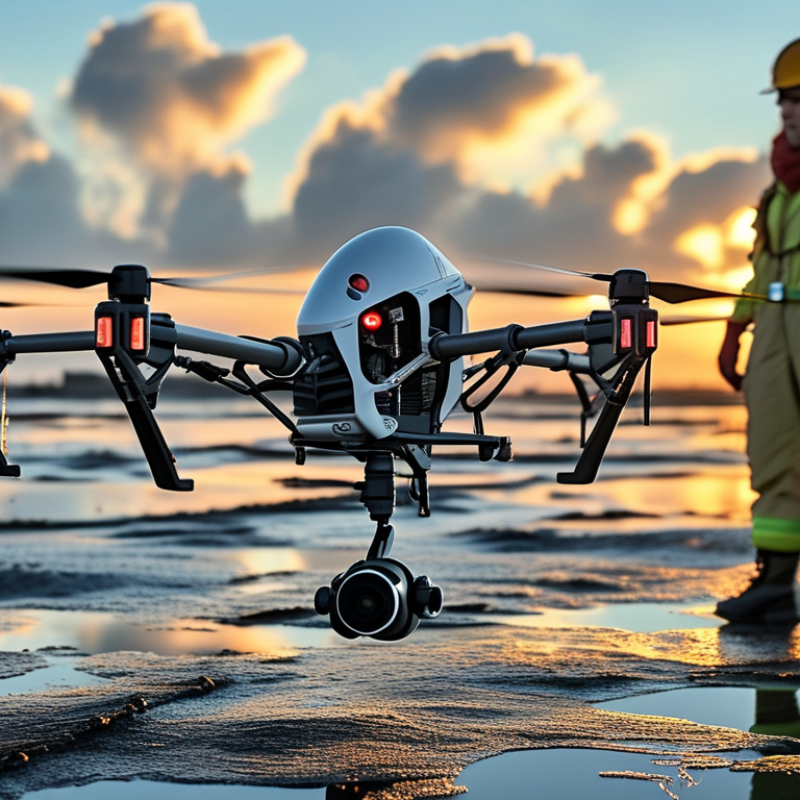
When selecting a drone for gas monitoring, several factors come into play. First, consider the drone's payload capacity. It needs to carry specific gas sensors without compromising flight stability. A lightweight design can enhance maneuverability but may limit sensor options.
Next, look into the drone's flight time. A longer battery life allows for extensive area coverage. This is essential for monitoring large industrial sites or remote locations. However, it’s crucial to assess battery performance under various conditions. Sometimes, the advertised flight time does not reflect real-world use.
User interface and software compatibility are also important. A drone that offers intuitive controls and robust data management can streamline the monitoring process. However, software can sometimes be complicated. Familiarizing yourself with it can take time.
Lastly, reliability under different weather conditions is critical. Drones performing in high winds or rain must be thoroughly tested. It’s wise to seek feedback from experienced users to ensure reliability in field conditions.
Drones equipped with gas monitoring systems rely on advanced sensor technologies. This is crucial for applications in environmental monitoring, industrial emissions control, and emergency response. The accuracy and reliability of these sensors can significantly impact data quality.
Common types of sensors include electrochemical sensors and photoionization detectors (PID). Electrochemical sensors are favored for their sensitivity to specific gases, like carbon monoxide and ammonia. According to a recent industry report, these sensors can detect gas concentrations as low as parts per billion. PIDs, on the other hand, provide real-time data on volatile organic compounds. This versatility makes them essential in hazardous environments.
Choosing the right sensor is crucial but not straightforward. Factors such as environmental conditions and the specific gases monitored play a vital role. Sensor drift and calibration issues are common challenges, potentially leading to data inaccuracies. Regular maintenance is necessary, yet often overlooked. Balancing sensor type with operational requirements demands careful consideration to ensure effective monitoring.
When selecting gas monitoring solutions for drones,
data accuracy and reliability are paramount. Monitoring gas emissions requires
precise readings. Inaccurate data can lead to severe environmental impacts.
Therefore, evaluating the technology behind the monitoring solution is essential.
Look for systems that use advanced sensors, as they tend to provide more reliable data.
Tips: Regularly calibrate your sensors to maintain accuracy. Also, verify data against reliable benchmarks for credibility.
Reliability in gas monitoring is influenced by several factors, including the drone's
ability to maintain a stable flight amidst environmental conditions. Battery life and
sensor range also play a critical role. It's important to consider how these elements
affect data reliability over time. A drone may perform well initially but struggle
in challenging conditions.
Tips: Conduct field tests to observe real-world performance. Keep detailed logs of your findings for future reference.
This reflection can help in adjusting strategies for better data collection.
When choosing gas monitoring drones, cost and performance often clash. A powerful drone may come with a hefty price tag. However, budget-friendly options can still offer essential features. It's crucial to assess your specific needs. For example, a drone with a high-resolution camera might excel in gas detection but could exceed your budget.
You might consider drones with interchangeable sensors. These can adapt to various monitoring needs without breaking the bank. Still, it's essential to weigh these benefits against the initial cost. Sometimes, a lower-cost drone might lack endurance or essential mapping features. Reflecting on these trade-offs can be enlightening.
Performance metrics matter too. Battery life, flight stability, and data accuracy should influence your decision. A drone that underperforms in flights can lead to wasted resources. Understanding trade-offs is key. Selecting the right drone requires thoughtful consideration of both financial constraints and operational effectiveness. Aim for a solution that meets your needs without compromising on quality.
| Feature | Budget Option | Mid-Range Option | High-End Option |
|---|---|---|---|
| Camera Quality | 720p HD | 1080p Full HD | 4K Ultra HD |
| Flight Time | 15 minutes | 25 minutes | 35 minutes |
| Sensor Accuracy | ±10% FS | ±5% FS | ±1% FS |
| Range of Detection | 200 meters | 500 meters | 1000 meters |
| Price | $500 | $1500 | $3000 |
When selecting gas monitoring drones, focus on regulatory compliance and safety standards. These factors are crucial in ensuring operational effectiveness. A trusted drone solution must adhere to industry regulations. Compliance helps avoid potential fines or project delays.
Tips: Always review the latest safety guidelines before deploying a drone. Regulations often change. Perform regular audits to ensure your operational practices align with current standards.
Safety standards for gas monitoring drones vary by region. Familiarize yourself with local laws. Various countries might impose different restrictions. Understanding these nuances is essential for safe drone operation. Inadequate knowledge can lead to serious consequences.
Tips: Invest time in training your team. Proper training on compliance can enhance safety. Create a checklist to ensure all safety protocols are followed. This will minimize risks during flights.
In conclusion, grounding your drone operation in compliance and safety is vital. The ever-evolving nature of regulations requires constant vigilance. Make the effort to stay informed and proactive.
: The drone must carry specific gas sensors without losing stability. Lightweight designs improve maneuverability but can limit sensor options.
Longer battery life allows extensive coverage of large sites. However, real-world performance may differ from advertised flight time.
Yes, intuitive controls and data management simplify monitoring. Yet, complex software can require time to learn and adapt to.
Electrochemical sensors and photoionization detectors (PID) are popular. They detect various gases and offer real-time data on compounds.
Sensor drift can lead to inaccuracies. Regular maintenance is crucial but often neglected, impacting data quality significantly.
Yes, balancing budget and performance is essential. Sometimes, budget options lack vital features that can affect monitoring efficacy.
Yes, interchangeable sensors cater to different monitoring needs. But weigh potential benefits against initial costs before deciding.
Yes, performance metrics like battery life and stability should influence decisions. Underperforming drones can waste resources and time.
Drones must perform in different environments. Feedback from experienced users can help ensure reliability in challenging field conditions.
Carefully consider sensor type and operational requirements, as balancing these factors is key to successful gas monitoring.
When selecting the best Drone Gas Monitoring solutions, it's crucial to consider several key factors. These include the types of sensors used, which play a significant role in detecting various gas emissions accurately. Additionally, evaluating the reliability and accuracy of the data provided by monitoring solutions can significantly impact operational effectiveness and safety. Cost and performance must also be balanced to ensure that the selected drone meets both budgetary constraints and required features.
Moreover, adherence to regulatory compliance and safety standards is essential when deploying drone gas monitoring systems. This not only ensures legal conformity but also enhances the overall safety of operations. By thoroughly assessing these aspects, users can make informed decisions that will optimize their drone gas monitoring capabilities while ensuring effective performance and safety in their operations.

Airppb