Choosing the right Dynamic Gas Distribution Device is crucial for various applications. According to industry expert Dr. Alice Chen, “The efficiency of gas distribution can significantly affect overall performance.” Her insight highlights the importance of this decision.
When selecting a Dynamic Gas Distribution Device, consider efficiency, reliability, and design. An efficient device optimizes gas flow, enhancing performance metrics. Reliability ensures minimal downtime, which is vital in industrial settings. Design aspects should include compatibility with existing systems.
Your choice might not always meet expectations. Sometimes, what seems ideal may fall short in real-world scenarios. Reflecting on user feedback is essential. All these factors intertwine, shaping your final decision.
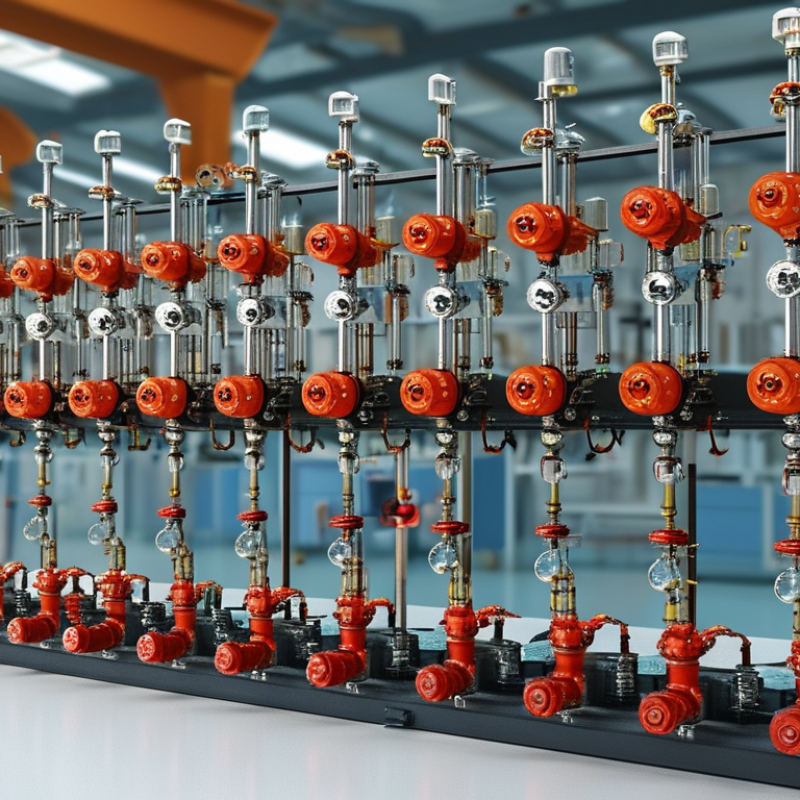
Dynamic gas distribution devices play a crucial role in various industries. These devices ensure that gases are distributed evenly and efficiently. Understanding how they function can help you choose the right one.
These devices often use a series of valves and flow regulators. They adapt to changes in pressure and volume, maintaining a consistent gas supply. Some devices have sensors that automatically adjust settings. This dynamic response can improve safety and efficiency. However, this complexity can lead to potential challenges. Regular maintenance is essential to avoid malfunctions.
Many operators may overlook the importance of this maintenance. If sensors fail, it can lead to uneven gas distribution. This impacts processes significantly, resulting in production losses. Always consider the reliability and accuracy of each device when making a choice. Understanding their features can guide your decision-making effectively.
Choosing the right dynamic gas distribution device is crucial for operational efficiency. Several key factors influence this decision. First, flow rate is essential. The device must meet the specific flow requirements of your application. According to industry reports, a mismatch can lead to significant energy losses, risking operational stability.
Another critical consideration is the material compatibility with the gases being distributed. Numerous studies highlight failures due to material degradation. For instance, corrosive gases can compromise equipment, resulting in costly downtime. Evaluating the device's resistance to specific gas properties ensures longevity and reliability.
Moreover, maintenance ease cannot be overlooked. Devices that require frequent servicing can disrupt operations. A survey indicated that 30% of companies faced unplanned outages due to device malfunctions. Assessing user reviews and expert analyses can provide insights into the reliability and maintenance requirements of different devices. Such research is essential for informed decision-making.
When evaluating dynamic gas distribution devices, performance metrics are key. These metrics can include pressure drop, flow rate efficiency, and response time. A report from the International Energy Agency indicates that optimal gas distribution systems can improve overall system efficiency by up to 25%. Lesser-performing devices may lead to excessive energy use and increased operational costs.
Understanding these metrics helps in selecting suitable equipment. Pressure drop affects energy loss during gas transport. A pressure drop of over 5% is often considered inefficient. Additionally, an ideal flow rate should match the application’s demands, ensuring minimized waste. Industry standards suggest testing flow rates under various conditions to guarantee reliability.
Another aspect to consider is the response time of the equipment. Variability can hinder performance in dynamic environments. Some reports suggest acceptable response times should be within 2 seconds for real-time applications. Devices exceeding this timeframe may not meet operational needs effectively, resulting in hesitation and delays in critical processes. Regular evaluations and comparisons with industry benchmarks are recommended to minimize risks.
When selecting a dynamic gas distribution device, it’s crucial to compare different types carefully. Each device plays a unique role in various applications, from manufacturing to laboratory settings. Recent industry reports indicate that the global dynamic gas distribution market is projected to grow by 6% annually. This growth highlights the expanding use of these devices across diverse sectors.
Different types of devices, such as flow controllers and diffusers, offer specific benefits. Flow controllers provide precise gas flow management, ideal for sensitive processes. In contrast, diffusers enhance gas mixing, crucial for efficient reactions. According to a study by the American Society of Mechanical Engineers, a 15% increase in efficiency can be achieved with proper device selection. However, choosing the right device can still be challenging. Users must consider factors like compatibility and operational conditions.
Some devices may require specialized maintenance, which adds complexity. Professionals in the field often note the importance of adaptability. Inadequate understanding can lead to operational failures. Often, companies may overlook this vital aspect, which results in inefficiencies. Therefore, a comprehensive understanding of these devices is essential to optimize performance and ensure reliability in gas distribution systems.
Choosing the best dynamic gas distribution device involves understanding maintenance and support needs. Regular upkeep is crucial to ensure efficiency. Reports indicate that a well-maintained system can save up to 30% on energy costs. This fact highlights the importance of investing in comprehensive maintenance plans.
Routine inspections are vital. They help identify wear and tear before it escalates into costly repairs. A study found that 60% of gas distribution failures stem from overlooked maintenance issues. This statistic underscores the need for proactive management.
Tips for maintenance: Schedule quarterly inspections. Monitor system performance metrics continuously. Use technology to detect leaks. Don't ignore minor issues; they can become major problems. Understanding maintenance intricacies adds a layer of reliability to your gas distribution system. Balancing cost with thorough service can lead to better decision-making.
| Dimension | Consideration | Importance Level | Maintenance Frequency |
|---|---|---|---|
| Device Efficiency | Assess energy consumption and output | High | Annually |
| Compatibility | Ensure compatibility with existing systems | Medium | Biannually |
| Monitoring Systems | Evaluate the effectiveness of monitoring tools | High | Quarterly |
| Technical Support | Availability of support services | Critical | As needed |
| Cost of Ownership | Assess total cost including maintenance | Medium | Every two years |
: Flow rate determines the device's efficiency in meeting application needs. A mismatch causes energy losses and can destabilize operations.
Material compatibility prevents degradation. Corrosive gases can damage equipment, leading to downtime and expensive repairs.
Devices needing frequent service may disrupt operations. Unplanned outages can occur due to malfunctions.
Key metrics include pressure drop, flow rate efficiency, and response time. These factors impact energy use and operational costs.
A pressure drop over 5% is inefficient. Maintaining lower levels improves energy transport efficiency.
Response time should ideally be within 2 seconds. Delays can hinder performance in dynamic operational settings.
User reviews and expert analyses provide insight into reliability and maintenance ease. Research is vital for making informed choices.
An underperforming device leads to excessive energy use and increased costs. Regular evaluations can prevent operational issues.
Industry standards guide testing flow rates and performance metrics, ensuring devices meet reliability and efficiency requirements.
Consider re-evaluating device specifications to align with operational needs. Inadequate performance can lead to costly inefficiencies.
Choosing the best Dynamic Gas Distribution Device involves understanding its functionality and assessing the critical factors that influence selection. The key considerations include the device’s compatibility with specific gas types, flow rates, and operational efficiency. Additionally, evaluating performance metrics is essential to ensure reliable and effective gas distribution while comparing different types of devices can help identify the most suitable option for a given application.
Furthermore, maintenance and support considerations should not be overlooked, as they play a vital role in the longevity and performance of gas distribution systems. A well-maintained Dynamic Gas Distribution Device ensures optimal performance, reduces downtime, and enhances safety in gas handling operations. By focusing on these aspects, users can make informed decisions that align with their operational requirements.

Airppb