How to Choose the Best Hazardous Gas Telemeter for Safety?

Time:2026-08-20 Author:Sienna
0%

Selecting the right hazardous gas telemeter is crucial for safety in various environments. These devices help detect harmful gases and protect workers. With numerous models on the market, making the best choice can feel overwhelming.

Understanding your specific needs is essential. Consider the types of gases present in your workplace and the conditions. Features like sensitivity, durability, and ease of use matter significantly. Reliable data from a trusted hazardous gas telemeter can prevent serious accidents.

Keep in mind that not all telemeters are created equal. Some might not provide accurate readings or could fail under harsh conditions. It’s vital to research brands and read reviews. A reliable telemeter can be a game-changer for safety, but it requires due diligence to find the right fit for your situation.
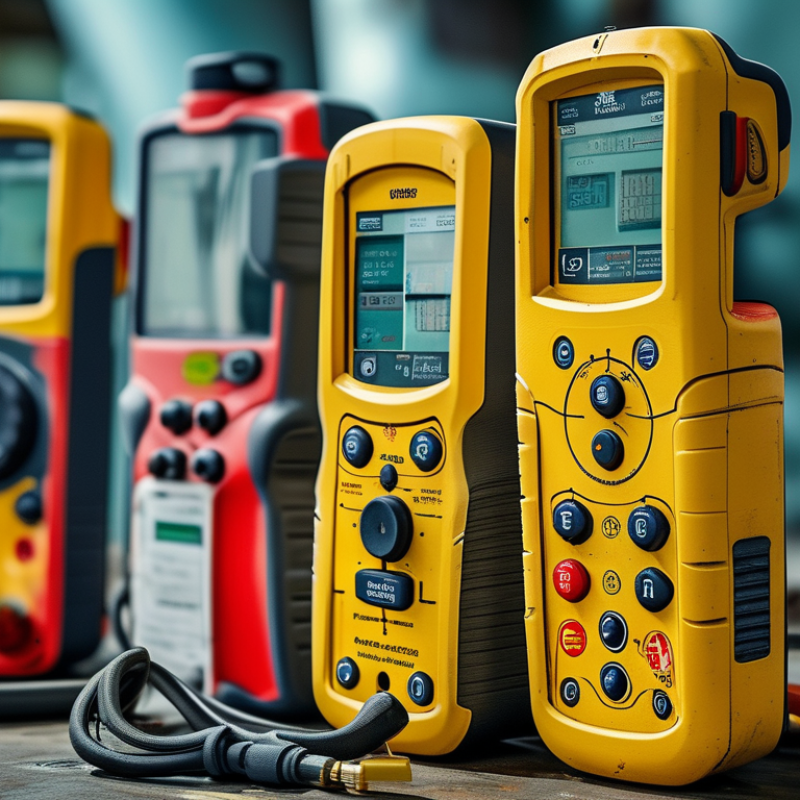
How to Choose the Best Hazardous Gas Telemeter for Safety?

Understanding Hazardous Gas Telemeters and Their Importance in Safety

Hazardous gas telemeters play a crucial role in ensuring safety across various industries. These devices detect harmful gases in the environment, providing vital real-time data. Their importance cannot be overstated. Proper functioning of these tools can mean the difference between safety and disaster. Reliable readings help prevent accidents and protect workers from exposure.

Understanding how these telemeters work is essential. They use sensors to monitor gas levels continuously. Information is displayed instantaneously, allowing for quick responses. The choice of telemeter can be overwhelming, given the various technologies available. It is vital to consider accuracy and response time in selection. Moreover, low maintenance requirements are also significant for everyday use.

Many users overlook calibration needs. Regular checks ensure that these devices remain functional. Failing to do so can lead to false readings and dangerous situations. It is not uncommon to rely on technology blindly. Therefore, ongoing training and knowledge updates are necessary for all personnel involved. Balancing technological dependence and human oversight is a critical reflection point in safety practices.

Factors to Consider When Selecting a Hazardous Gas Telemeter

When selecting a hazardous gas telemeter, understanding the key factors is crucial for safety. Sensitivity is one of the most significant elements. High sensitivity ensures the device can detect low concentrations of toxic gases. Research indicates that devices with a sensitivity of 0.1 ppm or better are preferred in industrial environments.

Another factor to consider is the operating range. Many telemeters have specific detection ranges for various gases. For instance, methane detection may require a range of 0-100% LEL, while carbon monoxide usually operates within 0-1000 ppm. Knowing these details can prevent underestimating potential hazards.

Durability is equally important. Equipment exposed to harsh conditions must meet stringent IP ratings. A device with a rating of IP67 guarantees protection against dust and can withstand immersion in water. Additionally, regular calibration is crucial. Inconsistent readings can arise if maintenance is neglected. Studies show that 25% of gas detection failures stem from poorly maintained equipment. A systematic approach to maintenance ensures reliability in critical situations.

Types of Hazardous Gas Telemeters Available in the Market

When it comes to ensuring safety in environments with hazardous gases, having the right telemeter is crucial. Several types of hazardous gas telemeters are available in the market. Understanding these options helps in making an informed choice.

Portable gas detectors are widely used. They are easy to carry and provide real-time readings. These devices alert users to gas concentrations, helping to prevent harmful exposure. Fixed gas detectors, on the other hand, are installed in specific locations. They continuously monitor the air and send alerts if gas levels rise.

Multi-gas detectors offer versatility. They can sense various gases at once. This flexibility is useful in complex environments where multiple hazards may exist. Each type of telemeter has its strengths and weaknesses. Evaluating the specific needs of your environment is essential. Such an approach ensures that the chosen device will effectively protect against potential gas-related incidents.

How to Choose the Best Hazardous Gas Telemeter for Safety? - Types of Hazardous Gas Telemeters Available in the Market

Type of Telemeter Sensitivity Response Time Detection Range Features
Electrochemical Telemeter High sensitivity (ppm level) Within 10 seconds 0-1000 ppm Real-time data logging, Alarm system
Infrared Telemeter Moderate sensitivity (0.1% vol) Within 15 seconds 0-5% vol Non-dispersive, Long-term stability
PID (Photoionization Detector) Telemeter Very high sensitivity (ppb level) Instantaneous 0-2000 ppm Volatile Organic Compounds (VOCs) detection
Metal-Oxide Semiconductors Telemeter Moderate sensitivity Within 30 seconds 0-1000 ppm Low power consumption, compact size

Key Features of a Reliable Hazardous Gas Telemeter

When selecting a hazardous gas telemeter, understanding key features is crucial. Reliable telemeters effectively detect various gases, ensuring workplace safety. Accuracy in detection is paramount; reports indicate that over 30% of gas exposure incidents result from equipment malfunction. Regular calibration enhances precision, while user-friendly interfaces allow quick readings, essential in emergencies.

Durability is another critical aspect. Many devices experience wear and tear in harsh environments, leading to potential failures. Research shows that telemeters in chemical plants often endure extreme conditions, yet less than 20% are rated for long-term use. Integration with alarm systems adds a layer of safety, immediately alerting workers to potential hazards. This feature can significantly reduce response times during incidents.

Battery life plays a vital role in operational efficiency. Many telemeters can run for 8 to 12 hours on a single charge. Users should also consider portability, as lightweight models encourage frequent monitoring. While advanced features are valuable, simplicity often fosters better usage. It’s necessary to reflect on what balance suits specific workplace needs. This reflection can lead to meaningful choices and improved safety outcomes.

Gas Detection Levels by Type (PPM)

Best Practices for Maintaining and Calibrating Telemeter Devices

Maintaining and calibrating hazardous gas telemeter devices is crucial for safety. Regular maintenance ensures that the telemeter performs accurately, providing reliable data that can save lives. According to a recent industry report, nearly 25% of gas detection failures are due to improper calibration. Hence, a systematic approach to calibration is necessary.

Calibration must be performed at specific intervals, ideally recommended by the manufacturer. However, factors like environmental conditions can impact the frequency. For example, in highly volatile areas, checking calibration every month may be essential. The calibration process should involve zeroing the instrument and checking against known gas concentrations. Failing to perform these checks can lead to false readings.

Additionally, maintaining these devices involves regular inspections. Look for wear and tear. About 30% of telemeter units experience hardware malfunctions that could easily be avoided with proper checks. Bring in a certified professional for annual inspections. This extra attention can prevent serious accidents. Regular training for staff on device operations is also necessary. Untrained personnel may not identify issues, increasing risks.

FAQS

: What do hazardous gas telemeters do?

: These devices detect harmful gases in the environment. They provide real-time data for safety.

Why is calibration important for telemeters?

Calibration ensures accurate readings. It helps prevent false alarms and dangerous situations.

How often should telemeters be calibrated?

Calibration frequency depends on usage and conditions. Monthly checks may be necessary in volatile areas.

What factors affect the selection of a telemeter?

Key factors include sensitivity, operating range, and durability. High sensitivity is essential for safety.

What is a significant cause of gas detection failures?

About 25% of failures result from improper calibration or neglecting maintenance.

How can one maintain hazardous gas telemeters?

Regular inspections and checks for wear are crucial. Certified professionals can assist with annual maintenance.

What happens if a telemeter is not properly maintained?

Inconsistent readings can occur, increasing safety risks. About 30% of units experience avoidable malfunctions.

Why is staff training necessary for telemeter use?

Untrained personnel may overlook issues. Ongoing training helps in identifying and mitigating risks effectively.

What is the impact of environmental conditions on telemeter function?

Harsh conditions can affect performance. Regular maintenance is essential to ensure reliability.

Are there risks in relying solely on technological devices?

Yes, blind reliance can be dangerous. Human oversight is critical in conjunction with technology.

Conclusion

When selecting the best hazardous gas telemeter for safety, it is crucial to understand the importance of these devices in preventing potential dangers from toxic gases. A hazardous gas telemeter provides real-time monitoring, ensuring a safe environment in workplaces where harmful gases may be present. Key factors to consider include the specific gases being monitored, the operating conditions, and the telemeter's detection range.

Moreover, understanding the various types of hazardous gas telemeters available in the market can help in making an informed decision. It's essential to focus on key features such as accuracy, ease of use, and durability. Additionally, following best practices for maintaining and calibrating telemeter devices will ensure their reliability and effectiveness over time, thereby enhancing overall safety in hazardous environments.


Sienna

Sienna

Sienna is a skilled marketing professional with a deep expertise in our company’s core products and services. With a passion for innovation and detail, she plays a pivotal role in crafting insightful blog posts that not only highlight the unique features of our offerings but also provide valuable......