Choosing the best air detection drone can be challenging. With many options available, it's crucial to find the right fit for your specific needs. John Smith, a leading expert in aerial technology, once stated, "Selecting the right drone requires understanding your objectives and the environment." This insight can guide potential buyers.
Air detection drones play a vital role in various industries. They can locate hazards, monitor air quality, and support emergency response teams. Each feature impacts how effectively a drone meets its intended purpose. For instance, battery life, camera quality, and sensor capabilities are paramount. These factors influence performance, especially in complex environments.
However, it's essential to reflect on mistakes in the selection process. Overlooking specific features or assuming one model suits all can lead to setbacks. Understanding personal requirements and doing thorough research is necessary. A mismatch can hinder operations, making it vital to prioritize informed choices in air detection drones.
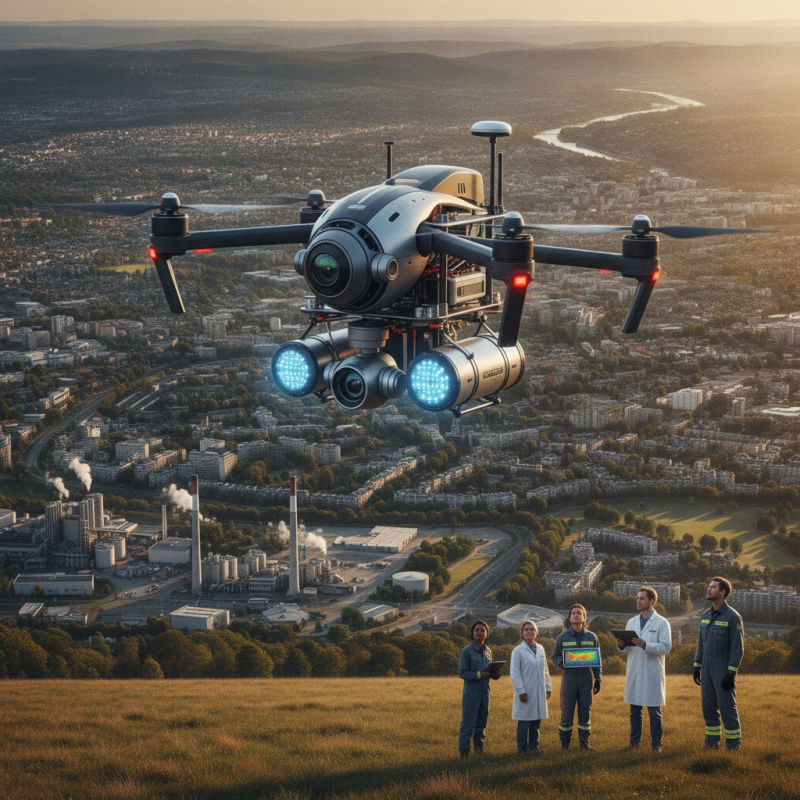
Air detection drones play a vital role in various industries. They provide critical data for monitoring air quality. These drones can cover large areas quickly. Equipped with advanced sensors, they detect pollutants and hazardous materials. Their ability to operate in hard-to-reach areas makes them invaluable.
Understanding how air detection drones work is essential. They capture real-time air quality data. This information is crucial for assessments and regulatory compliance. Professionals in environmental monitoring often rely on drones for accurate data. However, not every drone is suitable for every situation. Users should evaluate specific features like flight time and sensor types. Each application requires different capabilities.
Reflecting on user needs is important. Consider the particular environment where the drone will be used. Some areas may pose obstacles or require specialized equipment. A drone that excels in urban settings might struggle in rural locations. Taking time to analyze your requirements can lead to better results. This emphasizes the point that selecting the right drone is more than just a technical choice; it is about understanding specific needs.
This chart illustrates key specifications of air detection drones that can help you understand their capabilities. It compares flight time, range, camera resolution, and price to aid in selecting the best drone for your needs.
When selecting the best air detection drone, key features are crucial. Battery life is one aspect to consider. A drone with longer flight times allows for extended surveillance. Most models today offer a flight duration of around 20 to 30 minutes, which may not be sufficient for larger areas. Understanding your surveillance range helps in this selection.
Camera quality plays a significant role. High-resolution cameras provide clearer visuals, essential for identifying objects from a distance. A drone equipped with a 4K camera can capture fine details. This can be vital for professionals needing precise data. However, it’s worth noting that higher resolution often means a heavier payload, which may affect battery life.
Lastly, ease of use is important. User-friendly interfaces and automated flight features can help novices achieve effective monitoring. A report from the Association for Unmanned Vehicle Systems International shows that 70% of operators prefer drones with intuitive controls. This preference underscores the need for accessibility in complex tasks. Balancing these features ensures that you meet your specific operational needs.
When selecting an aerial detection drone, it's vital to consider the type that best fits your needs. Some drones excel in thermal imaging. These are ideal for search-and-rescue missions, helping locate individuals in dense forests. Others focus on visual processing, perfect for agricultural monitoring. They can easily detect crop health and irrigation issues.
The weight and flight time of drones also matter. A lightweight drone offers portability. However, it often sacrifices battery life. Conversely, larger models can stay airborne longer. But they may require more transportation effort. This can be a dilemma for those who need mobility and flight endurance.
Assessing user reviews can provide insights into performance and reliability. Yet, beware of overly positive feedback; it may not reflect actual experiences. Real-world testing is crucial. Understanding your specific requirements will guide your choice. Balancing features with personal needs is essential in this selection process.
| Drone Type | Max Flight Range | Payload Capacity | Camera Quality | Battery Life | Price Range |
|---|---|---|---|---|---|
| Quadcopter | 1.5 km | 0.5 kg | 1080p | 20 min | $500 - $800 |
| Fixed-Wing | 10 km | 2 kg | 4K | 60 min | $2000 - $4000 |
| Hybrid | 5 km | 1 kg | 1080p | 30 min | $1000 - $2500 |
| Rugged Drone | 3 km | 1.5 kg | 720p | 25 min | $600 - $1200 |
When considering air detection drones, budget and cost-effectiveness are crucial. Prices can vary significantly, from entry-level models to advanced commercial options. A clear understanding of your budget helps narrow down choices. Think about what features matter most for your purposes. It’s wise to prioritize essential functions like flight time and sensor quality over flashy extras.
Tips: Research online reviews and user experiences. They provide invaluable insights into a drone's performance relative to its cost. Look for units that offer good warranty policies. This reflects the manufacturer's confidence in their product, promising long-term reliability.
Remember that maintenance costs can add up. Consider the price of replacement parts and battery life. Some drones require more frequent repairs than others. Reflecting on long-term ownership can save money. Analyze what you really need. Sometimes, the most expensive option isn’t the best. Finding a balance between quality and affordability is key.
When selecting an air detection drone, researching brand reputation is essential. Start by exploring various manufacturers online. Look for expert reviews that highlight their strengths. Seek opinions from users who have real-life experience with these drones. It helps to check forums and social media for candid feedback. This platform often reveals potential issues not addressed in official reviews.
Customer reviews provide another perspective. They can often pinpoint specific features that meet or fail expectations. Positive reviews can indicate reliability, while negative feedback can alert buyers to common problems. Pay attention to recurring themes, like battery life or ease of use. Sometimes, a pattern in reviews signals areas needing improvement or focus, giving vital insights into a drone’s overall performance.
Be wary of overly positive reviews without detail. They may lack authenticity. Conversely, constructive criticism should not discourage you, as it offers valuable insights. Overall, the process of gathering information is as important as the drone itself. Diligently sifting through available data hones your decision-making skills, guiding you toward a drone that aligns with your specific needs.
: Look for longer flight times for better surveillance. Aim for drones with 20 to 30 minutes of flight duration.
High-resolution cameras offer clearer images. Drones with 4K cameras capture fine details for precise identification.
Higher resolution can mean increased weight. This added weight may affect battery life and flight duration.
User-friendly interfaces help novices operate drones. Automated flight features simplify complex tasks significantly.
Some drones excel in thermal imaging, suitable for search missions. Others focus on visual processing for agricultural tasks.
Lightweight drones are portable but can have shorter battery life. Heavier drones may fly longer but are harder to transport.
Be cautious with overly positive feedback. Real-world testing is crucial for understanding drone performance and reliability.
Assess your specific requirements. Consider trade-offs such as battery life, weight, and camera quality for optimal choice.
Choosing the best air detection drone involves understanding its significance and the key features that meet your specific needs. Air detection drones play a crucial role in various applications, from environmental monitoring to search and rescue operations. When selecting a drone, it's essential to consider features such as flight time, sensor quality, and ease of use to ensure it fits your requirements.
Additionally, evaluating the different types of air detection drones available on the market can help you determine the best match for your intended use. It's also important to assess your budget and aim for cost-effectiveness without compromising on quality. Finally, researching brand reputation and customer reviews can provide valuable insights into the performance and reliability of air detection drones, ensuring you make an informed decision.

Airppb