How to Choose the Best Boiler Tail Gas Analyzer for Your Needs?

Time:2026-07-11 Author:Amelia
0%

Choosing the right Boiler Tail Gas Analyzer is crucial for efficient operation. These instruments measure emissions from boilers, ensuring compliance with environmental standards. However, selecting one requires careful consideration of specific needs.

Understand the features that matter. Accuracy and reliability are essential. Many analyzers offer different measuring capabilities. However, not all models perform equally well under various conditions. Researching user reviews can provide insight into real-world performance. Additionally, consider the ease of use. A user-friendly interface can save time and reduce the chance of errors.

Don't overlook after-sales support. A reputable provider will offer training and assistance when needed. Assess your budget, but remember that cheaper options may compromise quality. Striking a balance between cost and performance is key. Ultimately, investing in a reliable Boiler Tail Gas Analyzer can enhance your operations and ensure regulatory compliance.
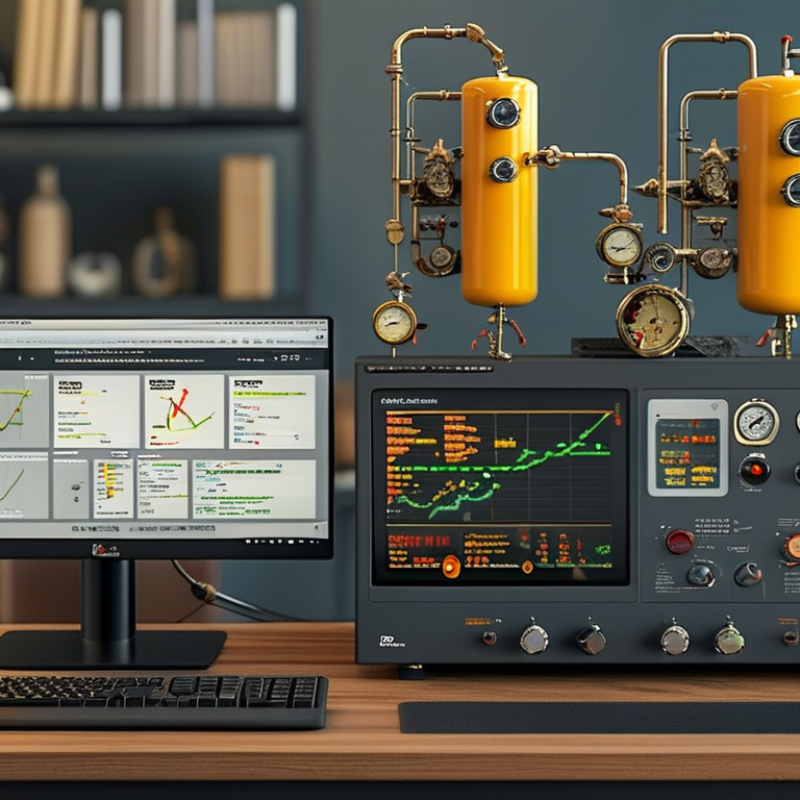
How to Choose the Best Boiler Tail Gas Analyzer for Your Needs?

Understanding Boiler Tail Gas Analyzers and Their Functions

Boiler tail gas analyzers play a crucial role in monitoring emissions. They measure gases like CO2, NOx, and SOx, which are vital for compliance with environmental regulations. According to the U.S. Environmental Protection Agency, improper emissions can lead to severe penalties. Thus, having an accurate analyzer is essential for performance and compliance.

When choosing a gas analyzer, consider the measurement range and sensitivity. Different industries may require different specifications. A report from the International Energy Agency indicates that approximately 62% of energy-related CO2 emissions come from the power sector alone. Investing in a reliable analyzer can enhance operational efficiency and reduce environmental impact.

Tips: Look for analyzers with easy calibration features. Calibration can often be neglected, leading to inaccurate data. Regular maintenance is key. Ensure that your selected analyzer has a robust warranty and support from manufacturers. Don't overlook the user interface; a simpler display can ease daily operations. Remember, no analyzer is infallible; periodic checks are essential for optimal performance.

Key Features to Consider When Selecting a Boiler Tail Gas Analyzer

Choosing the right boiler tail gas analyzer requires careful consideration of several key features. Firstly, accuracy is paramount. You need a device that can provide precise measurements of gas concentrations. Look for analyzers with high sensitivity and low detection limits. This ensures that even small changes in gas composition will be detected.

Durability is another essential factor. Analyzers need to withstand the harsh environment of a boiler room. High temperatures and corrosive gases can reduce equipment life. Opt for models designed with robust materials and protective casings.

Tips: Always check the calibration frequency. Some analyzers require regular calibration to maintain accuracy. Explore models that offer digital calibration for easier maintenance.

Consider connectivity options as well. Modern analyzers often integrate with digital systems, providing real-time data analysis. This can enhance decision-making processes. However, ensure that you understand the software capabilities. Sometimes, advanced features can complicate simple tasks.

Evaluate the user interface as well. A complicated interface can lead to mistakes during operation. Look for an analyzer that balances functionality with ease of use. After all, clarity is crucial in high-pressure environments.

Boiler Tail Gas Analyzer Key Features Comparison

Comparative Analysis of Different Types of Gas Analyzers

When selecting a boiler tail gas analyzer, understanding the types available is crucial. Gas analyzers vary in design and functionality. Basic analyzers measure basic gas concentrations, while advanced models can identify specific compounds, like NOx or CO2. This differentiation greatly affects the measurement accuracy and operational efficiency of a boiler system.

Each type of gas analyzer has its unique set of features. For instance, solid-state analyzers offer portability and quick response times. They are great for field testing, yet may lack the sensitivity of more advanced options. On the other hand, optical analyzers provide superior accuracy and are better suited for continuous monitoring. However, they often come with a higher cost and complexity. Choosing the right analyzer requires careful consideration of operational needs and budget constraints.

It's essential to reflect on the environment where the analyzer will be used. High humidity or dust can impact performance. Each type also comes with maintenance demands; some require frequent calibration. Evaluating these aspects ensures the chosen analyzer aligns with your operational expectations, enhancing overall boiler performance.

Evaluating Accuracy and Reliability in Gas Analysis

When selecting a boiler tail gas analyzer, accuracy and reliability should be your top priorities. Accuracy ensures that the gas readings reflect true values, while reliability guarantees consistent performance over time. Look for models that feature advanced sensor technology. This can significantly improve precision in gas detection. Additionally, ensure that the analyzer can adapt to varying conditions. Extremes in temperature or pressure can impact gas readings.

Consulting with experienced professionals can provide valuable insights. They can share firsthand knowledge about the performance of different models in practical applications. Venturing into user reviews can also shed light on real-world experiences. Some analyzers may seem accurate in controlled tests but falter in dynamic environments. This discrepancy could affect operational safety and compliance.

Consider the device's calibration process. Regular calibration is essential for sustained accuracy. If the process seems complex, it might be a red flag. Think through your needs critically. A device that ranks high in specs doesn't always translate to the best choice. Reflect on the specific gases you need to measure and the conditions of your operations. Balancing technical capabilities with practical usage is key.

Budgeting and Cost Considerations for Your Analyzer Purchase

When selecting a boiler tail gas analyzer, budgeting plays a crucial role. Costs can vary widely based on features, accuracy, and brand. Understanding your budget will help narrow down options. A quality analyzer may require a larger initial investment, but the long-term savings are worth considering.

In creating a budget, factor in not only the upfront cost but also maintenance and calibration. Some models have higher ongoing costs. Research what ongoing service you might need. This can make a significant difference in your total expenditure. You may find that some cheaper models save you money initially but could lead to higher costs over time.

Tips for budgeting wisely include seeking clear specifications. Know what features matter for your usage. It's also helpful to compare multiple products side by side. Reading customer reviews provides insights into performance and reliability. Don't hesitate to ask for recommendations from trusted industry experts. Balancing cost with performance is vital to ensure a good investment.

FAQS

: What is the primary function of boiler tail gas analyzers?

: They monitor emissions like CO2, NOx, and SOx for compliance with regulations.

Why is calibration important for gas analyzers?

Neglecting calibration can lead to inaccurate data, affecting performance and compliance.

What should I consider when choosing a gas analyzer?

Look at measurement range, sensitivity, maintenance needs, and user interface.

How do different gas analyzers vary?

Analyzers differ in design; some measure basic concentrations, while others detect specific compounds.

What environmental factors can affect analyzer performance?

High humidity and dust can significantly impact the accuracy of gas measurements.

Why is accuracy critical for gas analyzers?

Accurate readings ensure safety and compliance; they must reflect true gas values.

Can all gas analyzers handle extreme conditions?

Not all; select a model that can adapt to varying temperatures and pressures.

How can I get insights on gas analyzer performance?

Consult professionals or read user reviews for real-world experiences with tools.

What might be a red flag when assessing calibration processes?

If calibration seems overly complex, it could indicate potential reliability issues.

Is a high-spec analyzer always the best choice?

Not necessarily; consider specific needs and operational conditions over technical features.

Conclusion

When selecting a Boiler Tail Gas Analyzer, it is essential to understand the analyzers’ functions and the key features that best meet your operational needs. Analyzers vary in their specifications, which can include measurement accuracy, response time, and ease of use. It is crucial to perform a comparative analysis of different types of gas analyzers to determine the most suitable option for your requirements.

Accuracy and reliability in gas analysis are paramount, as they directly affect operational efficiency and compliance with environmental regulations. Additionally, budgeting considerations should factor into the decision-making process, including the initial purchase cost and any ongoing maintenance expenses. By carefully evaluating these aspects, you can ensure that you choose the best Boiler Tail Gas Analyzer that aligns with your needs and budget.


Amelia

Amelia

Amelia is a seasoned marketing professional with a wealth of expertise in our company’s core offerings. With an unwavering passion for driving growth and innovation, she plays a pivotal role in shaping our marketing strategies and enhancing brand visibility. A key aspect of her responsibilities......