Choosing the right Dynamic Gas Dilution System (DGDS) is crucial for accurate gas analysis. The market for gas dilution systems is growing rapidly, with reports estimating a CAGR of 6.5% from 2021 to 2026. This growth highlights the increasing reliance on precise measurements in industrial applications. Properly selected systems enhance compliance with safety regulations and improve operational efficiency.
When selecting a DGDS, consider key factors such as measurement range, precision, and user interface. Many users overlook these aspects, leading to suboptimal performance. A reliable system should not only meet regulatory standards but also adapt to specific needs. Technical expertise in understanding system specifications is essential for making informed choices.
Moreover, it's vital to assess manufacturer credibility. Reputable brands often provide robust customer support and up-to-date technology. However, the market is filled with less reliable options. Researching customer reviews and industry testimonials can assist in identifying the best fit for individual requirements. A well-chosen Dynamic Gas Dilution System can significantly impact accuracy and efficiency in gas measurement tasks.
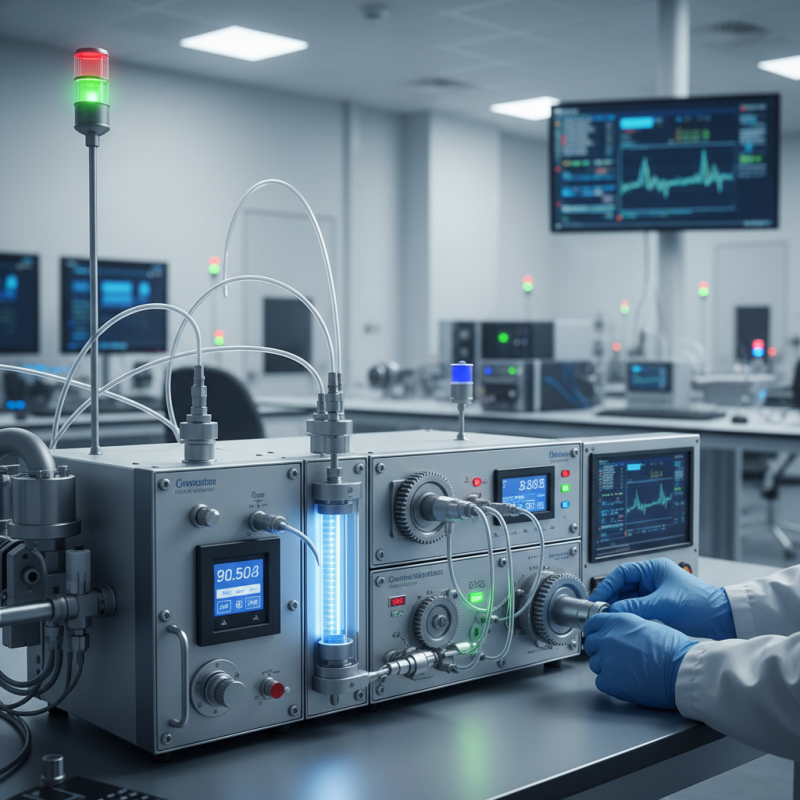
Dynamic gas dilution systems play a crucial role in various applications. They are used in environmental monitoring, industrial processes, and laboratory settings. These systems help maintain consistent gas concentrations for accurate analysis. By accurately diluting gases, they enable researchers and engineers to obtain reliable data.
Understanding how these systems work is essential. Dynamic gas dilution systems mix a sample gas with a carrier gas, usually air or nitrogen. This process requires precision to ensure that the diluted gas reaches the desired concentration. Factors like flow rates, temperature, and pressure affect the outcome. It’s important to consider these parameters to avoid errors.
Selecting the right dynamic gas dilution system can be challenging. There are many options available, each with different capabilities. Assessing your specific needs is vital. Consider the types of gases involved and desired concentrations. Inaccuracies in selection can lead to inconsistent results. Always seek expert advice to navigate these complexities.
When choosing a dynamic gas dilution system, understanding key factors is essential. For instance, the intended application shapes your needs significantly. Consider the concentration range you require. A well-defined range ensures accuracy in results. Another factor is the flow rate. Systems vary in their capabilities, which directly impacts your experiments.
Precision is vital. Look for systems that offer reliable calibration methods. Calibration affects measurement integrity. Think about the user interface as well. A complex system may lead to errors, especially for less experienced operators. It's crucial to find a balance between sophisticated features and user-friendliness.
Maintenance requirements also matter. Some systems demand more frequent upkeep, which can be a burden. Evaluate initial costs against long-term value. While a cheaper option might seem appealing, it can result in greater expenses later. Reflecting on these dimensions can guide you to make an informed choice tailored to your specific needs.
| Factor | Description | Importance Level |
|---|---|---|
| Gas Type | Consider the specific gases you will be diluting, as compatibility is crucial. | High |
| Flow Rate | Determine the required flow rate for your application to ensure accurate results. | Medium |
| Calibration | The ease and frequency of calibration impact the reliability of measurements. | High |
| User Interface | A user-friendly interface can enhance operational efficiency and reduce errors. | Medium |
| Portability | Consider if you need a portable system for field measurements. | Low |
| Maintenance | Assess the maintenance requirements and associated costs. | Medium |
| Budget | Establish a budget to find a system that fits your financial constraints. | High |
Evaluating the performance and accuracy of gas dilution systems is crucial for effective gas analysis. A reliable system should deliver consistent and precise results across varying conditions. Industry reports suggest that variations in gas composition can lead to discrepancies of up to 15% in measurement accuracy when using subpar systems. This indicates the importance of selecting a high-quality gas dilution system.
One key aspect is the calibration protocol employed. Regular calibration ensures measurements remain within acceptable limits. Studies show that systems calibrated every 30 days maintain a 95% accuracy threshold. In contrast, those calibrated less frequently can see significant performance drops. Similarly, temperature and pressure fluctuations can affect system efficiency. Data reveals that a variation of just 5°C can alter a gas’s dilution factor by 5% or more.
Another factor to consider is the user interface. A complex interface may hinder quick adjustments and proper operation. Users often report frustration with systems that lack intuitive controls, affecting laboratory productivity. Additionally, the ability to integrate with existing analytical tools can streamline workflows. Advanced systems can boost efficiency, yet they require thorough evaluation to ensure compatibility with existing setups. These details make a substantial difference in overall performance.
When selecting a dynamic gas dilution system, brand and model choices can be overwhelming. Consider critical features like measurement accuracy, flow rates, and ease of use. Some systems excel in precision but may have complexity that can overwhelm new users. Others prioritize user-friendly interfaces but sacrifice some technical capabilities. It's essential to balance these factors based on your specific requirements.
Tips: Always check for updates. Manual reviews and online user feedback offer valuable insights. Look for systems with robust warranties and reliable customer support. A good reputation can be a sign of long-term reliability.
Another consideration is the range of gases the system can handle. Some models focus on select gases, while others offer broader flexibility. This aspect is vital for laboratories that require versatility. Ensure that the design suits various applications without compromising the quality of dilution. Failure to assess complexity versus capability may lead to poor choices.
Tips: Test systems before commitment. Hands-on experience reveals usability strengths and weaknesses. Pay attention to the adjustment mechanisms and calibration processes. User training can also make a difference in performance.
When considering a gas dilution system, it's crucial to analyze costs thoroughly. A study by the Global Gas Analysis Market indicates that dynamic gas dilution systems can range from $5,000 to over $30,000, depending on their capabilities and specifications. This price variation is normally tied to factors like gas types, flow rates, and advanced features. Knowing your needs can help tailor your budgeting effectively.
Tips for budgeting include assessing your gas dilution requirements early on. Don't guess the flow rates you need; conducting a needs assessment is vital. Some systems may provide unnecessary features that inflate costs. The initial investment might seem high, but consider long-term savings. Maintenance and operational costs are often overlooked but can impact your budget significantly. Regular upkeep can lead to better performance and lower operational costs.
In the gas analysis industry, aligning your budget with actual needs is essential. Industry reports suggest that improper budgeting may lead to overspending by nearly 30%. Reflect on your requirements and seek quotations. Comparing offers can provide insight into what's essential for your application. This approach can lead to smart decisions without overspending.
: They are used in environmental monitoring and industrial processes. They help maintain consistent gas concentrations for accurate analysis.
They mix a sample gas with a carrier gas. Precision in flow rates and conditions is essential to reach desired concentrations.
Flow rates, temperature, and pressure can impact accuracy. Even a small temperature change can significantly alter results.
Regular calibration ensures consistent and precise measurements. Systems calibrated every 30 days maintain higher accuracy levels.
Assess your specific needs, such as gas types and concentrations. Expert advice can help avoid inaccuracies in selection.
Conduct a needs assessment early on. Compare features carefully to avoid unnecessary costs that inflate your budget.
Maintenance and operational costs can significantly affect your budget. Regular upkeep may lead to better performance.
A complex interface may hinder quick adjustments. Intuitive controls can enhance productivity in laboratory settings.
Overspending by nearly 30% can occur with improper budgeting. Reflecting on your requirements is essential for effective planning.
Yes, advanced systems can streamline workflows. However, ensure compatibility with your current setup to avoid complications.
When selecting the best Dynamic Gas Dilution System for your needs, it is crucial to understand its fundamental principles and applications. These systems are essential in accurately diluting gas samples for various analytical purposes. Key factors to consider include the system's accuracy, response time, and compatibility with your specific application. Evaluating performance metrics and conducting a cost analysis will help you budget effectively for your purchase.
In addition to performance, comparing different brands and models can provide insights into the reliability and features of various Dynamic Gas Dilution Systems. Focus on systems that not only meet your technical requirements but also offer a balance between cost and functionality. By doing thorough research and considering all aspects, you can ensure that you choose a system that aligns perfectly with your operational needs.

Airppb