Choosing a Chemical Poison Detector is a safety decision, not merely a purchasing decision. A device may display a precise number and still fail in humid, dusty, or oxygen-deficient conditions. Near a storage room, for example, a worker may see a normal reading while a heavier vapor settles near the floor. That detail matters.
The United Nations Environment Programme reported in Global Chemicals Outlook II that global chemical production could nearly triple between 2017 and 2050. This growth increases the need for dependable workplace monitoring and competent risk assessment. The International Labour Organization estimated 2.93 million work-related deaths annually in its 2023 report, although not all involved chemical exposure. The figure still shows why prevention requires more than paperwork. It requires usable equipment.
A reliable Chemical Poison Detector should match the target substance, expected concentration, sampling location, and response time. NIOSH Pocket Guide exposure limits can help define suitable detection ranges, while OSHA requirements provide important workplace reference points. Buyers should also examine sensor type, cross-sensitivity, alarm visibility, battery endurance, ingress protection, calibration support, and data recording. NIOSH emphasizes that Immediately Dangerous to Life or Health values are substance-specific, not universal emergency thresholds. That distinction is easy to miss.
Certification helps, but it does not replace field validation. A detector calibrated indoors may respond differently beside a vibrating pump or an open process line. Some specifications look impressive. They may not predict real performance. Therefore, selection should combine manufacturer evidence, independent testing, maintenance records, and trained user feedback. The best choice is not always the most expensive model. It is the one that provides credible warnings under the conditions people actually face.
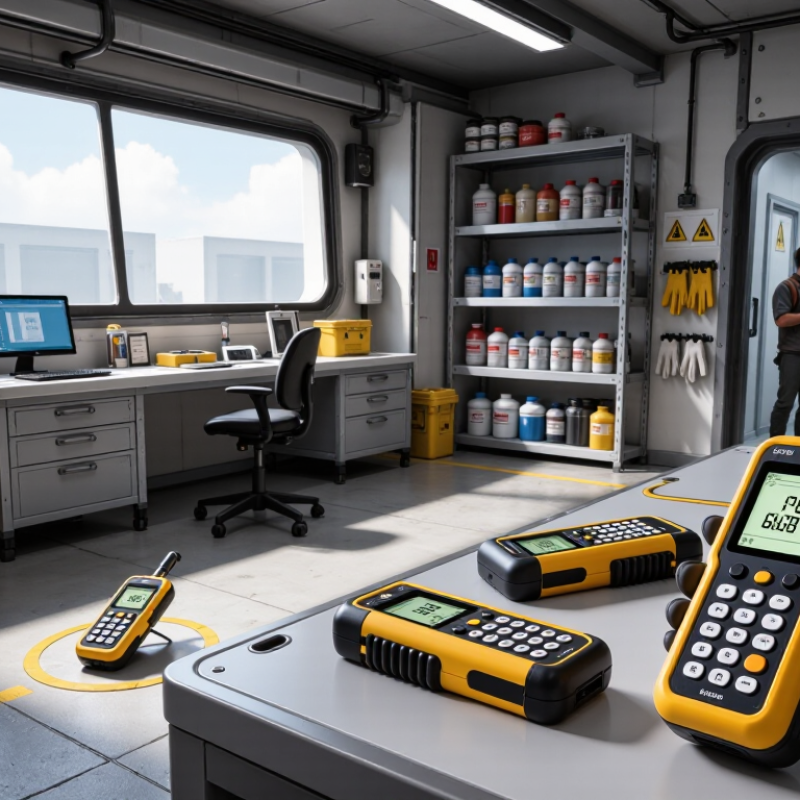
How to Choose a Chemical Poison Detector?
A chemical poison detector is a device that identifies harmful chemical vapors, gases, or residues. Some models provide an immediate alarm, while others estimate concentration levels. Their main purpose is early warning, not final proof. A detector may support workplace inspections, emergency response, laboratory safety, and environmental monitoring. For example, a portable unit can warn workers near a poorly ventilated storage area. Fixed systems can continuously watch air around processing rooms. The right choice depends on the chemicals expected, detection range, response time, and operating environment.
Tips: Check sensor compatibility before purchase. Review calibration requirements, battery life, alarm volume, and resistance to dust or moisture. Temperature and humidity can affect readings. Ask whether the device records results for later review. A clear display matters when staff wear gloves or work in low light. Training is equally important. An impressive instrument can still produce poor decisions when users misunderstand its limits.
Reliable selection requires technical evidence. Look for published detection limits, maintenance procedures, independent testing, and clear user guidance. No detector identifies everything. Cross-sensitivity may trigger a warning from an unexpected substance, and a quiet screen does not always mean complete safety. Confirm serious readings with approved laboratory methods when possible. Local safety professionals should also assess ventilation, protective equipment, and emergency procedures. Some details are easy to overlook. That is why a short field trial can reveal practical problems before regular use.
Choosing a chemical poison detector starts with a clear hazard profile, not a device catalogue. List every chemical used, stored, or generated in the workplace. Use current safety data sheets, storage records, and process descriptions. Names matter. Record whether each substance appears as a vapor, gas, aerosol, liquid, or residue. Then examine exposure routes, expected concentrations, oxygen levels, and nearby ventilation. A maintenance room may need a different detector from a laboratory bench.
The detector must match the measurement task. Some sensors estimate one gas, while others screen for groups of volatile compounds. Electrochemical sensors can suit specific toxic gases. Photoionization sensors can indicate many volatile vapors, but they may not identify the exact chemical. Infrared systems can support selective measurement when the target absorbs suitable wavelengths. Color-changing tubes may help with short, focused checks. An alarm is not identification. Cross-sensitivity can create false readings, especially around solvents, cleaning agents, heat, or high humidity.
Reliability also depends on daily use. Check detection limits, response time, alarm volume, battery life, data recording, and operation with gloves. Schedule calibration and bump testing according to the manufacturer’s instructions and workplace procedures. The first hazard list may be incomplete, and that uncertainty should remain visible. Ask a qualified occupational hygienist to review unknowns, sampling points, and exposure limits. A lower-cost detector can become an expensive mistake if workers cannot interpret its alarms or maintain it correctly.
Identifying the chemicals and hazards to be detected is the first step in selecting a detector. The chart compares NIOSH IDLH concentrations for several common toxic industrial chemicals. Lower values indicate that serious or irreversible health effects may occur at relatively low concentrations.
Interpretation: A suitable detector should cover the target chemicals, measure below the applicable exposure limits, provide an alarm before IDLH conditions are reached, and match the required sampling method and response time.
Choosing a chemical poison detector requires more than comparing sensitivity figures. The technology must match the environment, target chemicals, and response time required. Electrochemical sensors are compact and useful for specific gases, but humidity and interfering vapors can affect readings. Photoionization sensors respond quickly to many volatile compounds, although they may not identify each substance accurately. Infrared systems can provide stronger selectivity for known gases, while colorimetric methods offer simple visual confirmation with limited reuse.
Sensitivity shows the smallest detectable concentration, but accuracy shows how trustworthy the result is. These are not the same. A highly sensitive detector may react to cleaning products, fuel vapors, or warm plastics. That can create false alarms. During evaluation, compare detection limits, cross-sensitivity data, response time, recovery time, and calibration requirements. Ask whether results remain stable in dust, heat, and high humidity.
A reliable program uses certified reference materials, documented testing, and scheduled calibration. Operators should record the reading, location, temperature, and sensor condition. Portable devices need clear alarms and readable displays, especially in noisy work areas. Laboratory instruments usually provide better identification, but they require trained staff and controlled sampling. No detector is perfect. Field conditions are messier than test chambers, and published performance may not match daily use. A small trial in the intended workplace can reveal weaknesses before full deployment.
How to Choose a Chemical Poison Detector?
Evaluating Operating Conditions, Maintenance, and User Safety
A detector must match the workplace, not just the target chemical. Check temperature, humidity, dust, airflow, and oxygen levels before purchase. These conditions can affect sensor response and alarm accuracy. Review the detection limit, response time, cross-sensitivity, and sampling method. A low reading is not always reassuring. Some sensors respond poorly in cold, wet, or oxygen-deficient spaces. The International Labour Organization estimated 2.93 million work-related deaths in 2019. Its 2023 report highlights hazardous chemical exposure as a continuing workplace concern.
Maintenance deserves equal attention. Follow a documented calibration schedule based on exposure risk and operating conditions. Perform functional checks before each shift when the risk is high. Replace filters, batteries, and sensors before failure becomes visible. Record calibration results, alarm tests, repairs, and rejected readings. NIOSH guidance supports combining monitoring with engineering controls, work procedures, and training. A detector should support these controls, not replace them. Field technicians often discover that neglected bump testing creates more risk than an expensive sensor.
User safety depends on simple decisions under pressure. Alarms should be visible, audible, and easy to understand. Workers need training on evacuation, reporting, ventilation, and instrument limitations. Never ask users to enter a suspected contaminated area merely to confirm an alarm. Select equipment that can be worn without blocking movement or hearing. A practical weakness remains: even a well-maintained detector can miss a chemical outside its sensing range. Regular drills can expose this gap. Safety teams should review real alarm events, including mistakes and near misses.
Choosing a chemical poison detector starts with the site, not the product brochure. A quiet laboratory needs different protection than a busy loading bay. Start with the site. Map storage rooms, drains, ventilation paths, and worker access points. Portable detectors suit changing tasks, while fixed systems support continuous monitoring. A mixed approach may be safer, but it costs more.
Define the substances and expected exposure conditions before comparing sensors. Consider detection range, response time, humidity tolerance, battery life, and alarm visibility. A detector should remain readable in dim corridors and noisy production areas. It also needs clear calibration records and simple maintenance instructions. Local workplace, fire, and environmental regulations may require specific performance, testing, or documentation. Check these requirements with a qualified safety professional.
Budget decisions should include the full ownership cost. Replacement sensors, calibration gases, training, data storage, and service visits can exceed the purchase price. Cheap is not always economical. A lower-cost unit may have limited selectivity or frequent false alarms. That can weaken confidence in real warnings. Avoid choosing from a single demonstration. Test shortlisted detectors at representative temperatures, airflow conditions, and operating distances. Keep the test notes. An imperfect pilot can reveal overlooked problems, such as gloves making buttons difficult to press or alarms becoming unclear near machinery. Revisit the selection after staff feedback and scheduled inspections.
Start with a complete hazard profile. List chemicals used, stored, or generated onsite. Record gases, vapors, aerosols, liquids, and residues. Include exposure routes, expected concentrations, oxygen levels, and ventilation. The first list may be incomplete.
Usually, no. Electrochemical sensors suit specific gases. Photoionization sensors screen many volatile vapors but may not identify them. Infrared systems can measure selected gases more specifically. Color-changing tubes support short, focused checks.
Sensitivity shows the smallest detectable concentration. Accuracy shows how trustworthy the reading is. They are not the same. A sensitive sensor may react to cleaning products, fuel vapors, or heated plastics.
Temperature, humidity, dust, airflow, and oxygen levels can change sensor performance. Cold, wet, or oxygen-deficient spaces may produce unreliable readings. Test the device in realistic conditions. A laboratory result may not match a maintenance room.
Compare detection limits, response time, recovery time, and cross-sensitivity. Check battery life, alarm volume, data recording, and display clarity. Ask whether workers can operate it while wearing gloves. A small workplace trial can reveal practical weaknesses.
Follow the manufacturer’s instructions and workplace procedures. Schedule calibration according to exposure risk and operating conditions. Perform functional checks before each shift when risks are high. Record calibration, alarm tests, repairs, and rejected readings.
Replace filters, batteries, and sensors before failure appears. Check alarms, sampling paths, and sensor condition. Use certified reference materials when appropriate. Neglected bump testing can create serious uncertainty.
Workers need training on alarms, evacuation, reporting, ventilation, and equipment limits. Displays should remain readable in noisy areas. Never enter a suspected contaminated space just to confirm an alarm. Regular drills can expose gaps in the plan.
No. Monitoring should support engineering controls, work procedures, and training. A detector may miss chemicals outside its sensing range. Review real alarms, mistakes, and near misses. The system is useful, but not perfect.
Choosing the right Chemical Poison Detector begins with understanding what the device is designed to detect and where it will be used. Different environments may involve gases, vapors, airborne particles, or chemical residues, so users should first identify the relevant hazards and required detection range. Key performance factors include sensitivity, accuracy, response time, selectivity, and the ability to provide clear alerts without excessive false alarms. Comparing available detection technologies helps ensure the instrument matches the substances and risk levels present at a site.
Operating conditions are equally important. A suitable detector should function reliably under expected temperatures, humidity, dust levels, and ventilation conditions. Buyers should also consider calibration needs, battery life, sensor replacement, data recording, ease of use, and built-in safety features. Finally, the choice should reflect the specific site, applicable workplace or environmental requirements, training capabilities, and available budget. A well-selected detector supports early warning, safer decision-making, and consistent chemical risk management.

Airppb