Choosing the right Gas Distribution Device is crucial for efficiency and safety. With the global gas distribution market expected to grow by 4.5% annually, making informed decisions becomes essential. According to a recent report by the Gas Technology Institute, selecting the proper device can minimize energy losses and improve overall performance.
Expert Robert Sinclair states, "A well-designed Gas Distribution Device can significantly enhance reliability and operational efficiency." His insights underline the importance of understanding specific needs and application environments. The consequences of poor choices can lead to safety hazards and increased operational costs, highlighting the necessity of expert evaluations.
Many users overlook key factors such as pressure ratings and compatibility. Failing to consider these aspects can lead to inefficiencies. In a landscape of evolving technologies and increasing regulations, inadequacies can disrupt operations. Making an informed choice on a Gas Distribution Device is not just a technical decision; it is vital for long-term sustainability and success.
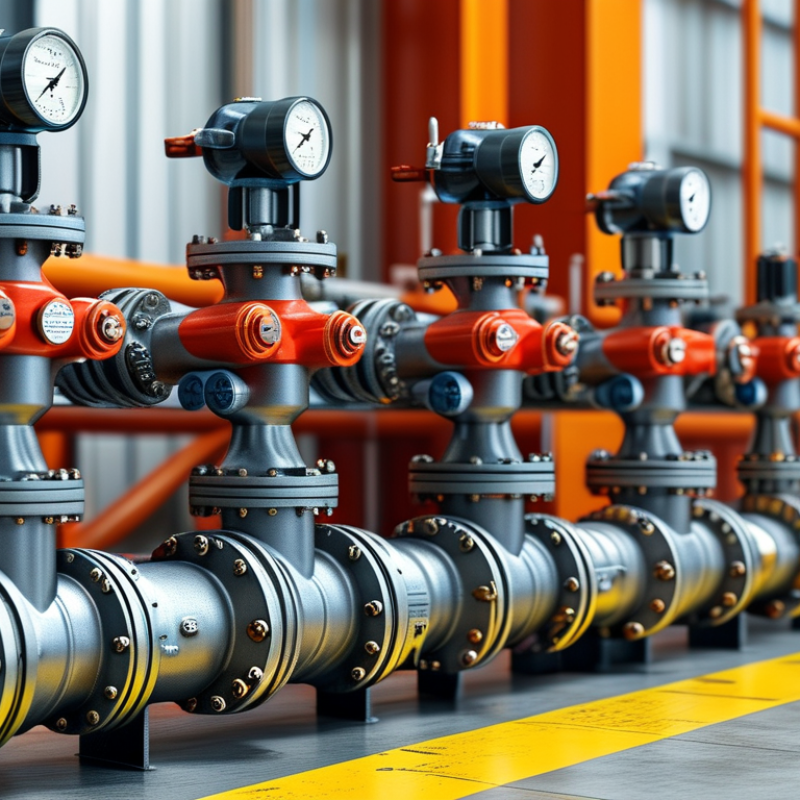
Gas distribution devices play a crucial role in various applications. Understanding how they work is essential for making informed choices. These devices regulate the flow of gas, ensuring safe and efficient operation. They range from simple regulators to complex distribution systems. Each type serves specific needs, making it vital to analyze your requirements carefully.
Choosing the right gas distribution device involves more than just picking one off the shelf. You need to consider the gas type, pressure requirements, and application. Not all devices are suited for high-demand environments. Some may underperform under certain conditions, leading to potential safety hazards. Issues like leaks or insufficient flow can have serious consequences. Assessing your needs is key to avoiding future regrets.
It's also important to consult with experts when selecting a gas distribution device. Their knowledge can help identify the best option for your situation. Relying solely on generic information can lead to mistakes. Take the time to research and reflect on your unique requirements. This step could save you from costly errors in the long run. Making the right choice enhances safety and efficiency in gas management.
When choosing a gas distribution device, it’s essential to consider several key factors. Size and capacity play a significant role. A device must be large enough to handle your demand without being overly bulky. This balance ensures efficiency and can save space.
Another critical aspect is the material. Different materials impact durability. For instance, aluminum is lightweight but may not offer the same longevity as stainless steel. Understanding the environment where the device will be used is also important. Is it indoors or outdoors? Harsh conditions can affect performance.
Ease of maintenance should not be overlooked. Devices that are complex to maintain can lead to increased downtime. Regular maintenance is necessary for safety and efficiency. Finally, check for compliance with local regulations. What works in one area may not in another. Keep in mind that the right choice can save both time and cost in the long run, but cautious decision-making is vital.
Gas distribution devices come in various types, each serving distinct applications. To select the right one, understanding these options is crucial. For instance,
pressure regulators are vital for controlling gas pressure in pipelines. They ensure consistent flow, which is essential in residential heating systems. A
small mistake in this setting can lead to inefficiencies or even hazards. Careful selection and maintenance are necessary.
Another type is gas meters, which monitor consumption. They play a critical role in utility management. Accurate readings help in billing and resource
planning. Choosing a reliable meter can avoid unforeseen expenses. Meanwhile,
gas chromatographs analyze gas composition. They are essential in laboratories and industrial settings. Precision in these devices is necessary, as inaccurate
data can lead to incorrect conclusions.
The application context significantly influences the choice of a gas distribution device. Not every device suits every scenario. Evaluating your needs based on
industry specifications and safety standards is vital. Overlooking these aspects might lead to poor efficiency or safety risks. Regular assessments and updates
on technology can ensure you are using the best possible solutions. Being informed is key to making the right choice.
When evaluating gas distribution options, safety cannot be compromised. Many devices may appear efficient but lack critical safety features. Always check for certifications and safety ratings. A reliable device minimizes risks related to leaks or malfunctions. Basic safety measures can prevent accidents and protect lives.
Efficiency is equally important. Devices should optimize gas usage while delivering adequate pressure. High-efficiency models often have advanced technologies. However, these technologies can be complex. They may require training for safe operation. It's essential to balance efficiency with user capability. Understanding how to operate a device well enhances its overall safety and functionality.
Selecting the right gas distribution device also involves assessing specific needs. Some situations require high pressure, while others demand lower output. It's vital to consider the specific applications and environments. Poor choices can lead to inefficiencies and hazards. Reflecting on previous experiences can guide future selections. A thoughtful approach mitigates risks and maximizes effectiveness.
| Device Type | Safety Features | Efficiency Rating | Warranty Period | Average Cost ($) |
|---|---|---|---|---|
| Gas Regulator | Over-pressure protection | 85% | 5 years | 150 |
| Gas Meter | Leak detection sensor | 90% | 3 years | 200 |
| Gas Valve | Manual shut-off feature | 80% | 7 years | 120 |
| Gas Detector | Real-time monitoring | 95% | 4 years | 180 |
| Gas Line | Corrosion-resistant materials | 88% | 10 years | 300 |
When selecting a gas distribution device, cost considerations play a crucial role. Different types of devices come with varying price points, each catering to specific needs. Understanding the costs involved will help you make an informed choice. For instance, upfront costs may seem attractive, but hidden expenses can arise from installation or maintenance.
Consider the long-term expenses associated with gas distribution devices. Cheaper options might require frequent repairs, leading to higher total costs. It's essential to evaluate warranties and the availability of replacement parts. Not all devices provide the same level of support, which can impact your budget over time.
Additionally, think about energy efficiency. Devices that consume less gas may have higher initial costs but can save you money in utility bills. Overall, evaluating expenses requires more than just looking at the purchase price. Each choice comes with specific trade-offs related to reliability and running costs. Balancing these factors leads to a more effective decision.
This chart illustrates the average costs of various gas distribution devices commonly used in residential and commercial applications. The data reflects estimated prices based on market research.
: Gas distribution devices regulate gas flow for various applications. They ensure safe and efficient operation.
Analyze your gas type, pressure requirements, and application needs before making a selection.
Experts can provide tailored advice. Relying only on generic information may lead to mistakes.
Poor selections can lead to inefficiencies, hazards, or safety risks. Reflecting on requirements is crucial.
Gas meters track consumption. They are essential for accurate billing and resource management.
Consider upfront costs, hidden expenses, and long-term maintenance when evaluating options.
They may lead to frequent repairs, raising overall costs. Evaluate reliability over initial savings.
Devices with better energy efficiency may have higher upfront costs but lower utility bills over time.
Not every device is suitable for every context. Ignoring industry standards can lead to inefficiencies.
Keeping updated ensures you utilize the best solutions. It enhances overall safety and efficiency in gas management.
Choosing the right Gas Distribution Device is crucial for ensuring both efficiency and safety in various applications. Understanding the different types of gas distribution devices and their specific applications allows users to make informed decisions tailored to their needs. Key factors such as the device's capacity, pressure ratings, and compatibility with gas types should be carefully evaluated.
Additionally, safety measures play a significant role in selecting a gas distribution device, ensuring that the system operates within safe parameters. Cost considerations also influence the decision-making process; it is essential to balance upfront costs with long-term operational efficiency. By thoroughly assessing these factors, users can select the most suitable gas distribution device for their specific requirements, optimizing performance while maintaining safety standards.

Airppb