In today’s world, the importance of a reliable Military Poison Detector cannot be overstated. With increasing threats, selecting the right detector is crucial for safety and efficiency. These detectors serve as a frontline defense, ensuring personnel can quickly identify toxic agents. Many military operations depend on swift and accurate detection to mitigate risks.
When choosing a Military Poison Detector, several factors must be considered. Features such as sensitivity, detection speed, and user-friendliness are key. Assessing the brand’s credibility also plays a vital role. Some detectors boast advanced technologies, but that doesn't always mean they are the best fit for every scenario.
It's essential to reflect on your specific needs and that of your team. What works for one unit may not suit another. While recommendations from experts can guide your decision, personal experience is irreplaceable. Balancing these factors leads to purchasing a detector that can face real-world challenges.
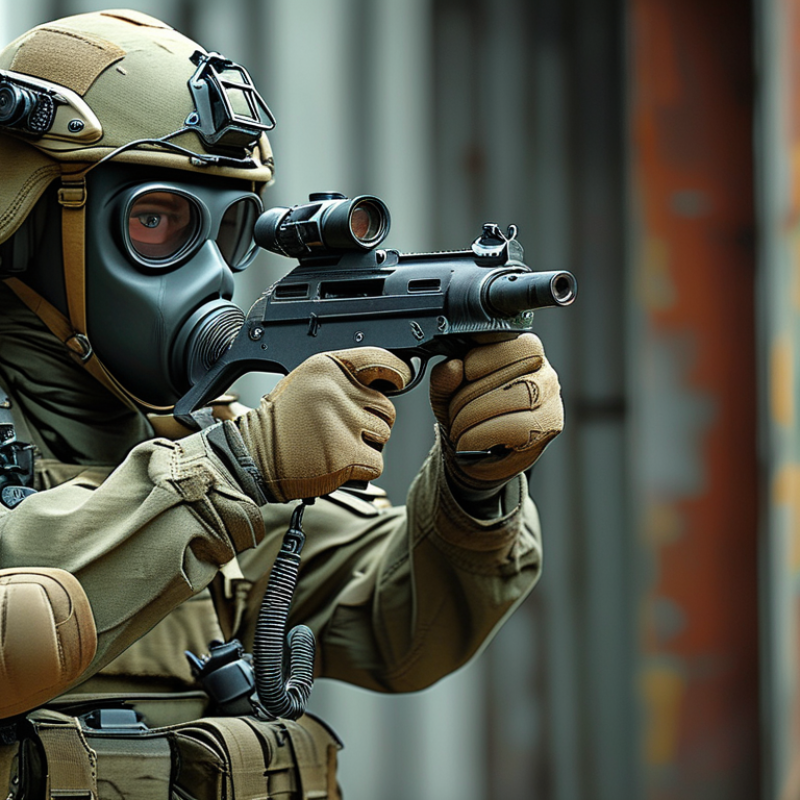
When considering military poison detection, understanding the potential threats is crucial. Military environments may expose personnel to nerve agents, biological toxins, and chemical warfare agents. Knowledge of these agents informs the selection of appropriate detection methods and devices. Assessment should begin with the specific type of potential exposure. Factors such as expected toxicity and environmental conditions play significant roles.
Another essential aspect is the technology used in detection devices. The reliability and speed of results can determine outcomes in critical situations. Look for detectors that prioritize accuracy. Reliability in high-stakes scenarios cannot be overstated. Inconsistent results can lead to severe consequences for military operations.
Training and user experience greatly influence the effectiveness of poison detection. Personnel should be familiar with the devices' operational intricacies. Regular drills and refreshers assure confidence in using the technology. Neglecting this training could compromise safety. A well-informed team makes better decisions under pressure.
Military poison detectors are essential tools in identifying various toxic agents that pose significant risks in combat and hazardous environments. Understanding the types of toxic agents these detectors can identify is crucial for effective use. Commonly detected agents include chemical warfare agents like nerve agents (e.g., VX, Sarin) and blister agents (e.g., mustard gas). According to a report by the Organization for the Prohibition of Chemical Weapons, nerve agents can be lethal in microgram quantities, emphasizing the need for reliable detection.
Additionally, military poison detectors are designed to identify biological threats such as anthrax and ricin. The Centers for Disease Control and Prevention noted that these agents can cause widespread harm if not detected timely. Detectors capable of identifying these substances often use advanced technologies, including mass spectrometry and biosensors, enhancing their accuracy and response time. However, the effectiveness of these devices can be influenced by environmental conditions, necessitating continuous training and evaluation.
In practice, ensuring that military personnel are trained to interpret the data from these detectors is paramount. Even the most advanced technology cannot substitute for human judgment. Testing and calibration are key yet often overlooked aspects of using these detectors effectively. Understanding the limitations and capabilities of each device will enhance operational success in toxic environments.
When selecting a military poison detector, evaluating the device's sensitivity and specificity is crucial. Sensitivity refers to the detector's ability to identify even trace amounts of a toxin. A highly sensitive detector will alert users to potential threats that others might miss. However, overly sensitive devices can produce false positives, leading to unnecessary panic.
Specificity, on the other hand, measures how well the device can differentiate between actual poisons and harmless substances. A detector with high specificity will minimize false alarms, ensuring reliability. Consider how the device responds to known poisons while ignoring safe materials. It’s vital to assess both aspects to find a balance between being overly cautious and missing real threats.
Users should also seek feedback from military professionals who have utilized these detectors in various environments. Real-world application can reveal limitations that specifications do not cover. Engaging with experienced users can highlight potential issues and offer insights into the device’s performance in the field. Ultimately, a poison detector must serve its purpose without creating confusion during critical situations.
The integration of advanced technology in military poison detection systems is transforming defense capabilities. Modern detectors combine sensors with data analytics. They can identify chemical agents quickly and accurately. This speed is crucial during critical missions. Enhanced sensor technology allows for detection in various environments, including urban settings.
Artificial intelligence plays a pivotal role in these systems. AI algorithms can analyze vast amounts of data. This analysis helps to filter out false positives. It streamlines the decision-making process for military personnel. However, the reliance on technology raises questions about vulnerabilities. Cybersecurity threats could compromise detection systems. Continuous testing and robust security measures are essential to maintain reliability.
Training remains a key element in utilizing these advanced tools. Personnel must understand the technology's limitations and strengths. There is always a learning curve. Regular drills can enhance operational readiness. Integrating human expertise with technology creates a more effective defense strategy. The future of military poison detection relies on this synergy.
Selecting reliable military poison detectors is crucial for ensuring safety. Experts suggest evaluating the technology used in these detectors, as it impacts detection accuracy. Modern sensors utilize advanced algorithms to identify toxic agents effectively. Data from the Department of Defense indicates that over 70% of field failures result from outdated technology.
One should also consider the user interface. A device that is easy to operate can save lives during critical situations. Complex interfaces can lead to operational errors, especially under pressure. According to a military study, 45% of personnel reported difficulties using older models in high-stress environments. Simplifying the design can help mitigate such problems and improve response times.
Furthermore, reliability is a vital aspect to assess. Devices must perform consistently under varying conditions. Military operations can expose equipment to extreme temperatures and harsh environments. A report by the National Institute of Standards and Technology emphasizes that consistent reliability should be a primary criterion when selecting detectors. Discrepancies in performance can have serious implications. Keep these factors in mind to enhance operational effectiveness.
| Criteria | Description | Importance Rating (1-5) |
|---|---|---|
| Detection Range | The distance over which the detector can effectively identify poisons. | 5 |
| Sensitivity | Ability to detect low concentrations of hazardous substances. | 5 |
| Ease of Use | How user-friendly the operational interface is. | 4 |
| Durability | Resistance to harsh conditions, such as extreme temperatures and moisture. | 5 |
| Battery Life | The operational duration before needing a recharge or replacement. | 4 |
| Calibration Requirements | Frequency and complexity of calibration needed for accurate functioning. | 3 |
| Cost | Budget considerations for procurement and long-term maintenance. | 4 |
| Warranty and Support | Availability of after-sales support and warranty duration. | 4 |
: They can detect chemical warfare agents like nerve agents and blister agents, and biological threats like anthrax.
Agents like anthrax can cause widespread harm if detected too late. Quick response is essential for safety.
Modern detectors use sensors combined with data analytics, allowing for quick and accurate identification of toxic agents.
AI filters out false positives and analyzes data, helping streamline decision-making for military personnel in critical situations.
Understanding the technology's limitations and strengths helps avoid operational errors. Regular drills boost readiness.
Evaluate technology, user interface, and reliability to ensure detectors operate effectively in various conditions.
A simple interface reduces operational errors, especially under pressure. Complex designs can hinder quick responses.
Equipment may be exposed to harsh conditions, affecting reliability. Consistency in performance is essential for success.
Reports indicate that over 70% of field failures are linked to outdated detection technology, highlighting the need for updates.
Cybersecurity threats may compromise technology reliability. Continuous testing is vital to maintain strong security measures.
In the realm of military operations, the effectiveness of a Military Poison Detector is crucial for ensuring the safety of personnel and the integrity of missions. Understanding key considerations in poison detection, such as the types of toxic agents that these detectors can identify, is instrumental for effective decision-making. Evaluating the sensitivity and specificity of detection devices helps determine their reliability in various environments.
The integration of advanced technology enhances the capabilities of military poison detection systems, allowing for quicker and more accurate responses to potential threats. To select the most reliable Military Poison Detectors, best practices emphasize thorough research, testing, and consideration of environmental factors. By prioritizing these aspects, military units can safeguard their operations against the risks posed by toxic agents.

Airppb