In 2026, choosing the right hazardous gas telemeter is critical for safety and compliance. These devices detect and measure harmful gases. Their importance cannot be overstated. Industries face increasing challenges in managing hazardous environments. Therefore, reliable telemeters have become essential.
Investing in a high-quality hazardous gas telemeter can prevent accidents. The market offers various options, yet selection can be overwhelming. Each model brings unique features. Some may excel in portability or advanced data reporting. Others prioritize accuracy and real-time monitoring. Buyers must evaluate their specific needs.
Despite advancements, no device is perfect. User feedback highlights areas for improvement. Real-life scenarios often reveal limitations. Ensuring proper training and user understanding is crucial. The right telemeter supports safety, but proper usage ensures reliability. Making an informed decision requires careful consideration and reflection.
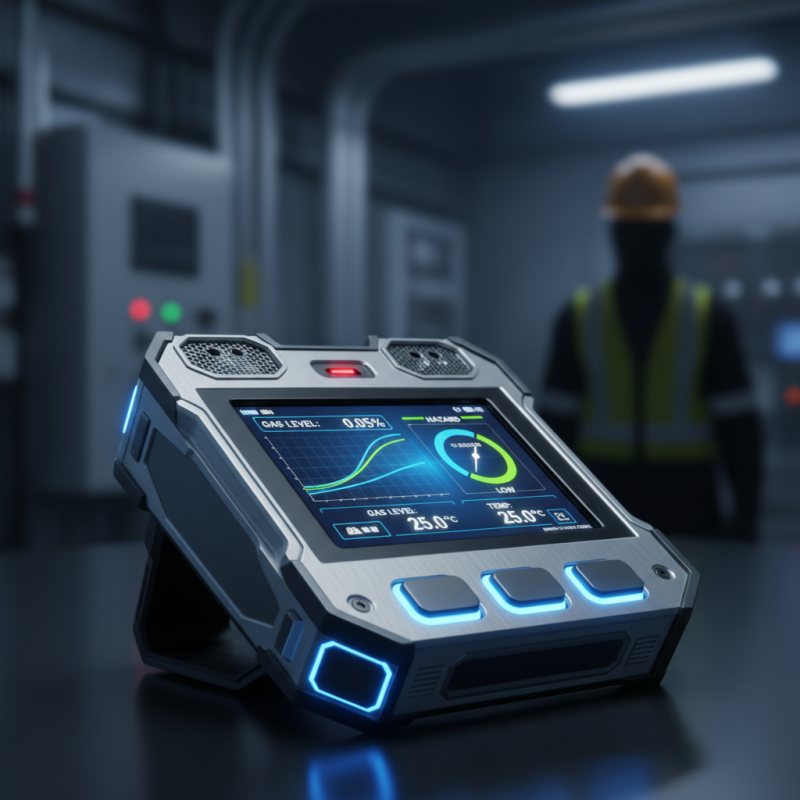
When considering a hazardous gas telemeter, several key features merit your attention. Accuracy is paramount. The device must provide reliable readings to ensure safety in potentially dangerous environments. Sensitivity is another critical factor. The telemeter should detect low concentrations of toxic gases. This capability is essential for early warning and prompt response.
Battery life affects how often you need to replace or recharge the telemeter. Choose a model with long battery life to minimize downtime. Portability is also vital. A lightweight design can be easily carried to various locations, which is often required in field operations.
Tips: Ensure the device meets safety certifications. This guarantees that your telemeter aligns with industry standards. Regular maintenance is critical for performance. A poorly maintained device can lead to inaccurate readings. Keep a log for calibration. Reflecting on your choices can lead to better decisions in the future.
In 2026, selecting a hazardous gas telemeter becomes critical for workplace safety. Industry reports indicate that toxic gas exposure leads to over 200,000 injuries annually worldwide. These devices play a vital role in monitoring air quality and preventing accidents. Various brands showcase advanced technologies, but choosing the right one requires understanding specific needs.
A recent market analysis highlighted top brands in the telemeter sector. Each brand claims unique features like real-time monitoring and enhanced sensor accuracy. However, some of these devices may not consistently deliver on their promises. Users must evaluate actual performance data and customer feedback to avoid potential pitfalls.
Telemeter innovation is progressing rapidly, emphasizing user-friendly interfaces and mobile connectivity. Yet, challenges remain. Some models may face calibration issues. Others may not operate optimally in extreme conditions. Buyers should prioritize reliability and thorough testing results when considering options. Balancing cost and functionality is essential for making an informed decision in this evolving market.
| Model | Detection Range (ppm) | Battery Life (hours) | Weight (grams) | Price (USD) |
|---|---|---|---|---|
| Telemeter A | 0-1000 | 48 | 350 | 299 |
| Telemeter B | 0-2000 | 60 | 400 | 399 |
| Telemeter C | 0-3000 | 72 | 500 | 450 |
| Telemeter D | 0-5000 | 80 | 600 | 599 |
The design of hazardous gas telemeters is evolving rapidly, thanks to innovative technologies. Today, sensors are far more sensitive and precise. They can detect even trace amounts of dangerous gases. This capability is crucial in industries such as mining, oil, and chemical production. Users seek devices with real-time monitoring and alert systems. Such features can improve safety and minimize risks.
Recent advances include wireless connectivity and smart integration. These telemeters can communicate with central systems effortlessly, enhancing data collection and analysis. This development allows for proactive measures rather than reactive ones. However, user training on these new systems is often lacking. Some operators may find themselves overwhelmed by complex interfaces.
Portable telemeters are becoming more relevant. Their lightweight and compact designs enable mobility on job sites. Yet, battery life remains a concern. Frequent charging can disrupt operations. Future designs may need to address these shortcomings. The balance between advanced features and practical usability is essential for widespread adoption.
When considering gas telemeters, pricing is a critical factor for buyers in 2026. A recent report from the Gas Detection Market Analysis revealed that prices vary significantly among leading models. On average, telemeters are priced between $1,200 to $3,500, depending on features and accuracy.
Many buyers face challenges in determining which models offer the best value. For instance, the difference in detection capabilities can lead to a price variance of almost 30%. Features like wireless connectivity can add to the cost but may improve usability and data logging efficiency. Understanding these factors helps in making informed purchasing decisions.
**Tip**: Evaluate your specific needs before making a purchase. A more expensive model may not always be necessary if your operations don't require advanced features.
Another key takeaway from industry reports suggests that regular maintenance and calibration can impact overall cost efficiency. Neglecting these can lead to inaccurate readings, resulting in potential safety hazards.
**Tip**: Budget for regular maintenance to ensure safety and reliability. This investment pays off in the long run, enhancing the effectiveness of your gas telemeter.
When choosing hazardous gas telemeters, user reviews play a crucial role. In 2026, buyers prioritize
reliability and ease of use.
Many reports highlight issues with calibration errors. Such problems can lead to
dangerous situations. Consistent maintenance is essential for long-term performance.
Some users express frustration with the lack of customer support from manufacturers.
Understanding product features is vital for making informed decisions. Shortcomings in user manuals often confuse buyers.
Many wish for clearer guidelines and straightforward troubleshooting steps.
Tips:
Always check multiple user reviews to gauge reliability. A product with consistent high ratings usually signifies quality.
Consider joining online forums dedicated to workplace safety equipment for shared experiences and advice.
Engaging with a community may also reveal insights not covered in official documentation.
: Accuracy is the most critical feature. Reliable readings ensure safety in dangerous environments.
Sensitivity allows the telemeter to detect low concentrations of toxic gases. This enables early warning and response.
Longer battery life reduces the frequency of replacements or recharges. This minimizes downtime during operations.
A lightweight design allows easy transportation to various locations. This is essential for field operations.
Confirm that it meets safety certifications. This ensures compliance with industry standards.
Regular maintenance is crucial for accurate readings. A poorly maintained device can pose safety risks.
Consider detection capabilities and features. Some models may be pricier without offering significant benefits.
Budget for regular maintenance and calibration. This investment enhances long-term safety and reliability.
Some models may struggle in extreme conditions. Choose devices known for reliability in various environments.
Evaluate your choices and gather performance data. This can help make more informed decisions in the future.
As the demand for safety equipment escalates, choosing the right Hazardous Gas Telemeter for 2026 requires careful consideration of key features. Prospective buyers should evaluate essential attributes such as sensitivity, real-time monitoring capabilities, and ease of use. Additionally, innovative technologies enhancing detection accuracy and response times are pivotal in making informed decisions.
Understanding the pricing landscape through a comparative analysis of leading models can guide purchasers in selecting optimal devices without compromising on quality. User reviews and ratings provide valuable insights from 2026 buyers, highlighting the practical experience and reliability of various Hazardous Gas Telemeters. By focusing on these factors, buyers can ensure they invest in instruments that enhance safety and efficiency in hazardous environments.

Airppb