How to Choose Air Monitoring Equipment in 2026?

Time:2026-09-24 Author:Isabella
0%

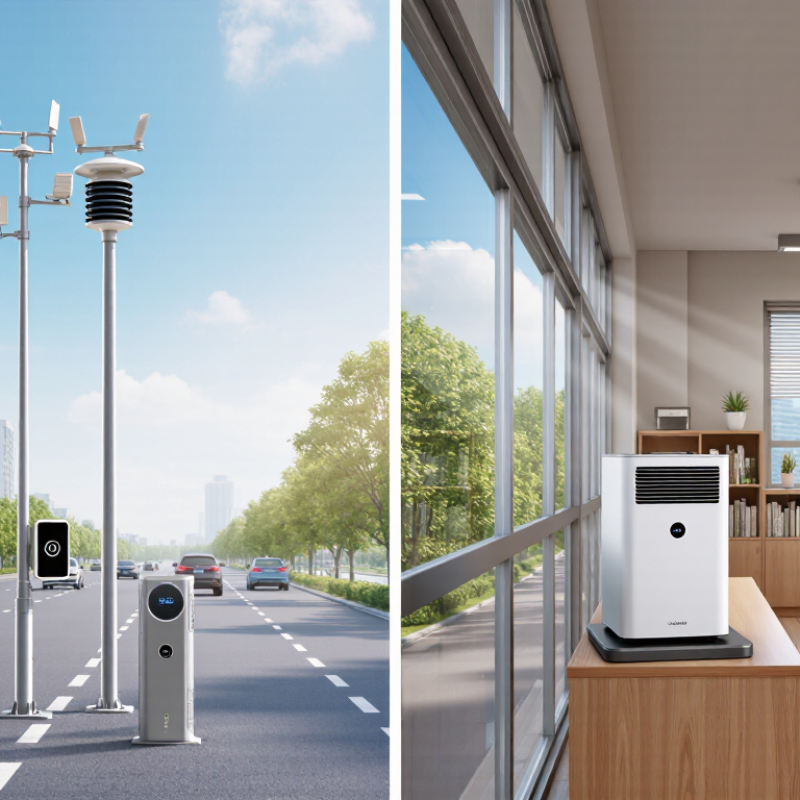
Choosing Air Monitoring equipment in 2026 starts with a clear question: what do you need to measure, and where? A roadside station faces exhaust, vibration, and changing weather. A classroom sensor must respond to indoor particles, carbon dioxide, and daily occupancy. One instrument cannot suit every setting. Small details matter.

Dr. Richard Corsi, an environmental engineer known for his work on indoor air quality, offers a useful perspective: “The air we breathe matters.” This short reminder is not a device specification. It points to the reason careful measurement matters: readings inform decisions about the spaces people use every day.

This guide explains how to match equipment to pollutants, locations, and monitoring goals. It looks at sensor types, measurement ranges, accuracy, calibration, data logging, connectivity, and maintenance. You will also see why a low purchase price may not mean low operating costs. Check how often sensors need servicing. Ask whether the system records useful data when Wi-Fi drops. Look for clear documentation, realistic performance claims, and support that lasts beyond installation. There is no perfect monitor. Even a well-chosen instrument can be misunderstood if its placement is poor or its limits are ignored. A little skepticism helps. The best choice is the one that produces dependable, relevant readings for your actual environment—not the longest feature list.
How to Choose Air Monitoring Equipment in 2026?

Define the Monitoring Goal, Location, and Target Pollutants

Before comparing instruments, write down the decision the measurements must support. A roadside study may need to track sharp nitrogen dioxide peaks, while a classroom assessment may focus on fine particles and carbon dioxide. Different goals require different sampling intervals, detection limits, and calibration plans. Otherwise, a sensor can produce plenty of numbers—and still miss the problem.

Location shapes the choice. Note nearby roads, ventilation outlets, cooking areas, and likely weather exposure. Then identify target pollutants: PM2.5, ozone, nitrogen dioxide, or specific gases. The World Health Organization’s 2021 Global Air Quality Guidelines recommend annual PM2.5 levels of 5 micrograms per cubic metre and 24-hour levels of 15 micrograms per cubic metre. These values show why a device’s measurement range and sensitivity matter. Check whether its stated performance supports the concentrations and averaging periods relevant to your project. Small details matter.

Plan for the conditions at the actual site, not just a laboratory specification. Humidity, temperature, dust, and poor placement can distort readings. The U.S. Environmental Protection Agency’s Air Sensor Guidebook advises users to consider sensor evaluation, collocation, and quality assurance when interpreting data. A side-by-side comparison with a reference monitor can reveal drift or bias. It is tempting to skip that step when budgets are tight. That may be a mistake. Keep a simple log of sensor height, operating times, weather, and interruptions; imperfect notes are still better than none.

Match Sensor Types to Required Ranges and Environmental Conditions

Choosing air monitoring equipment starts with the range you need to measure. A sensor designed for low indoor concentrations may not perform well near an industrial exhaust. Check the expected minimum and maximum levels, then choose a measurement range that covers both without sacrificing useful detail. Leave some headroom for brief spikes.

Match the sensor to the substance and the setting. Optical particle sensors can track dust, but humidity may affect readings. Electrochemical sensors often suit specific gases, yet heat, moisture, or other gases can interfere. In a damp greenhouse, for example, condensation may distort results; in a drafty workshop, airflow can shift readings away from their source. Placement matters. Keep the inlet clear, and compare measurements with a suitable reference during setup. Calibration needs attention too. Not every sensor drifts at the same rate.

Read the operating limits before installation. Note temperature, humidity, response time, and maintenance intervals. A device may list a wide range, but accuracy can weaken near its limits. That detail is easy to miss. I would also question any setup that produces clean-looking numbers without recording conditions or checking for interference. Real rooms are messy. Plan for that.

Compare Accuracy, Calibration Needs, and Data Quality

How to Choose Air Monitoring Equipment in 2026?

Accuracy figures matter, but only when they match your monitoring conditions. Check the stated measurement range, resolution, and uncertainty for the pollutants you need to track. A sensor designed for a clean indoor room may struggle near dust, moisture, or changing temperatures. Read the test conditions behind the specifications, not just the largest number on a product sheet.

Calibration takes time and planning. Ask how often the instrument needs calibration, whether field checks are practical, and what reference materials are required. Zero and span checks can reveal drift before it distorts a week of readings. Keep a simple record of calibration dates, adjustments, and unusual conditions. It is easy to overlook humidity. That can be a costly blind spot.

Data quality also depends on placement, sampling intervals, and complete records. Mounting a monitor beside an open window may capture a local draft rather than typical room air. Choose equipment that preserves timestamps, units, calibration status, and any quality flags in exported files. Review sample data before committing; gaps and confusing labels often appear there. More data is not always better. A steady stream of readings can still mislead if the sensor drifts or the installation changes. Compare instruments against a suitable reference when decisions depend on small differences, and document what you cannot verify.

Evaluate Connectivity, Power, Maintenance, and Regulatory Fit

How to Choose Air Monitoring Equipment in 2026?

Evaluate connectivity, power, maintenance, and regulatory fit before comparing sensor specifications. A monitor is useful only when it produces dependable data where you need it. The World Health Organization reported in 2022 that 99% of the global population lived in places exceeding its air quality guideline levels. That scale makes coverage important, but more readings do not automatically mean better decisions.

Check whether equipment can send data through available Wi-Fi, cellular, or wired connections, and confirm what happens during outages. In a basement plant room, for example, a cellular signal may fail behind concrete walls. Power matters just as much: a battery unit may suit a short survey, while a fixed installation needs reliable mains power or a tested backup. Small details count. Ask about battery life under real reporting intervals, not ideal laboratory conditions.

Maintenance can quietly undermine a monitoring program. Review calibration needs, replacement intervals, cleaning access, and the cost of downtime. The U.S. Environmental Protection Agency’s 2021 report, Performance Testing Protocols, Metrics, and Target Values for PM2.5 Air Sensors, emphasizes evaluating sensor performance against defined metrics. For regulatory use, confirm that the instrument and its data meet the relevant authority’s requirements; a low-cost sensor may support screening without replacing an approved reference method. This distinction is easy to overlook. Even a well-connected monitor can produce misleading results if its placement, upkeep, or intended use is wrong.

Plan Installation, Validation, and Ongoing Performance Reviews

How to Choose Air Monitoring Equipment in 2026?
Plan Installation, Validation, and Ongoing Performance Reviews

Choosing equipment is only part of a dependable monitoring plan. Start by matching the instrument to the pollutants, measurement range, and response time your site actually needs. Walk the installation area before ordering. A sensor near a doorway, exhaust outlet, or sun-warmed window may report conditions that do not represent the wider space. Record power access, airflow, mounting height, and service access. Small details matter.

Plan validation before installation. Compare readings with a suitable reference method under documented conditions, and keep records of dates, settings, and results. After mounting, check that the instrument responds as expected and that data reaches the intended system. Repeat checks on a schedule based on use, environment, and manufacturer guidance. Dust, humidity, vibration, and aging components can shift performance. They often do so quietly.

Tips: Photograph each installation point and label cables before closing panels. Review data weekly at first, looking for flat lines, sudden jumps, or recurring gaps. Set clear thresholds for investigation, not automatic conclusions. A strange reading may signal a real event, a maintenance issue, or simply a poor sensor location. Be willing to revisit the plan. The first layout is rarely perfect.

FAQS

Why should I define the monitoring goal before choosing a sensor?

The goal determines which pollutants, sampling intervals, and detection limits matter. A roadside study may track brief nitrogen dioxide peaks, while a classroom may focus on fine particles and carbon dioxide.

Which site details should I record before installation?

Note nearby roads, vents, cooking areas, and weather exposure. Record sensor height and operating times too. Small notes can explain odd readings later.

How can I tell whether a sensor’s range is suitable?

Check that its minimum and maximum cover expected levels, including short spikes. A wide stated range does not guarantee useful accuracy near its limits.

Can humidity affect air sensor readings?

Yes. Moisture can distort optical particle readings, and condensation may cause problems in damp spaces. Real rooms are messy.

What can interfere with gas sensor measurements?

Heat, moisture, or other gases may affect some gas sensors. Keep the inlet clear and follow the device’s operating limits.

Why compare a sensor with a reference monitor?

A side-by-side comparison can reveal bias or drift. It takes effort, but skipping it may leave you trusting numbers that need checking.

What environmental conditions should I track?

Record temperature, humidity, weather, and interruptions. These details help explain changes that a sensor reading alone cannot.

How often does a sensor need calibration or maintenance?

It depends on the sensor. Check its response time, maintenance intervals, and calibration guidance; drift rates are not all the same.

Conclusion

Choosing Air Monitoring equipment in 2026 starts with a clear understanding of what you need to measure, where the system will operate, and which pollutants matter most. Consider whether monitoring is needed indoors or outdoors, the expected concentration ranges, and conditions such as temperature, humidity, dust, or vibration. These factors help narrow sensor options and ensure the equipment can collect useful measurements in the intended environment.

Before selecting a system, compare its accuracy, calibration requirements, and ability to produce consistent, reliable data. Also assess connectivity, power needs, maintenance demands, and whether the equipment suits your project’s applicable requirements. Plan the installation carefully, then validate readings against appropriate references before relying on them. Regular performance reviews, calibration checks, and maintenance can help identify problems early and keep the monitoring program effective as conditions or goals change.


Isabella

Isabella

Isabella is a dedicated marketing professional with a sharp focus on driving brand growth and engagement through strategic content creation. With an extensive background in digital marketing, she combines her passion for storytelling with her keen understanding of industry trends to deliver......