How to Monitor Air Quality Index for Effective Procurement?

Time:2026-04-29 Author:Liam
0%

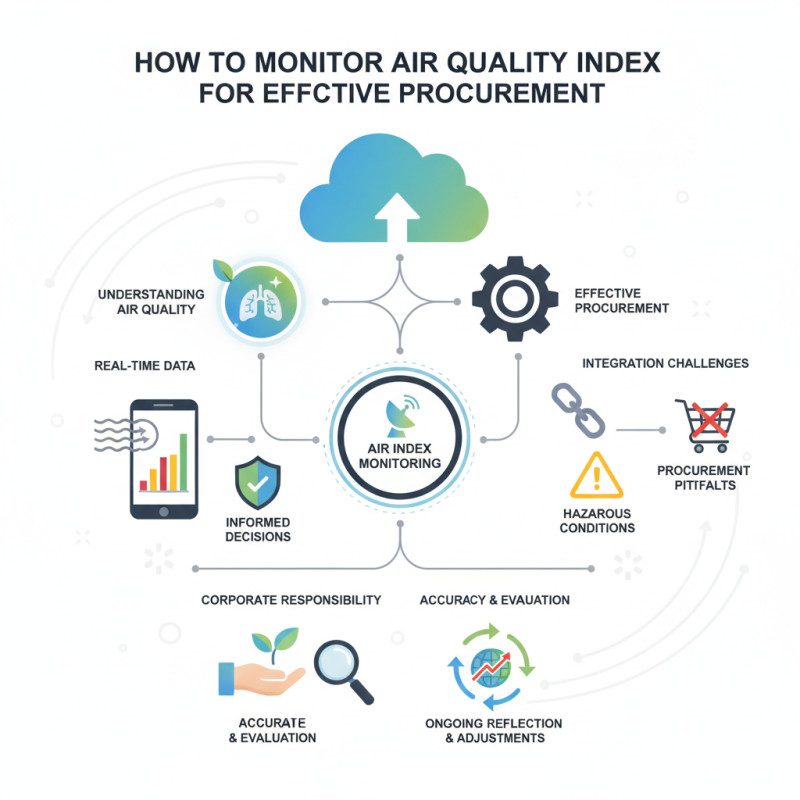
Understanding the importance of air quality is vital for safe environments. As businesses look to improve procurement processes, "Air Index Monitoring" becomes key. It provides real-time data about pollutants and environmental conditions. This information is crucial for making informed decisions that impact health and productivity.

Many organizations struggle with the integration of air quality data into their supply chain strategies. They often rely on outdated methods or lack adequate tools. Monitoring air quality should be a priority, especially in urban areas with high pollution levels. Reliable air index systems can help identify hazardous conditions promptly. By doing so, businesses can avoid procurement pitfalls that may arise from poor air conditions.

Effective air index monitoring can play a significant role in enhancing corporate responsibility. Companies committed to sustainability benefit from transparency in their operations. However, not every method guarantees accuracy. Choosing the right monitoring system demands careful evaluation. The ideal approach requires ongoing reflection and adjustments to improve data accuracy over time.
How to Monitor Air Quality Index for Effective Procurement?

Understanding Air Quality Index and Its Importance in Procurement

The Air Quality Index (AQI) is a critical tool for understanding air pollution levels. It reflects how pollution can impact health and the environment. Research from the World Health Organization indicates that long-term exposure to poor air quality can lead to respiratory diseases and cardiovascular issues. Therefore, monitoring AQI is vital for effective procurement, especially when sourcing materials that may contribute to air pollution, like paints or chemicals.

Incorporating AQI data into procurement decisions can ensure that organizations comply with environmental standards. It helps identify suppliers who prioritize sustainability. According to a report by the United States Environmental Protection Agency, areas with high AQI levels can see a significant impact on public health. Thus, businesses must seek suppliers who actively minimize their emissions.

Tips:

  • Regularly check the AQI in your area.
  • Use mobile applications for real-time updates.
  • Encourage suppliers to provide their environmental impact reports.
  • Being proactive can lead to better sourcing decisions.
  • Poor air quality can affect supply chain efficiency and cost as well.
  • Remember, delayed actions in addressing air quality issues could lead to more significant challenges down the line.

Key Factors Influencing Air Quality Monitoring Techniques

Air quality monitoring techniques are influenced by several key factors. These factors include location, weather patterns, and the type of pollutants present. For instance, urban areas often require different monitoring strategies than rural regions due to varying sources of pollution. Additionally, the prevalence of industrial activity in a location can affect the types of pollutants measured, which then influences the selection of monitoring equipment and methodologies.

The accuracy of air quality data is paramount. Sensor calibration plays a critical role, as improperly calibrated devices can provide misleading information. Regular checks are necessary to ensure reliability. Weather conditions also impact readings. For example, high humidity can distort sensor accuracy. This variability challenges organizations looking to procure monitoring solutions. Investing in advanced technology can mitigate some of these issues, but it may not always be feasible.

Lastly, public health guidelines impact monitoring decisions. Compliance with local regulations drives many organizations in their procurement choices. However, these guidelines might not always reflect the latest scientific insights. This gap can leave room for improvement in how air quality is monitored. Thoughtful reflection on these factors can enhance the overall effectiveness of air quality monitoring efforts.

How to Monitor Air Quality Index for Effective Procurement? - Key Factors Influencing Air Quality Monitoring Techniques

Monitoring Technique Key Factors Cost (USD) Accuracy (%) Maintenance Frequency
Passive Sampling Low-cost, easy deployment 150 75 Monthly
Active Sampling High accuracy, requires power 500 90 Weekly
Remote Sensing Wide-area coverage, expensive 5000 80 Yearly
Mobile Monitoring Flexible, data-rich 1000 85 Monthly

Tools and Technologies for Tracking Air Quality Index Data

Monitoring air quality is crucial for effective procurement processes. Various tools and technologies help track the Air Quality Index (AQI) data in real time. For instance, using mobile applications and integrated sensors can provide instant readings. According to the Environmental Protection Agency (EPA), poor air quality can increase health risks and impact productivity. Organizations often overlook the importance of integrating this data into their decision-making processes.

IoT devices and cloud-based platforms offer valuable insights. Data analytics can identify trends and analyze patterns over time. A study by the World Health Organization (WHO) shows that urban areas with high pollution levels see significant economic losses. Implementing air quality monitoring tools allows businesses to adjust their procurement strategies. They can prioritize suppliers who follow eco-friendly practices.

Despite advancements, challenges persist. Some regions lack adequate sensor networks, making data collection inconsistent. Companies may find it difficult to rely solely on technology. Human oversight remains essential. Relying on automated systems without proper analysis can lead to misinformed procurement decisions. Balancing technology with expertise is vital for accurate air quality monitoring.

Best Practices for Integrating Air Quality Insights into Procurement Decisions

Monitoring air quality is crucial in today’s procurement landscape. First, institutions must identify key air quality indicators relevant to their operations. Metrics such as PM2.5, PM10, and ozone levels are fundamental. These pollutants can affect not only employee health but also product durability. Understanding these aspects helps businesses make informed decisions.

Integrating air quality insights into procurement means using data meaningfully. For instance, organizations can assess suppliers based on their environmental performance. They could choose vendors who prioritize sustainability in their operations. Regular evaluations of air quality can provide an edge in maintaining a healthy workplace. However, reliance solely on data can lead to overlooking ground realities. This balance is essential to effective procurement.

Establishing an ongoing feedback loop is vital. Engage teams in discussions about air quality trends. Facilitate workshops where they can reflect on procurement decisions impacted by these insights. Learning to adapt from past experiences is fundamental. Moreover, monitoring is not just about compliance; it’s about genuine responsibility. Every choice impacts overall air quality and reflects an organization's values.

Air Quality Index Monitoring for Procurement Decisions

This chart displays the Air Quality Index (AQI) over a week, indicating how varying levels of air quality can impact procurement strategies.

Evaluating Supplier Compliance with Air Quality Standards during Procurement

Monitoring air quality is crucial for suppliers and buyers alike. Evaluating supplier compliance with air quality standards during procurement can enhance decision-making. The World Health Organization (WHO) reports that air pollution causes around 7 million deaths annually, emphasizing the need for strict compliance measures.

To effectively monitor air quality, utilize the Air Quality Index (AQI). This tool provides real-time data on pollutants like PM2.5, ozone, and carbon monoxide. Suppliers should have a transparent air quality management system in place. Advanced analytics can help assess their adherence to established standards. Illustrating compliance through documented audits builds trust and reliability.

Tips: Regularly check local AQI reports. Transparency from suppliers strengthens partnerships. Consider third-party evaluations for an unbiased view.

Data from the Environmental Protection Agency indicates that 40% of companies fail to monitor air quality adequately. This oversight can reflect poorly on procurement practices. Buyers must ensure suppliers align with environmental standards. The interplay of air quality and procurement requires ongoing attention.

FAQS

: What is the

ir Quality Index (AQI)?

Why is monitoring AQI important in procurement?

Monitoring AQI helps ensure compliance with environmental standards and guides sourcing decisions.

How does poor air quality affect health?

Long-term exposure to poor air quality can lead to respiratory and cardiovascular diseases.

What should businesses consider when choosing suppliers?

Businesses should prioritize suppliers who actively minimize their emissions and report their environmental impact.

How can companies ensure their suppliers comply with air quality standards?

Companies should assess suppliers' air quality management systems and request environmental audits.

What tools can help monitor air quality?

The AQI provides real-time data on pollutants like PM2.5, ozone, and carbon monoxide.

What happens if companies neglect air quality monitoring?

Neglecting air quality can lead to poor procurement practices and inefficiencies in supply chains.

How often should businesses check AQI data?

Regular checks of local AQI reports are essential for informed procurement decisions.

Can third-party evaluations benefit procurement processes?

Yes, third-party evaluations can offer an unbiased view of suppliers’ compliance with air quality standards.

Are there any challenges in ensuring good air quality during procurement?

Many companies fail to monitor air quality adequately, which can complicate supplier evaluations and decision-making.

Conclusion

The article titled "How to Monitor Air Quality Index for Effective Procurement?" emphasizes the significance of understanding the Air Quality Index (AQI) and its role in procurement decisions. It outlines the key factors that affect air quality monitoring techniques, highlighting how accurate AQI data can drive sustainable procurement strategies. Various tools and technologies are discussed for tracking AQI data, ensuring that organizations are well-equipped to make informed choices.

Additionally, best practices for integrating insights from air index monitoring into procurement processes are explored, as well as methods for evaluating supplier compliance with air quality standards. By leveraging AQI data, companies can enhance their procurement decisions, promoting a healthier environment while maintaining regulatory compliance and supplier accountability.


Liam

Liam

Liam is a dedicated marketing professional with a profound expertise in the industry, where he excels at highlighting the unique advantages of our core products. With a keen understanding of market trends and consumer needs, Liam frequently updates our company’s professional blog, providing......