Choosing the right Chemical Poison Detector is crucial for safety. Industry expert Dr. Jane Ellis, a leading toxicologist, emphasizes, “Not all detectors are created equal.” This highlights the importance of understanding features and functions.
A reliable chemical poison detector can be a lifesaver. However, many people overlook key factors such as sensitivity, response time, and calibration. Each detector has unique characteristics. Some work well in specific environments, while others may not function properly under certain conditions.
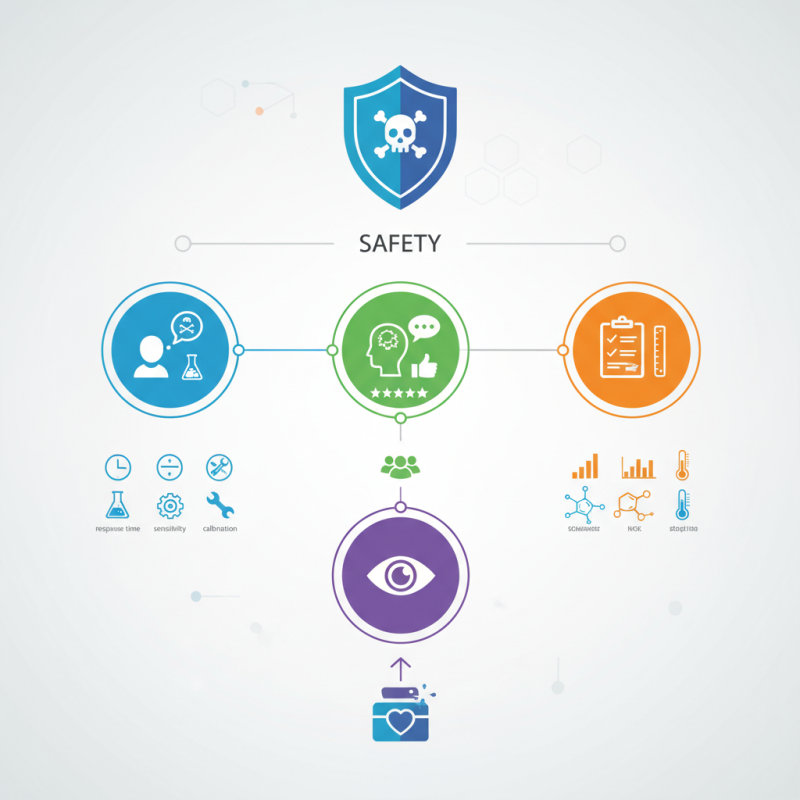
Consider your specific needs carefully. Other users’ experiences can be revealing; their feedback can guide your choice. Ensure you are informed. A poor choice could lead to serious consequences. In the end, selecting the best Chemical Poison Detector requires a careful balance of expert advice, user reviews, and clear specifications.
When selecting a chemical poison detector, understanding the types available is crucial. There are generally two main categories: portable and fixed detectors. Portable detectors are versatile. They can be used in various locations and situations. They are ideal for workers in different environments, helping to ensure safety on the go. However, their battery life can be an issue. They may not always be reliable in extreme conditions.
Fixed detectors, on the other hand, are installed permanently. They provide continuous monitoring of a specific area. These are essential in industrial settings, reducing response times to hazardous leaks. Yet, they can be costly and require regular maintenance. Choosing between them often involves considering the balance between mobility and reliability.
Besides type, other factors deserve attention. Detection range varies among devices. Some detect a wide array of chemicals, while others focus on specific toxins. Sensitivity levels also matter. Select a detector that aligns with your personal needs. Evaluating your environment is critical. No option is perfect, and some may require adjustments over time. Keeping these elements in mind will lead to better decisions in a potentially dangerous field.
When selecting a chemical poison detector, several key features are crucial. Sensitivity is one of the most critical aspects. A detector must identify low levels of harmful substances quickly and accurately. Common sensors include electrochemical, photoionization, and metal oxide types. Each has its strength, depending on the chemicals you might encounter.
Another important factor is the detector's response time. The quicker a device alerts you, the better. Look for models that provide real-time data and can signal changes in airborne toxins almost instantly. Portability is also vital. A lightweight, compact device can be beneficial in various scenarios, from industrial use to personal safety.
Battery life is often overlooked. Long-lasting power can prevent unexpected failures. Some models offer rechargeable features, which add convenience. Additionally, consider maintenance requirements. Ease of calibration and regular updates can ensure your device remains reliable over time. Choosing the right chemical poison detector is not just about features; it also involves understanding your specific needs and environment.
When selecting a chemical poison detector, it's important to consider key features based on various detector types. The chart below illustrates the effectiveness of different detector types in identifying specific chemical poisons.
When evaluating chemical poison detectors, sensitivity and specificity are crucial metrics. Sensitivity refers to a device's ability to identify a chemical accurately. Reports indicate that effective detectors should have a sensitivity above 95% for reliable results. A sensor with low sensitivity may miss critical threats, posing significant risks in hazardous environments.
Specificity is equally important; it measures a detector's ability to distinguish a target chemical from others. The ideal specificity should also exceed 90%. A detector with high specificity reduces false positives, ensuring that emergency responses are more efficient. Studies show that devices lacking in specificity lead to unnecessary evacuations and response delays.
Moreover, not all detectors are created equal. Various factors can affect their performance, including environmental conditions. Temperature and humidity can influence readings, leading to potential inaccuracies. Reviewing test results and certifications from independent laboratories can help identify reliable devices. Ultimately, balancing sensitivity and specificity is essential for effective detection. Users should remain vigilant and informed about advancements in detection technology.
| Detector Type | Sensitivity (ppm) | Specificity (%) | Response Time (seconds) | Battery Life (hours) |
|---|---|---|---|---|
| Electrochemical | 0.1 | 95 | 30 | 2000 |
| PID (Photoionization Detector) | 0.01 | 90 | 5 | 120 |
| MOS (Metal-Oxide Semiconductor) | 1.0 | 85 | 10 | 500 |
| Infrared | 0.5 | 92 | 15 | 800 |
| Colorimetric | 0.5 | 80 | 60 | 100 |
When selecting a chemical poison detector, assessing its reliability is crucial. Reliability depends on various factors, including the detector's technology and performance standards. A dependable detector must accurately identify harmful substances. This accuracy can vary among detectors, making comprehensive research essential before making a purchase. Users should look for independent testing results that validate the product's claims.
Calibration plays a vital role in a detector's effectiveness. Regular calibration ensures that the device provides accurate readings over time. A detector may drift from its original settings due to environmental factors or age. Users must be attentive to maintenance schedules and perform routine checks. Some users may overlook this step, leading to unreliable data. Keeping a log of calibration changes can help identify patterns over time.
The choice of a detector should also consider user feedback and expert reviews. However, bias may exist in some reviews. Genuine experiences can surface more honest insights. Pay attention to shortcomings mentioned by users, as these can highlight potential issues. Ultimately, selecting a chemical poison detector requires careful consideration and continuous evaluation.
When investing in a chemical poison detector, understanding maintenance and operational costs is critical. Regular maintenance ensures longevity and reliability. Neglect can lead to costly repairs or replacements. A typical budget for ongoing maintenance can range from $100 to $500 annually, depending on the detector type.
Consider operational costs as well. This includes energy consumption and replacement parts. Some detectors may require specialized calibration. This could add an extra $50 to $300 every few years. Look for detectors that provide clear guidance on maintenance intervals. That can help in managing costs effectively.
Tips for choosing the right detector include evaluating your specific needs. What type of chemicals will it monitor? Ensure it meets safety standards relevant to your industry. Additionally, think about user-friendliness. Complex systems can lead to errors and additional training costs. Optimal choices balance functionality with ease of use.
: Sensitivity measures a device's accuracy in identifying a chemical. High sensitivity is crucial for effective detection.
High specificity differentiates target chemicals from others. It reduces false positives, improving emergency response efficiency.
Temperature and humidity can lead to inaccuracies in readings. Users should account for these variables during assessments.
Regular calibration maintains accuracy over time. Neglecting this can result in unreliable data.
Users should schedule regular maintenance for reliability. Neglect can lead to increased costs and device failures.
Annual maintenance costs range from $100 to $500. It varies based on the type of detector used.
Yes, user feedback can provide honest insights. However, be cautious of potential biases in some reviews.
Keeping a log of calibration changes can highlight performance patterns. This practice aids in maintaining device reliability.
Consider energy consumption and costs for replacement parts. Budgeting for these can prevent unexpected expenses.
Evaluate your specific needs and safety standards. Balance functionality with ease of use to optimize effectiveness.
Choosing the right Chemical Poison Detector is crucial for ensuring safety in environments where hazardous substances may be present. This article provides a comprehensive guide to help you navigate the selection process. It begins by discussing the various types of detectors available, enabling users to understand their specific functionalities and applications. Key features such as portability, ease of use, and detection range are essential considerations that can greatly influence your decision.
Furthermore, the evaluation of sensitivity and specificity is paramount, as it determines the detector's ability to identify particular chemicals accurately. Reliability and the calibration process of the devices must also be assessed to ensure optimal performance over time. Lastly, understanding the ongoing maintenance and operational costs will help users make an informed choice that balances performance with budget. Overall, these tips can aid in selecting the most effective Chemical Poison Detector for your needs.

Airppb