In today's complex military landscape, ensuring personnel safety is paramount. Effective detection of hazardous gases is crucial for operational success. Dr. John H. Stanford, a leading expert in military technology, emphasizes, "The right Military Gas Detector can save lives in critical situations." His insight reflects the vital role these devices play.
The demand for reliable Military Gas Detectors has surged globally. With evolving threats, military organizations require advanced technology to detect toxic agents swiftly. Many detectors now feature real-time monitoring, ensuring immediate alerts during dangerous situations.
However, not all gas detectors meet the rigorous standards expected. Some may lack sensitivity or reliability, creating risks in the field. Military procurement teams must carefully evaluate options, balancing cost against quality. The challenge is finding devices that provide accurate readings while being user-friendly. Ultimately, investing in high-quality Military Gas Detectors is not just a choice, but a necessity for safeguarding lives.
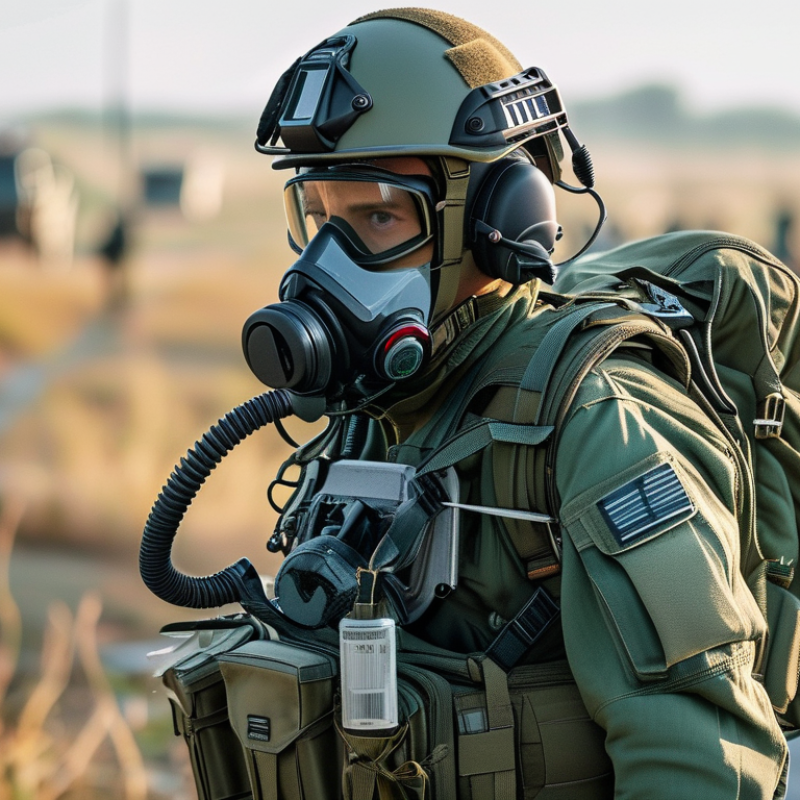
Military gas detectors play a crucial role in modern warfare. They safeguard soldiers from harmful chemical and biological agents. According to a recent report by the Defense Technology Market Research Institute, the global military gas detection market is projected to reach $1.3 billion by 2027. This growth signifies rising threats and the increasing need for effective detection systems.
Proper training is essential for effective use. Detection devices can only be as reliable as the personnel using them. Regular drills and simulations help combat teams recognize and respond to chemical threats. Investing in high-quality detectors is important, but training remains a critical weakness in many military units, leading to lapses in response capabilities.
Gas detection systems vary in effectiveness based on environmental conditions. Certain detectors may struggle in extreme weather. It is vital to evaluate detector performance under diverse conditions. This reinforces the need for military units to continually assess their equipment and strategies. Continuous improvement and testing of these systems are necessary for operational success.
When selecting military gas detectors, several key features demand attention. Sensitivity is crucial, as it determines a detector’s ability to identify low concentrations of hazardous gases. Look for devices capable of detecting a wide range of gases, including toxic and flammable substances. Durability is also essential, given the often harsh environments in which these detectors operate. Consider units with robust housing that can withstand extreme temperatures and moisture.
Another vital feature is response time. A rapid response can prevent life-threatening situations. Many military applications require real-time monitoring. Therefore, opt for detectors designed to provide immediate alerts. Ensure the display is easy to read under various lighting conditions. Intuitive interfaces can make operations smoother in high-stress scenarios.
In the field, flexibility is key. Some detectors allow for easy calibration and maintenance. This aspect may seem minor, yet it can significantly impact operational readiness. Regular testing and calibration ensure reliability. A detector that is easy to adjust reduces the downtime of critical equipment. Prioritize models with a clear maintenance schedule to enhance reliability.
Military gas detectors play a crucial role in ensuring the safety of personnel in hazardous environments. These devices help identify and measure toxic and flammable gases. When choosing a detector, it is vital to compare their features. Sensitivity, response time, and durability are key factors to consider. Some models excel in accuracy, while others may focus on rapid deployment.
When evaluating these detectors, think about specific operational needs. Different missions may require distinct capabilities. Ensure the chosen device can withstand extreme conditions. Users should also reflect on the ease of use. A complicated interface can hinder timely reactions in emergencies.
Regular training on using gas detectors is essential. This increases the effectiveness of safety protocols. Understanding how often to calibrate the devices can prevent false readings. Relying on outdated equipment might lead to serious risks. Make sure to keep updated with advancements in gas detection technology.
Military gas detectors play a crucial role in global operations, ensuring personnel safety in various environments. These devices are essential for detecting hazardous gases such as chlorine, ammonia, and carbon monoxide. According to a recent report by the Military Technology Journal, nearly 30% of military operations have reported incidents involving toxic gases. These incidents highlight the need for reliable gas detection technology.
In scenarios like urban warfare or chemical spill responses, gas detectors can provide immediate alerts. Understanding concentration levels helps commanders make informed decisions. The U.S. Army's Chemical Biological Defense Program emphasizes the importance of timely detection in protecting troops. Failure to detect threats can have dire consequences, including mission failure or loss of life.
Additionally, proper training and maintenance of gas detectors are often overlooked. A survey conducted by the Defense Logistics Agency revealed that about 40% of military personnel felt unprepared to use gas detection equipment effectively. This gap underscores the need for better training protocols. Continuous evaluation of equipment performance is vital, as outdated models might not detect new threats efficiently. Addressing these challenges can greatly enhance operational readiness and safety in military environments.
| Model | Detection Types | Operating Temperature Range | Battery Life | Weight | Special Features |
|---|---|---|---|---|---|
| Detector A | Toxic gases, VOCs | -30°C to +50°C | 24 hours | 1.5 kg | Wireless Connectivity |
| Detector B | Chemical agents | -20°C to +45°C | 36 hours | 1.2 kg | Rugged design |
| Detector C | Radiological materials | -10°C to +40°C | 20 hours | 2.0 kg | Real-time monitoring |
| Detector D | Gas leaks | -15°C to +50°C | 30 hours | 1.8 kg | Data logging |
| Detector E | Biological agents | -5°C to +45°C | 48 hours | 1.3 kg | User-friendly interface |
| Detector F | Combustible gases | -10°C to +60°C | 25 hours | 0.9 kg | Compact and portable |
| Detector G | Multi-gas detection | -20°C to +50°C | 40 hours | 1.6 kg | Rechargeable battery |
| Detector H | Ozone and other oxidizers | -30°C to +55°C | 24 hours | 1.4 kg | LCD display |
| Detector I | Hydrogen sulfide | -10°C to +45°C | 30 hours | 1.1 kg | Acoustic alarms |
| Detector J | Ammonia and refrigerants | -20°C to +50°C | 20 hours | 1.7 kg | Rugged waterproof casing |
The future of military gas detection technologies is shaping up to be both innovative and essential. Recent studies indicate that the global market for gas detection equipment is expected to reach over $4 billion by 2028. This surge is driven by the increasing demand for safety in military operations. Effective gas detection systems are critical for identifying chemical, biological, and radiological threats on the battlefield.
Military organizations are investing in advanced sensor technologies. For instance, artificial intelligence is being integrated into detection systems. AI enhances the accuracy and speed of threat identification. Moreover, wearable detection devices are being developed, allowing soldiers to remain mobile while continuously monitoring air quality. Reports show that 30% of new military investments are now directed toward portable detection technologies.
Despite these advancements, challenges remain. Cost remains a significant barrier for many defense sectors, particularly in emerging markets. Additionally, adapting new technologies to rugged military environments continues to pose difficulties. Training personnel to effectively use these new systems requires an ongoing commitment. As military needs evolve, the focus will likely shift to integrating multi-sensing platforms that offer resilience in diverse operational theaters.
: Sensitivity, durability, and response time are crucial. Look for detectors that identify low gas concentrations effectively.
They detect hazardous gases like chlorine and carbon monoxide, providing immediate alerts during dangerous situations.
Rapid response can prevent life-threatening incidents, making immediate alerts vital for military operations.
Models that allow easy calibration and maintenance enhance operational readiness and reduce equipment downtime.
Regular testing and calibration are essential to ensure reliability and effective detection of potential threats.
Innovations include AI integration and wearable devices, improving accuracy and mobility for soldiers in the field.
Cost barriers and adaptation to rugged environments complicate the implementation of advanced detection systems.
Many feel unprepared; about 40% of military personnel lack effective training on these critical tools.
Continual evaluation ensures readiness. Using outdated models risks missing new threats and compromising safety.
Timely detection can prevent mission failure and loss of life by alerting commanders to potential dangers.
Military gas detectors are essential tools for ensuring the safety and effectiveness of defense personnel in various operational environments. The article delves into the importance of these detectors, highlighting their critical role in identifying hazardous gases and protecting soldiers from potential threats. When selecting a Military Gas Detector, key features such as sensitivity, detection range, and portability must be considered to meet specific operational needs.
The comparative analysis of the top 10 military gas detectors provides insights into their capabilities and applications across diverse scenarios, showcasing their relevance in global operations. Additionally, the article anticipates future trends in military gas detection technologies, which are expected to enhance the reliability and functionality of these vital devices. Overall, understanding the advancements and features of military gas detectors aids in improving safety measures and operational readiness.

Airppb