In today's rapidly evolving world, Air Detection Drones have become essential tools for various industries. These drones provide advanced capabilities for detecting and monitoring airborne substances, ensuring both safety and efficiency. With their precision and versatility, they are transforming how organizations manage environmental threats, from pollution to hazardous material detection.
However, selecting the right Air Detection Drone can be challenging. The market is flooded with options, and not all drones deliver the same level of performance. Buyers must consider factors such as technology, user-friendliness, and specific use cases. This complexity highlights a need for informed decision-making.
Ultimately, understanding the features and applications of these drones can help organizations optimize their investments. Engaging with experts and existing users will offer valuable insights. Recognizing what works and what doesn’t can lead to better choices in a landscape that constantly changes.
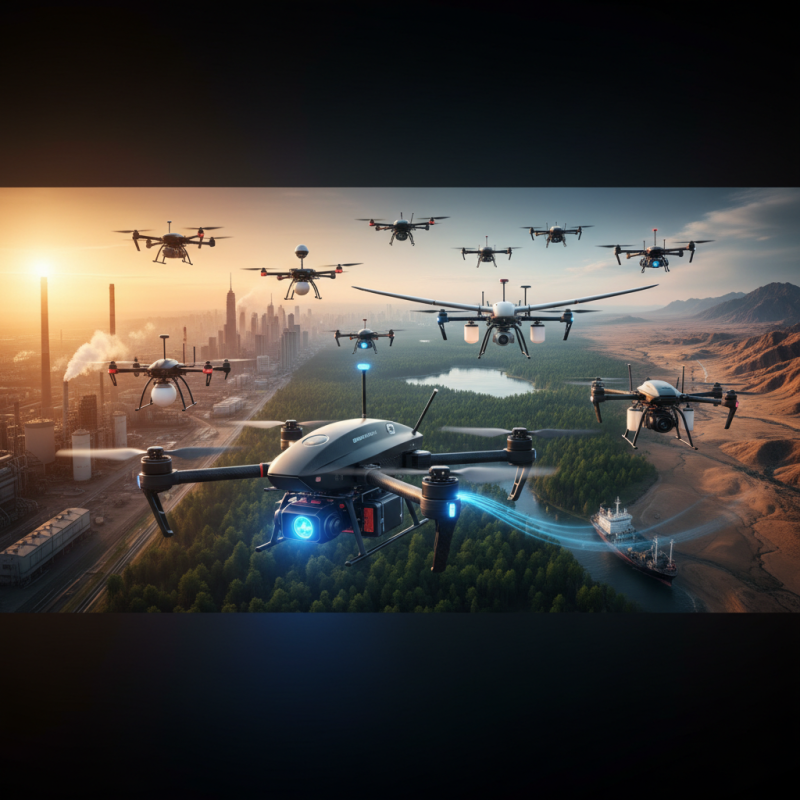
Air detection technology in drones has evolved significantly. These advanced systems use various sensors to identify airborne substances. They play a crucial role in various sectors, including environmental monitoring and disaster management.
The sensors in air detection drones can capture specific particles, chemicals, and gases in the atmosphere. This capability is essential for monitoring air quality in urban areas or detecting changes after natural disasters. The data collected can help authorities make informed decisions. However, the accuracy of readings can sometimes be affected by environmental factors, such as wind speed or temperature.
While many drones are designed to collect air samples efficiently, they face limitations. For example, some drones struggle with altitude restrictions or battery life. These issues can impact their operational effectiveness. Furthermore, users must be trained adequately to interpret the data correctly. This training gap highlights the need for better resources and support in the industry. The potential of air detection drones is substantial, yet challenges remain that necessitate ongoing reflection and improvement.
When selecting air detection drones, buyers should prioritize several key features. First, sensor quality is crucial. High-resolution cameras and thermal sensors enhance detection capabilities. Look for drones with a minimum of 4K video resolution. This level of detail helps in monitoring and reconnaissance tasks. A reliable drone should also offer stable flight performance. Consider the wind resistance and overall durability in various weather conditions.
Battery life is another essential factor. A longer flight time means more coverage in a single mission. Ideally, drones should have a flight time exceeding 30 minutes. In addition, ease of operation comes into play. Intuitive controls can help new users quickly grasp the technology. Several models provide user-friendly interfaces, making training less daunting.
Range is critical too. Effective air detection often requires extended operational reach. Buyers should seek drones with a communication range of over 5 kilometers. However, many models struggle to maintain signal integrity over distance. Therefore, ensure the drone you choose has strong transmission capabilities. This aspect can significantly affect mission success and data quality. As technology evolves, staying informed about trends is beneficial for buyers.
| Model | Max Flight Time | Range | Camera Quality | Features |
|---|---|---|---|---|
| Model A | 30 min | 5 km | 4K | GPS, Obstacle Avoidance |
| Model B | 25 min | 3 km | 1080p | Real-time Video Streaming |
| Model C | 40 min | 10 km | 4K | thermal Imaging |
| Model D | 35 min | 8 km | 2K | 8-axis Stabilization |
| Model E | 20 min | 2 km | 720p | Indoor Control |
| Model F | 45 min | 12 km | 4K | AI Object Recognition |
| Model G | 30 min | 4 km | 1080p | Auto Return-to-Home |
| Model H | 28 min | 6 km | 4K | Waypoint Navigation |
| Model I | 33 min | 7 km | 2K | Multiple Flight Modes |
| Model J | 50 min | 15 km | 4K | Long-range Transmission |
When considering air detection drones, various factors come into play. These drones are designed for multiple uses, including environmental monitoring and safety inspections. Each model offers unique features depending on the specific needs of global buyers.
The reliability of a drone is crucial. Many buyers look for high-quality sensors for accurate data collection. However, some models may fall short in user-friendliness. It’s essential to consider how easy a drone is to operate, especially for newcomers. Product reviews and user feedback generally help gauge performance.
Another important factor is battery life and flight duration. Drones that can sustain longer missions provide greater convenience and efficiency. Yet, some drones may not live up to their advertised specs, leaving buyers frustrated. Exploring different options and identifying your primary needs can improve decision-making. Overall, while the market provides numerous choices, thorough research is necessary for optimal selection.
Air detection drones have emerged as a vital tool in various sectors. These devices enable effective monitoring of air quality and pollution levels. When selecting a suitable drone, buyers should consider several critical factors.
Key differences exist in the capabilities of these drones. Some models prioritize high-resolution imagery, while others focus on advanced sensor technology. The effectiveness of air quality measurements greatly varies between different devices. Buyers must evaluate the accuracy of readings and the range of pollutants detected. This comparison ensures the chosen drone meets specific environmental needs.
Battery life can significantly impact operational efficiency. Drones with longer flight times provide better coverage for larger areas. However, trade-offs in portability and weight may also occur. Some models sacrifice weight for enhanced performance, complicating field transport considerations. Understanding these discrepancies is essential for making informed decisions.
As air detection drone technologies evolve, several trends are emerging. Improved sensors are becoming pivotal for enhancing detection capabilities. These systems now integrate thermal imaging and multispectral sensors. This allows drones to identify variations in environmental conditions more accurately. Such advancements enable users to gather real-time data in diverse scenarios.
In addition, automation is reshaping how these drones operate. Enhanced AI algorithms allow drones to analyze data on the fly. They can make decisions without significant human input. These innovations improve efficiency and reduce the chance of human error. Users should remain informed about the ethical considerations surrounding AI in drone technology.
Tips: Always check the firmware updates. Keeping your drone’s software up-to-date maximizes performance. Also, consider weather conditions before deployment. Drones may not perform well in high winds or heavy rain.
The future indicates a possibility for drones to collaborate with other technologies. For example, pairing drones with IoT devices can enable comprehensive surveillance networks. Users might face challenges too. Overreliance on technology can spill over into critical failures. Balancing technology with human oversight will be crucial for successful operations.
: Prioritize high-resolution cameras and thermal sensors. Aim for a minimum of 4K video resolution for detailed monitoring.
Battery life is essential. Drones should ideally exceed 30 minutes of flight time for better coverage.
Look for drones with a communication range over 5 kilometers. Signal integrity is crucial for effective data collection.
Evaluate the effectiveness of readings and the range of pollutants detected. Different drones vary widely in this aspect.
Improved sensors and automation are key trends. AI algorithms enhance data analysis and reduce human error odds.
Always check firmware updates and consider weather conditions. High winds can greatly impact drone performance.
Yes, drones may pair with IoT devices for more comprehensive monitoring. However, it's crucial to balance with human oversight.
Overreliance on technology can lead to critical failures. It's important to maintain human involvement in operations.
Some models are easier to operate than others. Intuitive controls can help new users, but complexity exists in many options.
The article "Top 10 Air Detection Drones for Global Buyers to Consider" provides a comprehensive overview of air detection technology integrated into drones. It highlights key features that buyers should prioritize, such as advanced sensing capabilities, real-time data analysis, and user-friendly interfaces. Additionally, the article presents a detailed comparison of the top 10 air detection drones, enabling potential buyers to make informed decisions based on performance and functionality.
The discussion also delves into future trends in air detection drone technologies, emphasizing the ongoing advancements in sensor technologies and artificial intelligence. As air detection drones become increasingly vital for various applications, from environmental monitoring to safety inspections, understanding these trends will be crucial for global buyers seeking innovative solutions in this rapidly evolving market.

Airppb