Air pollution is a pressing global issue. As urbanization increases, pollutants threaten public health and ecosystems. To combat this challenge, innovative technologies are emerging, particularly Air Pollution Detection Drones. These drones offer a unique solution for monitoring air quality in real-time across various terrains.
Dr. Emily Grant, an expert in environmental technology, emphasizes, "Air Pollution Detection Drones are transforming how we understand air quality." Her insights highlight the need for advanced tools that provide accurate data. Drones can access hard-to-reach areas, providing invaluable information that traditional monitoring stations cannot.
The development of these drones reflects a growing acknowledgment of air quality's critical role in health and safety. Yet, challenges remain. Reliability and data interpretation require careful consideration. As the industry evolves, ensuring precision in measurements must be a priority. Air Pollution Detection Drones represent both a promising solution and a field needing continuous improvement.
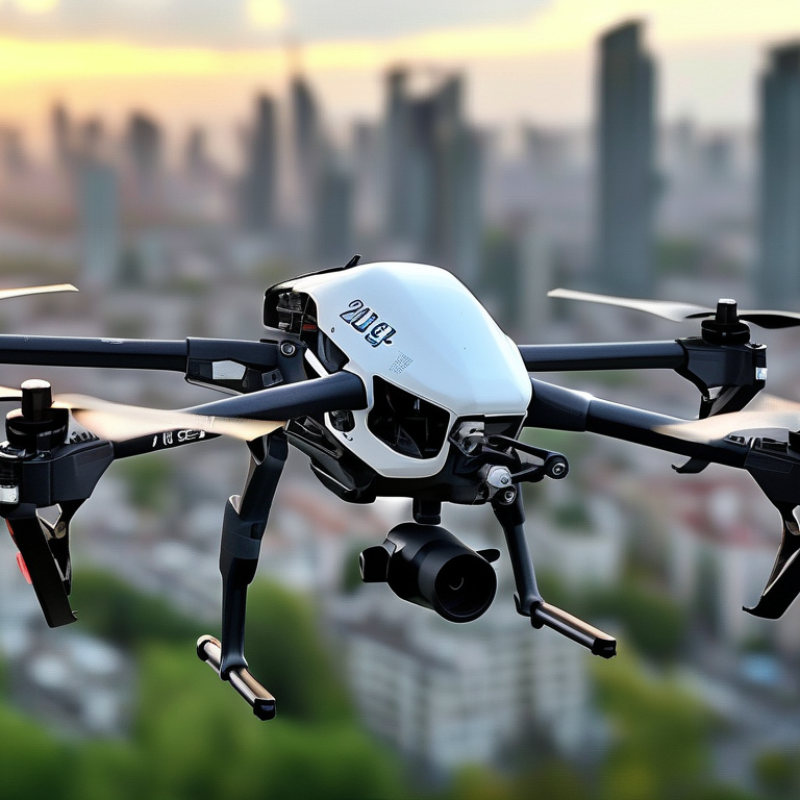
Air pollution detection technologies have evolved significantly in recent years. Drones equipped with advanced sensors can now monitor air quality with precision. These drones capture real-time data on pollutant levels from various altitudes. They offer access to hard-to-reach areas, allowing for broader surveillance. This innovation has drastically changed how communities approach air quality management.
Despite these advancements, challenges remain. Data accuracy can vary depending on environmental conditions. Sensor calibration is vital for reliable readings. Some drones may be limited by battery life, affecting operational range. Understanding these limitations is important for users. Ultimately, there's a need for continuous improvements in both technology and training for operatives. The future may hold exciting possibilities, but careful consideration of current imperfections is essential.
When choosing pollution detection drones, several key features are essential for effective monitoring. High-quality sensors play a crucial role, directly impacting the accuracy of air quality readings. These sensors must measure various pollutants, such as PM2.5, nitrogen dioxide, and sulfur dioxide. Many drones incorporate real-time data transmission, allowing users to view data instantly. This capability supports quick decision-making during pollution events.
Another important feature is flight endurance. Drones capable of extended flight times can cover larger areas, making them ideal for extensive pollution assessments. Meanwhile, automated landing and takeoff functionalities enhance usability. Operators can focus on data collection without worrying about manual controls. Furthermore, user-friendly software aids in analyzing collected data, enabling better understanding and reporting.
Durability is yet another consideration. Drones need to withstand various weather conditions. Tough materials help protect the components from harm. Proper maintenance can extend a drone's lifespan but often requires additional resources. This complexity may present a challenge for many organizations. Balancing advanced features with ease of use is important for operational efficiency.
As air pollution becomes a pressing global issue, innovative technologies are being developed to tackle it. Drones specifically designed for air quality monitoring play a crucial role. These aerial systems can reach difficult areas, offering real-time data on pollution levels. They help identify hotspots by collecting samples efficiently.
Several leading companies are driving advancements in air pollution detection drones. They focus on integrating cutting-edge sensors and imaging technologies. Their expertise enhances the drones' ability to measure pollutants accurately. However, there are challenges. Regulatory hurdles often slow down the implementation of these technologies. Moreover, there are inconsistencies in data collection methods across various regions.
The market landscape is continuously evolving. While there's a strong push for adopting drones, not all regions have the infrastructure to support them. Many potential buyers hesitate due to these concerns. The need for standardized protocols is evident. Addressing these issues can significantly improve the reliability of air quality monitoring efforts.
| Model | Pollutant Detection | Flight Time (minutes) | Range (km) | Price ($) |
|---|---|---|---|---|
| Model A | NO2, SO2, PM2.5 | 45 | 15 | 3500 |
| Model B | CO, Ozone, VOCs | 50 | 20 | 4200 |
| Model C | PM10, CO2, CH4 | 60 | 25 | 5000 |
| Model D | NOx, H2S, Particulates | 55 | 18 | 4800 |
| Model E | O3, NH3, Benzene | 40 | 22 | 4100 |
Air pollution detection has become critical as urban areas grow. Drones play a vital role in monitoring air quality. According to a recent report, the global air quality monitoring market is expected to reach $4.4 billion by 2026. This growth highlights the increasing reliance on advanced technology for environmental assessment.
Several drones are leading the market, each with distinct features tailored for air detection. For instance, some drones utilize advanced sensors that measure particulate matter and gaseous pollutants. Reports indicate that these drones can capture data within a radius of several kilometers, ensuring comprehensive coverage. However, data accuracy varies significantly among different drone models. Some have shown discrepancies in readings due to sensor calibration issues, raising concerns that must be addressed.
User feedback is essential for improving these detection drones. Many users report difficulties in real-time data transmission. Additionally, battery life limitations hinder extended surveys. In some cases, drones are unable to provide consistent data over time. Addressing these challenges will be crucial for manufacturers as the demand for reliable air quality monitoring tools increases.
The future of air quality monitoring drones in 2026 promises exciting advancements. With increasing urbanization, drones are becoming vital tools for real-time air pollution assessment. They provide crucial data, helping city planners and environmental agencies. These drones can detect particulate matter and harmful gases accurately. The integration of AI will enhance data analysis, making it more efficient.
As technology evolves, we may see drones equipped with better sensors and longer flight times. They could cover larger areas in a single flight, providing comprehensive data on air quality. This increased range also raises questions about data privacy and the ethics of surveillance. It’s essential to consider how to balance monitoring needs with community rights.
Despite advancements, challenges remain. The calibration of sensors is often time-consuming and may not always yield consistent results. Moreover, the reliance on drones for air quality monitoring can lead to overlooking ground-level assessments. The synergistic use of ground sensors and drones may offer a more reliable solution. Addressing these gaps will be critical for a future that harnesses drone technology effectively.
This chart represents the projected air quality monitoring capabilities of various drone models in 2026, highlighting their effectiveness in detecting key pollutants such as PM2.5, PM10, NO2, and CO2.
: High-quality sensors are crucial. They measure pollutants like PM2.5, nitrogen dioxide, and sulfur dioxide.
It allows users to view data instantly. This capability supports quick decision-making in critical situations.
Drones with extended flight times can cover larger areas. This makes them ideal for extensive pollution assessments.
It enhances usability. Operators can focus on data collection without manual controls, simplifying operations.
Drones must withstand various weather conditions. Tough materials protect components, ensuring longevity and reliability.
Proper maintenance extends lifespan but requires resources. This complexity can pose challenges for organizations.
It helps identify issues like data transmission difficulties. Manufacturers can improve drones through user experiences and suggestions.
Some drones have calibration issues with sensors. This leads to discrepancies in readings, raising concerns for users.
Battery life limitations can hinder extended surveys. This affects the consistency of data collected over time.
The global market is expected to reach $4.4 billion by 2026. This reflects the increasing reliance on advanced technology.
The article explores the evolving landscape of air pollution detection technologies, highlighting the significance of Air Pollution Detection Drones in this context. It reviews the current state of these technologies, emphasizing key features that make certain drones effective for monitoring air quality. The article presents a comparative analysis of popular models in the market, outlining their unique capabilities and functionalities.
As we look towards 2026, the piece discusses anticipated future trends in air quality monitoring drones. It suggests that advancements in sensor technology, data collection, and real-time analysis will enhance the efficiency and accuracy of Air Pollution Detection Drones, ultimately playing a critical role in addressing global air quality issues. The insights provided serve as a guide for potential buyers seeking reliable solutions for environmental monitoring.

Airppb