Chemical Gas Monitoring plays a vital role in ensuring safety across various industries. With increasing reliance on chemicals, the need for precise monitoring has become crucial. This technology detects hazardous gases, reducing risks for workers and the environment. It promotes a safer workplace by providing real-time feedback on gas levels.
Effective Chemical Gas Monitoring offers numerous benefits that enhance safety solutions. It assists in complying with regulations and guidelines. Companies can avoid costly accidents and potential legal issues. Beyond compliance, effective monitoring fosters a culture of safety and health. Employees feel more secure, knowing their workplace prioritizes their well-being.
However, implementing these systems requires careful consideration. It is essential to select the right types of sensors and devices for specific environments. Some companies may underestimate the training needed for staff. Investing time and resources in training is necessary for an effective response to gas leaks. Every workplace is unique, and tailored solutions will optimize safety outcomes.
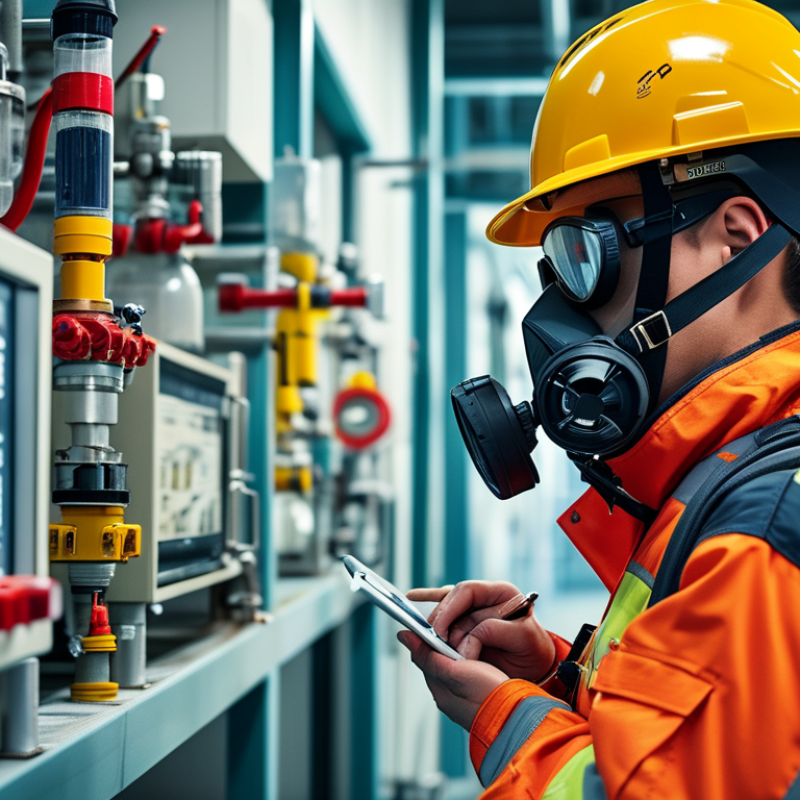
Understanding Chemical Gas Monitoring and Its Importance
Chemical gas monitoring is essential for workplace safety. Installing gas detection systems can prevent exposure to toxic gases, thereby safeguarding employees' health. According to a report by the National Institute for Occupational Safety and Health (NIOSH), nearly 11% of worker fatalities are due to exposure to harmful substances. Monitoring technology significantly reduces these risks.
In sensitive environments like chemical plants and laboratories, real-time data is crucial. Gas sensors can detect abnormalities in air quality, alerting staff to hazards immediately. For instance, a study from the Occupational Safety and Health Administration (OSHA) highlighted that workplaces equipped with gas monitors could reduce incident rates by up to 30%. This proactive approach empowers workers and enhances overall safety culture.
Despite advancements, challenges remain. Some gas monitoring systems may not accurately calibrate, leading to potential false alarms or missed detections. Regular maintenance and validation of these systems are necessary to ensure reliability. Additionally, training personnel to respond to alerts effectively is critical. Awareness and preparedness can make a difference in emergency situations. Balancing technology use and human factors is vital for effective chemical gas monitoring.
Enhancing Workplace Safety Through Real-Time Gas Detection
In various industries, real-time gas detection is vital for ensuring workplace safety. Many hazardous gases are colorless and odorless, making them nearly impossible to detect without proper technology. This is where chemical gas monitoring comes into play. It acts as an invisible guardian, alerting employees to potential dangers before they escalate.
Monitoring systems can detect gas leaks early. They provide immediate feedback, allowing swift action. Workers can evacuate and emergency teams can respond quickly. However, not all monitoring systems are created equal. Regular maintenance and calibration are essential for accuracy. Lack of these can lead to false alarms or missed detections. Testing protocols should be in place to assess equipment regularly.
Yet, some organizations may overlook the importance of training. Employees must know how to interpret readings and respond correctly. Knowledge gaps can turn safety measures into mere routines. Comprehensive training sessions can empower workers, making them proactive rather than reactive. Investing in both technology and education creates a robust safety culture, fostering a safer work environment for everyone.
Preventing Hazards: Early Warning Systems in Gas Monitoring
Gas monitoring systems play a crucial role in ensuring workplace safety. Early detection of hazardous gases can prevent accidents and protect lives. According to the National Institute for Occupational Safety and Health (NIOSH), exposure to toxic gases results in thousands of injuries annually. Effective monitoring allows companies to warn employees of dangerous concentrations before they reach harmful levels.
Implementing advanced gas monitoring solutions can significantly reduce risks. A report from the Occupational Safety and Health Administration (OSHA) indicates that early warning systems can cut incidents by up to 50%. These systems provide real-time data, enabling swift responses to gas leaks or toxic exposure. Employees equipped with personal gas detectors can be alerted immediately, enhancing their safety.
Despite the clear benefits, many facilities still lack adequate monitoring solutions. Only 40% of companies utilize sophisticated gas detection technology, leaving a gap in safety practices. This underutilization raises concerns about worker safety and regulatory compliance. It emphasizes the need for ongoing training and investment in gas monitoring systems. Continuous improvement is essential in protecting personnel and reducing workplace hazards.
Compliance and Regulatory Benefits of Gas Monitoring Systems
Gas monitoring systems play a crucial role in ensuring compliance with safety regulations across various industries. The Occupational Safety and Health Administration (OSHA) sets strict guidelines for worker exposure to hazardous gases. According to recent data, nearly 49% of businesses fail to meet these compliance requirements. This gap can lead to significant fines and increased liability for companies. Emphasizing safety through proper gas monitoring not only protects workers but also reinforces a company's commitment to regulatory adherence.
Moreover, real-time monitoring of chemical gases enhances workplace safety. A report by the National Institute for Occupational Safety and Health indicates that effective gas detection can reduce workplace accidents by up to 70%. Such proactive measures create a safer environment and instill confidence among employees.
Companies that prioritize gas monitoring illustrate a forward-thinking approach, yet many still overlook basic implementation steps. Regular audits and maintenance of monitoring systems often are neglected, leading to potential risks and regulatory penalties.
Cost-Effectiveness: Reducing Incidents and Enhancing Efficiency
Chemical gas monitoring systems present significant cost-effectiveness by preventing accidents and improving operational efficiency. Data from a recent industry report highlights that effective monitoring can reduce incidents by as much as 40%. This decrease lowers associated costs, including emergency response and equipment losses. When companies implement robust monitoring solutions, they often see savings in insurance premiums, as insurers factor in reduced risk.
The efficiency gains are also notable. Real-time data allows quick responses to potential hazards. According to the National Safety Council, timely interventions can save companies thousands of dollars. Workers feel more secure in a monitored environment. This confidence enhances productivity and reduces turnover rates.
However, the initial investment in monitoring technology can be a barrier. Many companies hesitate, fearing upfront costs outweigh benefits. Yet, over time, these systems can pay for themselves. Continuous improvement in safety protocols should be prioritized. Overall, the long-term gains from chemical gas monitoring significantly surpass initial expenses, paving the way for sustainable operations.
Top 10 Benefits of Chemical Gas Monitoring for Safety Solutions
| Benefit |
Description |
Impact on Cost |
| Improved Safety |
Reduces the risk of harmful exposure to toxic gases. |
Lower health-related costs |
| Regulatory Compliance |
Helps organizations meet government safety regulations. |
Avoid penalties and fines |
| Enhanced Operational Efficiency |
Streamlines processes by providing real-time data. |
Increased productivity |
| Cost Savings |
Reduces incidents that could lead to costly downtime. |
Decreased operational costs |
| Data-Driven Decisions |
Provides analytics for better management decisions. |
Improved resource allocation |
| Damage Prevention |
Early detection of gas leaks prevents damage to equipment. |
Reduced repair costs |
| Employee Satisfaction |
A safer work environment leads to higher employee morale. |
Lower turnover costs |
| Insurance Benefits |
Potential for lower insurance premiums due to safety measures. |
Reduced insurance costs |
| Emergency Preparedness |
Helps develop effective emergency response plans. |
Minimized disruption costs |
| Reputation Management |
Maintaining a strong safety record enhances brand reputation. |
Attract more clients |
FAQS
: It helps ensure safety by detecting hazardous gases early, preventing potential dangers.
Lack of maintenance can lead to false alarms or missed detections, increasing risks.
Without proper training, employees may misinterpret readings, reducing the effectiveness of safety protocols.
They help companies comply with safety regulations, reducing the likelihood of fines and liabilities.
Effective detection can lower workplace accidents by up to 70%, creating a safer environment.
They can reduce incidents by 40%, lowering emergency response costs and insurance premiums.
Companies often fear initial costs outweigh long-term benefits, even though systems can pay for themselves.
Immediate feedback allows prompt action, saving companies thousands of dollars in potential losses.
Many organizations neglect regular audits and maintenance, exposing themselves to risks.
Yes, a monitored environment boosts worker confidence, enhancing productivity and reducing turnover.
Conclusion
Chemical Gas Monitoring plays a crucial role in ensuring safety across various industries. By providing real-time gas detection, these monitoring systems significantly enhance workplace safety, allowing for immediate responses to hazardous situations. Furthermore, the early warning systems incorporated into gas monitoring help in preventing potential dangers, thereby protecting both personnel and equipment from harm.
Additionally, implementing Chemical Gas Monitoring systems ensures compliance with regulatory standards, which is essential for maintaining operational licenses and creating a culture of safety. Moreover, the cost-effectiveness of these systems can't be overlooked; by reducing the frequency of incidents and enhancing overall efficiency, organizations can save on costs associated with accidents and downtime, ultimately leading to a safer and more productive work environment.

 Airppb