In today’s industrial landscape, the importance of effective gas detection cannot be overstated. Gas detectors are essential safety tools that monitor for hazardous gases in various environments. According to a report from MarketsandMarkets, the global gas detection market is expected to reach $4.86 billion by 2026, growing at a significant rate. This surge emphasizes the need for reliable gas detector technology.
Industry expert Dr. James Miller has stated, "The right gas detector not only saves lives but also enhances operational efficiency." His perspective highlights the dual role of gas detectors in ensuring safety and improving productivity. As demand for these devices grows across sectors, understanding the various options available becomes critical for buyers.
However, not all gas detectors meet the same standards. Some devices may lack the sensitivity required for specific gases. Buyer awareness and education are vital here. Choosing the right gas detector should be based on knowledge of each model's features and reliability. This inquiry into gas detectors is more than just a purchase; it's an investment in safety and efficiency.
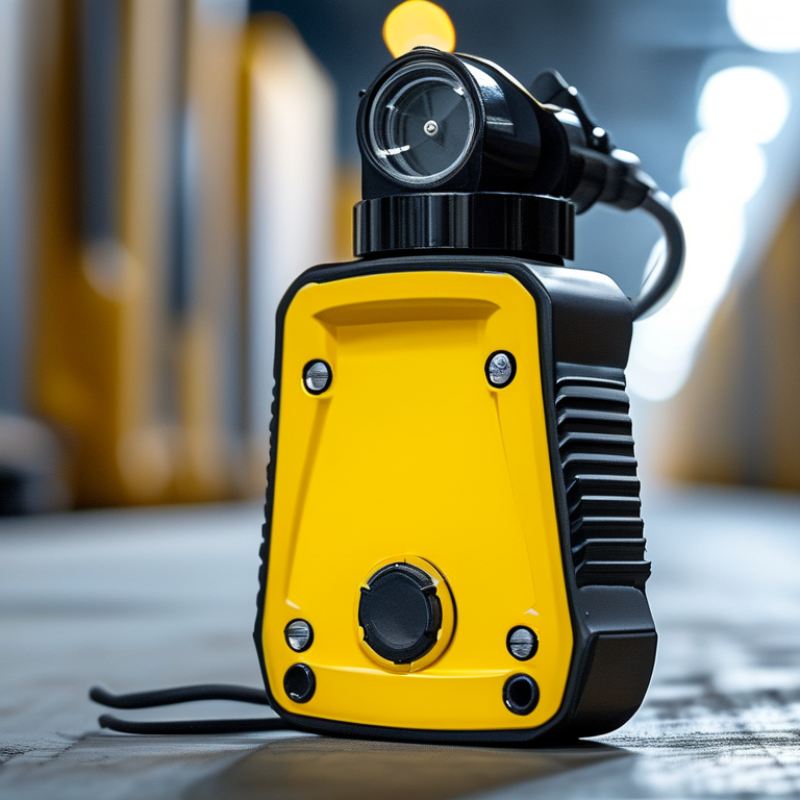
When choosing a gas detector, several crucial factors come into play. First, consider the types of gases that need to be monitored. Common hazardous gases include carbon monoxide, methane, and hydrogen sulfide. Each type of gas has distinct detection methods and sensitivities. Selecting a gas detector that specifically targets these gases can enhance workplace safety significantly.
Another important aspect is the detector's response time. Research indicates that gas detectors with a faster response time can reduce potential risks. A delay in detection can lead to serious accidents. Moreover, portability is essential, especially in industrial settings. A lightweight and compact design allows workers to easily carry the device during various tasks, increasing compliance with safety protocols.
The power source of the detector also warrants attention. Battery-operated models provide convenience but require regular checks. A wired option may offer reliability in environments where consistent power is available. Lastly, consider the ease of calibration. Regular calibration is essential for maintaining accuracy. Devices that are user-friendly in this aspect can save time and resources.
Gas detectors play a crucial role in ensuring safety in various environments. The market features several types of gas detectors, each catering to specific gases and user needs. Common types include electrochemical, infrared, and catalytic bead detectors. According to industry reports, electrochemical sensors are favored for detecting toxic gases due to their sensitivity and low power consumption. They effectively measure gases such as carbon monoxide and hydrogen sulfide.
Infrared gas detectors are known for their ability to monitor combustible gases. Their non-dispersive infrared (NDIR) technology allows for accurate readings in potentially explosive environments. Reports suggest that these detectors are increasingly used in industries like oil and gas, where gas leaks can be hazardous. They can measure concentrations from parts per million (ppm) to percentage levels.
Catalytic bead sensors have been widely adopted for flammable gas detection. They operate by measuring the heat generated from a gas's combustion. While effective, these sensors may lead to false alarms under certain conditions. Thus, users must consider installation environments carefully. Each type of detector serves different purposes, and selecting the right one is essential for safety and efficiency.
When selecting a gas detector, understanding features and specifications is crucial. Many types of detectors serve various environments like industrial sites or residential areas. Look for devices that can identify multiple gases, including CO2, methane, and hydrogen sulfide. Detection range and sensitivity are also essential factors. A robust model provides precise readings, ensuring safety in hazardous situations.
Consider durability. Gas detectors must withstand harsh conditions. A solid build protects sensitive components. Battery life is another key feature. Look for long-lasting batteries to avoid frequent replacements. User-friendly interfaces simplify operation. Intuitive controls help in stress situations.
**Tips:** Regularly calibrate the device. Calibration ensures accurate readings. Be aware of the detector’s limitations. Manufacturers may specify optimal ranges. Always read user manuals for proper maintenance.
| Model | Detection Range | Battery Life | Weight | Price |
|---|---|---|---|---|
| Model A | 0-1000 ppm | 24 hours | 300 g | $150 |
| Model B | 0-5000 ppm | 20 hours | 350 g | $200 |
| Model C | 0-1000 ppm | 30 hours | 280 g | $180 |
| Model D | 0-3000 ppm | 18 hours | 320 g | $220 |
| Model E | 0-500 ppm | 22 hours | 310 g | $160 |
| Model F | 0-2000 ppm | 25 hours | 340 g | $190 |
| Model G | 0-1500 ppm | 28 hours | 290 g | $175 |
| Model H | 0-700 ppm | 26 hours | 330 g | $205 |
| Model I | 0-1200 ppm | 27 hours | 300 g | $165 |
| Model J | 0-600 ppm | 29 hours | 345 g | $155 |
Gas detectors play a crucial role in ensuring safety in various environments. They are the first line of defense against harmful gas exposure. User reviews are an essential resource for buyers, revealing real-world experiences and ratings of these devices. Many users emphasize the importance of accuracy. A small error in detection can lead to dangerous situations. Therefore, selecting reliable devices based on user feedback is vital.
Another common point in reviews is ease of use. Several users mention that complex interfaces can be frustrating. Simple displays and intuitive controls make a significant difference in daily operations. Many prefer detectors that provide clear alerts and easy readings. This feedback often shapes the design and functionality of newer models.
Pricing also impacts buyer decisions. Users recognize that while premium models may offer advanced features, budget-friendly options can be effective too. Comparing user ratings can highlight the value versus cost of different detectors. This critical analysis helps buyers make informed choices. Ultimately, understanding user opinions fosters a more secure selection process.
When considering gas detectors, pricing is crucial. Various models vary widely in price, reflecting their features. Some cost-effective options cater to basic needs, while advanced models provide enhanced safety. Understanding price ranges helps buyers find the right balance of quality and affordability.
Features often influence the pricing structure. For instance, additional capabilities such as real-time data monitoring or integration with smart home systems can increase costs. Basic models may lack these functionalities, making them cheaper but potentially less effective. Buyers should evaluate what features align with their safety requirements.
Comparing prices across different platforms is essential. While one retailer may offer a lower price, shipping costs can offset savings. Exploring customer reviews and expert opinions can also provide insight into the reliability of each model. Making an informed choice requires thorough research and understanding the implications of varying price points.
: Common hazardous gases include carbon monoxide, methane, and hydrogen sulfide. Each requires specific detection methods.
Faster response times can reduce potential risks. Delays may lead to serious accidents.
Portability is crucial, especially in industrial settings. A lightweight design allows easy movement during tasks.
There are battery-operated and wired models. Battery models need regular checks, while wired ones offer reliable power.
Regular calibration maintains accuracy. User-friendly calibration saves time but may require effort to understand.
Look for detection range, sensitivity, and durability. A solid build protects sensitive parts in harsh environments.
Not necessarily. Basic models may lack advanced features but meet essential needs at lower prices.
Features like real-time monitoring and durability can increase costs. Evaluate your specific safety needs first.
Yes. Reading user manuals helps proper maintenance and understanding of the device’s limitations and capabilities.
Thorough research is key. Compare prices, read reviews, and consider features that meet your safety requirements.
When selecting a gas detector, several key factors must be considered to ensure effective and safe detection of hazardous gases. These include the detector's sensitivity, response time, type of gases it can detect, portability, and battery life. Understanding the various types of gas detectors available in the market—such as portable, fixed, and multi-gas detectors—can also aid buyers in making informed decisions.
In evaluating the top 10 gas detectors, features and specifications are critical to match specific user needs. User reviews and ratings provide valuable insights into reliability and performance, while a comparative price analysis helps to identify options within different budget ranges. By considering these elements, buyers can confidently select a gas detector that meets their requirements and ensures safety in both professional and residential environments.

Airppb