Industrial safety is a paramount concern, especially when dealing with hazardous materials. One such material is phosgene, which poses significant risks in various manufacturing processes. Protecting workers and facilities from phosgene exposure requires reliable detection systems. A Phosgene Gas Detector plays a crucial role in identifying this dangerous gas quickly and accurately.
There is a range of detectors available on the market, each with unique features. Some detectors offer portable designs, making them ideal for constant monitoring. Others are integrated into fixed systems, providing comprehensive safety solutions. However, selecting the right detector can be challenging. The variety of options can often lead to confusion.
Investing in the right Phosgene Gas Detector is essential for safety. Regular calibration and maintenance are critical to ensure functionality. Industry leaders emphasize the importance of not compromising on quality. In cases where detection fails, the consequences can be dire. Therefore, it is vital to stay informed and choose wisely.
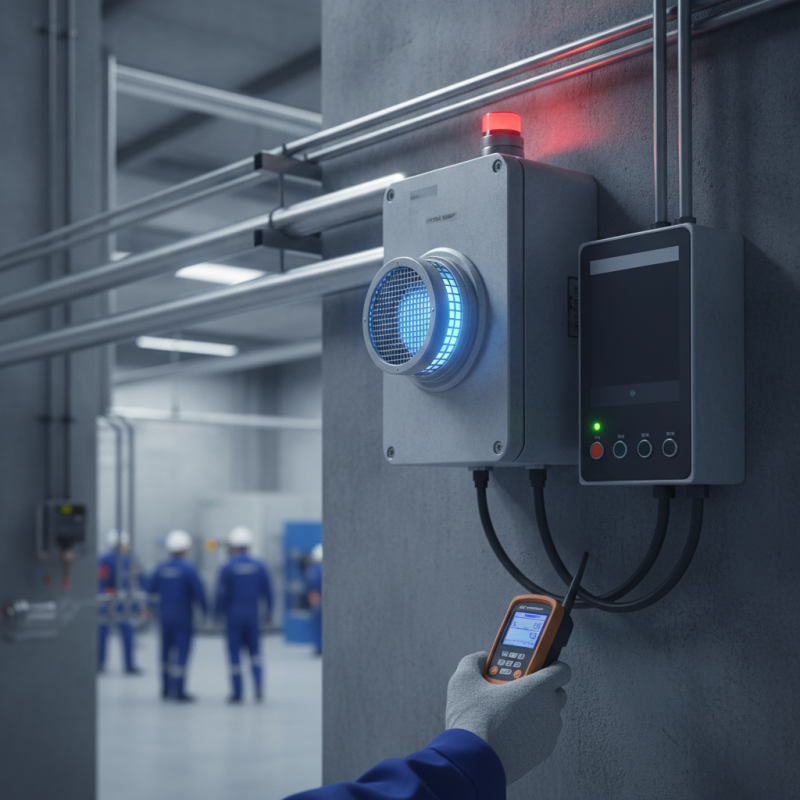
Phosgene gas is a highly toxic compound primarily used in the chemical industry. Its role in synthesizing pharmaceuticals and agrochemicals highlights its importance. However, the dangers it poses cannot be overstated. Exposure can lead to severe respiratory issues and even long-term health effects. Workers in industries handling phosgene must prioritize safety.
In an industrial setting, proper detection of phosgene is crucial. Advanced gas detectors can identify leaks promptly, reducing risk. Regular maintenance and calibration of these devices ensure their reliability. Moreover, safety training for employees adds another layer of protection. A solid understanding of the risks associated with phosgene can help in implementing better safety measures.
Industries must remain vigilant. Even small missteps can lead to catastrophic results. Investing in robust safety protocols is essential. Employee awareness and the functionality of detection systems are key in navigating the challenges posed by such hazardous materials. Continuous assessment of safety practices remains vital.
Phosgene is a highly toxic gas that poses serious health risks in industrial settings. Exposure can occur through inhalation, skin contact, or ingestion. Even small amounts can lead to severe respiratory distress. Symptoms often take hours to appear, complicating immediate response efforts. Long-term exposure can result in chronic lung conditions and other serious illnesses.
The health hazards associated with phosgene vary in severity. Initial signs may include coughing and difficulty breathing. These can escalate to chest pain and pulmonary edema, which is life-threatening. Understanding these hazards is crucial for workers and employers alike. Proper training and preparedness can mitigate risks significantly. Ensuring that safety protocols are in place is vital.
Detecting phosgene in the workplace is essential for safety. However, warnings can come too late if exposure occurs. Regular monitoring and prompt response to leaks are key. Employees should be equipped with knowledge about the signs of exposure. This awareness can save lives. Overall, while we strive for safety, it's critical to reflect on our practices and identify areas for improvement.
This chart represents the health risk levels associated with different concentrations of phosgene gas in parts per million (ppm). Exposure to higher levels of phosgene can lead to severe health hazards, necessitating effective detection methods in industrial environments.
When selecting phosgene gas detectors, several criteria are crucial. Reliability is paramount. A detector must provide consistent readings in various conditions. Look for devices that ensure accuracy and rapid response times. Regular calibration is necessary to maintain effectiveness. In many environments, a detector might be exposed to various substances. This can affect its performance, making robust design essential.
Another important factor is ease of use. A user-friendly interface aids quick training. Simple operation ensures that workers can focus on safety rather than struggling with technology.
Portability is also worth considering. Detectors should be lightweight and easy to move around, especially in large facilities. Battery life is another aspect to keep in mind. An extended battery life helps avoid unexpected shutdowns during critical operations.
Moreover, consider compatibility with monitoring systems. Integration with existing systems makes data management more efficient. However, it’s essential to evaluate whether this compatibility truly meets your needs. Some advanced detectors come with many features, but unnecessary complexity can lead to errors. Balancing advanced technology with straightforward functionality is key to maintaining safety and efficiency in the workplace.
Phosgene gas is highly toxic and poses significant risks in industrial environments. The importance of reliable detection cannot be overstated. According to the National Institute for Occupational Safety and Health (NIOSH), exposure to phosgene can lead to severe respiratory issues and even fatality. Therefore, investing in effective gas detectors is essential for workplace safety.
Currently, several phosgene gas detectors are available that meet stringent safety standards. Most of these devices utilize advanced sensor technologies, capable of detecting low levels of phosgene quickly. For instance, many detectors offer real-time monitoring, ensuring immediate alerts when gas concentrations rise. Reports indicate that the detection threshold can be as low as 0.1 parts per million (ppm), which emphasizes the necessity for precision in high-stakes environments.
However, not all detectors are created equal. Some may lack features such as data logging or remote sensing capabilities. Users should consider the environment in which the detector will be used. Factors like humidity, temperature, and potential interference can impact performance. Regular maintenance and calibration are also critical. Utilizing devices without adhering to these guidelines may lead to dangerous oversights. Investing in quality detection is not just a regulatory obligation but a vital step in safeguarding lives.
| Model | Detection Range (ppm) | Response Time (seconds) | Power Supply | Weight (grams) |
|---|---|---|---|---|
| Model A | 0.1 - 5 | 15 | Rechargeable Battery | 250 |
| Model B | 0.05 - 10 | 20 | AC Adapter | 300 |
| Model C | 1 - 50 | 10 | Battery | 200 |
| Model D | 0.1 - 20 | 25 | Solar Powered | 350 |
| Model E | 0.2 - 15 | 18 | USB Charging | 280 |
Using phosgene gas detectors is crucial in industrial settings where this hazardous chemical is present. Effective training ensures that personnel understand the detector’s features and limitations. Regular training sessions help workers recognize symptoms of exposure and the importance of immediate action. It is vital to remember that detectors can malfunction. Always verify that your devices are calibrated properly.
When operating phosgene detectors, ensure that the area is well-ventilated. Position the detectors at various heights to monitor gas concentrations effectively. Inspect devices occasionally for wear and tear. A malfunctioning detector could lead to critical scenarios. Implement a routine maintenance schedule to minimize risks. Have clear emergency protocols in place, and always conduct drills for unexpected leaks.
Communication is key in any safety plan. Workers should report any abnormal readings immediately. A transparent culture encourages vigilance and quick response. Additionally, maintaining a feedback loop about detector performance can enhance safety measures. Safety is a shared responsibility that requires constant attention and improvement. By fostering an environment focused on safety and awareness, industries can mitigate risks associated with phosgene gas.
: Phosgene gas is a highly toxic compound used in the chemical industry. It is essential for synthesizing pharmaceuticals and agrochemicals.
Exposure can cause severe respiratory problems. Symptoms may take hours to appear, complicating the response to emergencies.
Symptoms include coughing and breathing difficulties. If untreated, they can escalate to chest pain and pulmonary edema.
Prompt detection reduces risks. Advanced gas detectors can identify leaks early, helping prevent severe health effects.
Reliability and accuracy are crucial. Detectors should work effectively across various conditions and have a user-friendly design.
Proper training raises awareness of risks. It helps employees recognize signs of exposure and follow safety protocols effectively.
Maintenance ensures detectors provide consistent and accurate readings. Neglecting this can lead to failures in critical situations.
Awareness can save lives. Employees informed about phosgene risks and exposure symptoms can respond more effectively to incidents.
Immediate action is crucial. Employees should follow safety protocols and evacuate if necessary while reporting the leak.
Yes, overly complex systems can lead to errors. Balancing advanced features with simplicity is vital for effective safety management.
Phosgene gas, a toxic compound used in various industrial applications, poses significant health risks upon exposure. To ensure safety in environments where phosgene is present, selecting an effective phosgene gas detector is crucial. The decision-making criteria include sensitivity, reliability, response time, and ease of use. Understanding these factors can help industries choose the right detectors for their needs.
Currently, there are several phosgene gas detectors on the market, each offering unique features that enhance workplace safety. Best practices for using these detectors involve regular calibration, proper maintenance, and adequate training for personnel. By adhering to these guidelines and selecting the appropriate phosgene gas detector, industries can significantly mitigate the risks associated with phosgene exposure, thereby protecting the health of their workforce.

Airppb