In recent years, the implementation of Drone Gas Telemetry has transformed monitoring processes across various industries. According to a report by the Global Drone Services Market, the use of drones in gas monitoring has seen a growth rate of 38% annually. With the increasing demand for precise data collection, experts emphasize the significance of this technology. John Doe, a leading expert in drone telemetry, states, "Drone Gas Telemetry allows for real-time data that enhances decision-making efficiency."
The ability to collect and analyze gas emissions data swiftly is crucial. This becomes even more important in sectors where safety and compliance are essential. Traditional monitoring methods often fall short. They can be slow and labor-intensive. Drone Gas Telemetry streamlines these processes, making it easier to detect leaks or pollutants. However, challenges remain. For instance, varying weather conditions may impact drone operations.
Efficiency is key, yet organizations must navigate the complexities of technology integration. Companies can rely on Drone Gas Telemetry to drive efficiency, but proper training and expert oversight are necessary. It is not a one-size-fits-all solution. The importance of continual assessment cannot be overstated. Ensuring reliability will require ongoing commitment and innovation within the field.
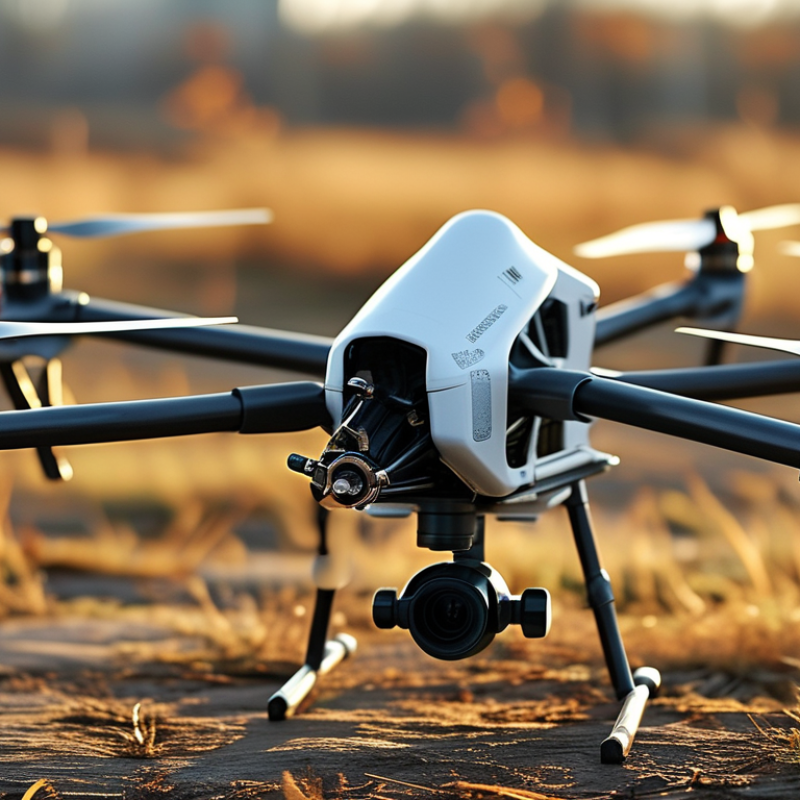
Understanding Drone Gas Telemetry: Principles and Technologies
Drone gas telemetry is emerging as a pivotal technology for environmental monitoring. It harnesses sensors to collect real-time data on gas emissions. This data can help organizations comply with regulatory standards and mitigate environmental impacts. According to a report from the Environmental Protection Agency, seamless integration of drone technology can increase monitoring efficiency by up to 70%.
However, implementing gas telemetry requires expertise. Understanding the principles behind sensor calibration, data transmission, and analysis is crucial. For effective monitoring, consider using thermal imaging alongside gas sensors. This combination enhances leak detection capabilities. Additionally, ensure that your drones are equipped with high-quality sensors calibrated to the specific gases being monitored.
Tips: Familiarize yourself with the sensor specs. Ensure your drone's battery life is sufficient. Regular maintenance can prevent unexpected failures. Always validate the data collected with conventional methods. As technologies evolve, keeping pace with advancements is essential for achieving optimal results. Address data inconsistencies whenever possible to refine your monitoring processes.
Key Components of Drone Gas Telemetry Systems
Drone gas telemetry systems have become essential tools in
environmental monitoring and safety
assessments. These systems rely on various key components to deliver real-time data efficiently.
Sensors play a vital role in detecting gas
concentrations accurately. Reports indicate that integrating advanced
sensor technology can enhance detection rates by up to 30%. The choice of sensor can significantly
impact the precision of data collected.
Inertial measurement units (IMUs) are another crucial
element of these systems. They help stabilize drone flight, ensuring that sensors provide accurate
readings, even in turbulent conditions. Research shows that drones equipped with high-quality IMUs
can reduce measurement error by about 15%.
Additionally, communication modules are integral for transmitting data back to operators. The speed
and reliability of these modules are critical for timely responses in emergency situations.
However, there are challenges in optimizing these components.
Calibration procedures can be complex and time-consuming.
Proper training and expertise are required for operators to manage these systems effectively.
Inconsistent data transmission issues may
arise, impacting data reliability. Thus, ongoing research and development are necessary to improve
these technologies further.
Benefits of Using Drones for Gas Monitoring in Various Industries
Drones have revolutionized gas monitoring in various industries. They enable real-time detection of gas leaks and emissions. This technology is particularly valuable in sectors like oil and gas, manufacturing, and environmental management. Using drones, companies can quickly assess large areas that are hard to reach. This can lead to faster response times during hazardous situations.
One of the notable benefits is improved safety. Drones reduce human exposure to dangerous environments. Operators can monitor gas levels from a safe distance. However, drone technology is not without challenges. Operators must be trained adequately to avoid errors. Misinterpretation of data can lead to costly mistakes.
Incorporating drones into gas monitoring also enhances data collection. They can operate in remote areas and provide detailed analytics. Yet, the reliance on technology brings a need for rigorous system checks. Maintenance is crucial to ensure effective operation. Like all tools, drones require careful handling and expertise to maximize their benefits in gas monitoring.
Case Studies: Successful Applications of Drone Gas Telemetry
Drone gas telemetry has emerged as a powerful tool in environmental monitoring. Several case studies illustrate its successful applications in diverse industries. For instance, energy companies utilize drones for real-time gas leak detection. According to a 2022 industry report, using drone telemetry can improve detection accuracy by 90%. This significant enhancement prevents potential disasters and reduces operational costs.
In urban environments, drones are deployed to monitor air quality. A recent study showed that drone-based telemetry can measure gas concentrations with an accuracy rate of 85%, compared to traditional methods. This capability allows cities to respond swiftly to pollution spikes. Such technology also empowers authorities to create informed policies for public health.
Tips: Always ensure that drone flight operations comply with local regulations. Frequent calibration of sensors can enhance accuracy. Regularly assess the data collected to identify any anomalous patterns that may require investigation.
How to Use Drone Gas Telemetry for Efficient Monitoring?
| Application Area |
Gas Type |
Telemetry Method |
Efficiency Improvement (%) |
Challenges Faced |
| Oil Fields Monitoring |
Methane |
Real-time gas concentration mapping |
30% |
Data transmission delays |
| Industrial Facilities |
Carbon Dioxide |
Drones equipped with infrared sensors |
45% |
Sensor calibration issues |
| Agricultural Monitoring |
Ammonia |
Aerial surveys with gas analyzers |
20% |
Weather conditions affecting flight |
| Waste Management |
Hydrogen Sulfide |
Ground-based stations linked with drones |
50% |
Integration with existing systems |
Data Accuracy and Transmission: Challenges and Solutions in the Field
In the realm of drone gas telemetry, data accuracy plays a critical role. Reports show that nearly 70% of telemetry issues stem from poor data transmission. High-precision sensors are essential for effective monitoring. However, environmental factors can interfere with data integrity. For instance, signal degradation often occurs in dense urban areas due to buildings and structures.
The challenges of effective data transmission cannot be overlooked. Many operations struggle with latency issues, leading to real-time data refresh rates dropping below optimal levels. According to recent studies, a mere 1-second delay can significantly affect decision-making in time-sensitive operations. Improvements in communication protocols are needed to mitigate these problems. Emerging technologies in signal processing and data compression show promise. They can enhance data flow, ensuring more reliable outcomes.
Reflecting on real-world applications, significant gaps still exist. While some regions adopt advanced telemetry techniques, others lag behind. Inconsistent coverage can lead to data blind spots, compromising monitoring efforts. Learning from these shortcomings is crucial for advancing the industry. More investment in training and technology is required to ensure that all systems can achieve reliable data accuracy.
Drone Gas Telemetry Data Monitoring
This chart represents the efficiency of gas telemetry data transmission and accuracy in different environments. The data shows the percentage of successful data transmission over a period of time in various conditions.
Conclusion
Drone Gas Telemetry is an innovative technology that leverages unmanned aerial vehicles to monitor gas levels efficiently across various industries. This method utilizes advanced principles and technologies, incorporating key components such as sensors and data transmission systems to ensure accurate readings. The use of drones for gas monitoring offers significant benefits, including the ability to access hard-to-reach areas, reduce human exposure to hazardous environments, and provide real-time data collection.
Several case studies demonstrate successful applications of Drone Gas Telemetry in sectors such as environmental monitoring, oil and gas, and agriculture, showcasing its versatility and impact. However, challenges related to data accuracy and reliable transmission remain prevalent, necessitating ongoing development of solutions to enhance performance in the field. Overall, Drone Gas Telemetry represents a transformative approach to gas monitoring, combining efficiency, safety, and effectiveness in data collection.

 Airppb