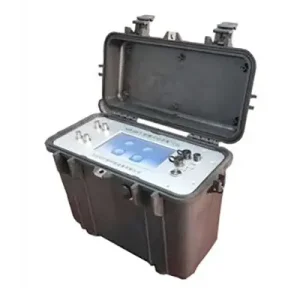
 Middle East MR-DF3 Portable High-Precision Dynamic Gas Distribution Meter Manufacturer, Brand
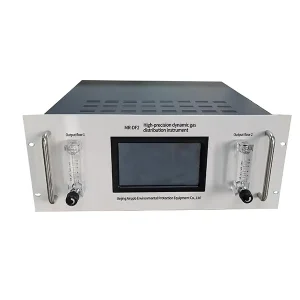 Emergency MR-DF2 High-Precision Dynamic Gas Distribution Instrument Brand, Ranking
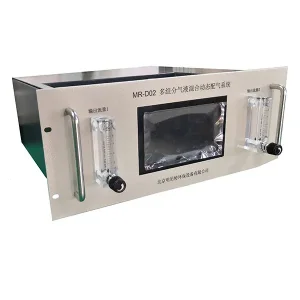 Russia MR-DO2 Multi-Component Gas-Liquid Mixing Dynamic Gas Distribution Instrument Manufacturer, Brand
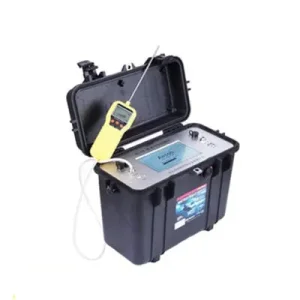
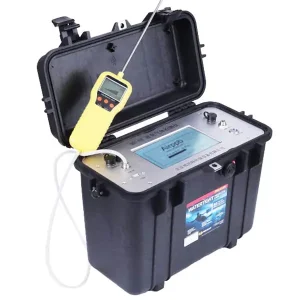 Middle East MR-AX Multi-Gas Detector Can Measure Dozens Of Gases Brand, Ranking
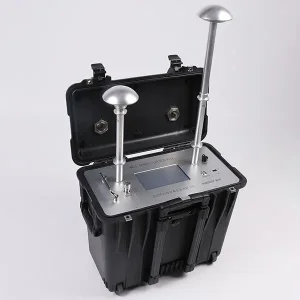
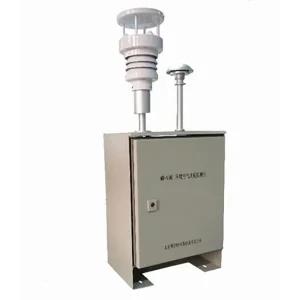 Middle East MR-A(M) Ambient Air Quality Monitor (Micro Air Station) Manufacturer, Ranking
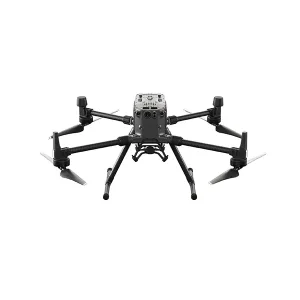 Environmental Protection Industry MR-FAT Fourier Transform Infrared Telemeter Brand, Ranking
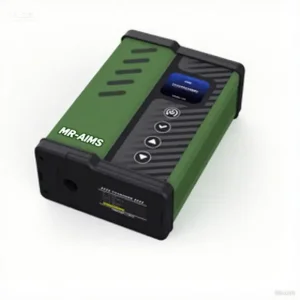 Petroleum And Petrochemical Industry MR-AIMS Handheld IMS Chemical Identifier Gas Identifier Brand, Ranking
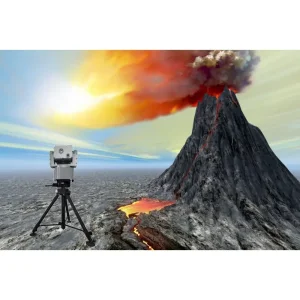
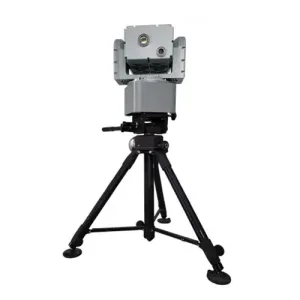 Military MR-ACT Gas Telemetry Imaging Early Warning System Manufacturer, Brand
The maritime industry is undergoing a digital and safety-focused revolution. Firefighting portable gas detectors on ships are no longer just optional accessories; they are critical life-saving instruments regulated by international mandates such as SOLAS Regulation XI-1/7. Globally, the demand for high-precision gas detection is surging as fleet owners emphasize the protection of crew members against oxygen deficiency, flammable vapours, and toxic gases in enclosed spaces.
According to recent industrial market analyses, the maritime gas detection market is projected to grow significantly, driven by the increasing transport of Liquefied Natural Gas (LNG), chemical substances, and petroleum products. Manufacturers worldwide are competing to provide devices that are not only accurate but also "intrinsically safe" and rugged enough to withstand the corrosive salty environments of the open sea.
The global portable gas detector market for maritime applications is growing at a steady CAGR of 6.4%, with the Asia-Pacific region leading the procurement volume.
Strict adherence to IMO (International Maritime Organization) standards ensures that all ships carry at least one portable 4-gas detector for enclosed space entry.
Shift from reactive firefighting to proactive gas telemetry imaging, allowing crews to visualize gas leaks before entering hazardous zones.
As a leading manufacturer in the gas detection ranking, we are witnessing a pivot toward "Smart Detection." Modern ships are integrating AI-powered algorithms with gas sensing hardware to provide real-time risk assessment. The adoption of Fourier Transform Infrared (FTIR) remote sensing imaging is a game-changer for the firefighting industry. This technology allows for the detection of multi-component gases from a safe distance, providing a thermal-like image of the gas cloud.
Future trends include IoT-connected wearable gas monitors that sync with the ship’s bridge via Bluetooth or LoRaWAN. This ensures that the captain is aware of the safety status of every crew member during firefighting drills or emergency repairs in the engine room. Our MR-ACT series exemplifies this trend, offering gas telemetry imaging that transforms invisible threats into visible data points.
Global ship procurement managers in regions like the Middle East, Russia, and Europe look for three primary factors: Reliability, Certification, and Cost-effectiveness. Maritime environments are harsh; equipment must resist salt spray, high humidity, and extreme temperature fluctuations. Our products are localized for these specific needs:
| Scenario | Critical Gas Risks | Recommended Technology |
|---|---|---|
| Cargo Holds | CO, O2 Depletion, Methane | Multi-Gas Diffusion / Pumped Detectors |
| Engine Rooms | Fuel Vapours, NOx, SO2 | Fixed + Portable Hybrid Monitoring |
| Fire Emergency | Toxic Smoke, HCN, CO | FTIR Remote Sensing Imaging (MR-FAT) |
| Enclosed Spaces | Hydrogen Sulfide, CO2 | Dynamic Gas Distribution Meters (Calibration) |
 Airppb