The global UAV Remote Infrared Telemetry industry has transitioned from specialized military applications to a cornerstone of modern industrial safety and environmental governance. As the world pushes toward "Carbon Neutrality" and "Industry 4.0," the demand for real-time, long-distance gas imaging and heat signature analysis has skyrocketed.
Current commercial scenarios include petroleum pipeline inspection, urban smog analysis, and toxic gas leak detection. Unlike traditional point sensors, UAV-mounted infrared telemetry offers a "birds-eye view," allowing operators to visualize invisible gas plumes from kilometers away, significantly reducing the risk to human personnel.
Modern UAV telemetry is no longer just about capturing images. Integrated AI algorithms now provide automatic gas identification and concentration quantification. By training on vast spectral libraries, these systems can distinguish between methane, ethane, and other VOCs in complex urban environments.
The trend is moving toward "super-sensors." By combining Infrared Telemetry, UV-DOAS, and LiDAR on a single UAV platform, manufacturers are creating a 3D volumetric map of gas dispersion, providing unprecedented accuracy for industrial safety.
Reducing the payload weight while maintaining the resolution of a Fourier Transform spectrometer is the ultimate engineering challenge. Our latest MR-series is designed for extended flight times, ensuring complete coverage of vast oil fields or mining zones.
The Middle East represents one of the most demanding environments for UAV technology due to extreme temperatures, sandstorms, and the critical nature of the energy sector.
In the Middle East, thousands of miles of pipelines cross uninhabited deserts. UAV remote infrared telemetry allows for rapid leak detection without the need for ground vehicles, preventing catastrophic fires and environmental damage.
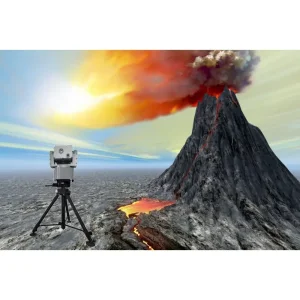
As seen in our MR-ACT Volcanic Gas Monitoring System, telemetry is vital for tracking volcanic activity in tectonic regions. It provides early warnings of sulfur dioxide (SO2) and carbon dioxide (CO2) spikes without risking the lives of volcanologists.
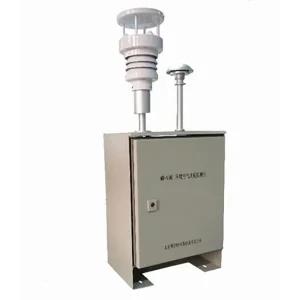
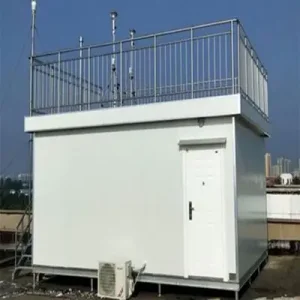
Metropolises like Dubai and Riyadh are investing heavily in air quality monitoring. Our Ambient Air Quality Monitors (Micro Air Stations) provide localized data that traditional fixed stations miss, helping urban planners combat "urban heat island" effects and pollution.
Since our establishment in 2012, we have evolved from a specialized laboratory into a global leader in Fourier Infrared Gas Remote Sensing. Our advantage lies in our end-to-end supply chain integration:
Our group company strictly adheres to international standards to ensure our products perform in the harshest conditions:
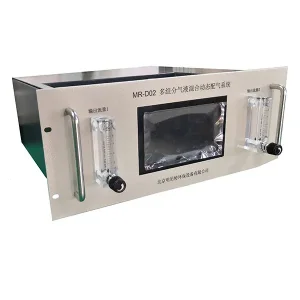
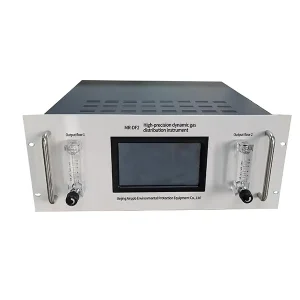
The group company was established in 2012 and is committed to the development and production of Fourier infrared gas remote sensing imaging early warning systems, ambient air quality monitors, high-precision dynamic gas distribution meters, multi-gas emergency detectors, ambient air analysis, detection and other related instruments and OEM/ODM various gas detectors. With a decade of innovation, the company holds numerous intellectual property rights, positioning us at the forefront of the Uav Remote Infrared Telemetry ranking globally.
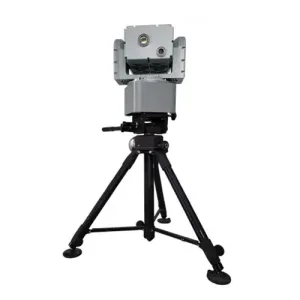
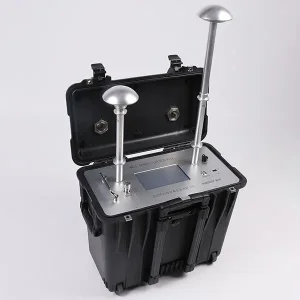
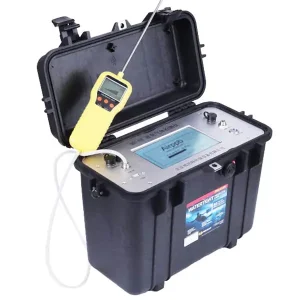
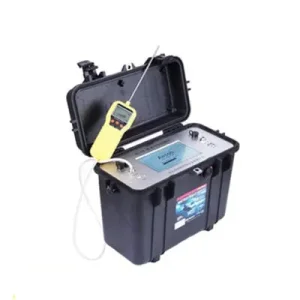
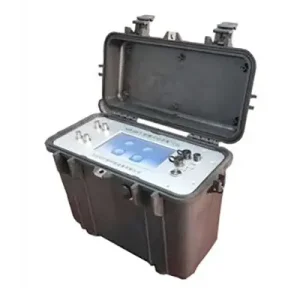
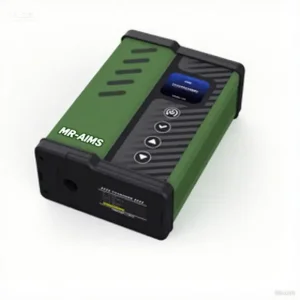
Our systems are designed to bridge the gap between "detection" and "action." Whether it's a military-grade MR-ACT Gas Telemetry system or a portable MR-AIMS handheld chemical identifier, our products provide actionable data in seconds, ensuring safety in petroleum, petrochemical, and military sectors.
 Airppb