In the contemporary geopolitical landscape, the threat of Chemical, Biological, Radiological, and Nuclear (CBRN) incidents remains a paramount concern for national security agencies worldwide. Military Blister Agents, such as Sulfur Mustard (HD) and Lewisite (L), are among the most persistent and debilitating chemical warfare agents. Unlike nerve agents that act rapidly, blister agents cause severe skin, eye, and mucosal pain and inflammation, often with a delayed onset that complicates immediate response.
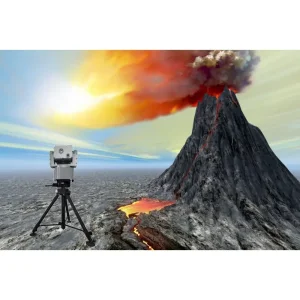
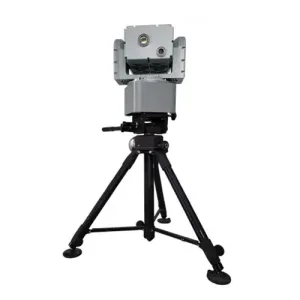
The global industrial and military status of remote sensing systems has shifted from traditional point detection to Standoff Detection. Point detectors require the instrument (and often the operator) to be within the contaminated plume, posing extreme risks. Modern remote sensing systems, utilizing Fourier Transform Infrared (FTIR) technology and hyperspectral imaging, allow for the identification of these agents from distances of several kilometers. This capability is now a standard requirement for border security, naval defense, and rapid deployment forces across the Middle East, Europe, and Asia-Pacific regions.
The industry is currently undergoing a digital transformation. The integration of Artificial Intelligence (AI) and machine learning algorithms into remote sensing hardware is the most significant trend. AI allows for the automated filtering of background "noise"—such as industrial pollution or atmospheric interference—ensuring that false alarm rates are minimized while sensitivity to actual blister agents is maximized.
Moving beyond simple detection to visual gas cloud mapping, allowing commanders to see the shape, concentration, and movement of the threat in real-time.
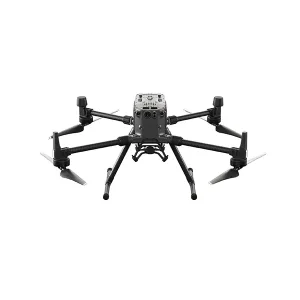
Miniaturized FTIR and IMS sensors are being mounted on drones to provide a "bird's eye view" of contaminated zones without risking human life.
Combining infrared telemetry with Ion Mobility Spectrometry (IMS) and photoionization detection (PID) for a multi-layered defense architecture.
Furthermore, there is an increasing demand for Dual-Use Technology. Systems originally designed for military blister agent detection are being adapted for the petroleum and petrochemical industries to monitor accidental releases of toxic industrial chemicals (TICs), bridging the gap between national defense and industrial safety.
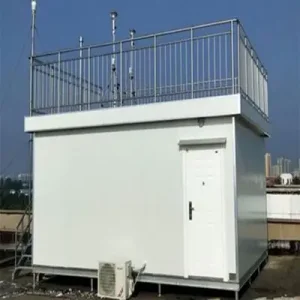
Procurement patterns vary significantly by region. In the Middle East, the focus is on ruggedized, sand-proof systems capable of operating in extreme heat for border surveillance. In Russia and Eastern Europe, the emphasis lies on high-precision monitoring of legacy chemical stockpiles and industrial ambient air quality. Petrochemical giants globally are seeking automated stations that can integrate into existing SCADA systems for 24/7 facility protection.
Localized application scenarios include:
As a leading group company established in 2012, we represent the pinnacle of Chinese high-end instrument manufacturing. Our advantage lies in the perfect synergy between Advanced R&D and Supply Chain Efficiency.
Experience & Expertise: With over a decade of dedication to Fourier infrared gas remote sensing, we hold numerous intellectual property rights that allow us to compete with global Tier-1 brands. Our systems are not just assembled; they are engineered from the ground up to meet the rigorous demands of military and industrial users.
Authoritativeness & Trust: Our quality management is uncompromising. We strictly follow ISO9001, ISO14001, and ISO45001 standards. Our products carry essential certifications including CPA, CCEP, and CNAS/CMA test reports, ensuring that our global partners receive equipment that is legally compliant and technically superior.
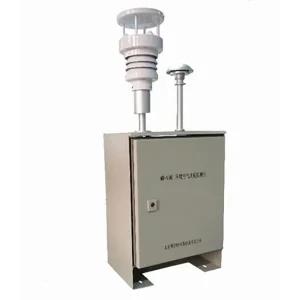
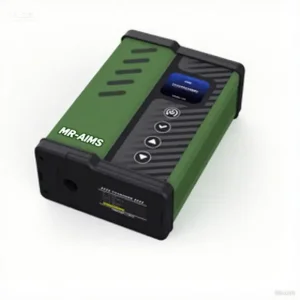
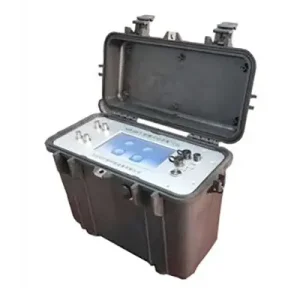
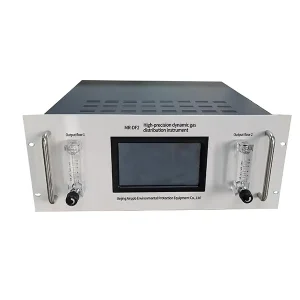
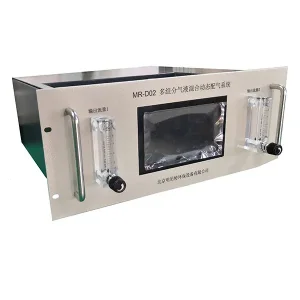
The group company was established in 2012 and is committed to the development and production of Fourier infrared gas remote sensing imaging early warning systems, ambient air quality monitors, high-precision dynamic gas distribution meters, multi-gas emergency detectors, ambient air analysis, detection and other related instruments and OEM /ODM various gas detectors; the company has a number of intellectual property rights.
Product quality strictly follows ISO9001 QUALITY MANAGEMENT SYSTEM CERTIFICATE, ISO14001 CERTIFICATE OF ENVIRONMENT MANAGEMENT SYSTEM CERTIFICATION, ISO45001 CERTIFICATE OF OCCUPATIONAL HEALTH AND SAFETY MANAGEMENT SYSTEM CERTIFICATION. Comply with product certifications from relevant national departments, such as CPA, CCEP, CNAS/CMA test reports, etc.
 Airppb