Deploying cutting-edge detection platforms across chemical storage yards to mitigate toxic release and explosion hazards instantly.

In modern industrial facilities, the safe management and containment of volatile chemicals have transcended basic warehousing. Today, Emergency Chemical Storage Sites are dynamic high-risk zones that dictate a plant's entire regulatory compliance and survivability matrix. Industrial sectors worldwide face strict mandates concerning VOC emission tracking, sudden gas leakage identification, and explosive containment barriers.
The transition toward intelligent manufacturing frameworks (Industry 4.0) has necessitated the integration of smart gas detectors, real-time telemetry systems, and automated dynamic gas calibration assets directly within hazardous storage depots. From the harsh thermal extremes of the Middle East to the stringent industrial zones of Russia and the Americas, manufacturing operations must secure continuous containment monitoring. Traditional localized alerts are no longer sufficient; global chemical manufacturers demand networked, continuous telemetry imaging and handheld identifiers to stop catastrophic incidents before they occur.
Utilizing high-precision Fourier Transform Infrared (FTIR) telemetry to capture trace emissions before they reach critical lower explosive limits (LEL).
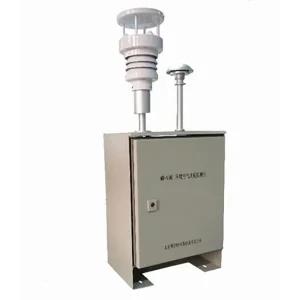
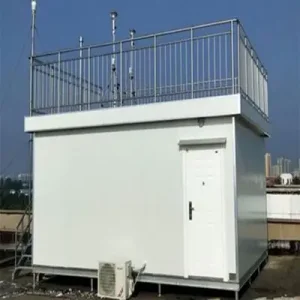
Aligning continuous ambient air quality systems (automatic stations) directly with automated mechanical exhaust and gas suppression shut-offs.
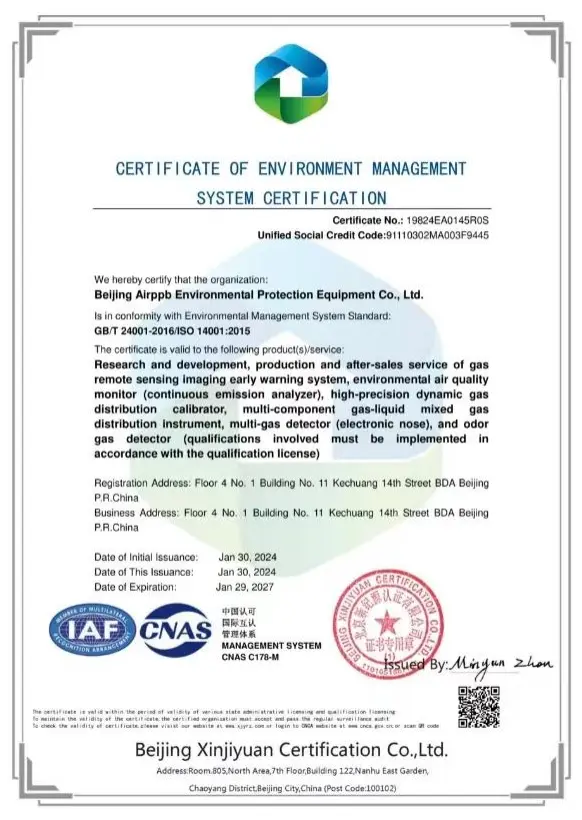
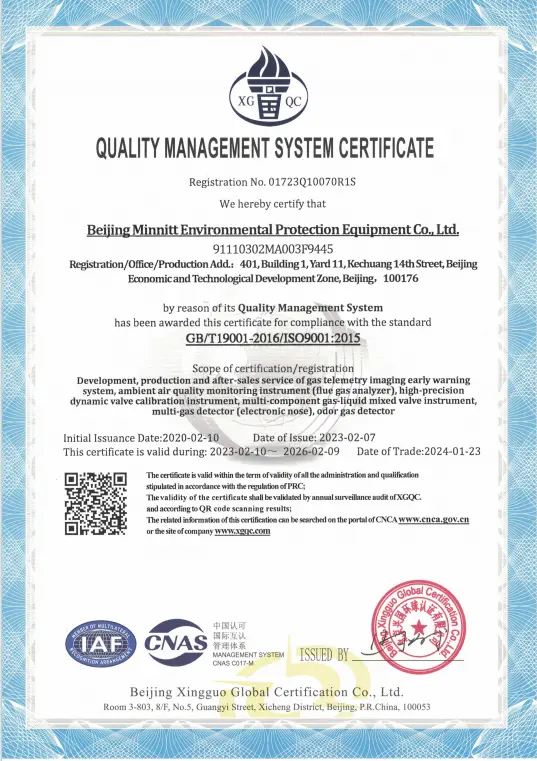
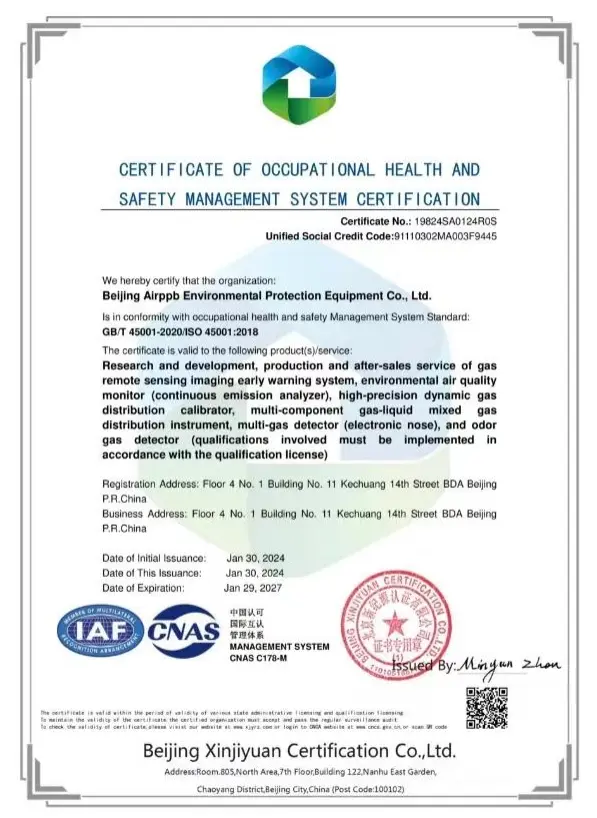
Meeting the complex overlapping standards of international quality metrics (ISO9001, ISO14001, ISO45001) alongside regional CPA & CCEP requirements.
Innovating precision gas detection and on-site analysis platforms globally.

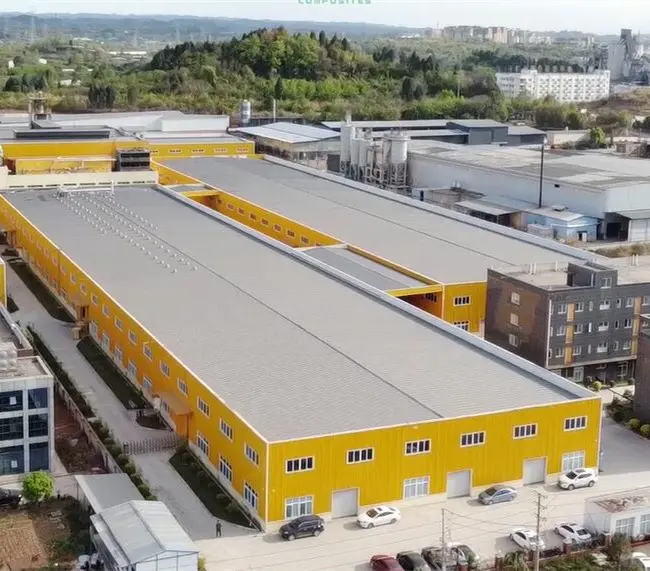
The group company was established in 2012 and is committed to the development and production of Fourier infrared gas remote sensing imaging early warning systems, ambient air quality monitors, high-precision dynamic gas distribution meters, multi-gas emergency detectors, ambient air analysis, detection and other related instruments, as well as offering OEM/ODM services for various gas detectors.
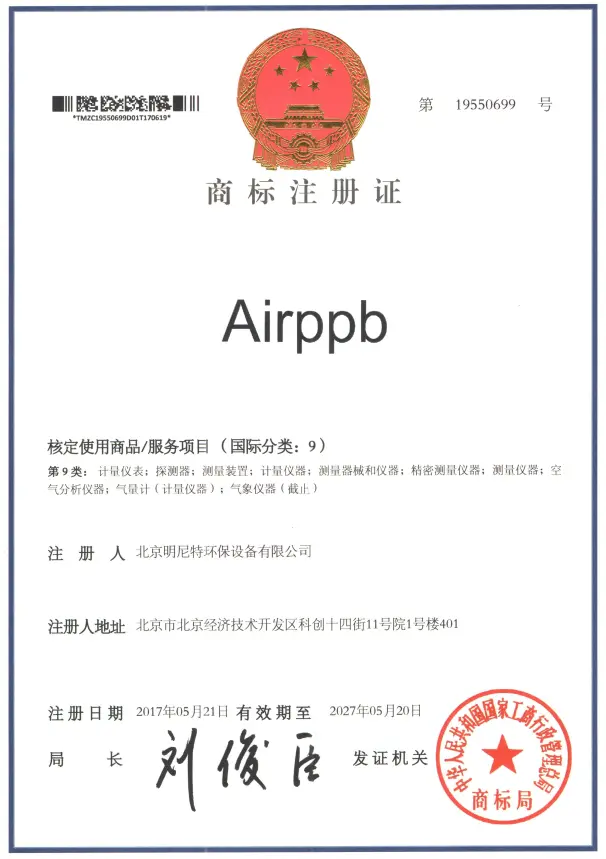
The company has accumulated a significant portfolio of intellectual property rights. Product quality strictly follows ISO9001 Quality Management System Certification, ISO14001 Environment Management System Certification, and ISO45001 Occupational Health and Safety Management System Certification. Our platforms fully comply with regulatory certificates from authorized departments, including CPA, CCEP, and CNAS/CMA testing reports.
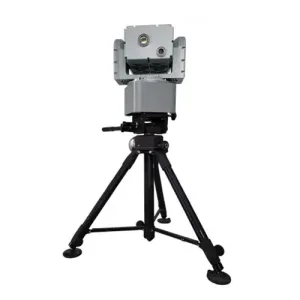
In chemical and petrochemical storage projects, the integration of chemical vapor isolation, ventilation control, and early-warning telemetry requires a systemic approach. Emergency chemical storage facilities are designed to contain a massive variety of chemical families—from organic solvents and acids to unstable peroxides. The deployment of Fourier Transform Infrared (FTIR) Telemeter Systems allows for remote monitoring of wide-area storage zones, recognizing chemical clouds from hundreds of meters away.
Furthermore, inside the physical shelters, volatile organic compound (VOC) levels must be parsed continuously via Photoionization Detection (PID) and Electrochemical sensory arrays. Our dynamic gas mixture distribution architectures enable facility operators to routinely calibrate these remote sensors on-site, ensuring zero baseline drift. This integrated framework bridges the gap between passive mechanical storage and active safety monitoring.
We supply bespoke solutions integrating cabinet exhaust controllers, explosion-proof sensor cells, and fiber-optic communication lines designed for deployment under hazardous atmospheres (Zone 1 and Zone 2 conditions).
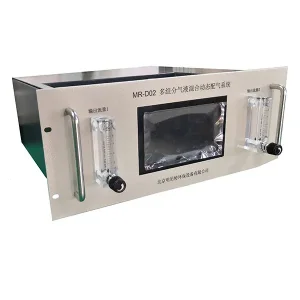
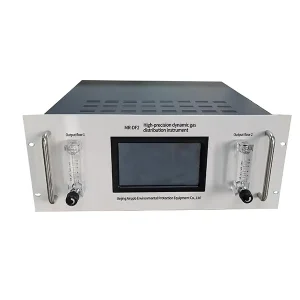
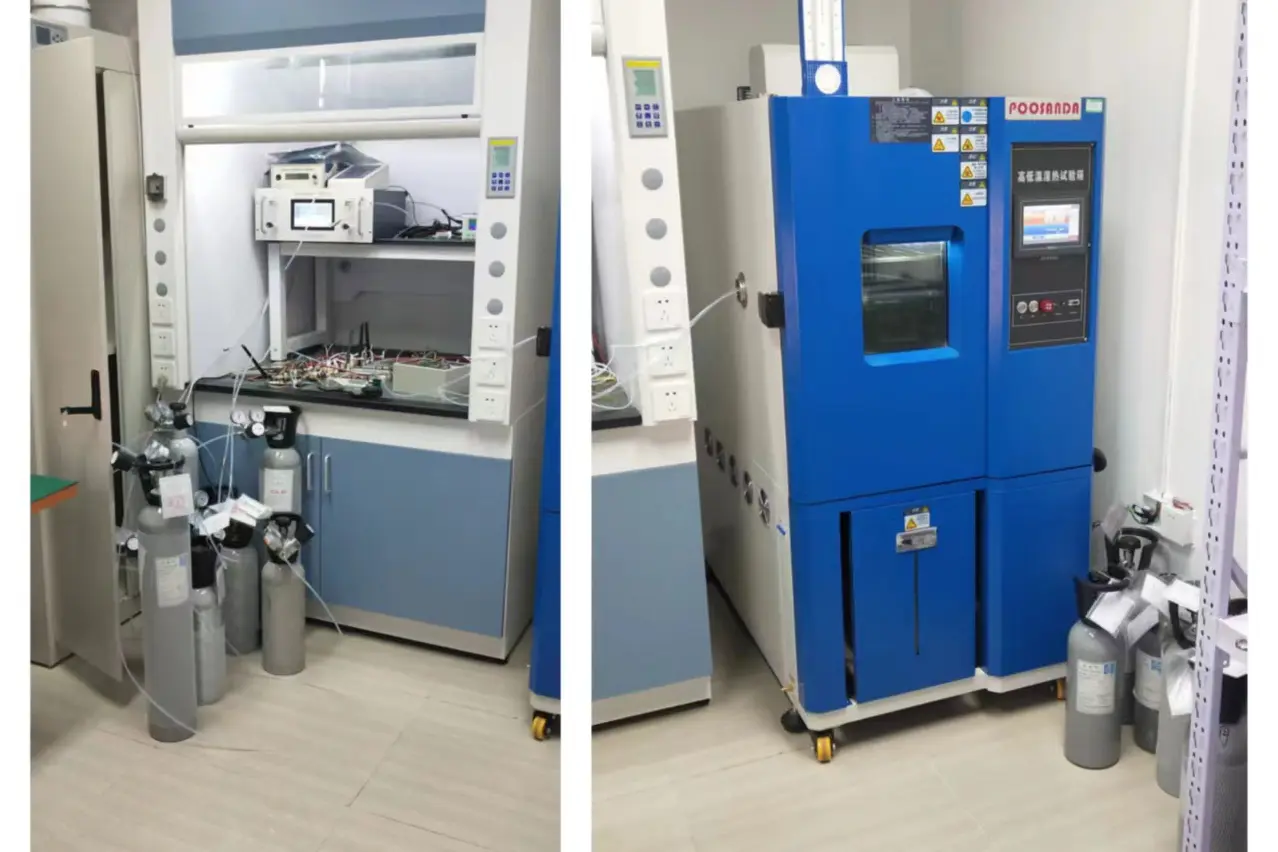
Precision calibration is the backbone of measurement accuracy. High-precision dynamic gas distribution meters generate multi-component gas mixtures with traceable stability, validating that sensory nodes respond appropriately to trace ppm shifts.
For your specific needs, we carefully design and execute with ingenuity to ensure that every link is accurate and efficient.

Providing customized solutions and proprietary branding structures to let clients promote their own brand recognition globally.

Our R&D division represents 60% of the entire company workforce, keeping us at the forefront of chemical analysis technology.

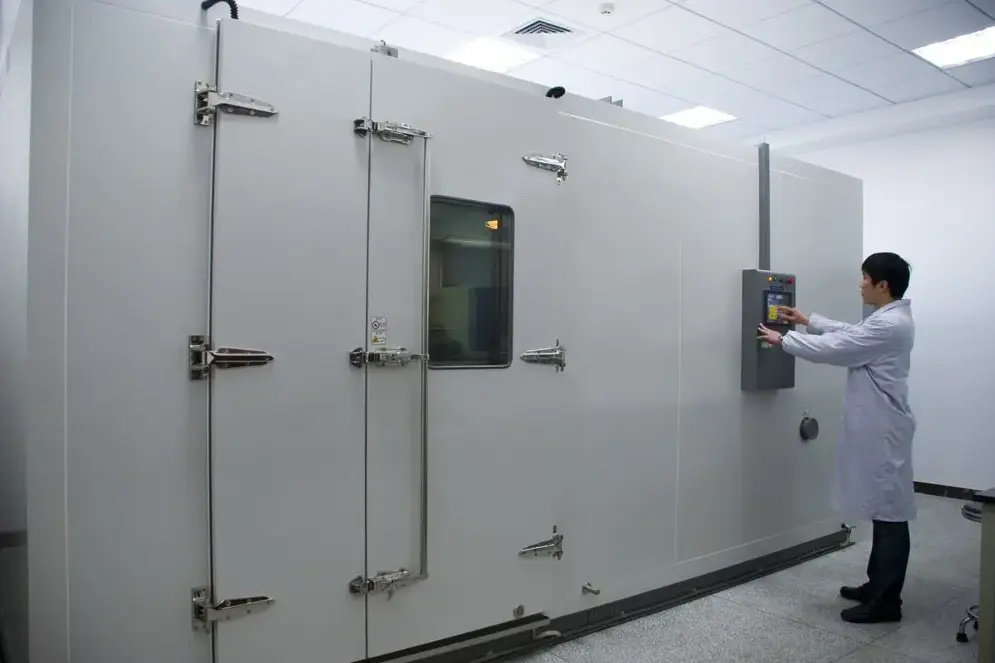
From raw material inspection to final environmental chamber validation, we take responsibility for long-term machine reliability.

A rigorously trained global support team that understands local regulations, technical parameters, and gas instrumentation physics.
Operating emergency storage zones demands absolute adherence to local and international protocols. In Europe, chemical storage enclosures fall directly under ATEX directives, demanding explosion-proof casing classifications. In the United States, OSHA 1910.106 governs the design and monitoring of warehouses containing flammable liquids, mandate-checking gas leakage parameters near floor levels and ventilation returns.
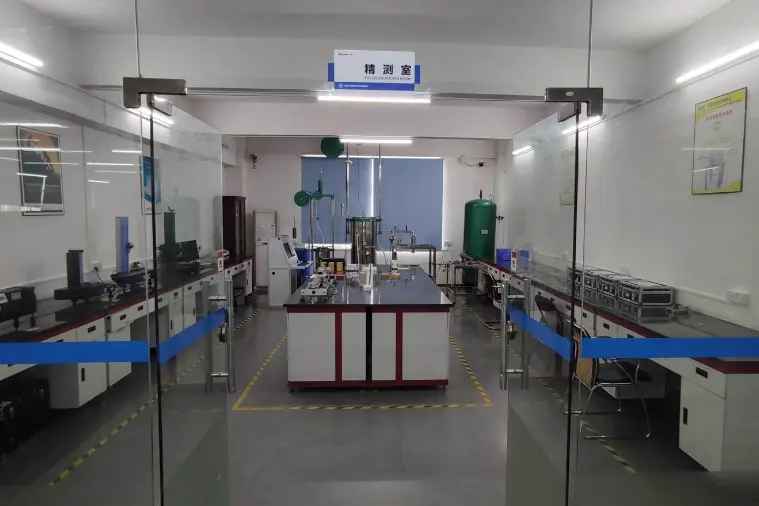
In regions such as China and East Asia, systems require official validation from local instrumentation bureaus. This is where Minnit (Airppb)'s strict adherence to CPA (Pattern Approval Certificate) and CCEP (China Environmental Protection Certification) standards guarantees regulatory pathworthiness. Our products undergo rigorous testing processes under CNAS/CMA laboratories, providing clients with verified engineering data for compliance reviews.
Our facility and products are fully certified under global occupational safety, health, and environmental quality systems.
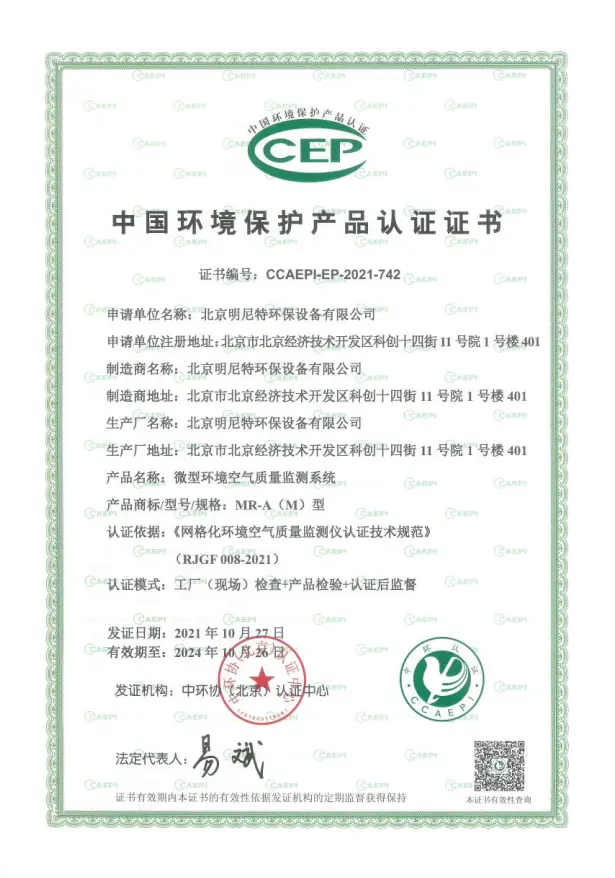


The practical implementation of hazardous vapor detection depends heavily on environmental variables:
Extremely high ambient temperatures require custom-built protection enclosures, heat-shielded micro-air monitoring stations, and continuous baseline compensation protocols to prevent thermal sensor drift.
Freezing conditions present risk of phase transition in liquid-based sensors. Here, dynamic heated sample gas inlets and ruggedized dynamic distribution units ensure continuous uptime.
Corrosive salt spray degrades standard metallic housings. Stainless steel 316L housings and advanced hermetically-sealed PID detectors prevent water intrusion and galvanic degradation.
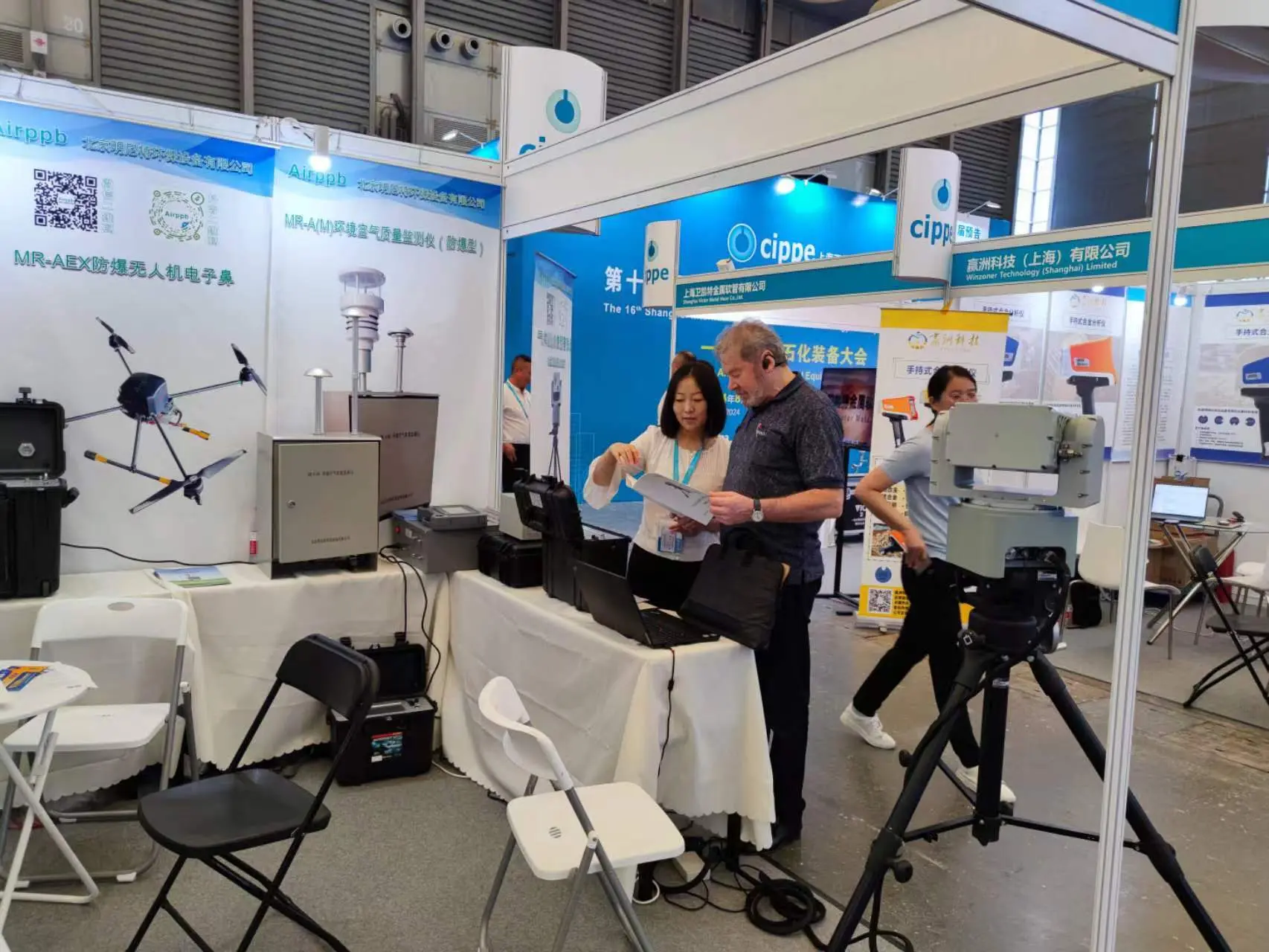
Minnit (Airppb) demonstrates technology worldwide, validating detection precision and hardware performance live in global arenas.
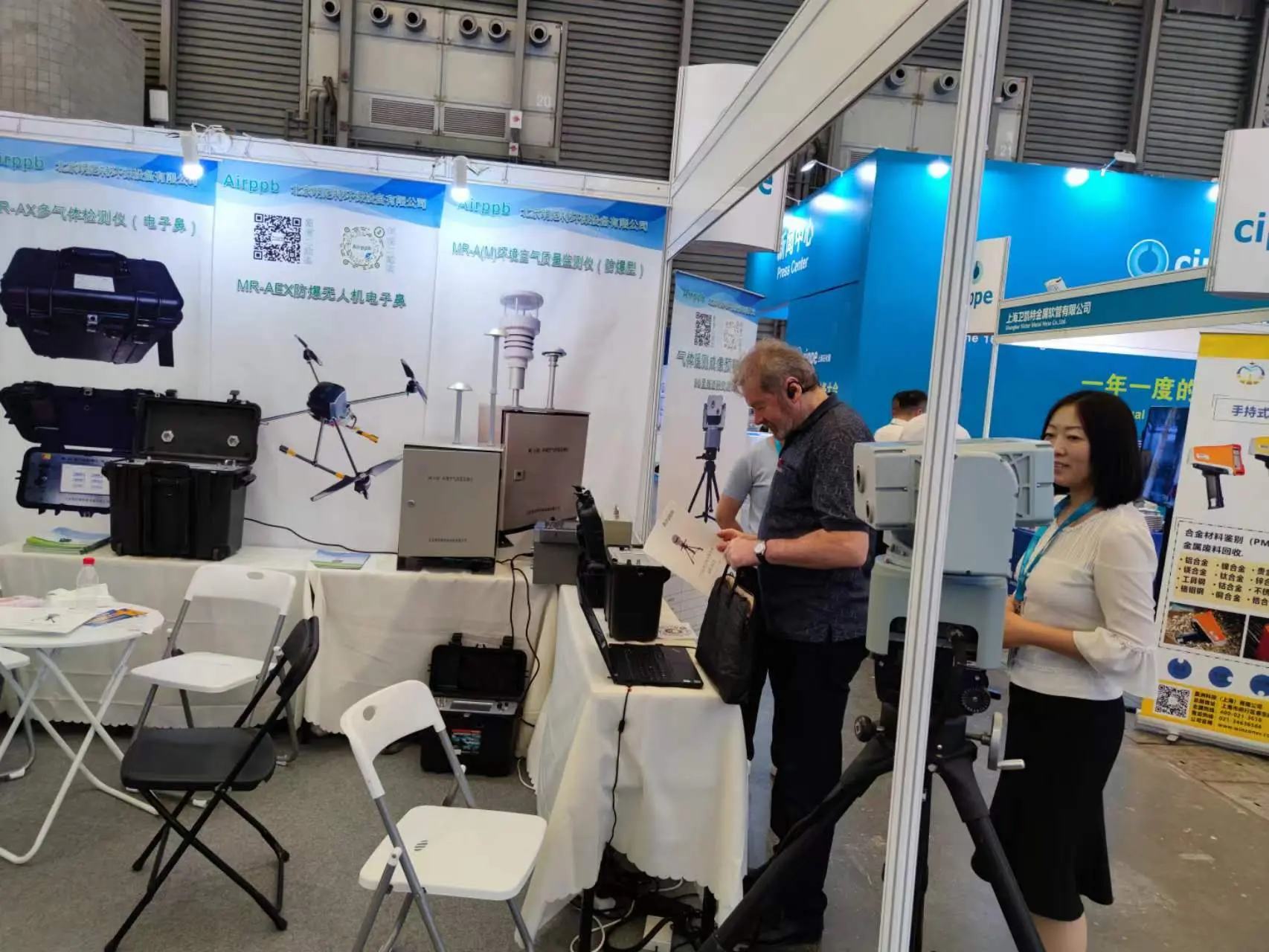
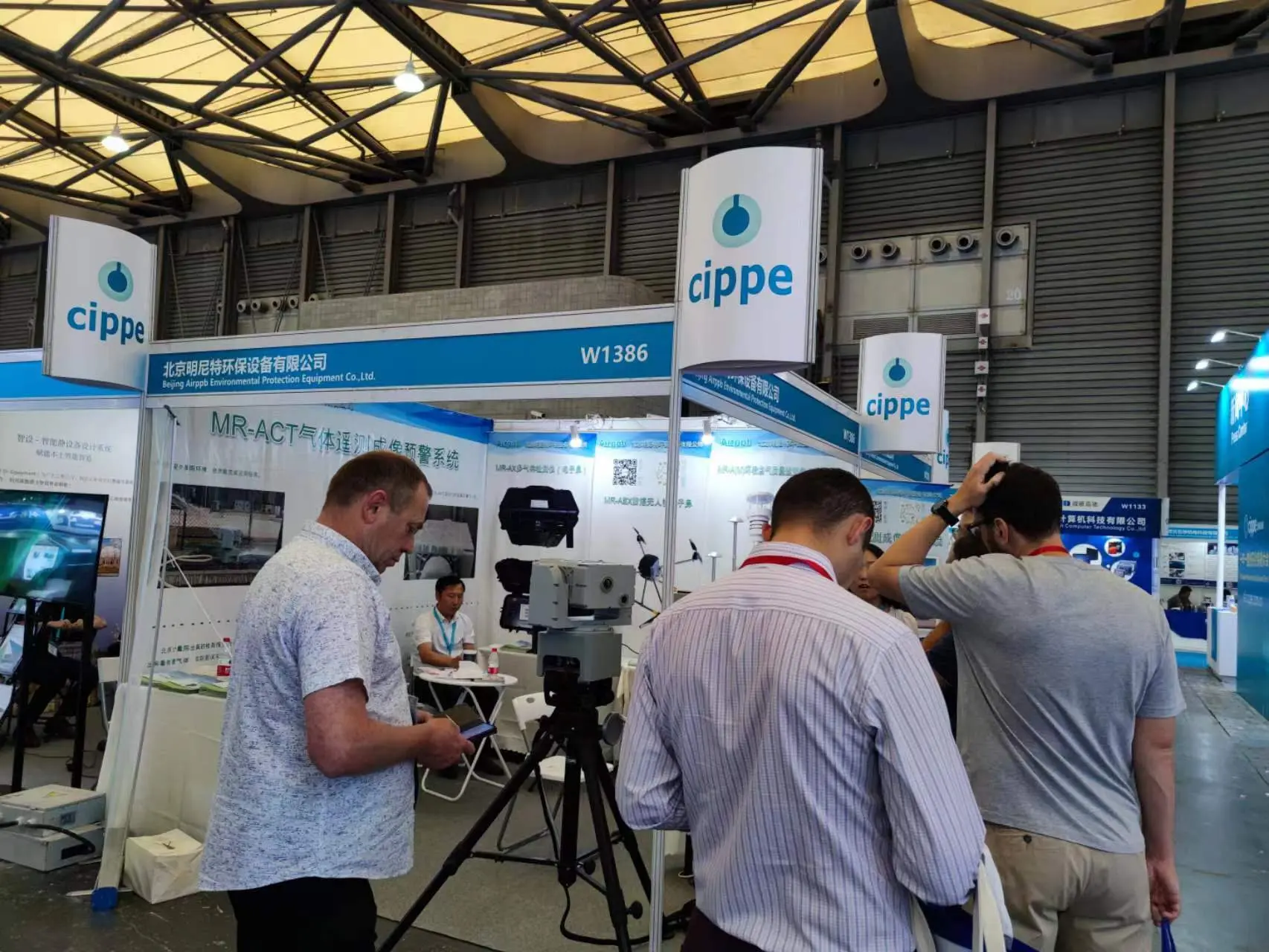
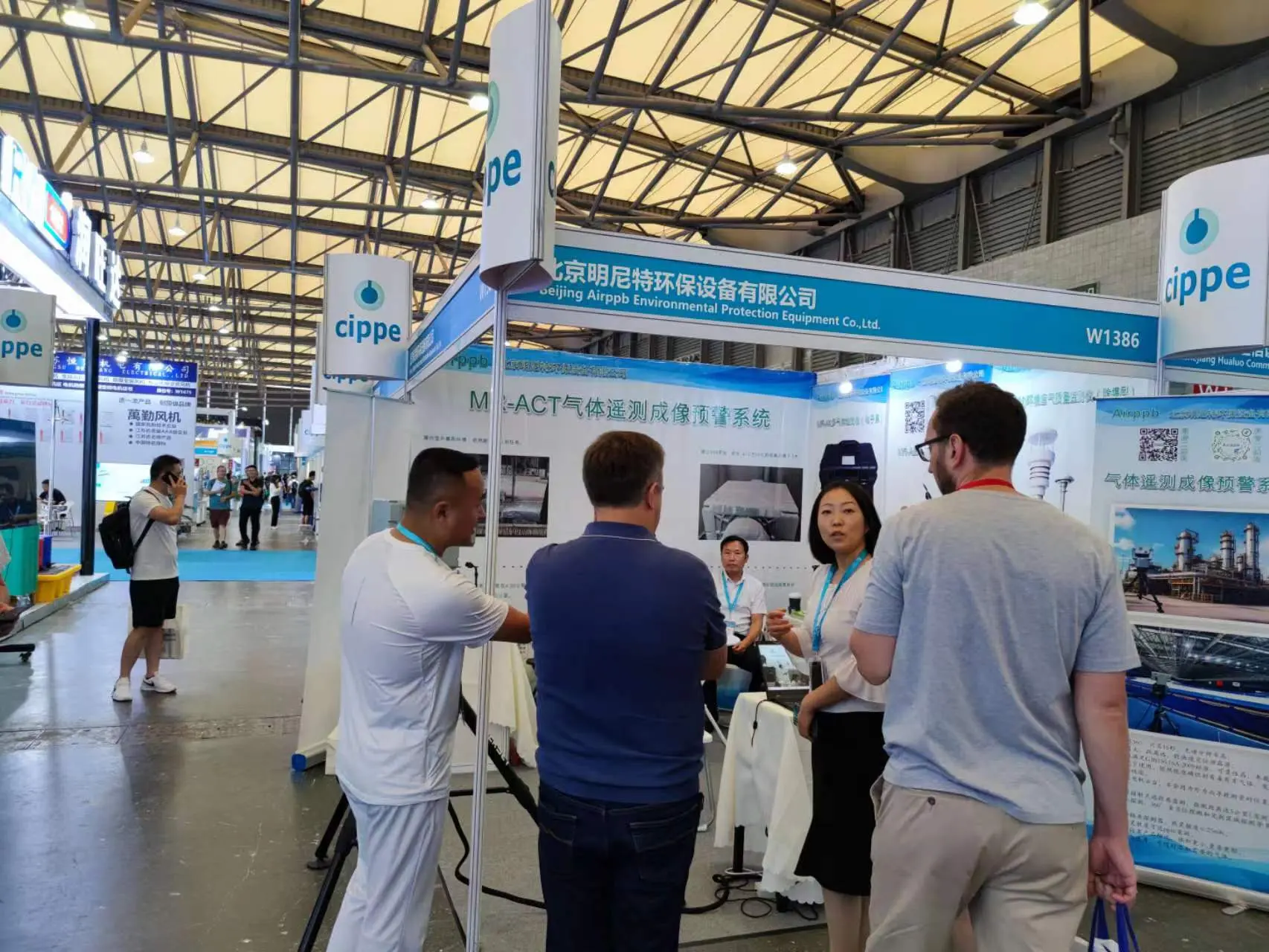

The next generation of safety monitoring systems within chemical storage structures will rely heavily on autonomous artificial intelligence and cloud-connected sensor grids. Our product development pipeline targets several major improvements to enhance reliability and response times:
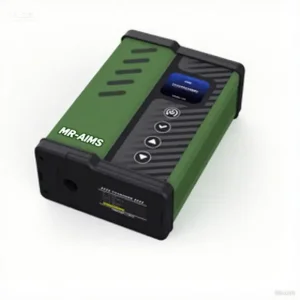
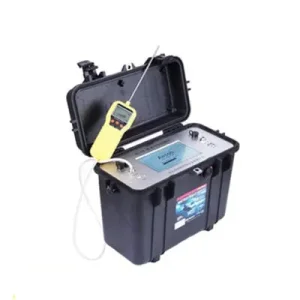
By refining handheld IMS technology, we are aiming to achieve parts-per-trillion (ppt) level recognition speeds, enabling fast tracking of toxic vapors in milliseconds.
Integrating high-precision dynamic gas distribution assets into fixed air stations to execute auto-calibration sequences without manual technician dispatch.
Empowering Fourier Transform Infrared remote systems with built-in neural nets to eliminate background moisture interference, minimizing false alarm rates.
Serving over 40 countries and territories with robust, localized gas analysis instruments and compliance protection.
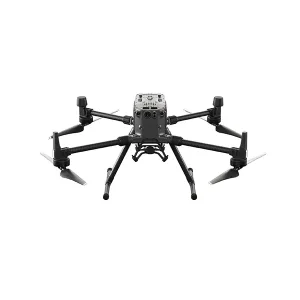
Our systems are deployed across global oil facilities, military defense storage zones, national volcanic monitoring sites, and massive petrochemical complexes. With localized technical support networks, our clients secure long-term system stability and compliance.

Review technical explanations from our safety engineering team regarding emergency chemical storage and monitoring.
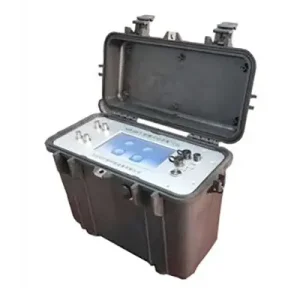
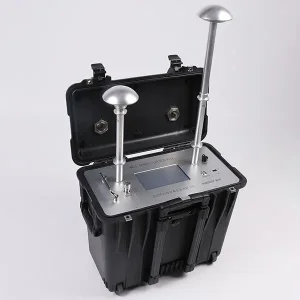
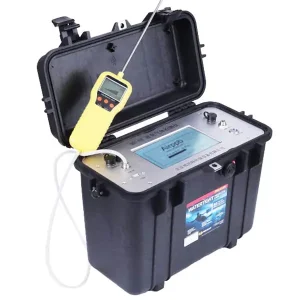
Explore our collection of high-precision gas meters and automatic ambient air analysis systems designed for chemical storage depots.
 Airppb