The global landscape of Drone Multi Gas Detection has transitioned from experimental prototypes to indispensable industrial assets. As of 2024, the integration of Unmanned Aerial Vehicles (UAVs) with high-precision gas sensors is revolutionizing how we approach environmental safety, leak detection, and emergency response. In the past, gas monitoring was limited to fixed ground stations or handheld devices, often putting human lives at risk in hazardous zones. Today, drone-mounted systems provide a "bird's-eye view" of chemical concentrations, enabling 3D mapping of gas plumes in real-time.
Industrial giants in North America, Europe, and the Middle East are aggressively adopting these technologies. The primary drivers are stricter environmental regulations (such as methane reduction pledges) and the need for higher operational efficiency in the oil, gas, and chemical sectors. Brand ranking in this industry is no longer just about the drone's flight time; it is about the Expertise in sensor fusion and the Reliability of the data collected under extreme conditions.
Modern systems use AI algorithms to predict leak sources by correlating gas concentration data with wind speed and topography, moving from "detection" to "intelligent prediction."
The integration of 5G allows for ultra-low latency data transmission, enabling experts thousands of miles away to monitor a site's air quality in real-time during an incident.
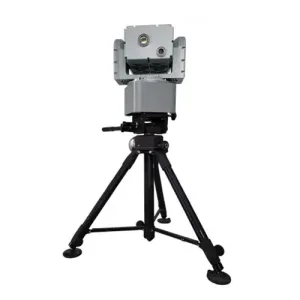
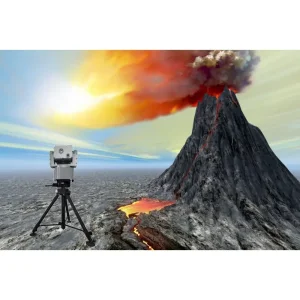
Fourier Transform Infrared (FTIR) technology, once bulky, is now miniaturized for drone payloads, allowing for the simultaneous detection of hundreds of volatile organic compounds (VOCs).
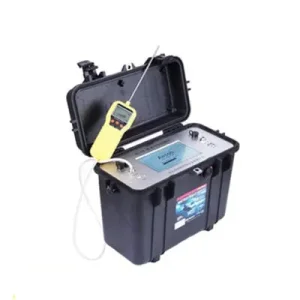
The industry is moving toward "Multi-Gas" capabilities where a single drone flight can monitor Methane (CH4), Hydrogen Sulfide (H2S), Ammonia (NH3), and CO2 simultaneously. This efficiency reduces the cost per inspection and provides a comprehensive safety profile of the industrial site.
The Middle East represents the most demanding environment for drone-based gas detection. With extreme temperatures reaching 50°C and frequent sandstorms, standard equipment often fails. This is where Authoritative engineering meets local necessity.
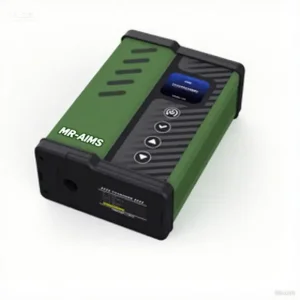
In these regions, "Ranking" is determined by thermal resilience. Our products, such as the MR-AX Multi-Gas Detector, are engineered to maintain high precision even under the intense solar radiation of the Arabian Peninsula, providing a reliable safety net for the energy capital of the world.
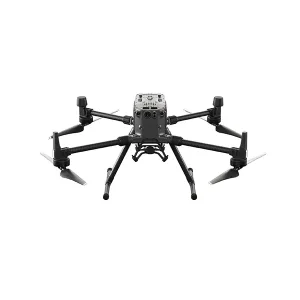
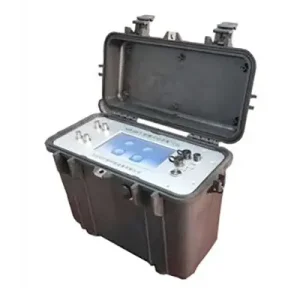
As a leading Chinese factory specializing in Fourier infrared gas remote sensing, we offer a unique combination of Professional Knowledge and supply chain agility. China’s dominance in the UAV market (led by DJI-compatible payloads) allows us to integrate our advanced sensors with the world’s most reliable flight platforms.
We own the full intellectual property stack, from the optical bench of the FTIR telemeter to the software processing the gas imaging.
Our products carry CPA, CCEP, and ISO certifications, ensuring they meet the stringent legal requirements of international procurement.
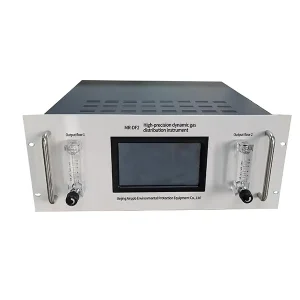
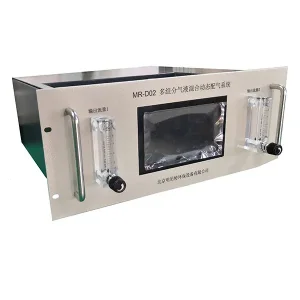
By optimizing the production of high-precision dynamic gas distribution meters and detectors, we provide "Tier 1" technology at a competitive global price point.
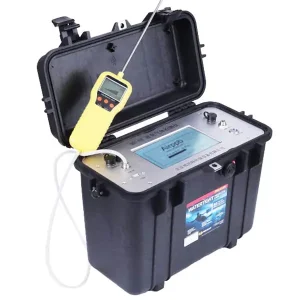
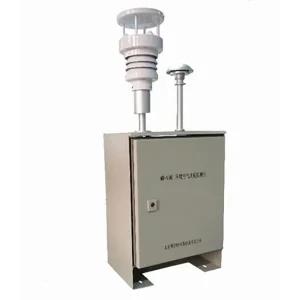
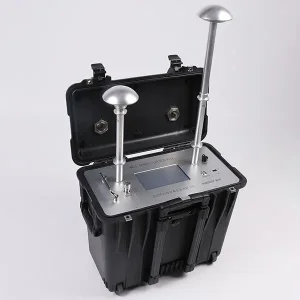
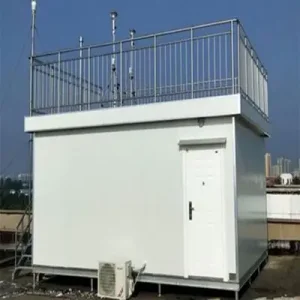
The group company was established in 2012 and is committed to the development and production of Fourier infrared gas remote sensing imaging early warning systems, ambient air quality monitors, high-precision dynamic gas distribution meters, multi-gas emergency detectors, ambient air analysis, detection and other related instruments and OEM /ODM various gas detectors; the company has a number of intellectual property rights.
Product quality strictly follows ISO9001 QUALITY MANAGEMENT SYSTEM CERTIFICATE, ISO140001 CERTIFICATE OF ENVIRONMENT MANAGEMENT SYSTEM CERTIFICATION, and ISO45001 CERTIFICATE OF OCCUPATIONAL HEALTH AND SAFETY MANAGEMENT SYSTEM CERTIFICATION. We comply with product certifications from relevant national departments, such as CPA, CCEP, CNAS/CMA test reports, etc.
When international enterprises procure drone multi-gas detection systems, they prioritize three factors: Sensor Cross-Sensitivity, Payload Weight, and Data Sovereignty.
Professional buyers need to know that a detection of 10ppm H2S isn't a false positive caused by high humidity or CO interference. Our Fourier transform technology provides a unique "fingerprint" for each gas, virtually eliminating false alarms.
Every gram matters for flight time. Our MR-A series is designed using lightweight aerospace alloys, ensuring that the drone can remain in the air for 30-40 minutes per battery cycle, covering more ground than competitors.
Global industries use diverse fleets. Our equipment is designed for "Plug & Play" compatibility with DJI M300/M350 RTK series as well as custom VTOL fixed-wing drones used in long-distance pipeline inspection.
 Airppb