Global leading technology in gas distribution and environmental analysis

In the era of Industry 4.0 and 5G connectivity, the Environmental Protection Industry Electromagnetic Field Testing landscape has shifted from basic compliance to complex, real-time spatial intelligence. EMF testing is no longer just about meeting statutory safety limits; it is about ensuring the integrity of sensitive electronic ecosystems and protecting biological health in increasingly dense spectral environments.
As a leading Manufacturer & Brand, Minnit (Airppb) integrates precision gas detection with electromagnetic safety philosophies. Our research highlights that global enterprises now demand multi-parameter environmental sensing—where EMF levels, VOC concentrations, and ambient air quality are monitored through a single, unified IoT framework.
Enterprises in the EU, North America, and the Middle East are prioritizing high-sensitivity EMF probes capable of detecting non-ionizing radiation across a wide frequency spectrum (0Hz to 300GHz). Procurement focus has shifted toward "Zero-Calibration" stability and ruggedized field portability.
Adherence to ICNIRP (International Commission on Non-Ionizing Radiation Protection) guidelines and IEEE standards is mandatory. Our solutions provide automated reporting features that simplify legal audits for industrial hygiene and public safety departments.
The future of EMF testing lies in Machine Learning-Enhanced Signal Identification. By separating background noise from critical signal leaks, our upcoming technical route involves integrating AI chips directly into handheld identifiers to provide predictive maintenance data.
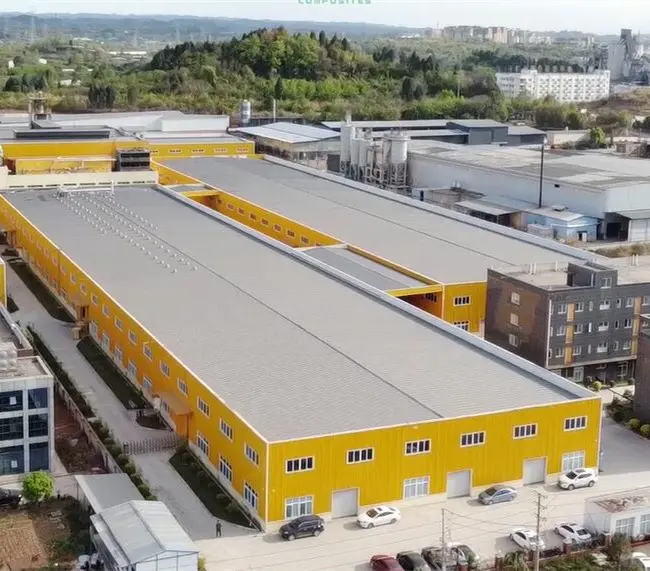
Established in 2012, our group company has emerged as a national high-tech enterprise at the forefront of industrialized innovative application of precision gas and environmental detection instruments. With a mission to realize on-site, automated, and intelligent analysis, we have mastered advanced sensing technologies including Electrochemistry, Photoionization Detection (PID), and Spectroscopy (FTIR).
Tailored strategies for high-stakes environments
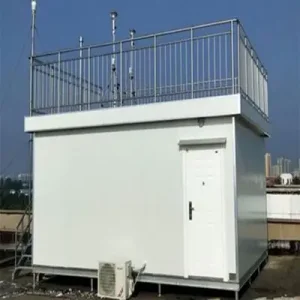
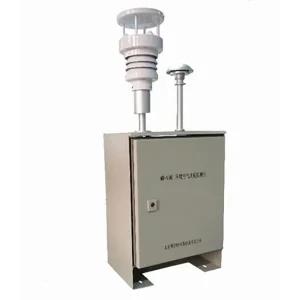
Integration of MR-A(S) automatic stations with EMF shielding assessments to prevent interference in volatile gas environments. Ensuring that high-frequency communications do not trigger ignition risks in hazardous zones.
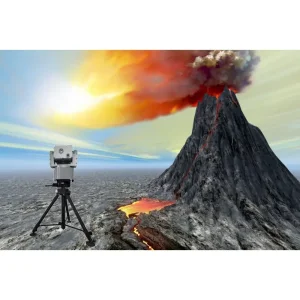
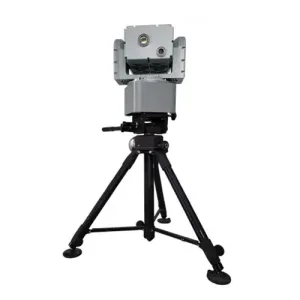
Utilizing MR-ACT Gas Telemetry Imaging for early warning while simultaneously managing the electromagnetic signature of monitoring equipment to ensure stealth and operational security.
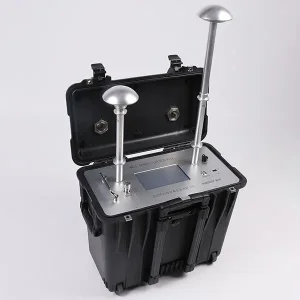
Deploying MR-A(M) Micro Air Stations in smart city grids to monitor 5G base station radiation levels alongside urban pollution indices, providing a holistic "Environmental Health Score" for municipalities.
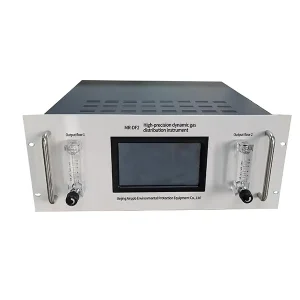
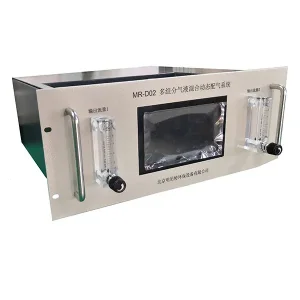
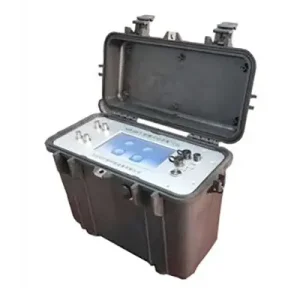
High-precision dynamic gas distribution meters (MR-DF series) designed with low-EMF interference circuits to ensure that gas sensor calibration is not skewed by external electronic noise.
Reliability guaranteed by international standards
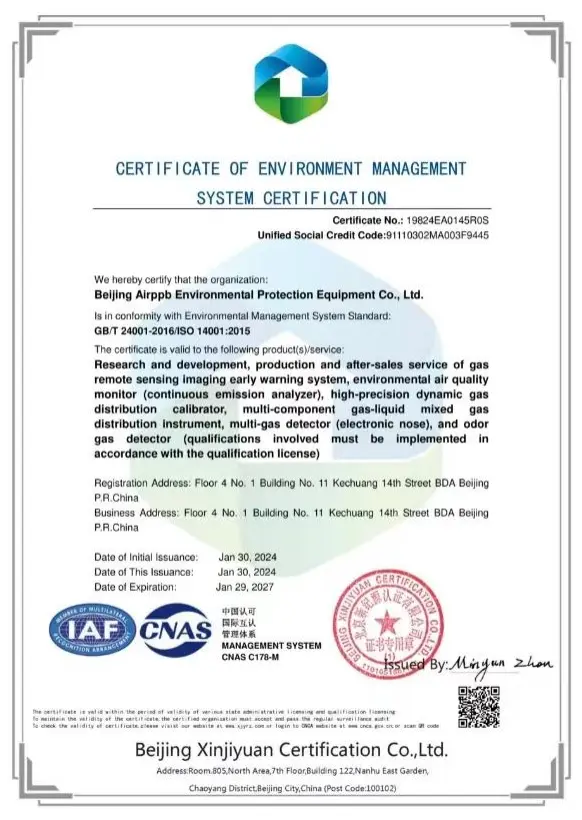
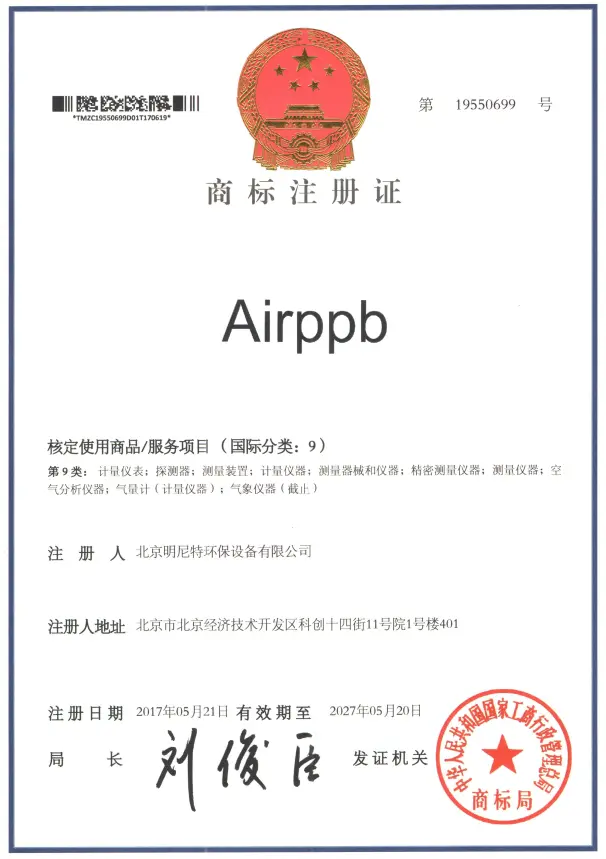
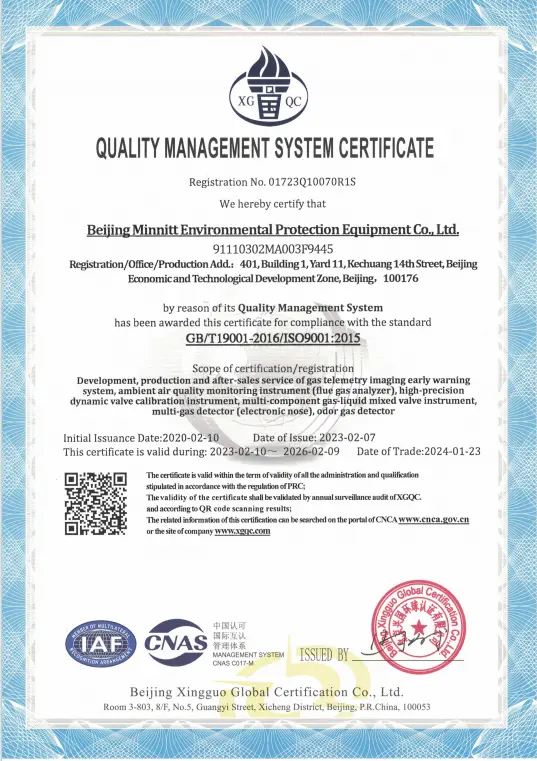
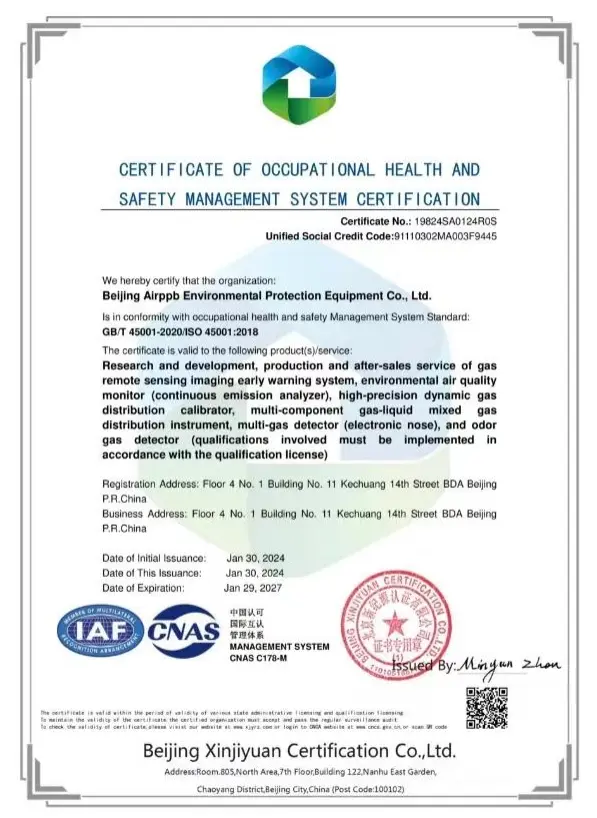

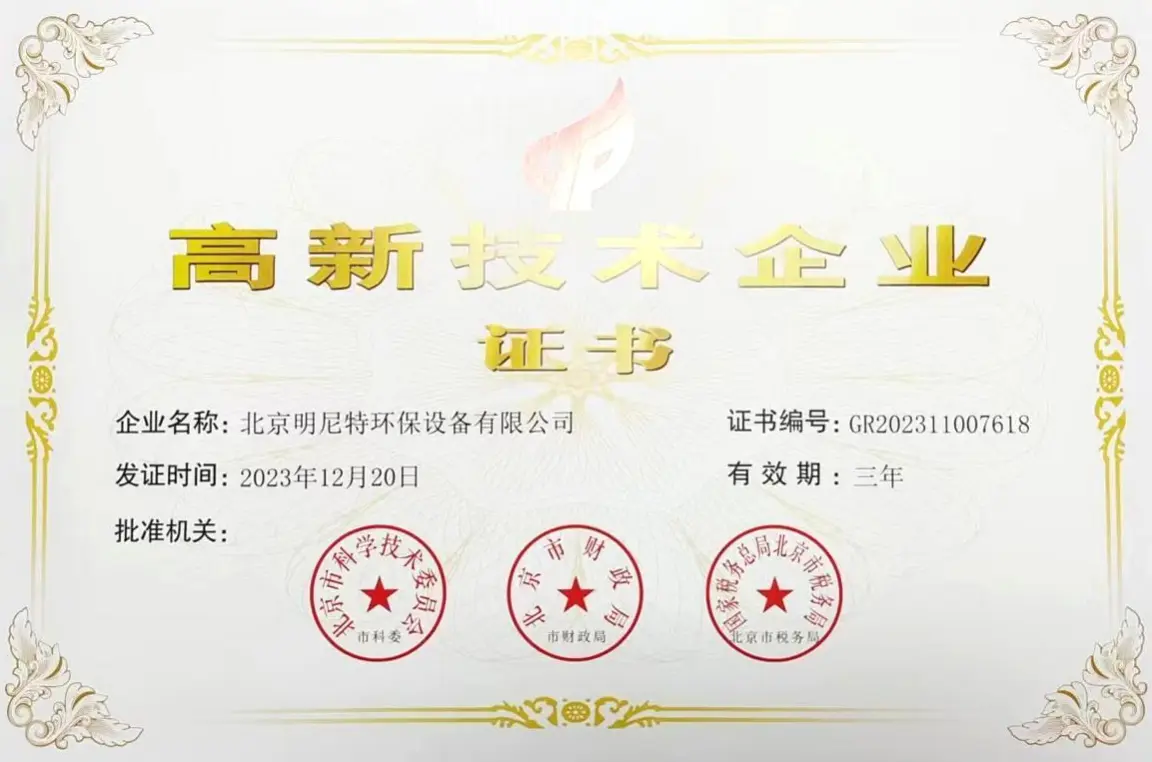
Product quality strictly follows ISO9001, ISO14001, and ISO45001 systems. Our instruments comply with national and international certifications such as CPA, CCEP, and CNAS/CMA testing reports, ensuring that our data is legally defensible in any jurisdiction.
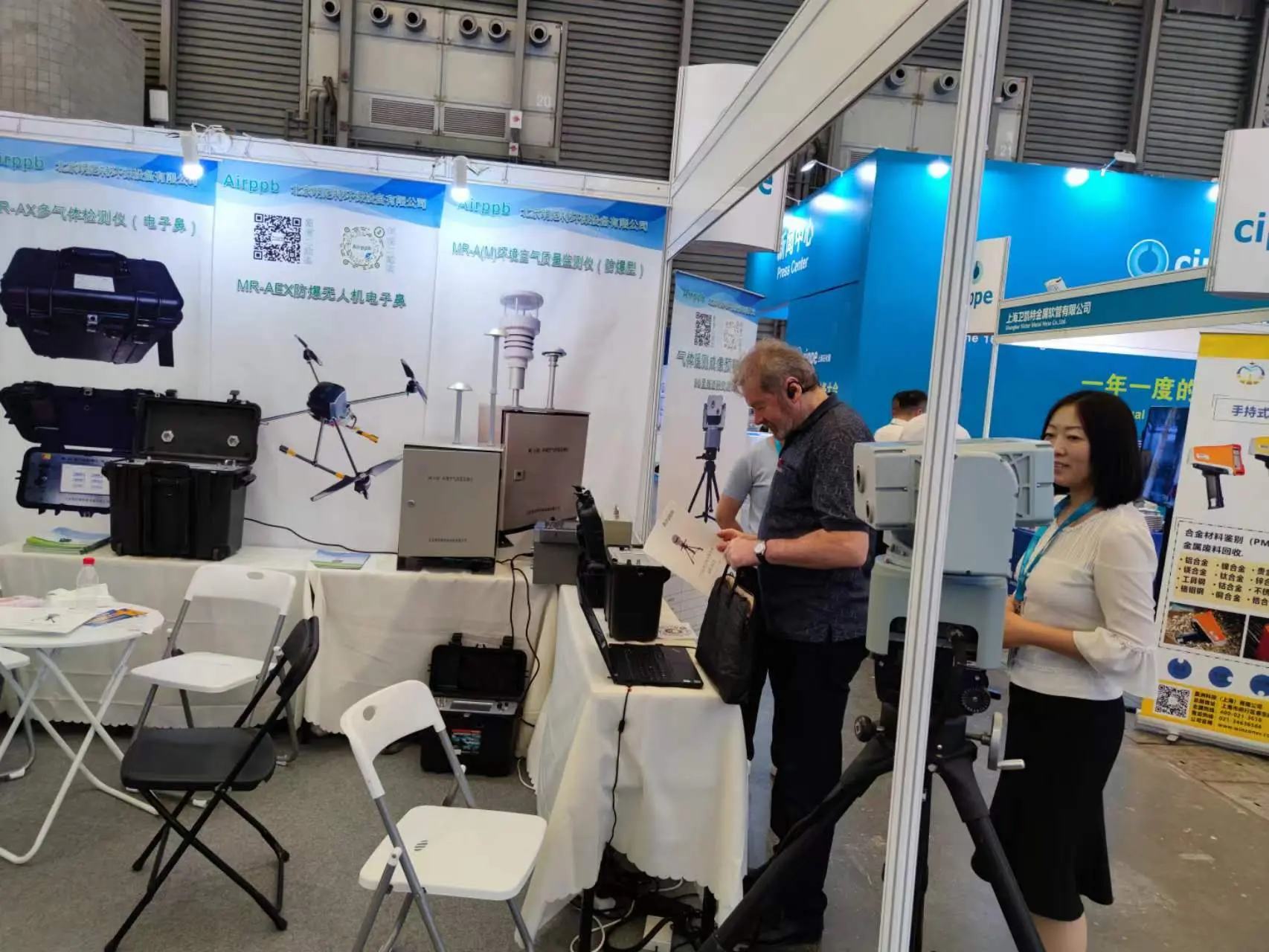
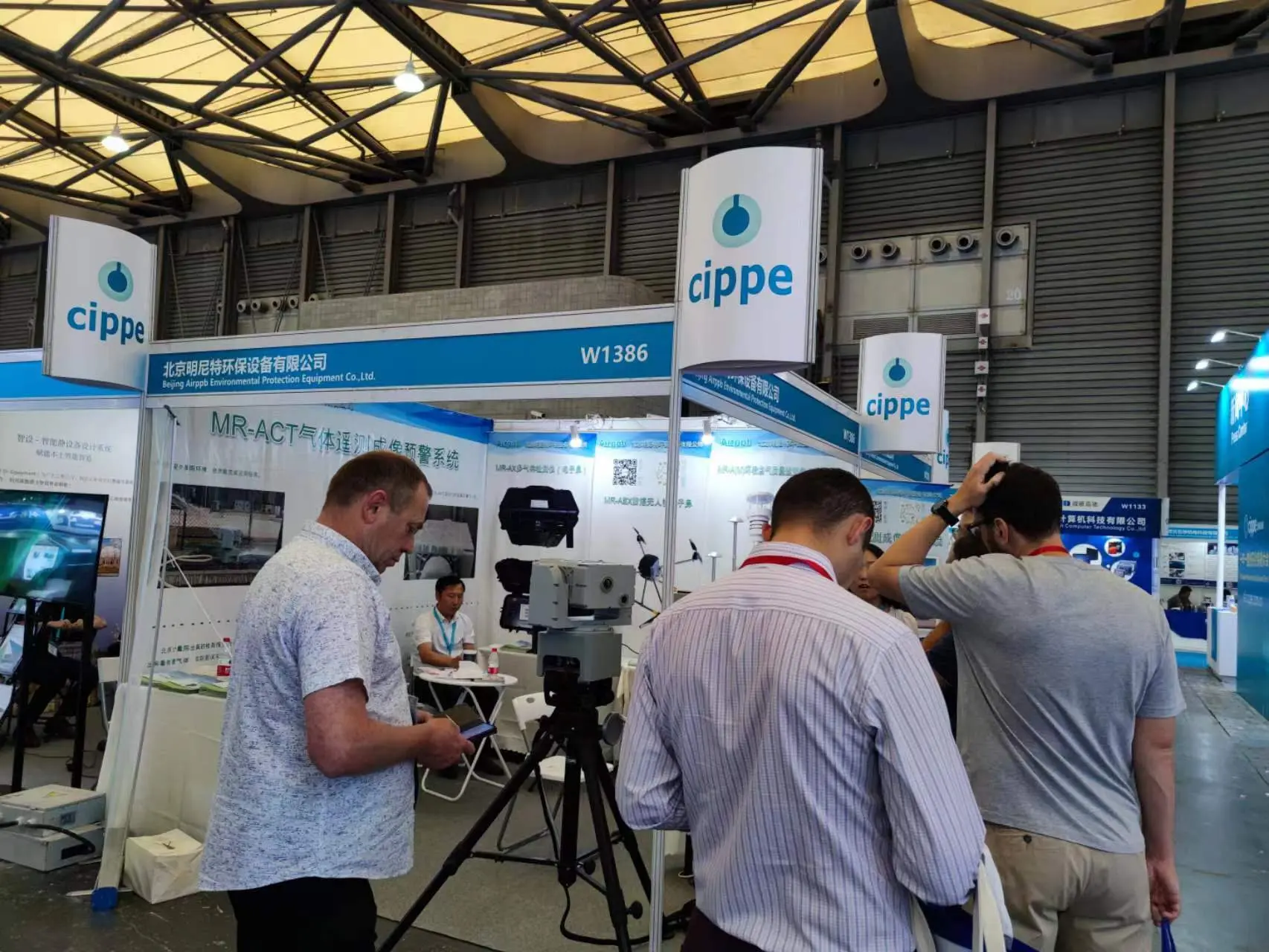
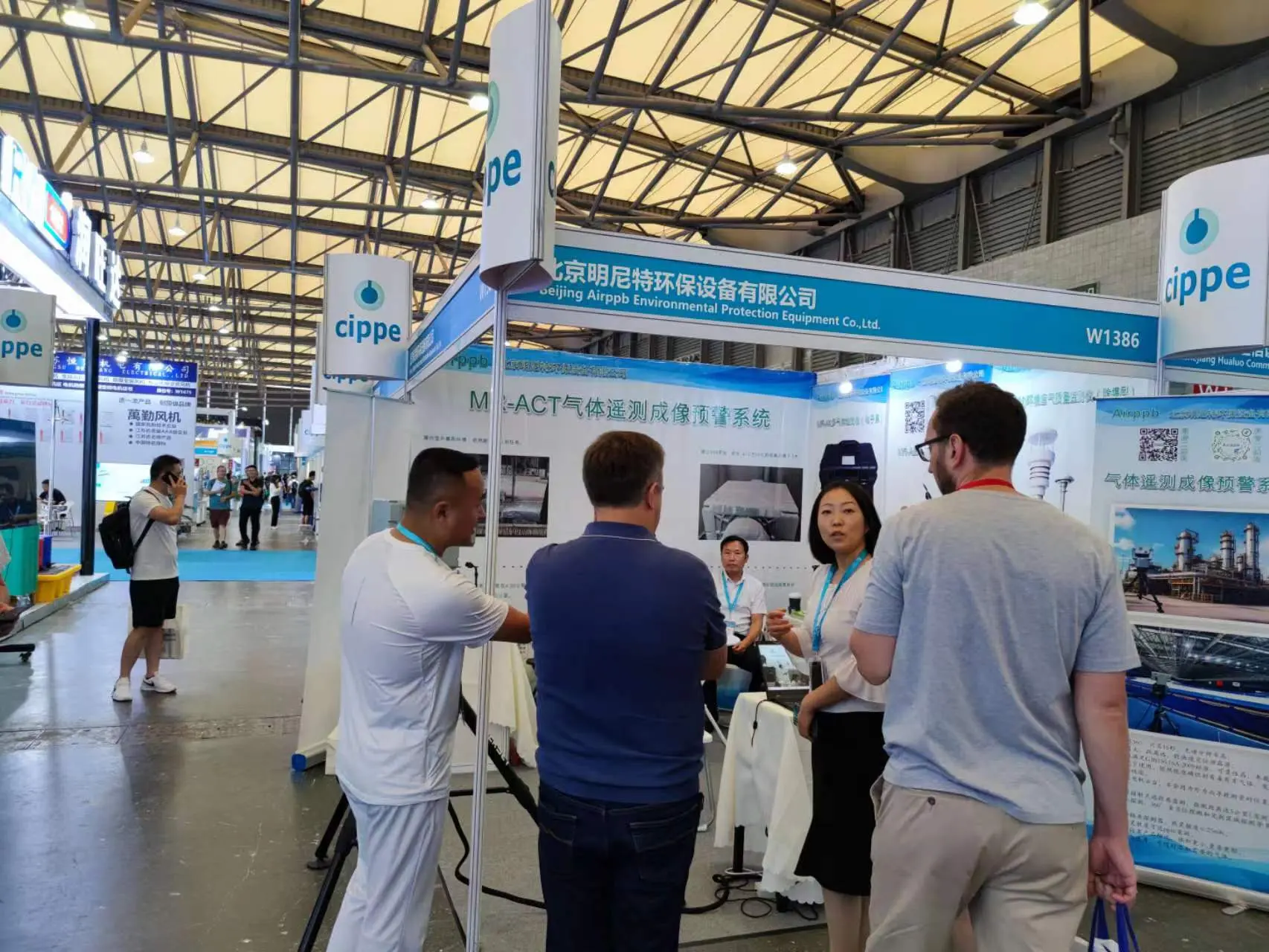
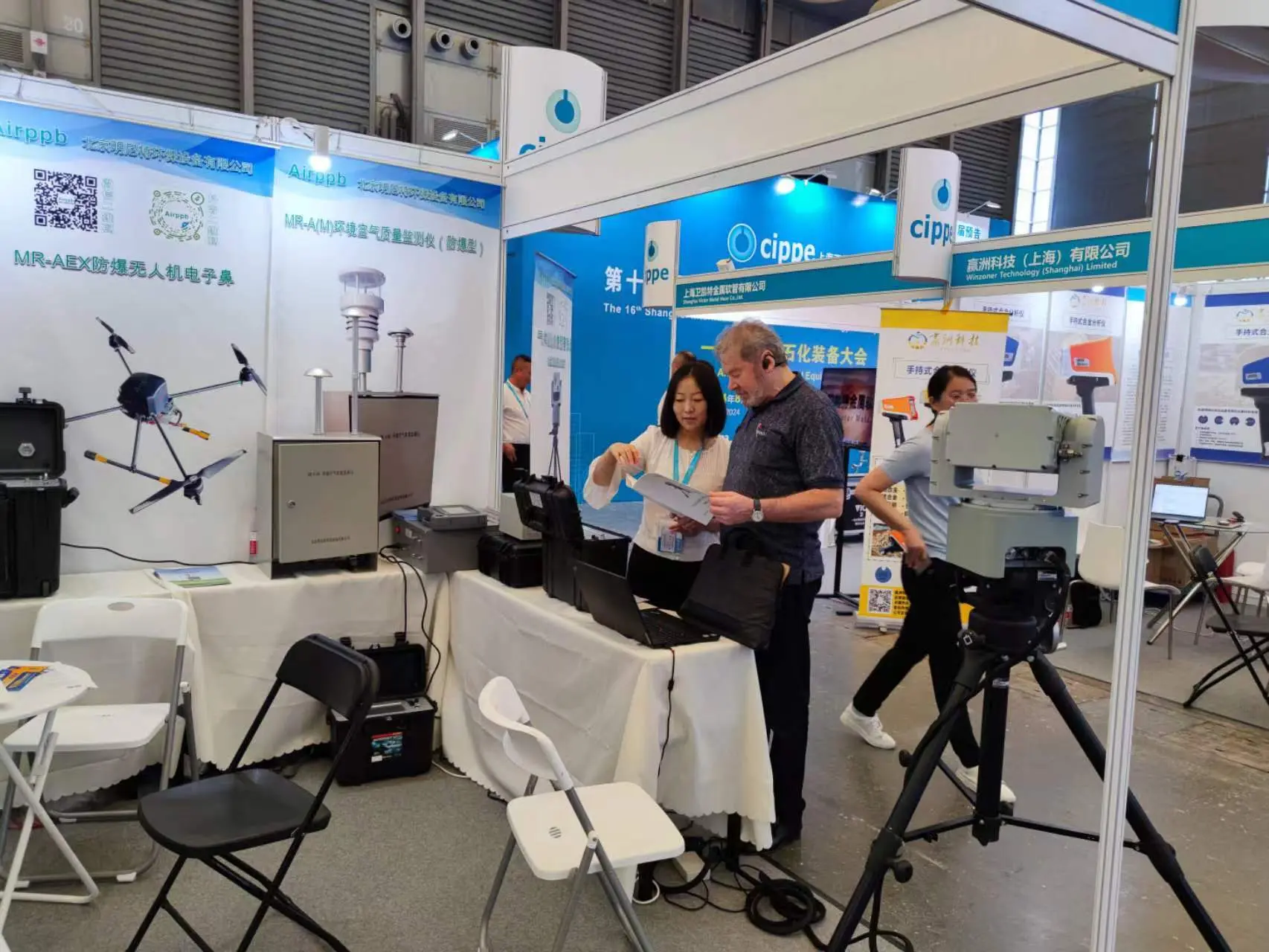
Present in over 40 countries and major international trade fairs

Defining the next decade of environmental sensing
The industry is moving toward "All-in-One" environmental nodes. Our roadmap includes integrating high-frequency EMF probes with Fourier Transform Infrared (FTIR) telemetry. This allows for the simultaneous detection of chemical leaks and electromagnetic spikes, which are often correlated in industrial accidents.
With 5G and Starlink-based connectivity, our future instruments will upload encrypted raw spectral data to cloud-based "Digital Twins," allowing for real-time 3D mapping of environmental hazards across entire continents.
We are expanding our local support centers in the Middle East, Russia, and Southeast Asia to provide 24/7 technical assistance and on-site calibration services. This ensures that localized regulations (like the Eurasian Conformity EAC) are met with precision.
Expert insights into EMF and gas detection technology
Explore our complete range of professional grade equipment
 Airppb