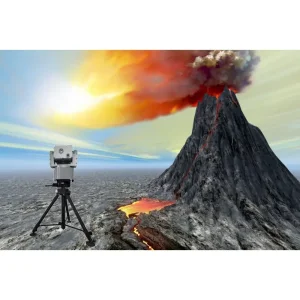
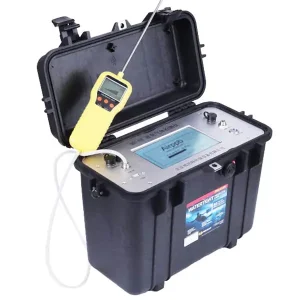
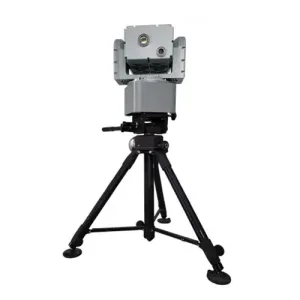
Explore industrial-grade gas telemetry instruments, FTIR remote sensing systems, and dynamic gas distribution equipment manufactured for extreme petrochemical operations.
The modern petroleum and petrochemical sector operates under unprecedented operational pressures, strictly bounded by stringent international safety mandates, environmental protection laws, and ESG compliance frameworks. Offshore drilling platforms, mega-refineries, chemical storage hubs, and cross-border hydrocarbon pipelines routinely handle volatile, highly flammable, and toxic chemical compounds including Hydrogen Sulfide (H₂S), Benzene, Toluene, Xylene (BTEX), Ethylene Oxide, and methane gas leaks. In emergency scenarios—such as pipeline ruptures, storage tank overpressurization, or uncontained vapor cloud releases—traditional point-detector networks often suffer from spatial blindness, delayed alert propagation, and false alarm vulnerability.
To eliminate fatal blind spots, global oil majors and chemical conglomerates are transitioning to Standoff Fourier Transform Infrared (FTIR) Telemetry Imaging, Ion Mobility Spectrometry (IMS) Chemical Identification, and hyper-local automated micro-air monitoring stations. Providing high information gain and early warning intelligence before toxic plumes disperse into surrounding communities has become the golden benchmark for evaluating emergency response brands and ranking industry leaders.
Evaluating gas monitoring and emergency response equipment manufacturers requires rigorous benchmarking across analytical resolution, response latency, spatial coverage, environmental tolerance, and zero-drift calibration capabilities. Below is an authoritative technical comparison matrix reflecting empirical test metrics across leading sensor topologies used in industrial hazardous locations:
| Analytical Technology | Detection Range / Sensitivity | Response Time (T90) | Target Compound Spectrum | Emergency Response Application |
|---|---|---|---|---|
| Fourier Transform Infrared (FTIR) Telemetry | Sub-ppm to % vol / Up to 5 km Standoff | < 2.0 seconds | 100+ VOCs, Hydrocarbons, Toxic Gas Plumes | Perimeter warning, multi-gas plume imaging, uncontained leak tracking |
| Ion Mobility Spectrometry (IMS) | ppb to ppm levels | < 3.0 seconds | TICS (Toxic Industrial Chemicals), Odor Compounds, Chemical Agents | First responder rapid chemical identification, personal safety triage |
| Photoionization Detection (PID) | 0.1 ppb to 10,000 ppm | < 1.0 second | Volatile Organic Compounds (VOCs), aromatics, solvents | HAZMAT entry, fugitive emission detection, fence-line monitoring |
| Dynamic Gas-Liquid Mixing & Dilution | Custom ratios up to 1:10,000 dilution | Real-time continuous flow | Multi-component calibration standard mixtures | Laboratory verification, on-site analyzer field calibration & validation |
| Electrochemical & NDIR Sensors | ppm to % vol | < 15 seconds | H₂S, CO, O₂, LEL Methane, CO₂ | Point gas detection, fixed safety interlock networks |
Minnit (Airppb) is a national high-tech enterprise focusing on the research, development, and industrialized innovative application of precision gas detection instruments. Established in 2012, Beijing Airpbb Environmental Protection Equipment Co., Ltd. uses cutting-edge technological innovation to realize on-site, automated, and intelligent gas analysis, detection, and real-time monitoring. The company is committed to becoming a leading global manufacturer of scientific gas analysis instruments.
Having mastered complete core gas analysis technologies spanning electrochemistry, PID, and optical spectroscopy, Airpbb has developed comprehensive laboratory analysis, on-site mobile/portable analysis, automated online monitoring, and dynamic calibration gas distribution systems. These technological solutions provide global users with mission-critical safety protection across advanced oil refining, petrochemical complexes, ecological environment emergency safety, and military defense.
With over 60% of our corporate headcount allocated directly to specialized optical, electronic, and software R&D teams, we provide over 15 years of robust ODM/OEM custom manufacturing capabilities. Our production lifecycle strictly adheres to certified international management standards.

End-to-end white-label and customized instrument engineering, helping global partners establish dominant market presence under their proprietary brand titles.
Our core R&D division accounts for 60% of the entire company, driving optical spectrometry, circuit design, signal processing, and AI cloud software algorithms.
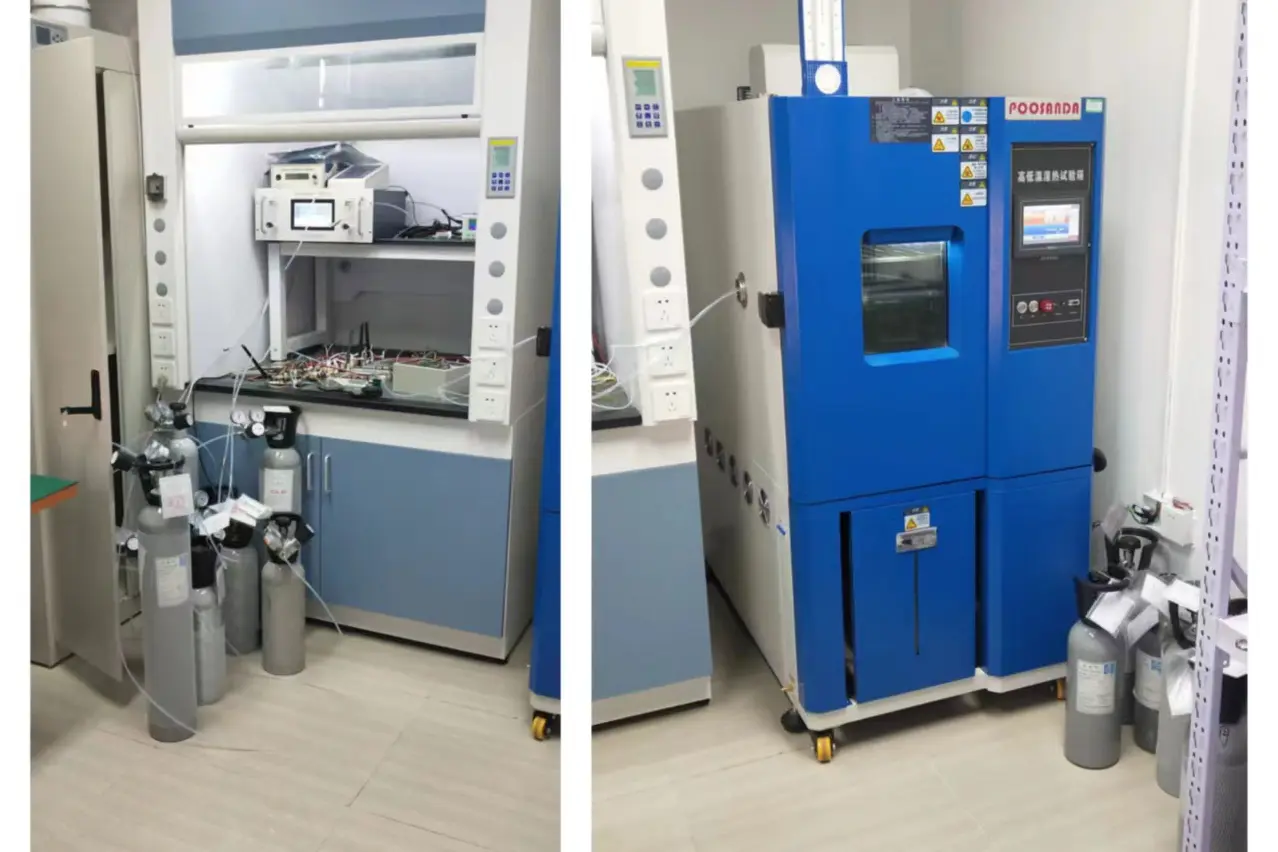
Full lifecycle QA/QC processes, including climate-chamber burn-in, vibration testing, and multi-gas calibration to guarantee zero field failure in harsh conditions.
Deploying emergency response and gas detection systems globally requires navigating intricate regional certification protocols, environmental standards, and localized support operations. Hazardous operating environments—such as Middle Eastern desert oilfields, Siberian freeze-thaw zones, or South Asian tropical refineries—present distinct challenges that standardized off-the-shelf equipment cannot resolve.
Airpbb guarantees seamlessly localized compliance and integration by designing equipment that matches major worldwide standards:
Engineered to withstand extreme ambient temperatures exceeding +55°C, high dust storms, and solar glare. Fully compatible with Aramco, ADNOC, and SABIC emergency response mandates for H₂S leakage control.
Equipped with internal heating circuits and low-temperature battery management systems capable of cold-starting and operating reliably at -40°C in remote sub-zero pipeline stations.
Product lines strictly comply with ISO9001 Quality Management, ISO14001 Environmental Management, ISO45001 Occupational Health & Safety, CPA, CCEP, and certified CNAS/CMA testing reports.
The global petrochemical sector demands high-precision gas detection devices built with speed, scalability, and absolute component traceability. Airpbb leverages China’s unparalleled industrial ecosystem in Beijing and regional optical instrument clusters, providing global EPCs (Engineering, Procurement, and Construction contractors) with significant strategic advantages:
From precision optical mirrors and spectroscopic grating assemblies to customized sensor chambers and circuit boards, our complete supply chain ownership reduces production lead times by over 40% compared to Western OEMs.
Our facilities house automated high-precision dynamic gas distribution calibration rooms (capable of multi-component gas-liquid mixing), allowing every sensor module to undergo multi-point temperature and humidity compensation calibration.
By optimizing manufacturing processes and component sourcing without compromising safety standards, Airpbb delivers military- and industrial-grade monitoring equipment at highly competitive cost points, enhancing client ROI.
For multinational oil and gas enterprises, emergency response instrument procurement decisions involve evaluating safety ratings, life-cycle costs, and platform interoperability. Tender specifications typically demand precise compliance across the following operational vectors:
Enclosures must meet stringent explosion-proof standard classifications (such as Ex d IIC T6 Gb) and carry IP66/IP67 ingress ratings to withstand intense water jets and fine particulate accumulation in offshore and desert facilities.
Instrumentation must natively support standardized industrial fieldbus networks, including Modbus RTU/TCP, 4-20mA HART, 5G cellular telemetry, and LoRaWAN for seamless backhaul into central SCADA and Distributed Control Systems (DCS).
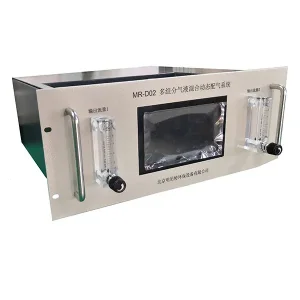
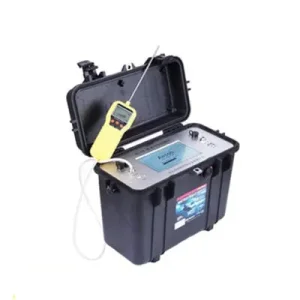
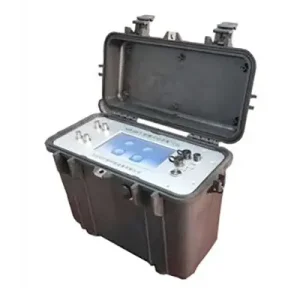
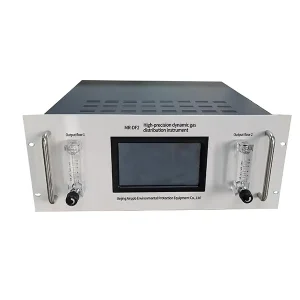
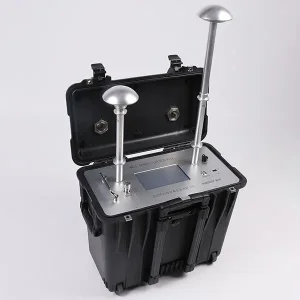
Procurement teams require devices that can be quickly calibrated on-site using portable dynamic gas distribution meters (such as the Airpbb MR-DF2 / MR-DF3 series), minimizing operational downtime.
The petrochemical gas detection sector is experiencing rapid technological evolution driven by artificial intelligence, cloud analytics, and miniaturized optics. Key developments defining the next decade of industrial safety include:
Modern FTIR remote sensing telemetry systems integrate machine learning algorithms to map gas cloud density, dispersion velocity, and vector trajectory in real time, auto-calculating optimal plant evacuation routes.
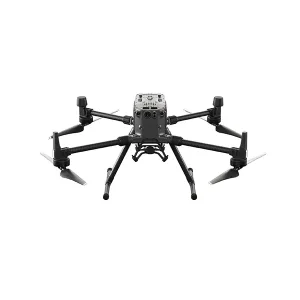
Unmanned Aerial Vehicles (UAVs) equipped with miniaturized FTIR telemeters and lightweight IMS detectors allow hazmat teams to conduct high-altitude aerial reconnaissance of uncontained storage tank leaks without risking personnel safety.
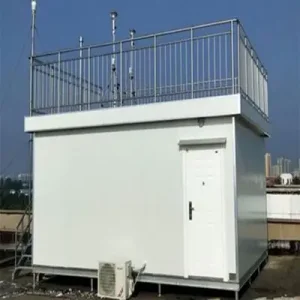
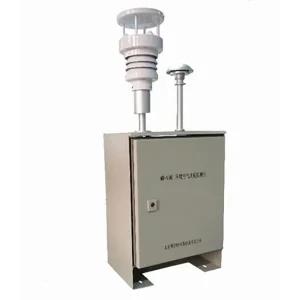
Fenceline monitoring is shifting from isolated gas detectors to hyper-dense meshes of automated micro-air monitoring stations (e.g., Airpbb MR-A Series), continuously feeding real-time VOC telemetry to regional environmental regulatory dashboards.
Gas detection equipment must perform consistently across diverse environmental extremes. Below are primary real-world application scenarios where Airpbb instruments provide operational safety:
Offshore oil rigs operate in highly corrosive marine salt-spray atmospheres subject to severe wind turbulence. Mounted FTIR imaging systems monitor flare stacks and drill heads 24/7 for sudden sour gas (H₂S) blowouts.
Industrial parks containing multiple chemical refineries utilize automated micro air stations (MR-A(M)) and high-precision dynamic gas distribution calibration setups to track fugitive emissions and trace toxic VOC migrations across property boundaries.
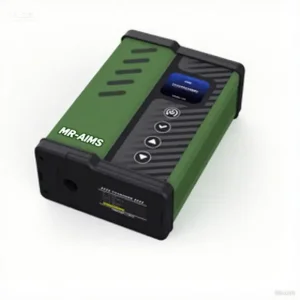
When chemical transport vehicles overturn or pipeline valves rupture, emergency response teams deploy handheld IMS chemical identifiers (MR-AIMS) and portable multi-gas detectors to immediately identify unknown hazardous substances within seconds.
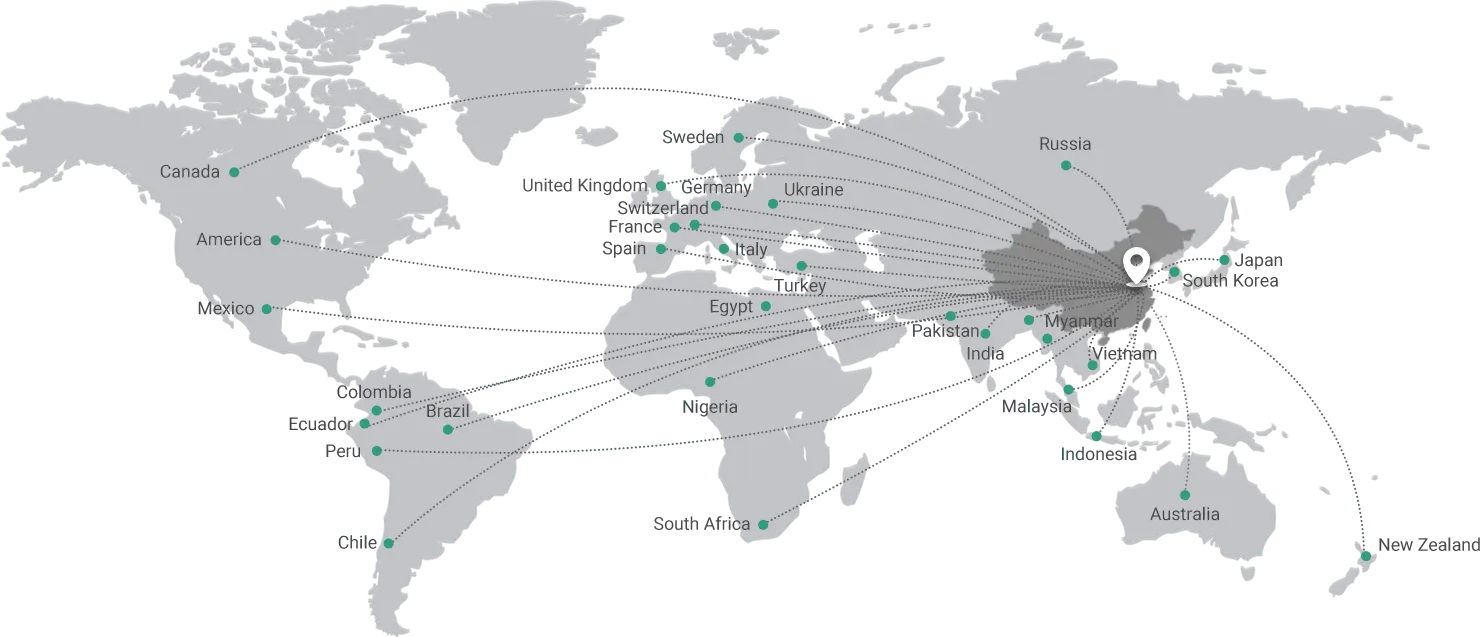
Validated quality management systems and an expanding global footprint across 40+ countries.
Airpbb operates under ISO9001, ISO14001, and ISO45001 certified management systems, holding national CPA, CCEP, and CNAS/CMA testing accreditations.
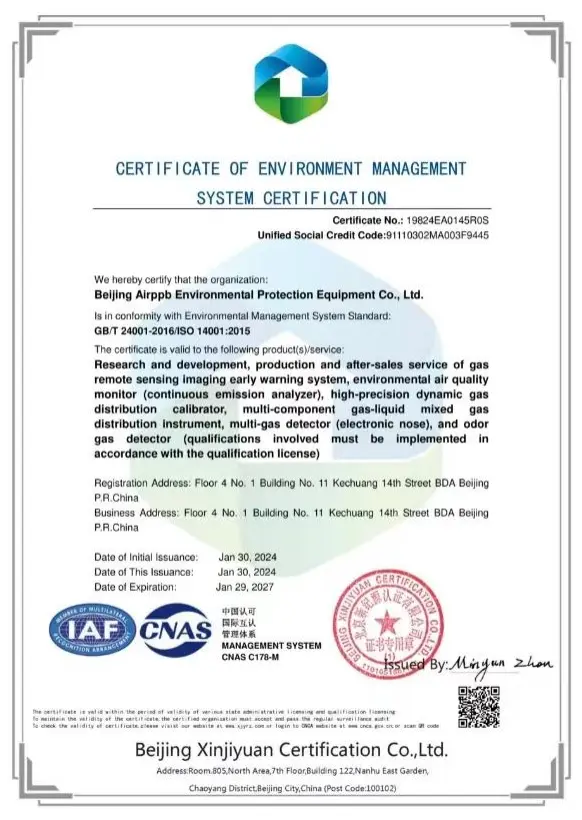
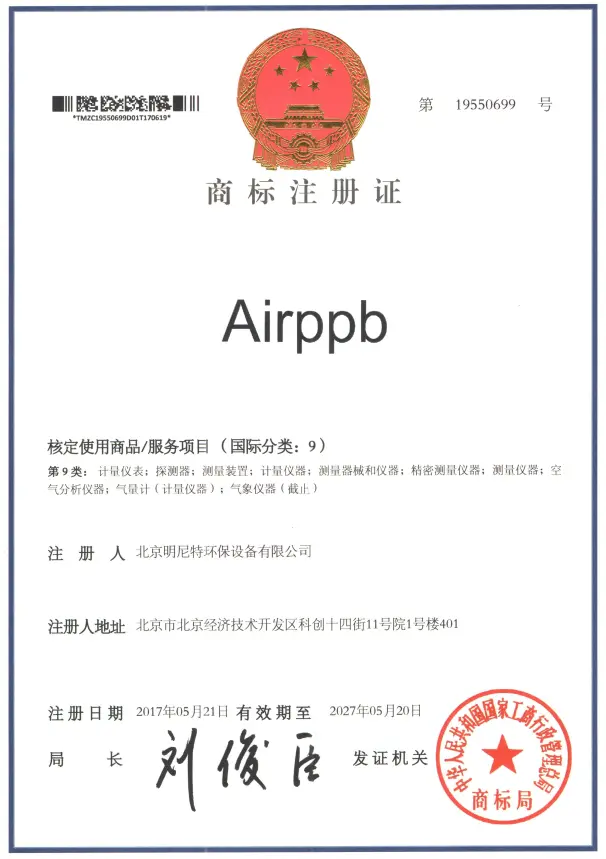
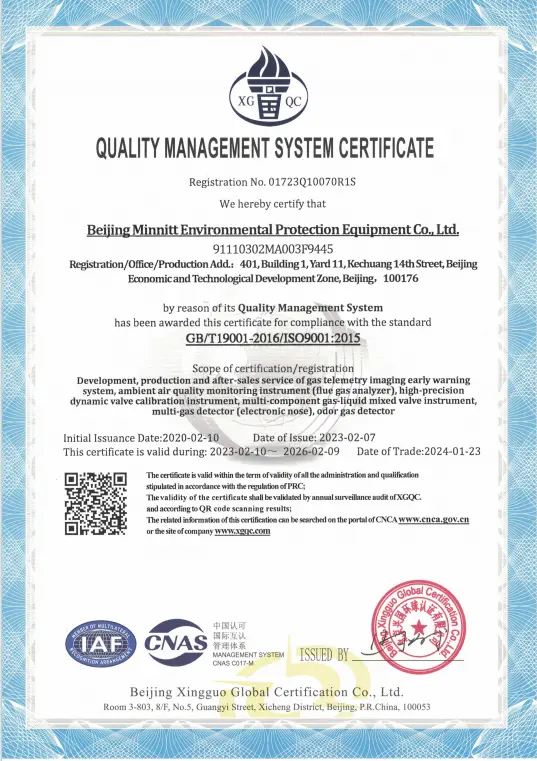
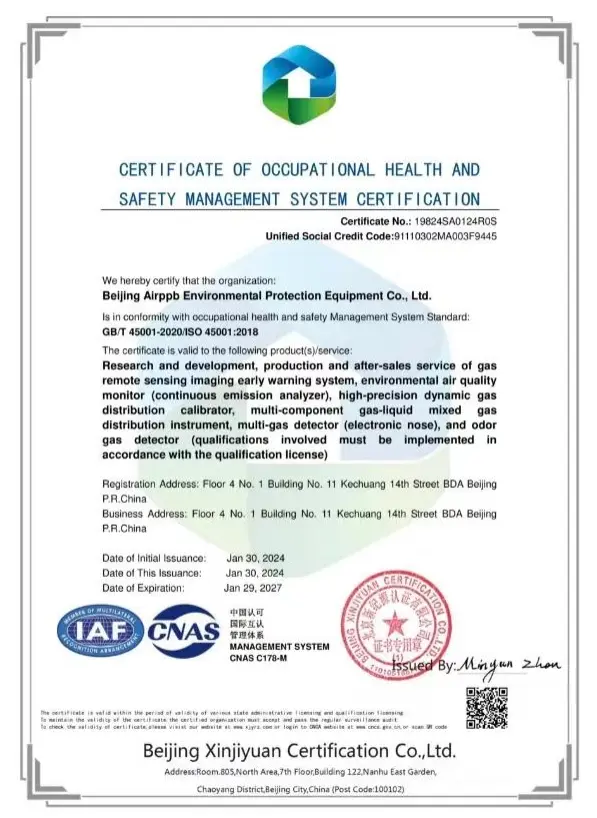
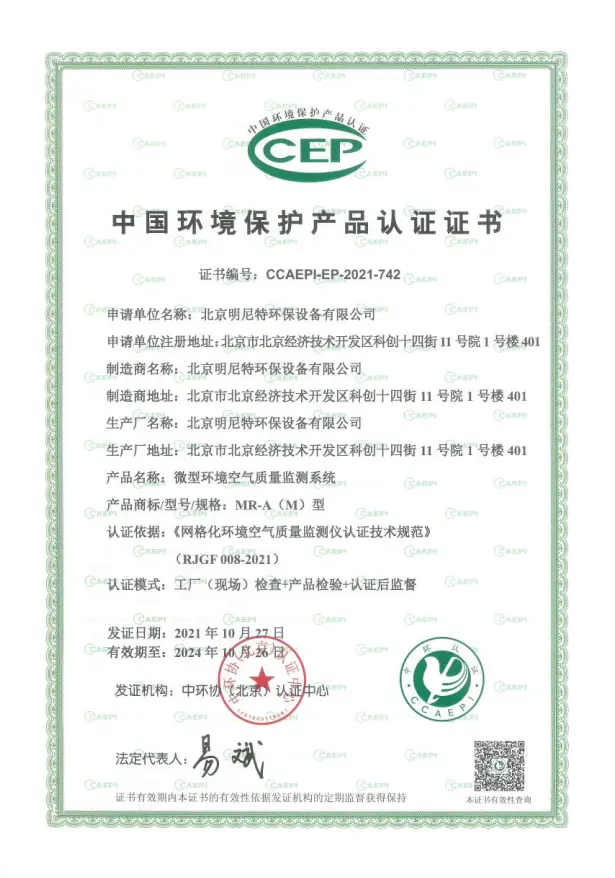

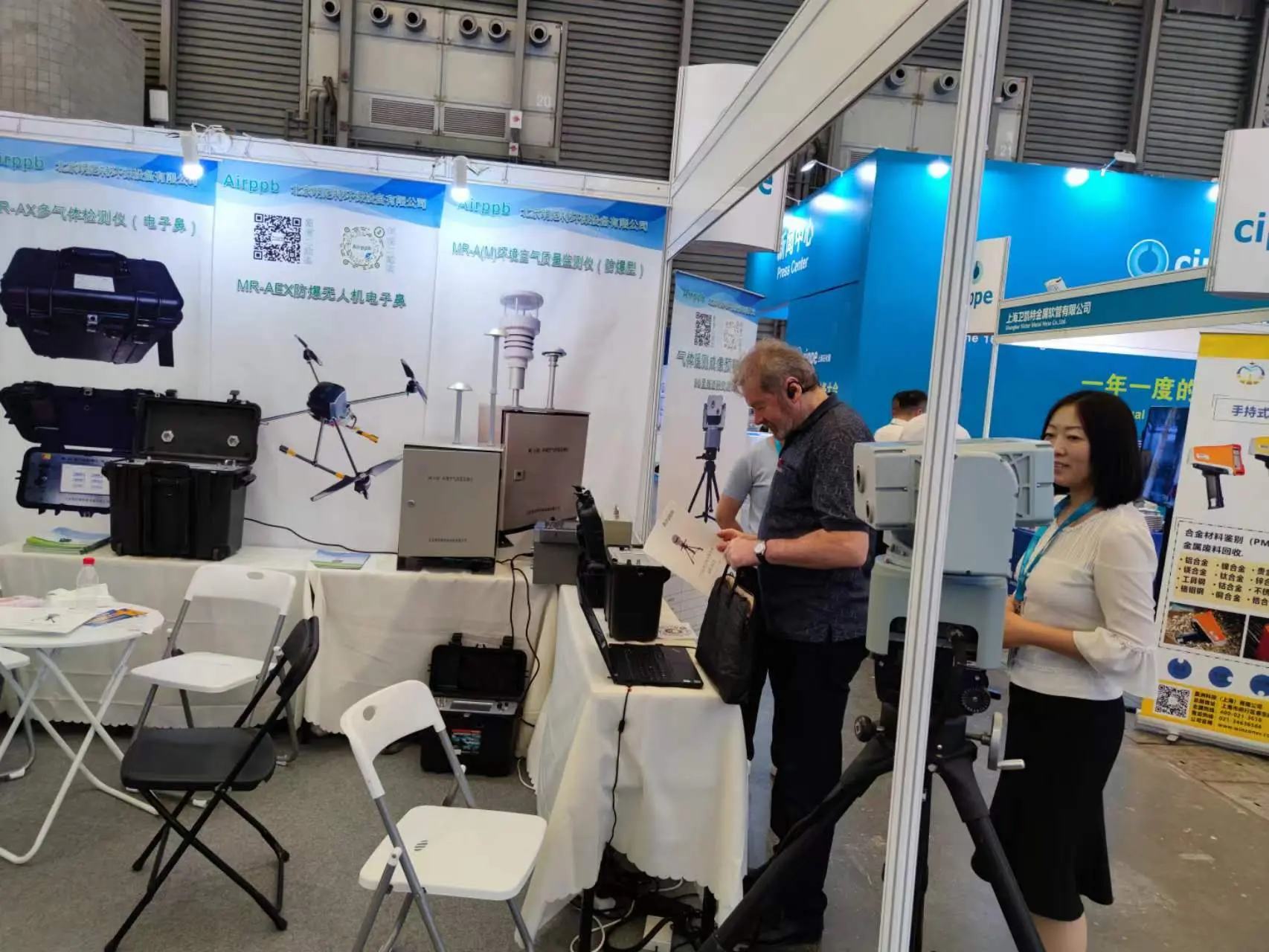
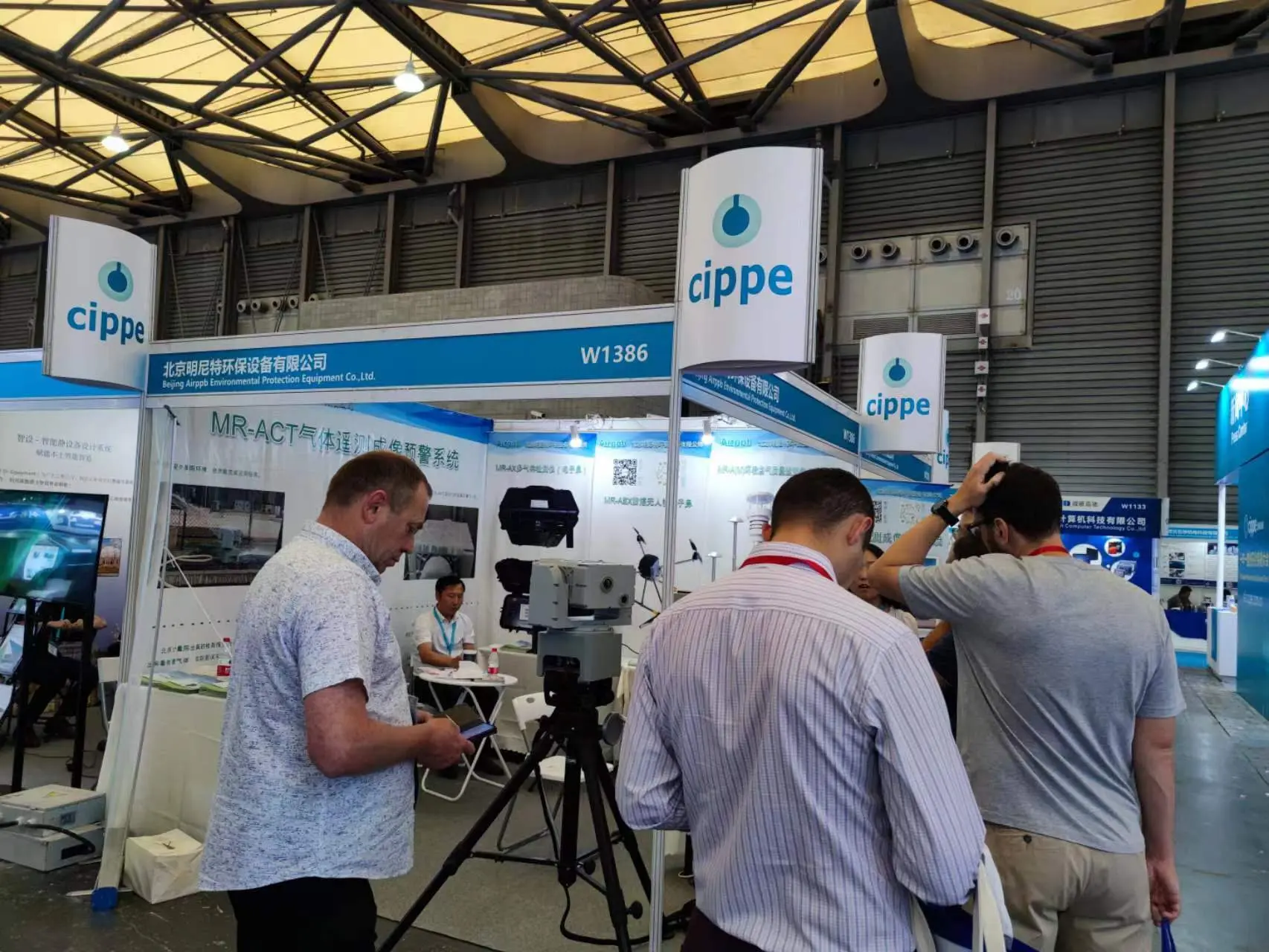
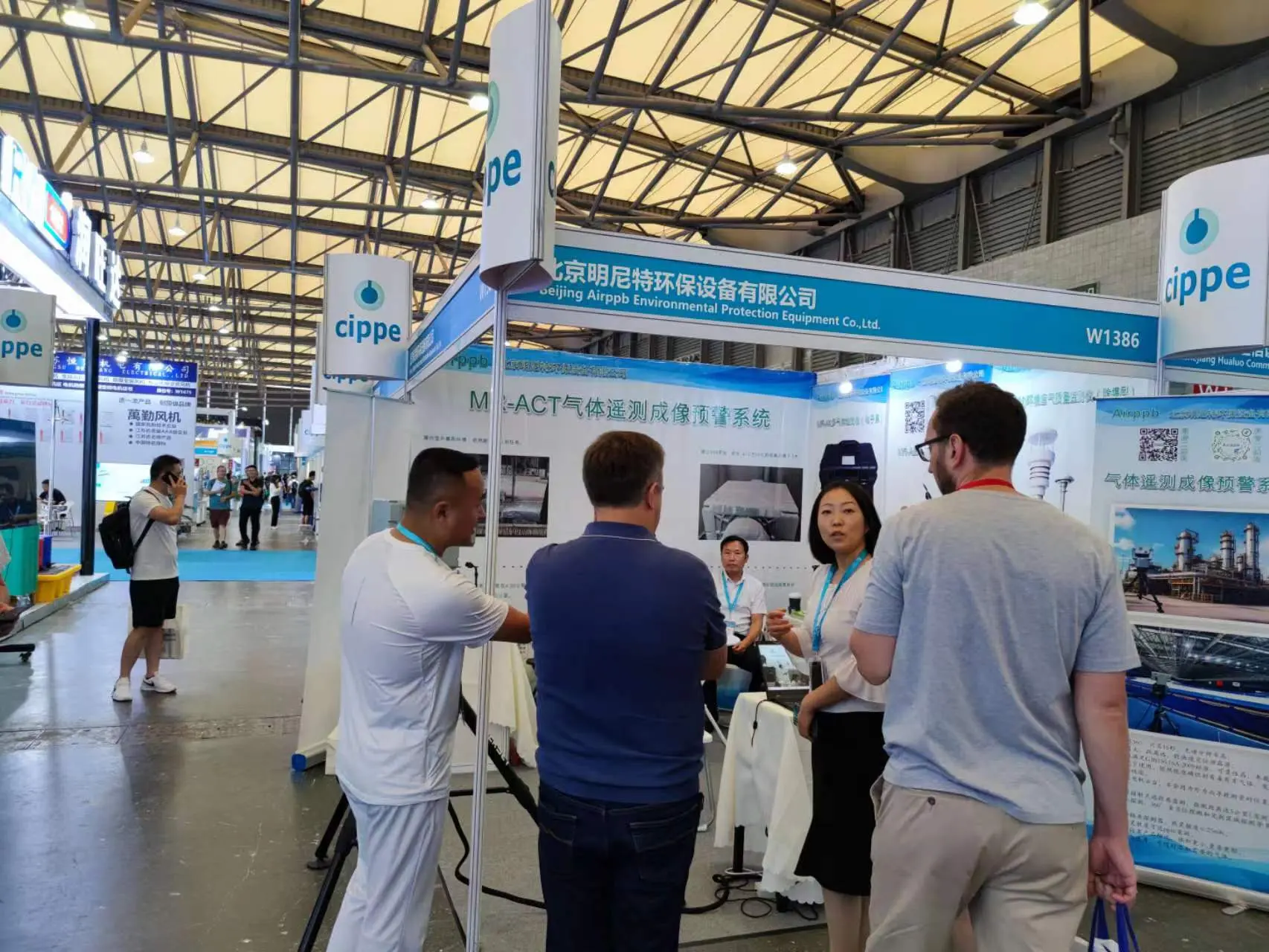
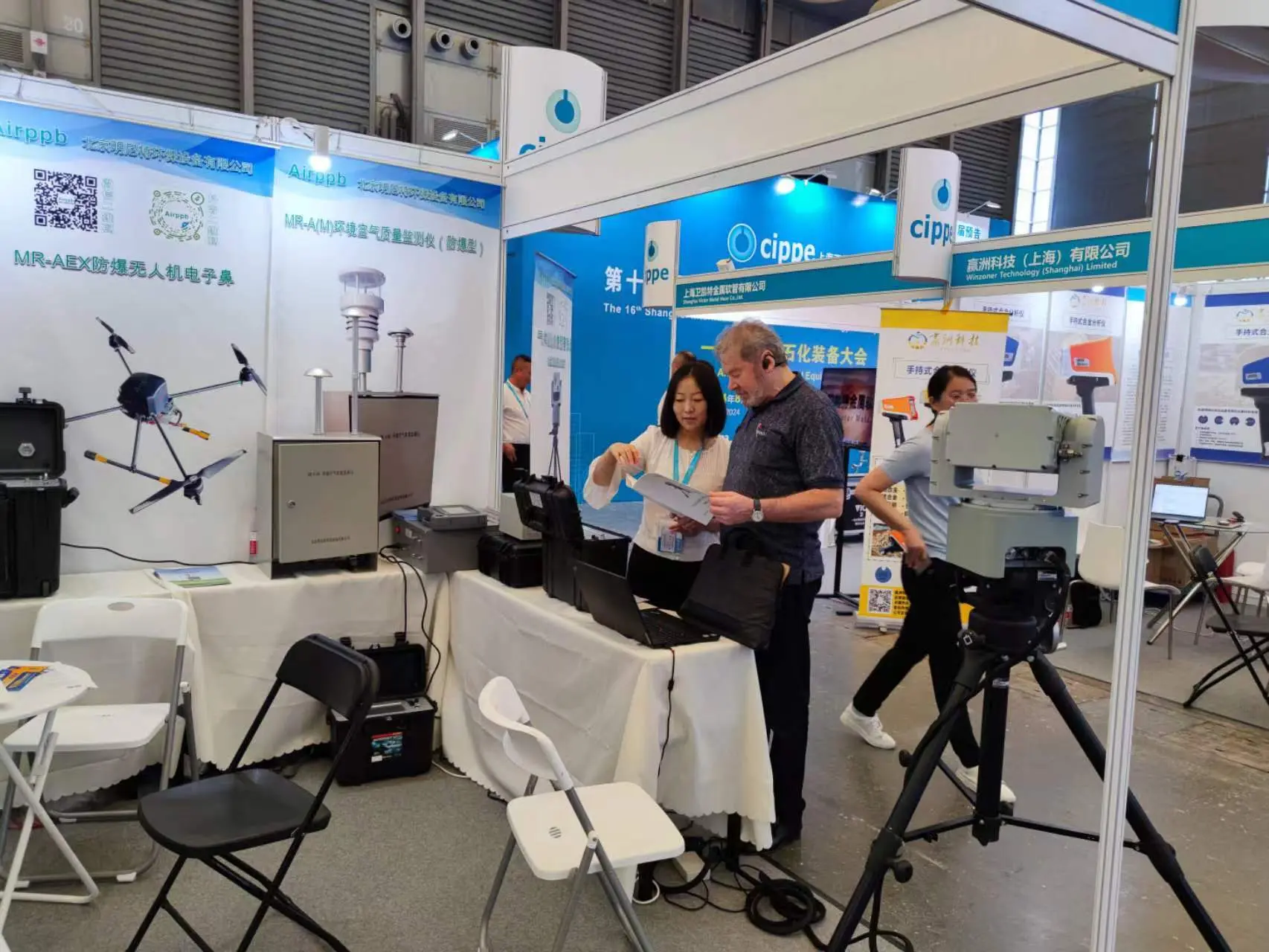

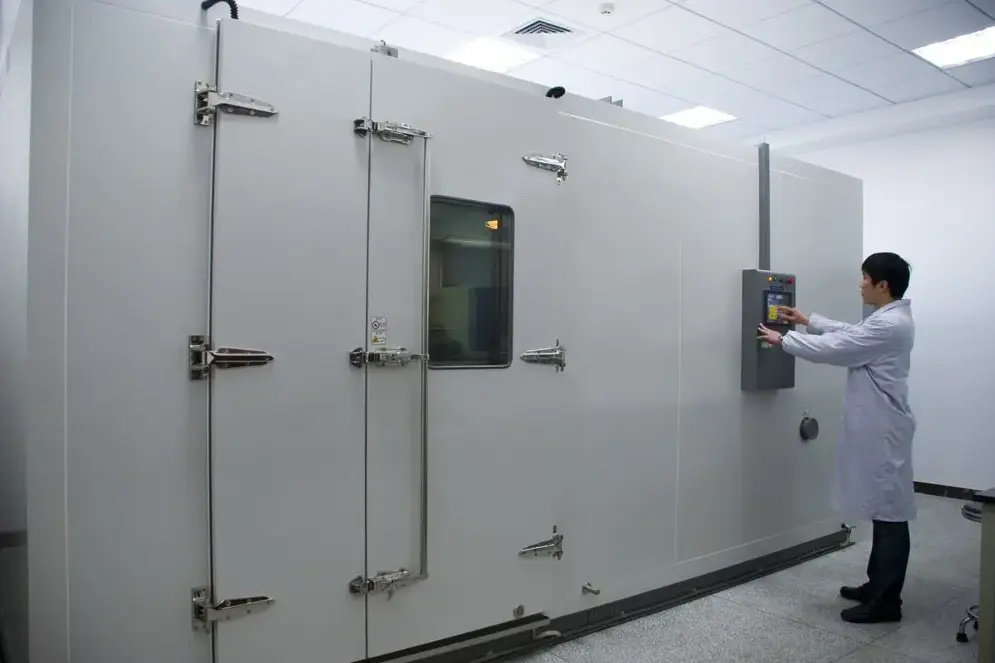
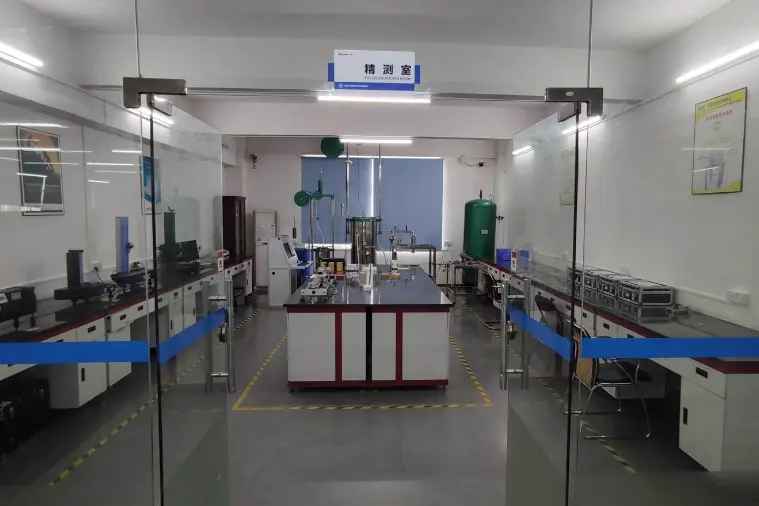
Airpbb precision gas analysis instruments are deployed across more than 40 countries, safeguarding critical energy infrastructure worldwide.
Review full product specifications or submit a direct RFQ for enterprise procurement projects.
 Airppb