Explore our global top-ranked gas analysis systems, standoff telemeters, and high-precision dynamic calibration instruments engineered for critical mission field deployments.
In modern emergency response, industrial disaster control, and tactical field policing operations, real-time chemical hazard identification is no longer optional—it is the baseline for personnel safety and strategic decision-making. Firefighters, Hazmat (Hazardous Materials) crews, and law enforcement CBRN (Chemical, Biological, Radiological, and Nuclear) defense units frequently operate in unpredictable, toxic, and explosive micro-environments. The mandate for rapid field policing demands sub-ppm gas detection accuracy, multi-gas spectrum identification, and immediate wireless telemetry.
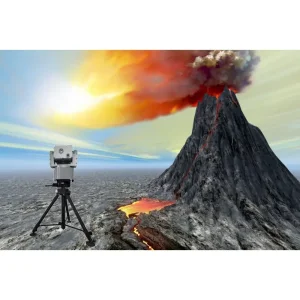
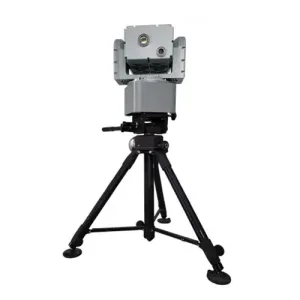
First responders can no longer rely solely on point-contact sensors when entering toxic plume clouds. Standoff optical telemetry, such as Fourier Transform Infrared (FTIR) imaging, permits real-time chemical plume mapping from distances up to several kilometers, keeping tactical teams outside the hot zone.
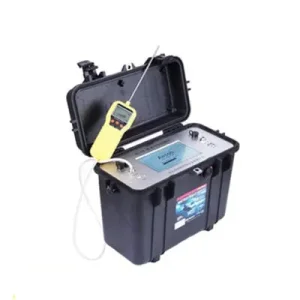
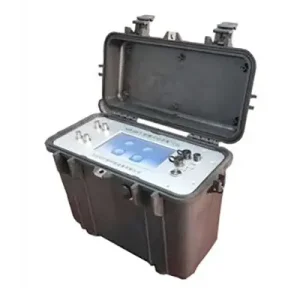
Handheld IMS technology has emerged as the premier standard for chemical agent identification (CWA) and Toxic Industrial Chemicals (TICs). Delivering sub-second response times without requiring external carrier gas cylinders, handheld IMS devices provide field police with actionable intelligence.
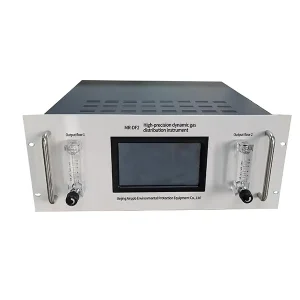
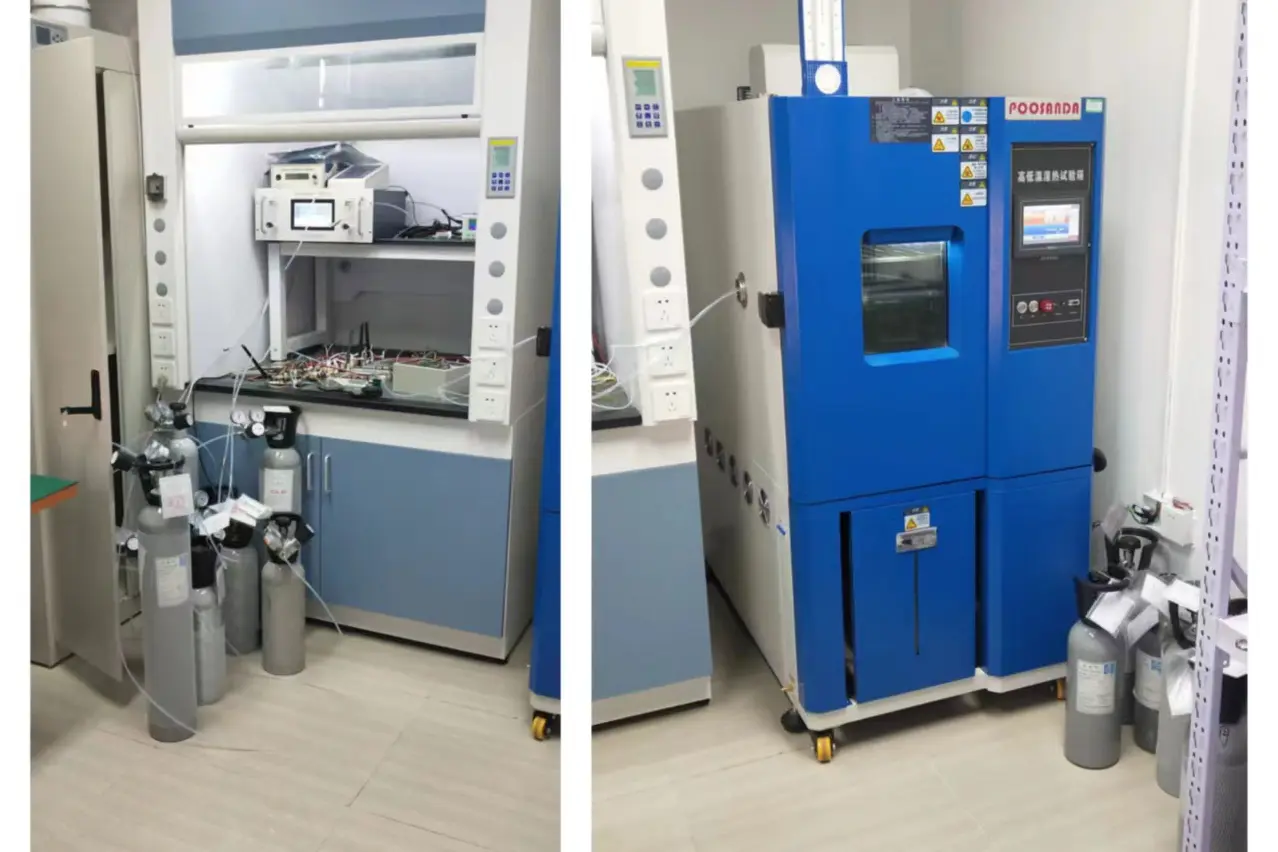
Field instrumentation requires frequent multi-point verification. Advanced dynamic gas distribution instruments (such as the MR-DF2 and MR-DF3 series) allow automated field calibration using high-precision mass flow controllers, guaranteeing sensor reliability during critical emergency deployments.
Our rigorous technical evaluation framework assesses emergency response instrumentation based on detection accuracy, response time (T90), environmental ruggedness, and multi-gas analytical breadth.
| System Category | Primary Technology | Target Species / Compounds | Field Deployment Sector | Technical Benchmark Score |
|---|---|---|---|---|
| Gas Telemetry Imaging | Fourier Transform Infrared (FTIR) Passive Scanning | VOCs, TICs, Volcanic Gases, Hydrocarbons (100+ species) | Military Standoff, Industrial Plant Firefighting | 98.5 / 100 (Rank #1) |
| Handheld Chemical Identifiers | Ion Mobility Spectrometry (IMS) | Nerve Agents, Blister Agents, Toxic Volatile Compounds | Police Tactical, CBRN Emergency Response | 97.8 / 100 (Rank #1) |
| Multi-Gas Odor Detectors | Photoionization (PID) & Electrochemical Array | Complex Odor Gas Mixtures, H2S, NH3, Mercaptans | Environmental Police, Municipal Fire Hazards | 96.4 / 100 (Rank #1) |
| Dynamic Gas Calibration | Dual Mass Flow Controller (MFC) Dilution | Standard Gas Multi-Point Field Calibration | Mobile Labs, Metrology Calibration Van | 99.1 / 100 (Rank #1) |
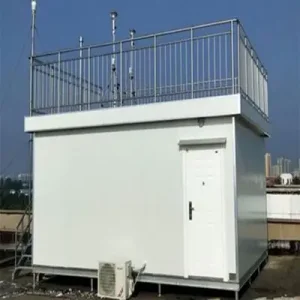
| Micro Air Monitoring Stations | Laser Scattering & Electrochemistry | PM2.5, PM10, SO2, NO2, CO, O3 Ambient Air | Petrochemical Perimeter Policing | 95.9 / 100 (Rank #2) |
Beijing Airpbb Environmental Protection Equipment Co., Ltd. combines advanced optoelectronic R&D with China's ultra-efficient electronics manufacturing ecosystem to deliver world-class scientific instrumentation at unprecedented cost-to-performance ratios.
Over 60% of our enterprise headcount is directly deployed in optoelectronic physics, spectroscopic software, and hardware design. This intense R&D focus accelerates product iteration cycles from concept to certified prototype within weeks.
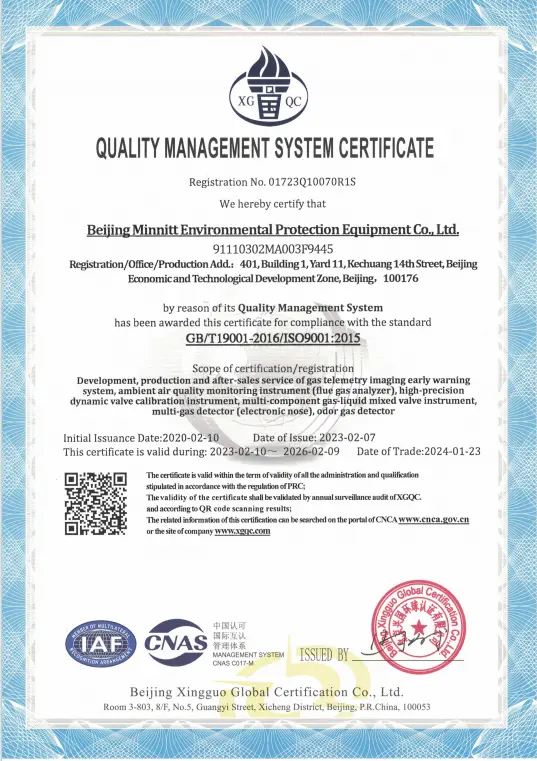
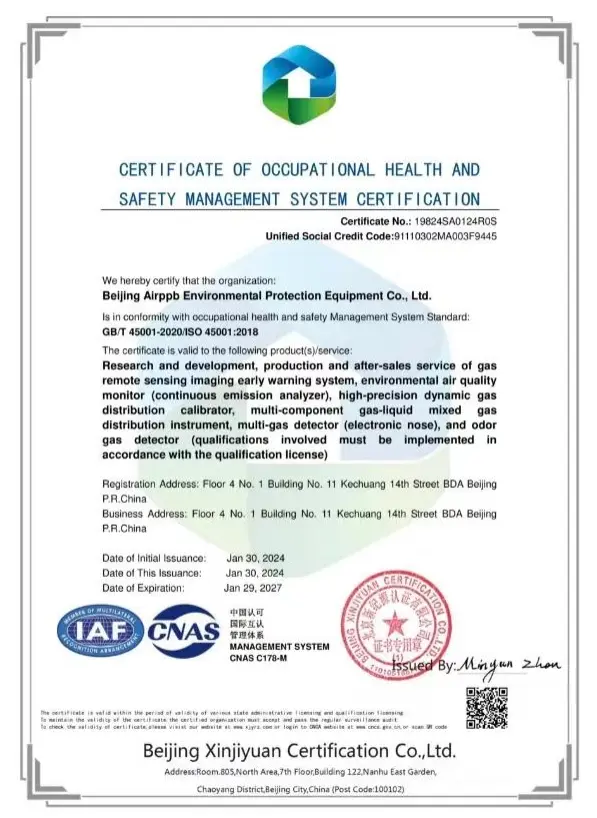
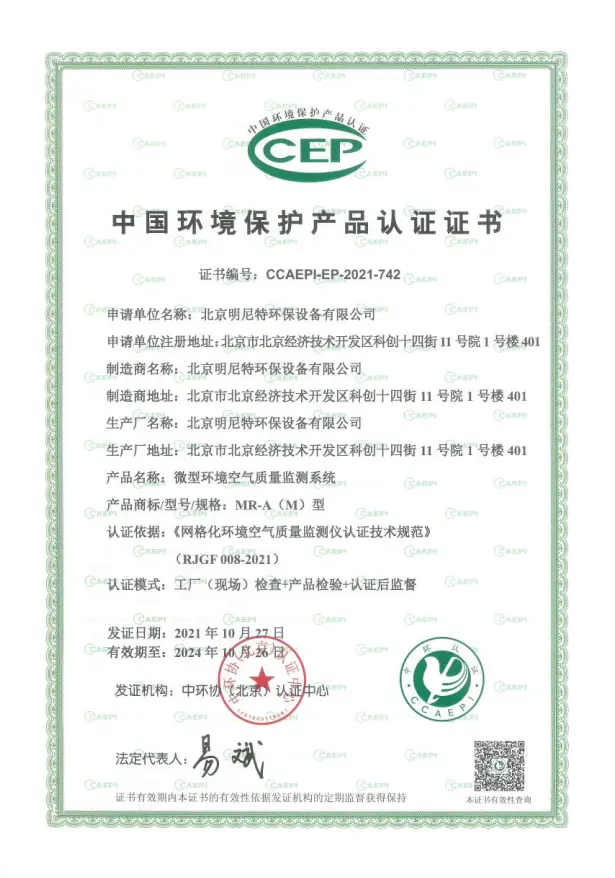
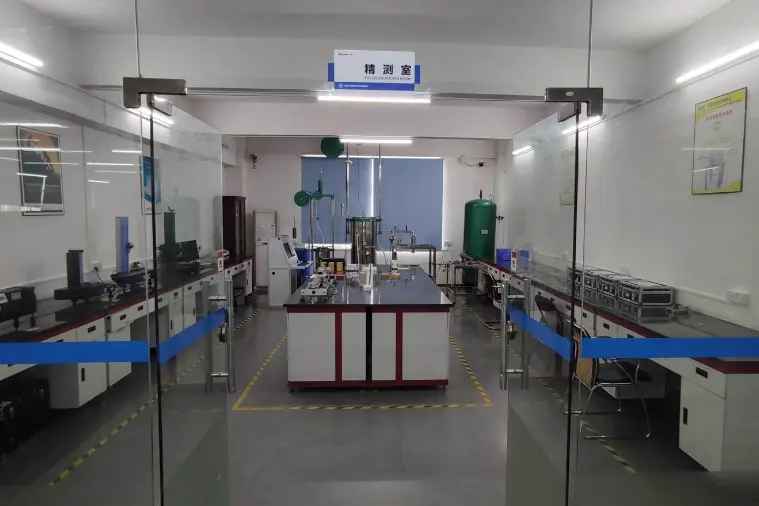
Our manufacturing hub strictly complies with ISO9001 Quality Management Systems, ISO14001 Environmental Management Systems, and ISO45001 Occupational Health and Safety Standards. All field detectors feature CPA, CCEP, and CNAS/CMA testing reports.
With over 15 years of white-label manufacturing experience, we enable global brands to customize housing designs, sensor arrays, GUI software, and communication protocols (Modbus, 4G, LORAWAN, HART) for local compliance and brand equity.
Deploying field-tested gas detection technologies tailored to regional environmental and operational challenges across defense, industrial, and municipal police forces.
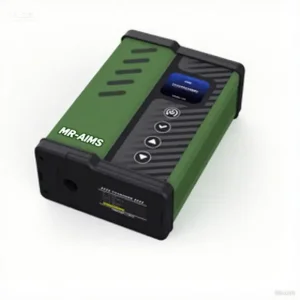
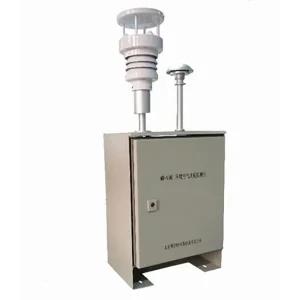
During industrial refinery fires, volatile organic compounds (VOCs) and toxic gases like Hydrogen Sulfide ($H_2S$) pose immediate threats to emergency response crews. The installation of MR-A(S) Automatic Station Monitors combined with handheld MR-AIMS Chem-Identifiers guarantees rapid containment and toxic perimeter fencing.
Operating under extreme thermal conditions and high dust indices in the Middle East demands ruggedized optoelectronics. Our MR-ACT Remote Volcanic Gas Monitoring Systems provide autonomous, continuous infrared gas telemetry for sulfur dioxide ($SO_2$) and carbon dioxide ($CO_2$) plumes near active volcanic vents and remote oil wells.
Law enforcement and defense personnel entering suspected drug labs or chemical hazard sites utilize the Military MR-AX Multi-Gas Odor Detector. It rapidly analyzes complex chemical odors, classifying dangerous volatile agents to protect officers before physical entry.
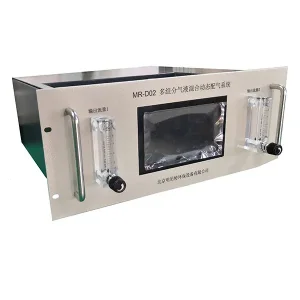
Sub-zero operating environments require sub-system heated gas mixing. The Russia MR-DO2 Gas-Liquid Mixing Dynamic Calibration Instrument enables mobile analytical laboratories to perform standard gas distribution and instrument recalibration down to extreme temperature thresholds.
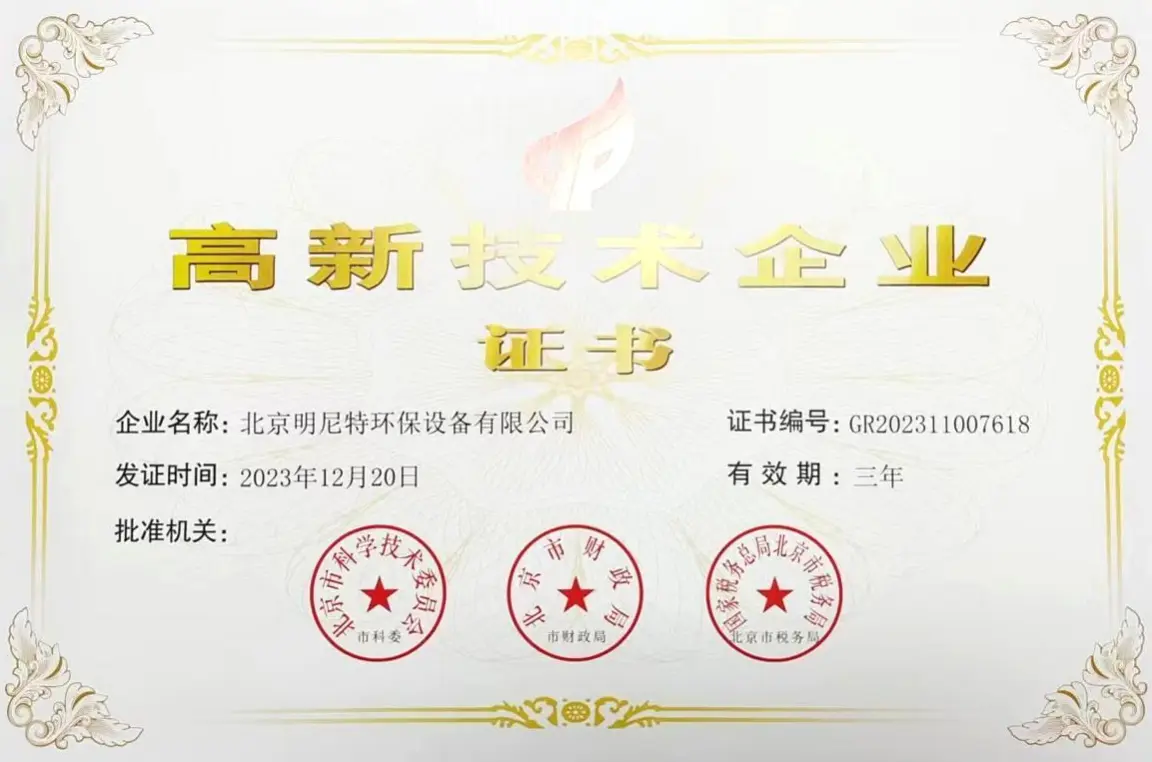
Established in 2012, Beijing Airpbb Environmental Protection Equipment Co., Ltd. is a national high-tech enterprise focusing on the research, development, and industrial application of precision gas detection instruments. Mastering complete gas analysis techniques across electrochemistry, photoionization (PID), Ion Mobility Spectrometry (IMS), and Fourier Transform Infrared (FTIR) spectroscopy, Minnit provides one-stop automated analysis solutions globally.

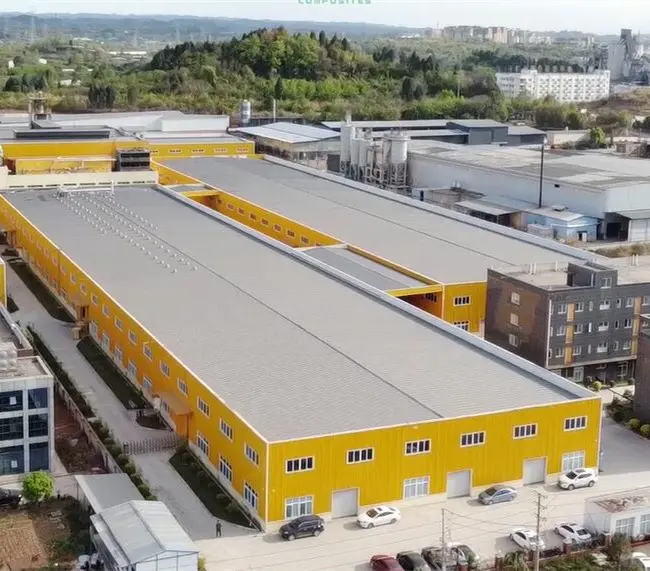
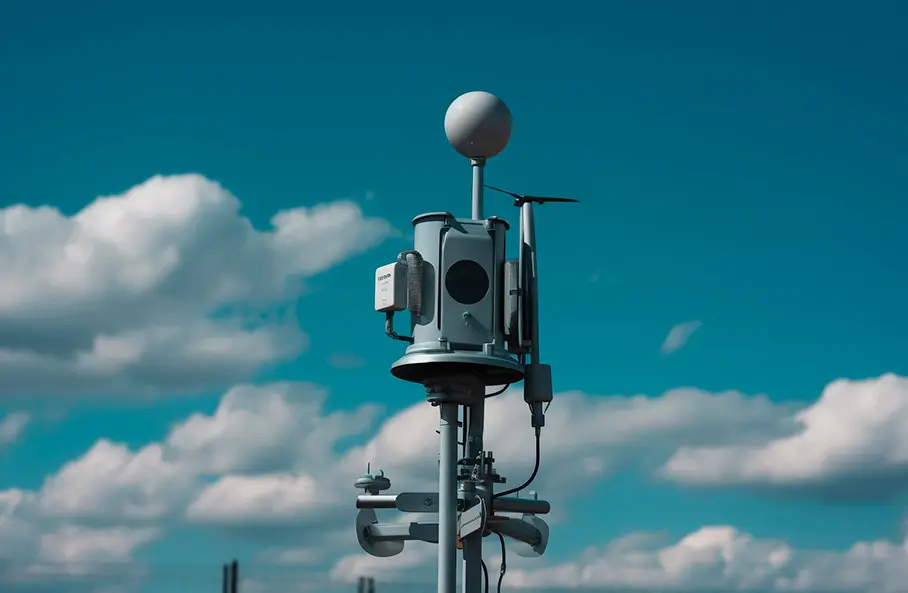

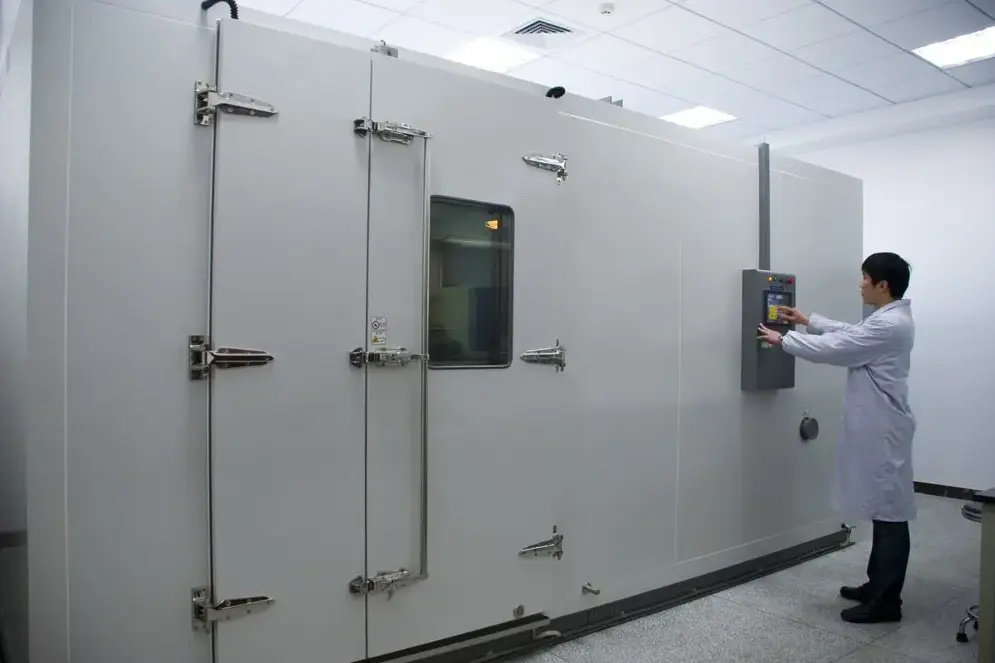
Every batch of instruments undergoes automated aging, thermal shock testing, and multi-point calibration. Our ISO certifications and testing reports guarantee that products meet internationally recognized standards for reliability and accuracy.
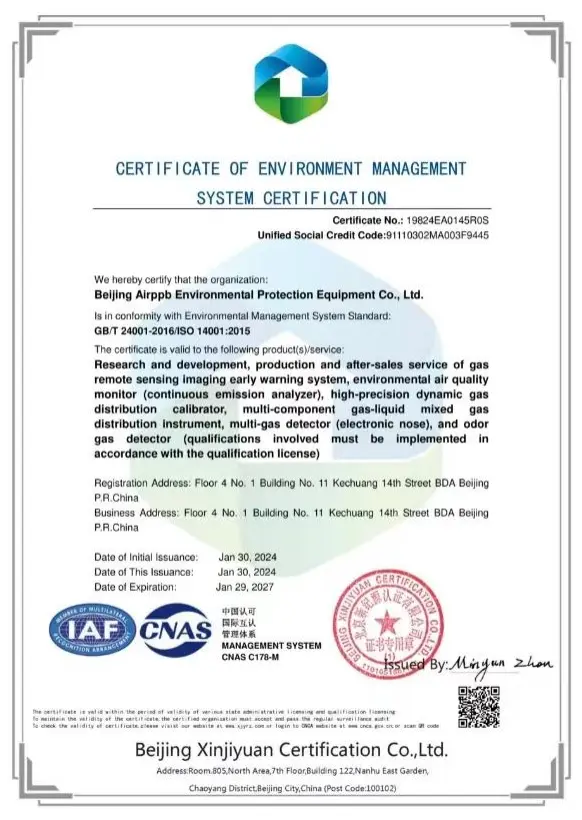
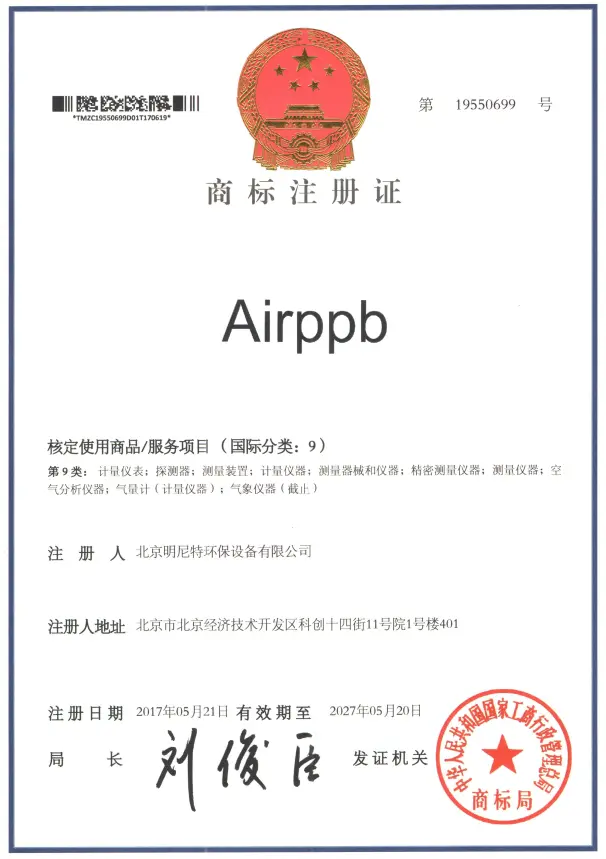

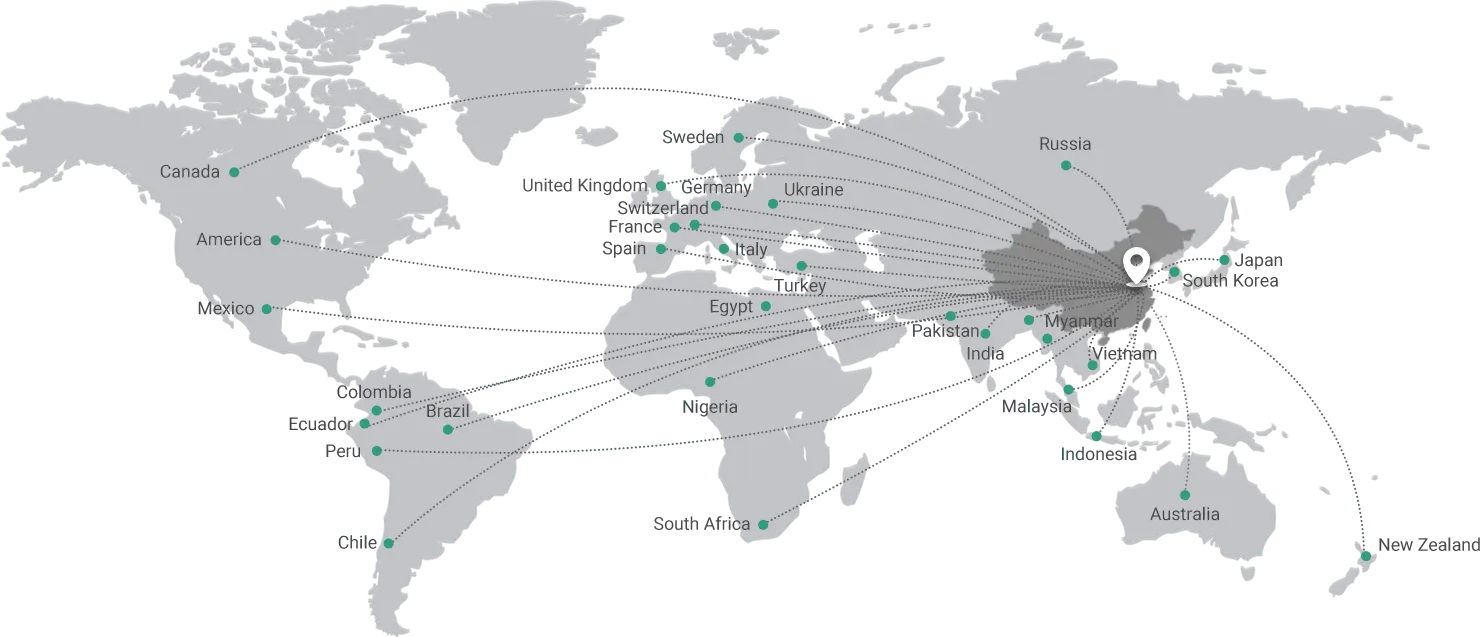
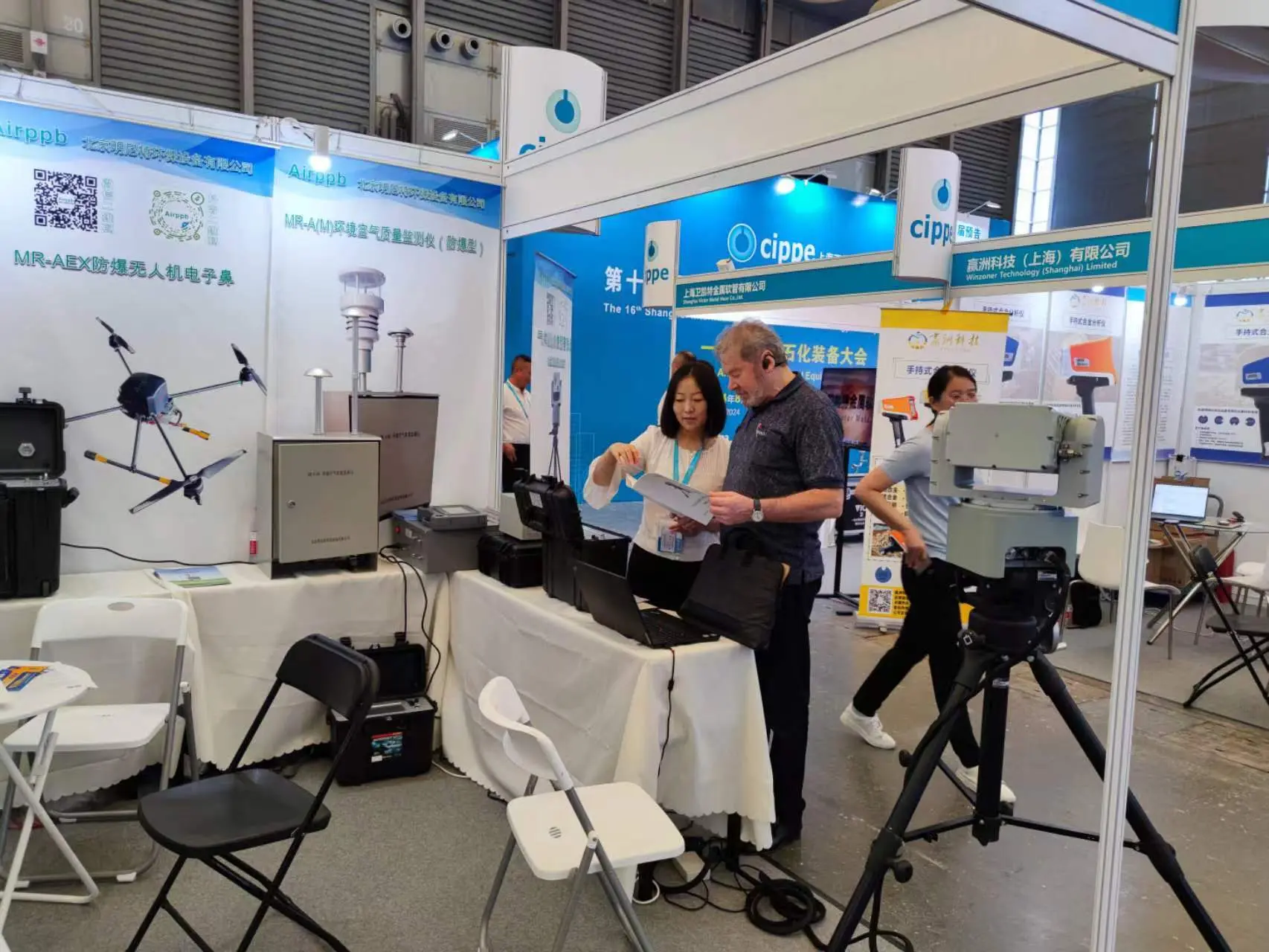
Minnit regularly exhibits at international environmental protection, defense, and emergency rescue expos across Europe, the Middle East, and Asia-Pacific.
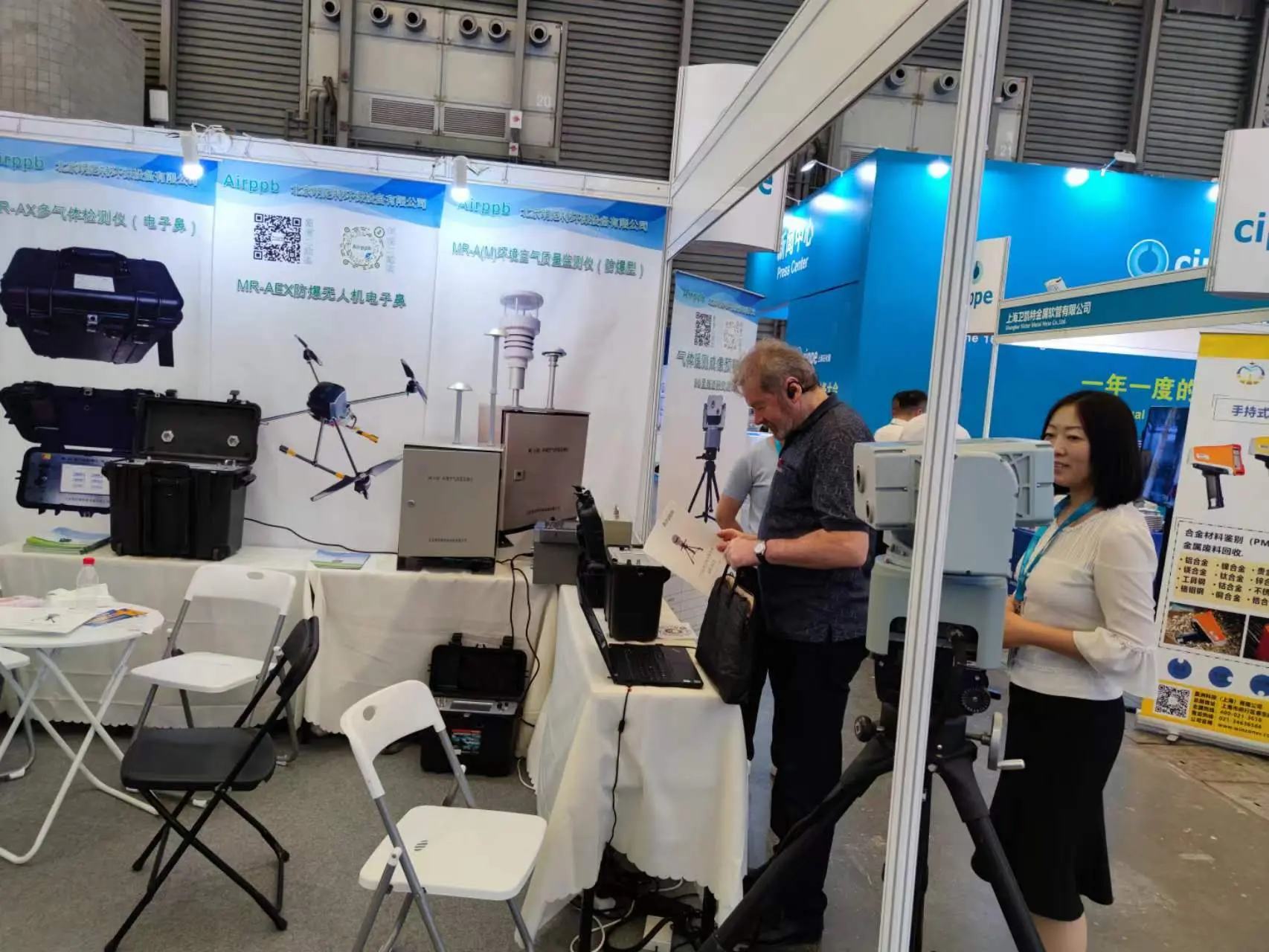
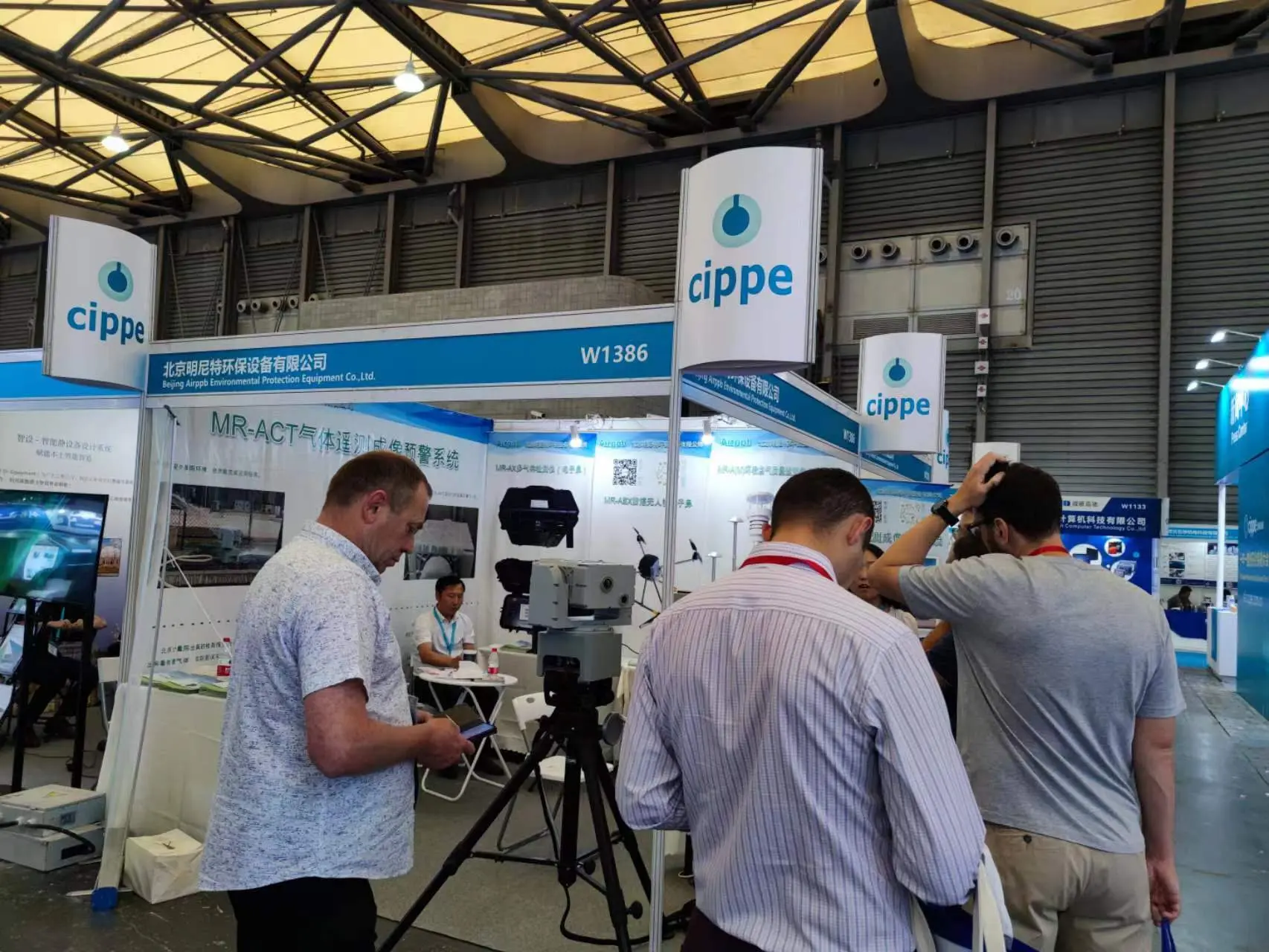
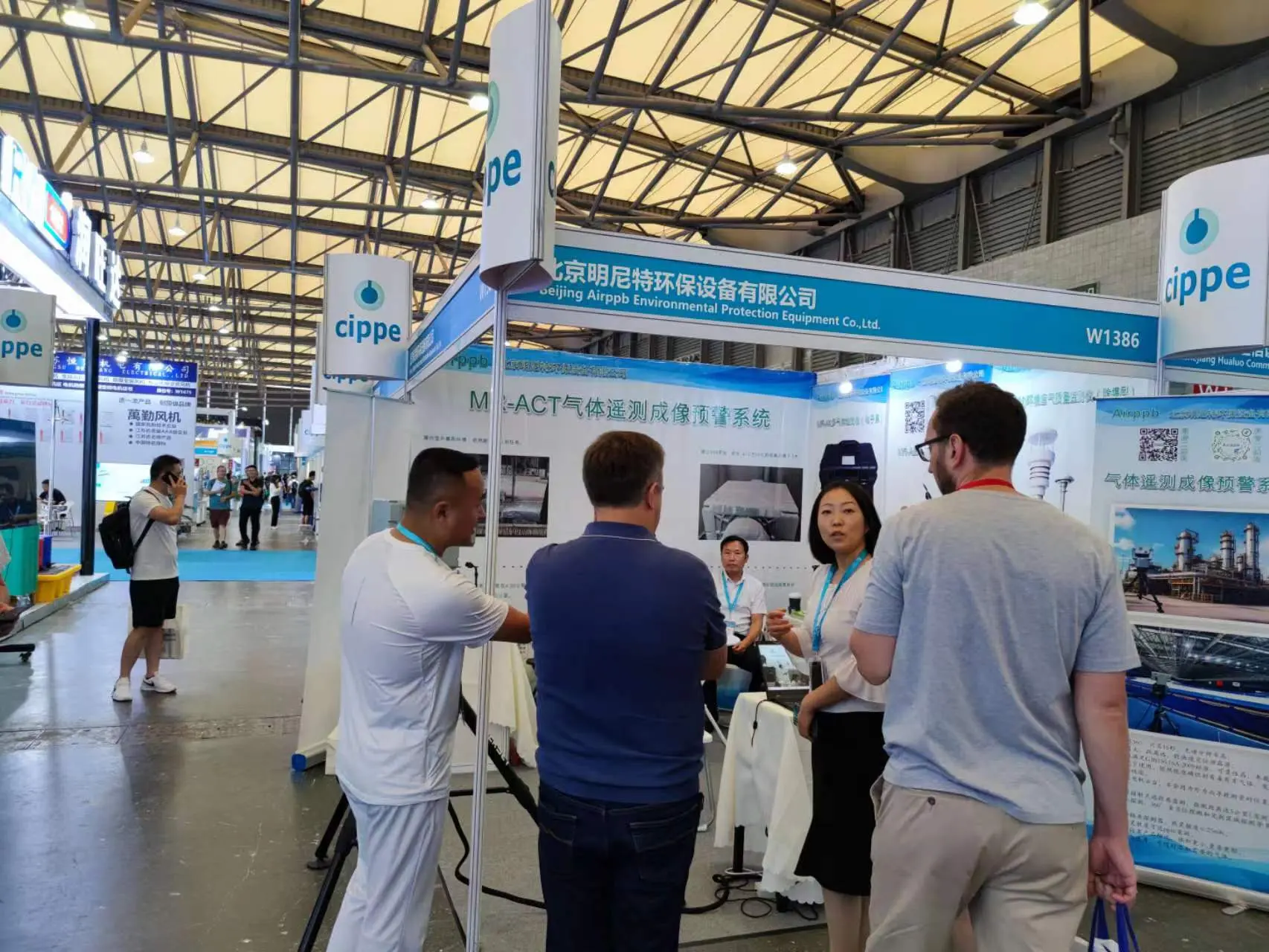

As smart cities, industrial Internet of Things (IIoT), and AI analytics mature, the field policing gas monitoring paradigm is undergoing four major technological shifts.
Machine learning algorithms embedded directly into FTIR and IMS processors enable sub-second deconvolution of complex overlapping gas spectra, reducing false positives in contaminated industrial environments.
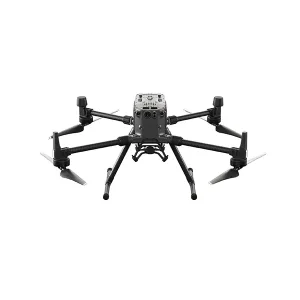
Miniaturized gas imaging camera modules mounted on industrial hexacopters allow aerial plume mapping over chemical fires without placing human pilots or crews in physical danger.
Wearable multi-gas telemetry units auto-mesh with incident command vehicles, streaming real-time oxygen, lower explosive limit (LEL), and toxic gas metrics directly to central control rooms.
Portable dynamic gas distribution systems integrated into emergency response vehicles perform automatic daily verification of sensor drift, ensuring regulatory chain-of-custody for legal evidence.
When evaluating manufacturers for military, municipal police, or oil & gas gas detection contracts, procurement officers should verify the following five core capabilities:
Ensure the manufacturer owns proprietary IP across electrochemistry, PID, IMS, and FTIR, eliminating reliance on single-sensor third-party integrations.
Verify that portable gas dynamic calibration instruments (such as MR-DF2/DF3) are available for field verification to ensure legal admissibility of measurements.
Inquire whether custom firmware, private labeling, specialized enclosure ingress protection (IP67/IP68), and explosion-proof certification (ATEX/IECEx) are supported.
Select a high-precision gas detection system below to view full technical specifications, factory calibration data, and procurement options.
 Airppb