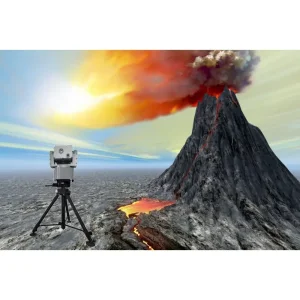
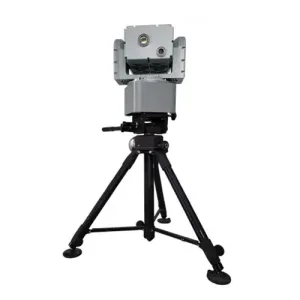
The industry is shifting from point-contact sensors to long-range telemetry. Technologies like Fourier Transform Infrared (FTIR) imaging allow for real-time visualization of gas clouds from kilometers away, essential for military and volcanic monitoring.
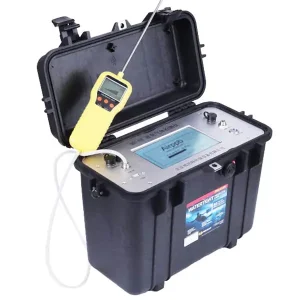
Machine learning algorithms are now integrated into handheld devices to filter out interference and provide "Information Gain" in complex chemical environments, such as petrochemical leaks or battlefield chemical identification.
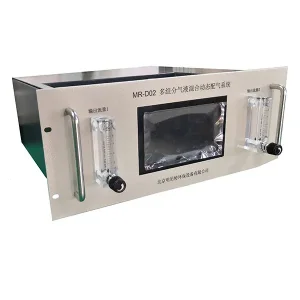
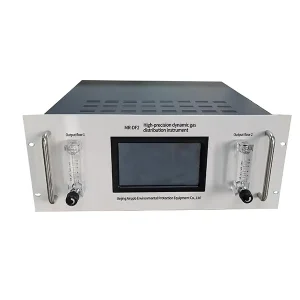
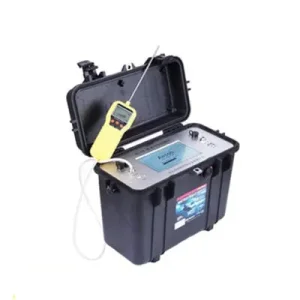
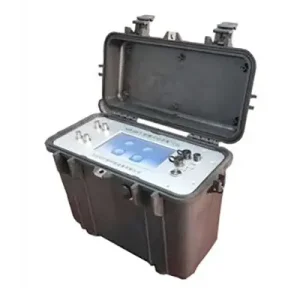
Miniaturization of IMS (Ion Mobility Spectrometry) and high-precision gas distribution meters like the MR-DF3 ensures that field testers can operate in remote Middle Eastern deserts or Russian industrial zones without bulky lab equipment.
Enterprises today demand more than just hardware; they require integrated ecosystems for compliance, safety, and operational efficiency.
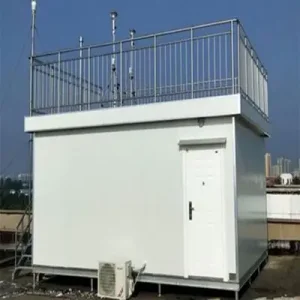
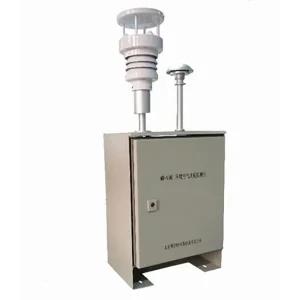
Continuous monitoring of ambient air quality around refineries using automatic stations (MR-A(S)) ensures compliance with ISO 14001 and local EPA mandates. We provide end-to-end solutions for leakage detection and early warning.
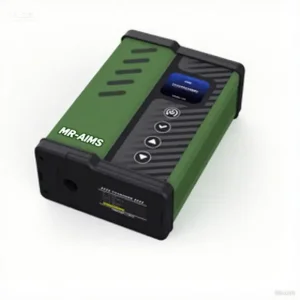
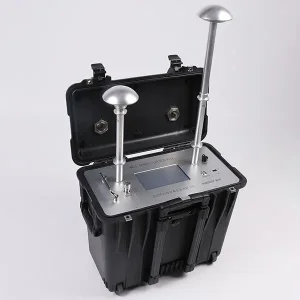
The MR-AIMS and MR-ACT systems provide critical data in toxic environments, identifying chemical warfare agents and industrial toxins within seconds, backed by CNAS/CMA testing standards.
From volcanic monitoring in the Middle East to multi-component gas distribution for laboratories in Russia, our solutions cover the entire spectrum of ecological safety and disaster response.
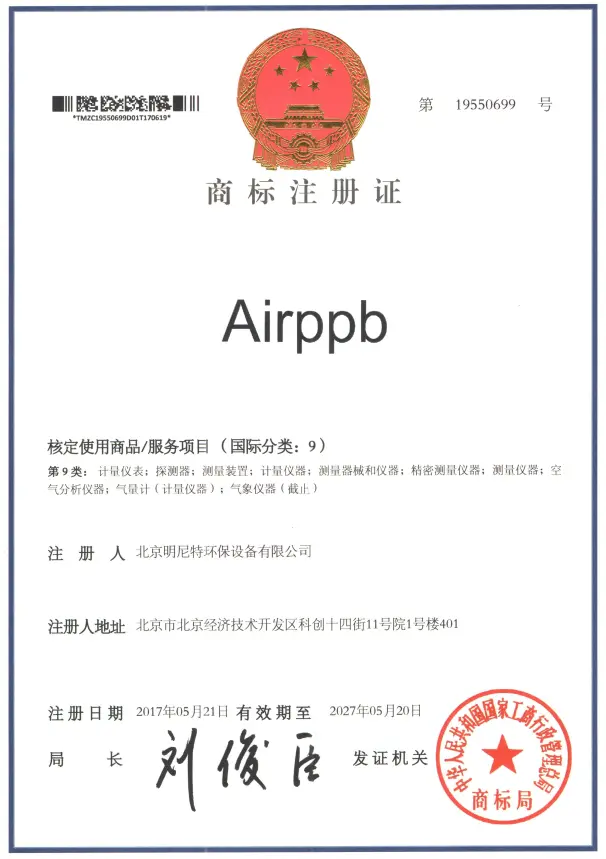
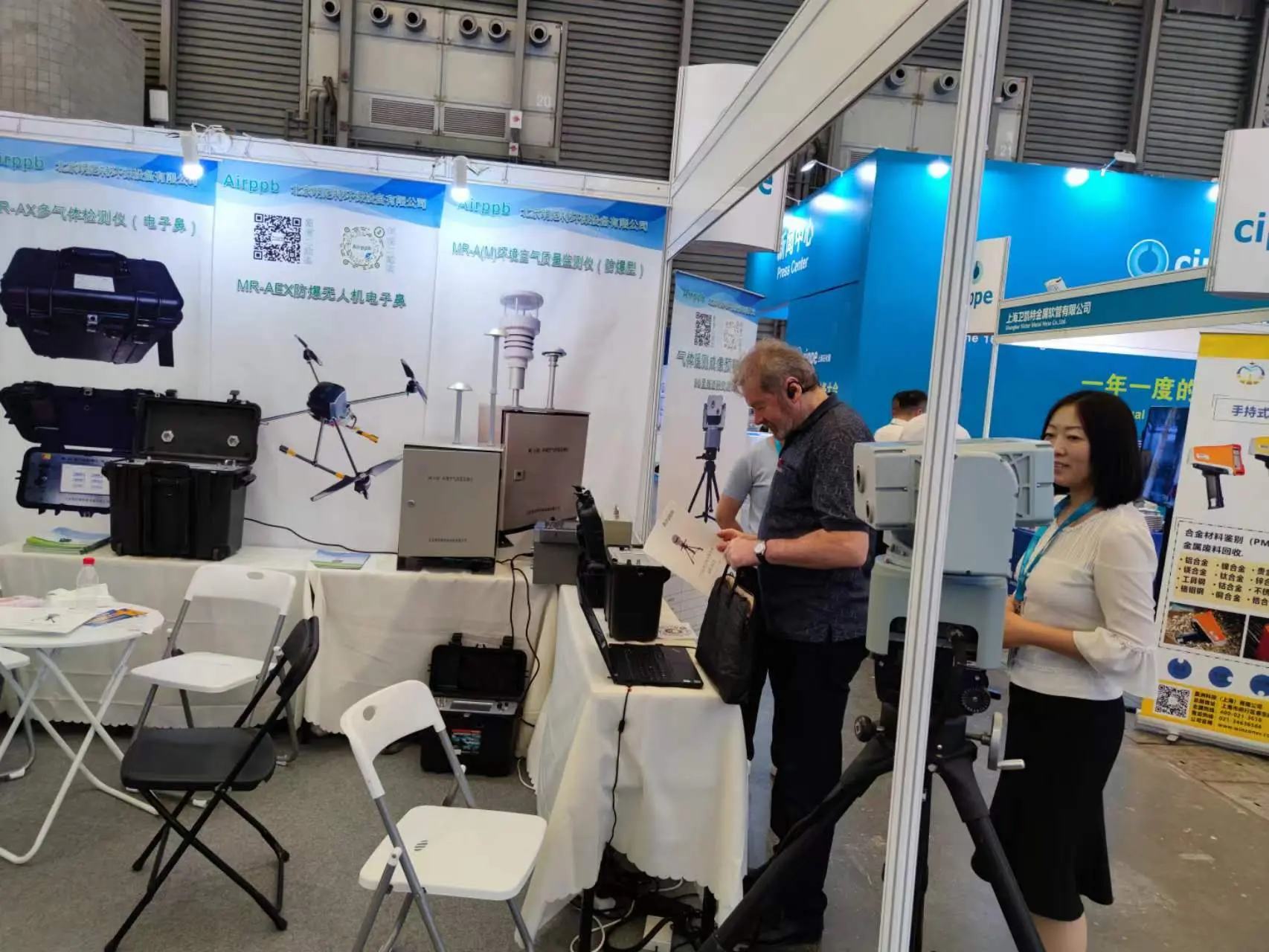
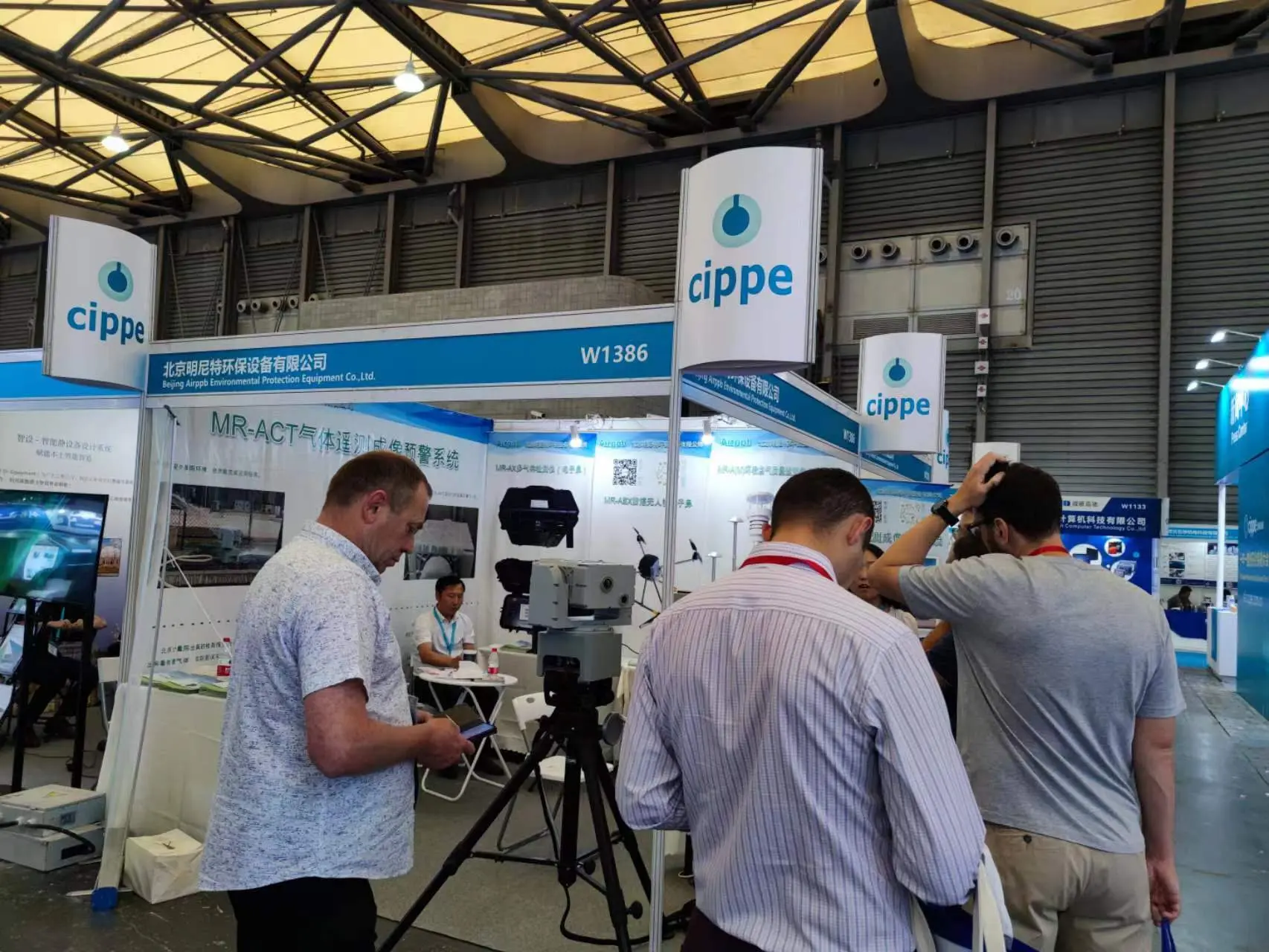
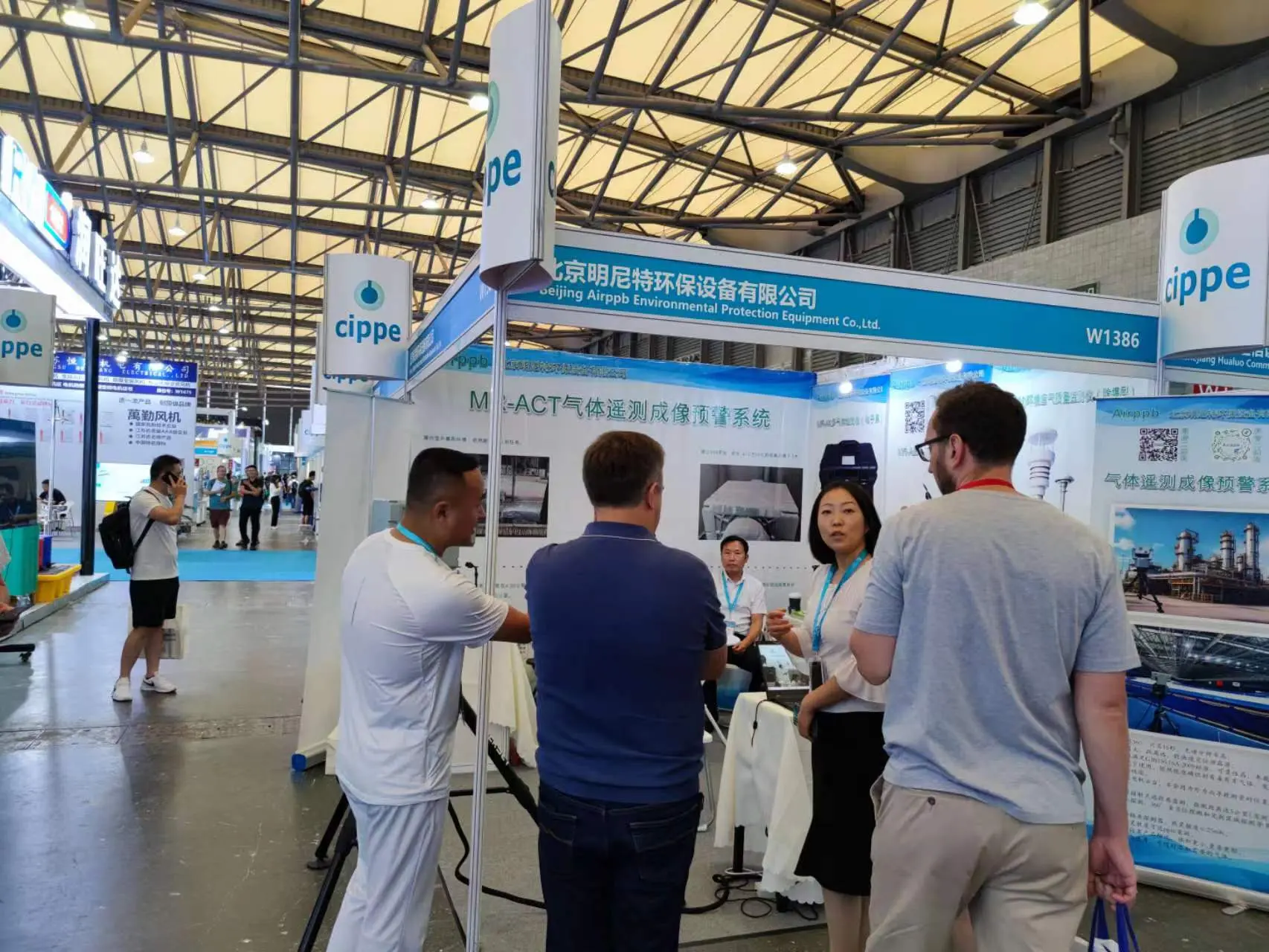
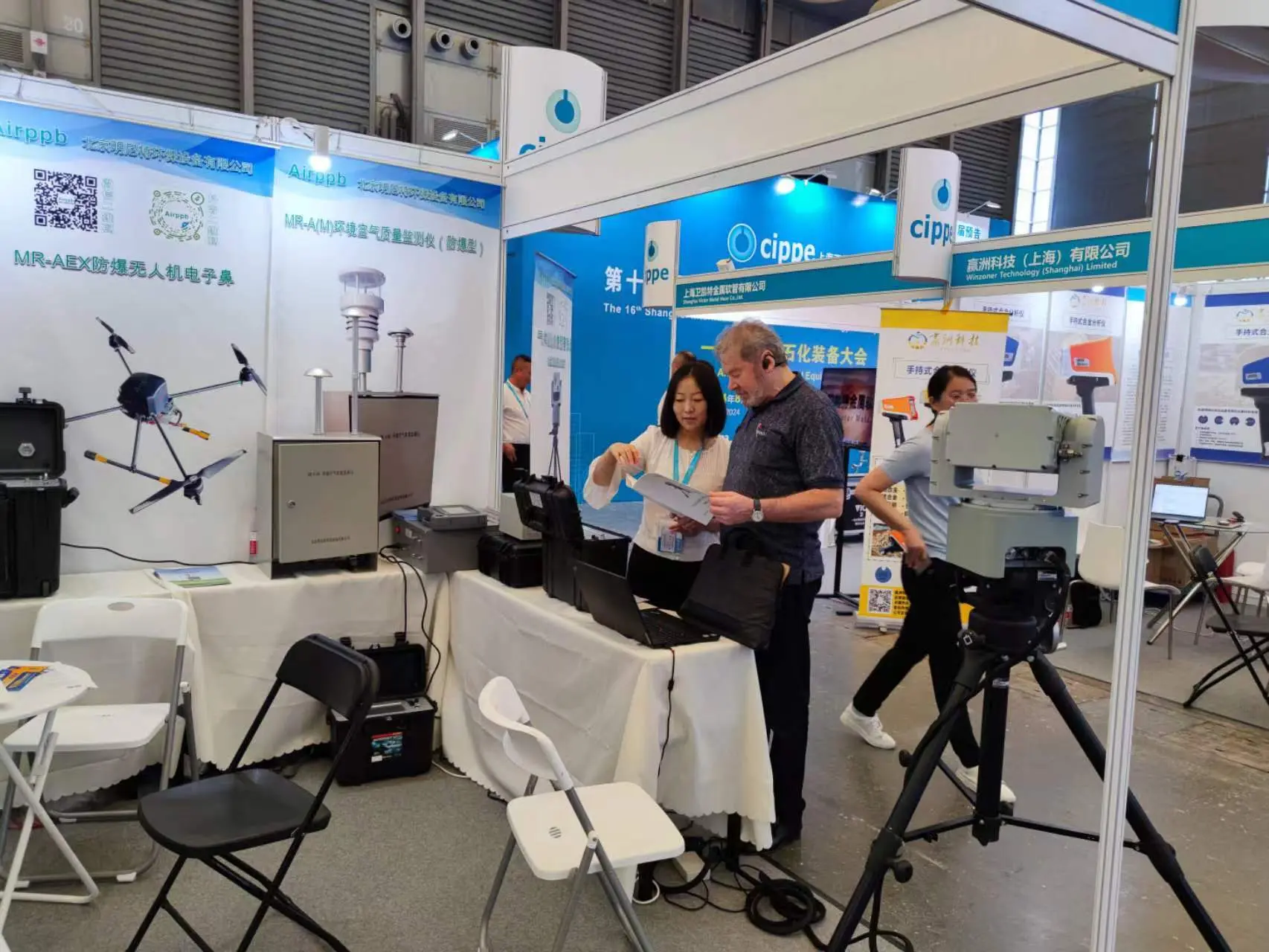
Minnit(Airppb) is a national high-tech enterprise focusing on the research and development and industrialized innovative application of precision gas detection instruments. The company uses technological innovation to realize on-site, automated and intelligent analysis, detection and monitoring, and is committed to becoming the world's leading manufacturer of scientific instruments.
It has mastered relatively complete gas analysis and detection technologies such as electrochemistry, PID, and spectroscopy, and developed laboratory Analysis, on-site analysis (portable, online, mobile), automated analysis and a series of technologically leading product portfolios.

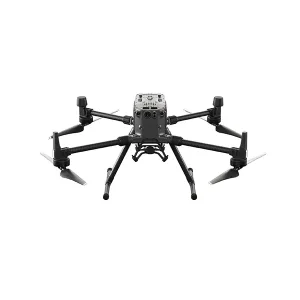
Our roadmap integrates Multi-Sensor Data Fusion and 5G Cloud Connectivity. By 2025, our systems will feature autonomous drone-mounted gas telemetry for unreachable terrain, ensuring total situational awareness during industrial accidents.
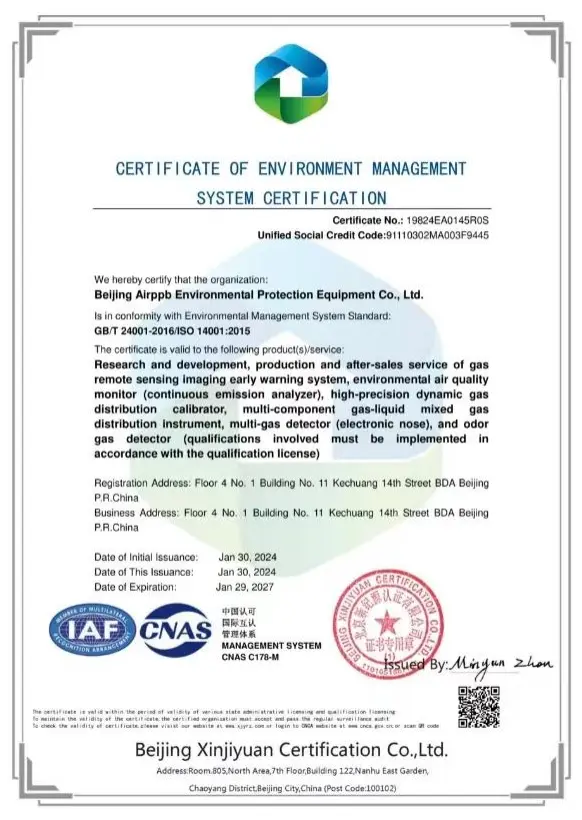
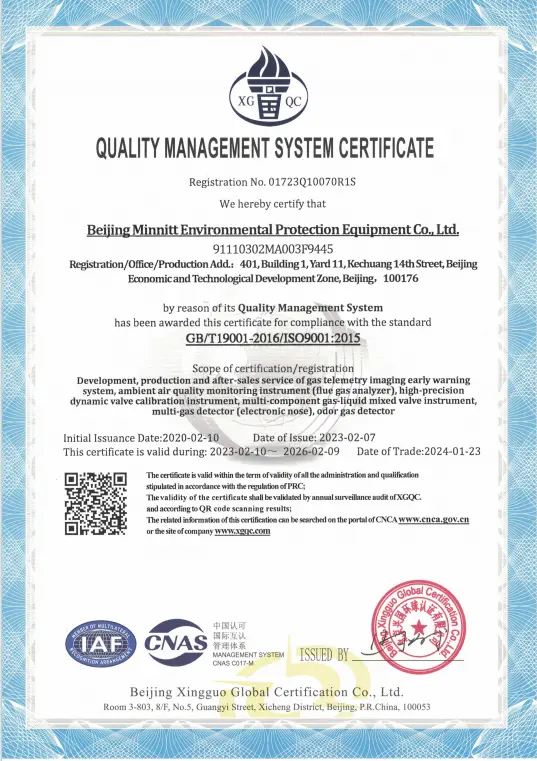
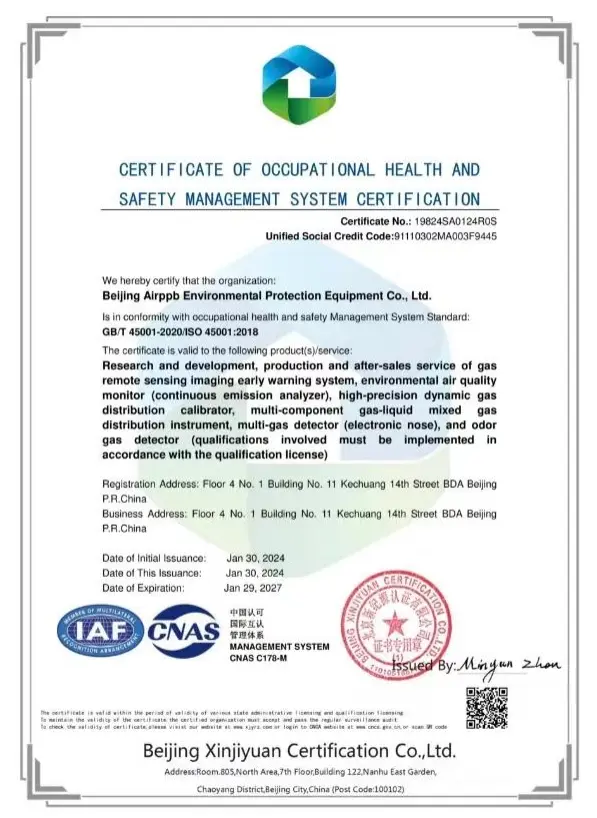
We adhere to ISO 9001, ISO 14001, and ISO 45001. Our products carry CPA, CCEP, and CNAS/CMA test reports, ensuring they meet the most rigorous global standards for accuracy and reliability.
With distribution in over 40 countries, we provide localized technical support and calibration services to ensure that emergency responders have ready-to-use equipment when every second counts.
Over 15 years of experience in custom instrument design allows us to help global partners build their own brands using our industry-leading core detection technologies.
1. What distinguishes "Emergency Testing" from standard laboratory testing?
Emergency testing requires high-speed response (seconds), mobility, and high tolerance for harsh environmental conditions (humidity, dust, temperature extremes). While labs offer precision in controlled settings, our field instruments provide laboratory-grade accuracy in real-time onsite scenarios.
2. How does Fourier Transform Infrared (FTIR) telemetering improve safety?
FTIR telemetry allows responders to identify hazardous gas leaks from a safe distance (up to 5km). This prevents personnel from entering "Hot Zones" without proper PPE and provides a visual map of the gas dispersion, which is critical for evacuation planning.
3. Can these instruments identify multiple gases simultaneously?
Yes, models like the MR-AX and MR-FAT are designed to monitor dozens of gases simultaneously, including VOCs, toxic industrial chemicals, and combustible gases, using multi-sensor fusion technology.
4. What is the calibration requirement for portable gas distribution meters?
Our high-precision meters like the MR-DF3 feature self-calibration routines and stable internal standards, though we recommend annual factory-traceable calibration to maintain compliance with ISO and national safety standards.
 Airppb