Advanced spectroscopic and dynamic gas monitoring instrumentation deployed globally for critical industrial safety.
The Middle East presents some of the world's most unforgiving environments for safety instrumentation. Ambient temperatures exceeding 50°C, combined with high UV exposure, persistent airborne sand particles, and corrosive marine air, demand fire and gas detection solutions designed with robust physical characteristics. Traditional detection systems often suffer from high false-alarm rates or sensor degradation. High-precision gas telemetry imaging and hermetically sealed spectroscopic detectors offer the necessary operational longevity.
In downstream petrochemical facilities, upstream extraction rigs, and LNG terminals throughout the GCC, undetected fugitive gas leaks represent catastrophic risk. Implementing Fourier Transform Infrared (FTIR) telemetry and Ion Mobility Spectrometry (IMS) allows engineering teams to detect toxic, corrosive, and flammable gas leaks at parts-per-billion (ppb) concentrations. Early detection gives automated safety loops time to isolate lines before gas clouds reach lower explosive limits (LEL).
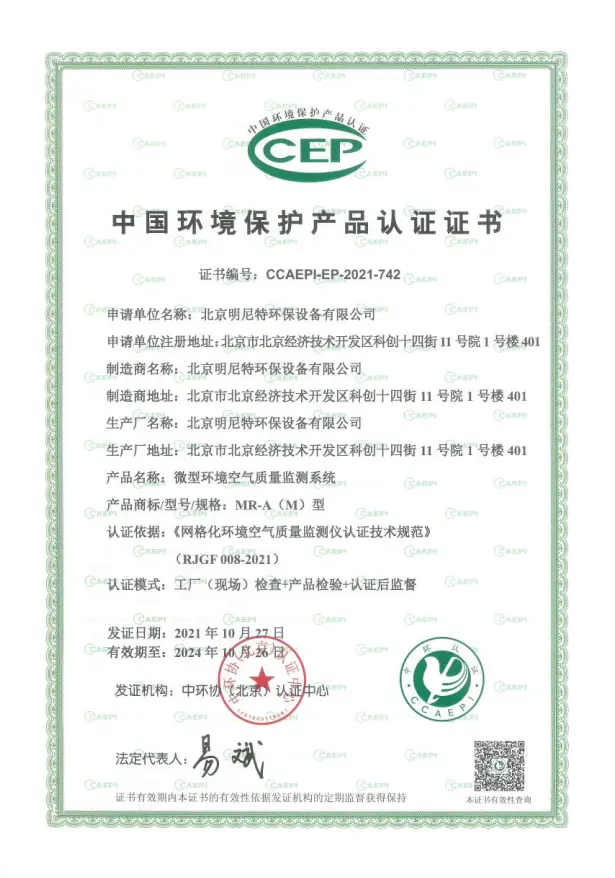
National standards, such as Saudi Aramco engineering standards, ADNOC safety guidelines, and Civil Defense approvals in UAE, Qatar, and Oman, place demanding compliance requirements on safety systems. The integration of CPA, CCEP, CNAS, and CMA certified dynamic gas calibrators and detectors ensures that emergency response and process automation systems are operating on verified, traceable sensor data.
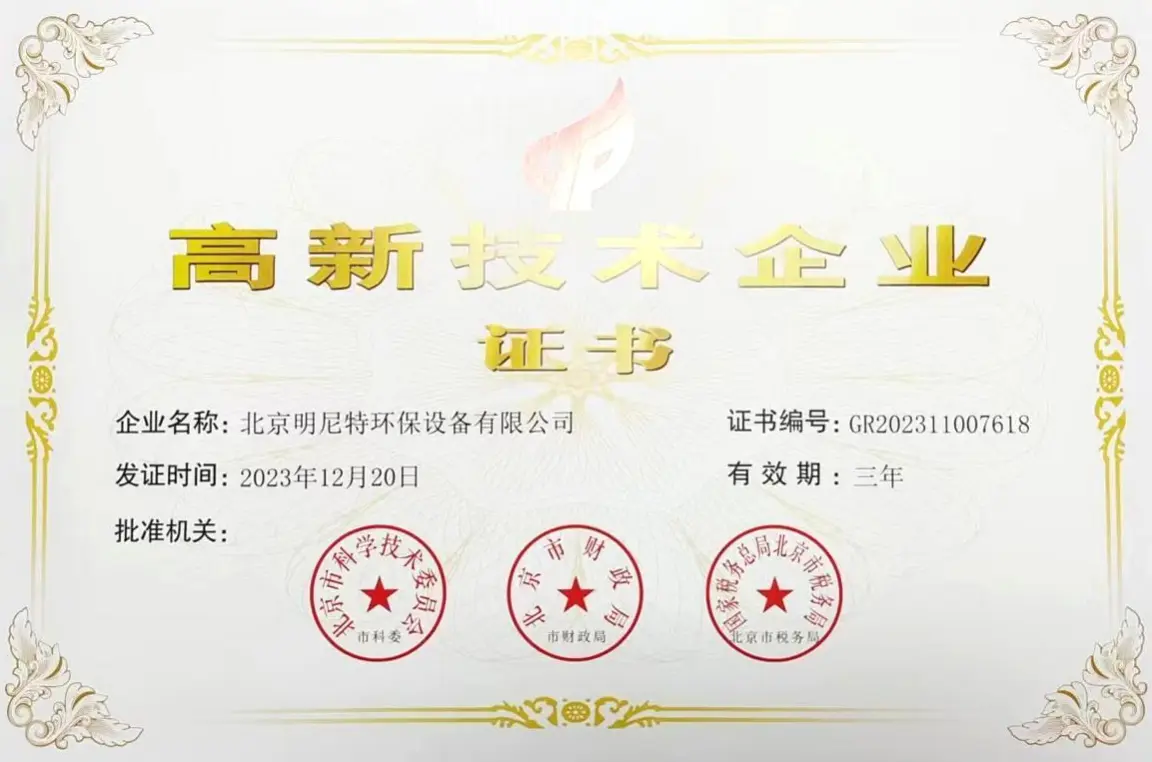
Minnit (Airppb) is a national high-tech enterprise focusing on the research, development, and industrialized innovative application of precision gas detection instruments. The company uses technological innovation to realize on-site, automated, and intelligent analysis, detection, and monitoring, and is committed to becoming the world's leading manufacturer of scientific instruments.
We have mastered relatively complete gas analysis and detection technologies such as electrochemistry, photoionization detection (PID), and spectroscopy (including Fourier Transform Infrared). We have developed a technologically leading product portfolio spanning laboratory analysis, on-site analysis (portable, online, mobile), and automated gas analysis. These advanced configurations provide global users with comprehensive and professional solutions in the fields of advanced industrial processing, ecological environmental safety, defense, and emergency response operations.

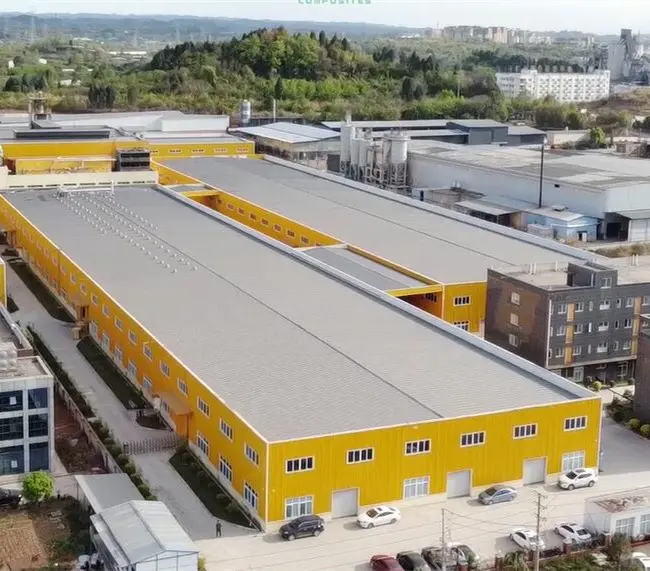
Established in 2012, our group company is committed to the engineering and deployment of state-of-the-art Fourier infrared gas remote sensing imaging early warning systems, ambient air quality monitors, high-precision dynamic gas distribution meters, multi-gas emergency detectors, and air analysis systems, alongside dedicated OEM/ODM manufacturing capability.
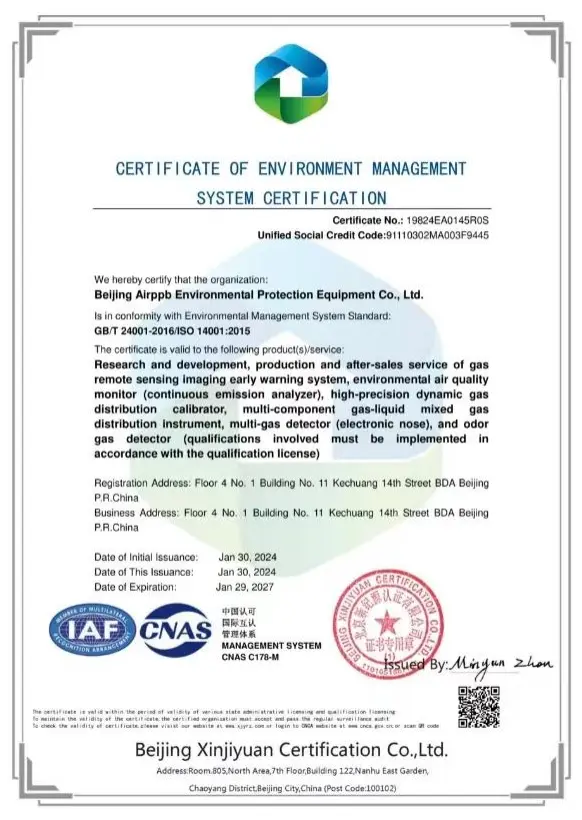
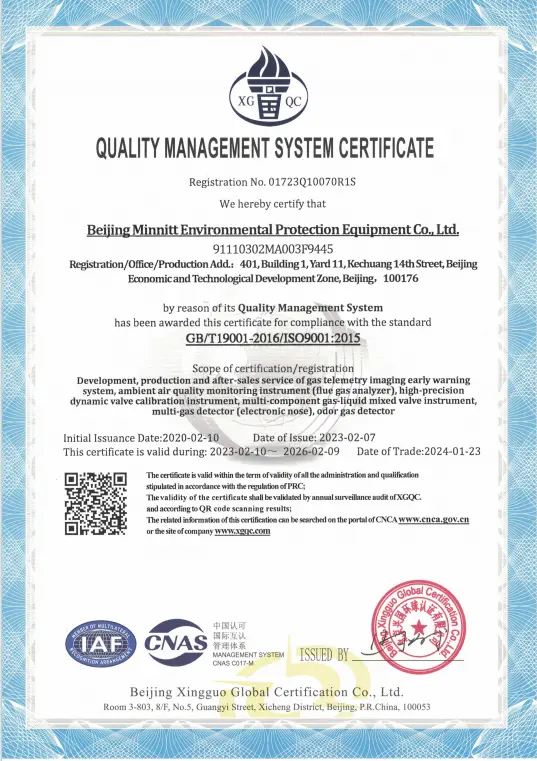
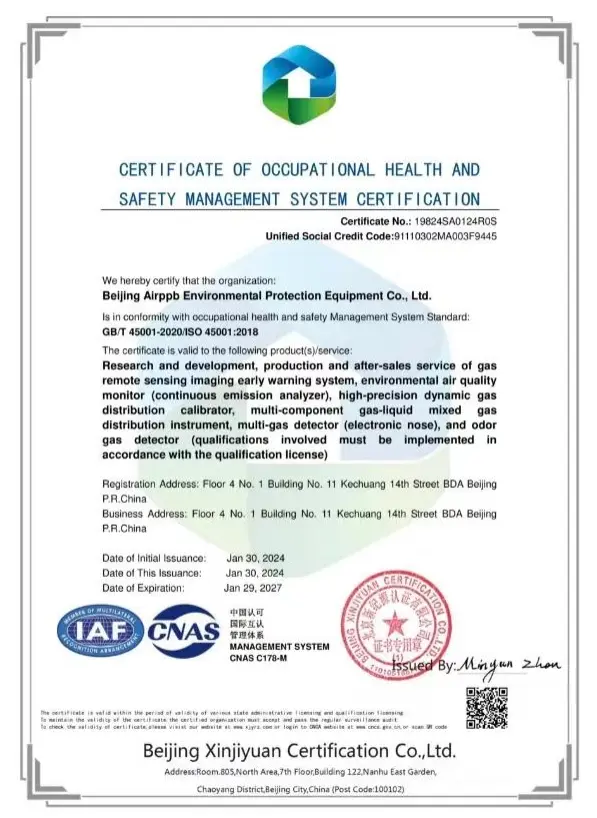
Holding numerous intellectual property rights, the company's product quality strictly follows international frameworks including the ISO9001 Quality Management System Certificate, the ISO14001 Environmental Management System Certification, and the ISO45001 Occupational Health and Safety Management System Certification. In addition, our devices comply with certifications from national and regional regulatory bodies, including CPA, CCEP, CNAS, and CMA test reports.
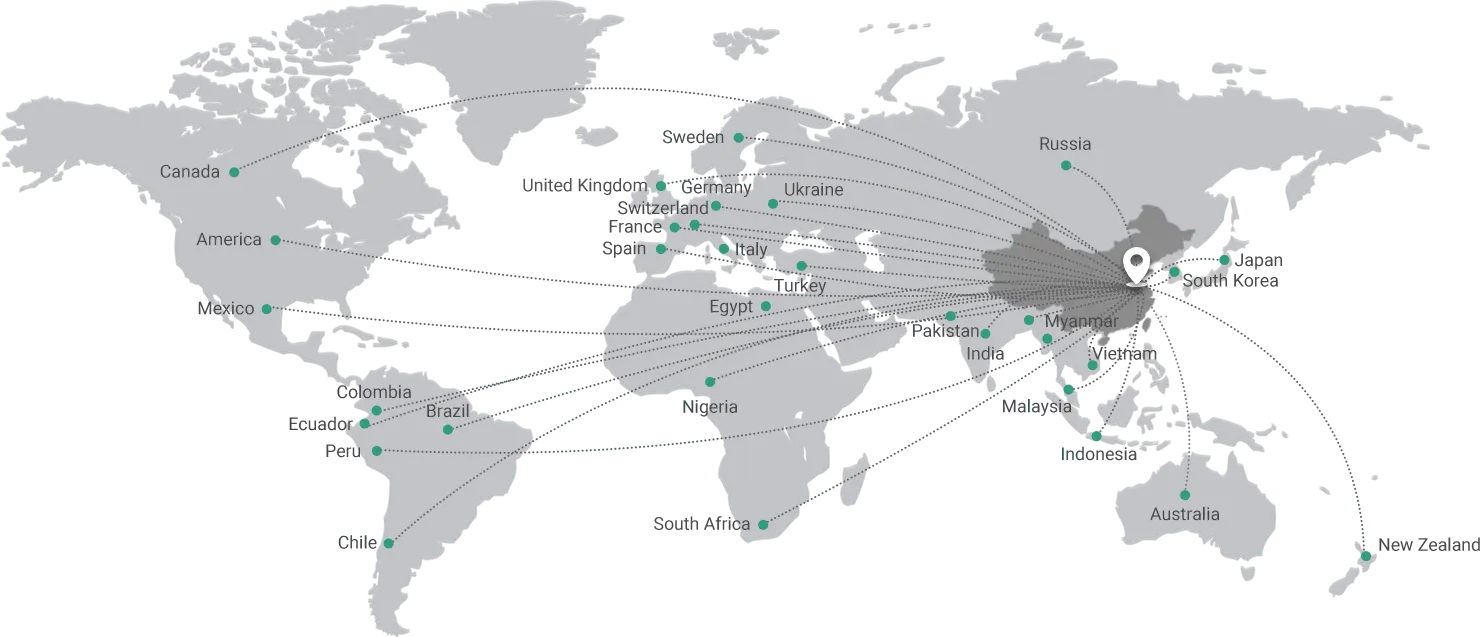
Providing rapid deployment, instrumentation validation, and safety infrastructure across 40+ countries and regions.
Verified quality and calibration reliability through international standards bodies.
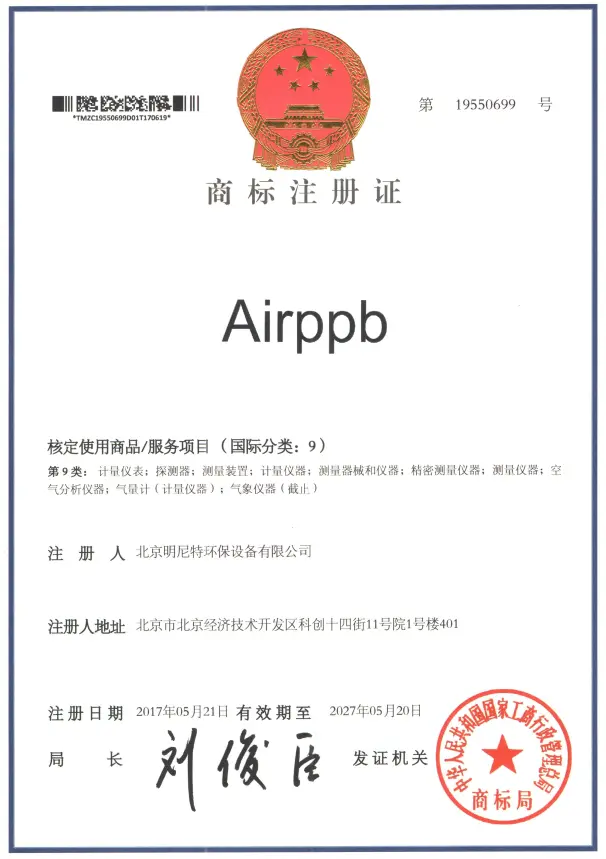

Targeted applications of our gas analysis and remote telemetry systems across critical operating sectors.
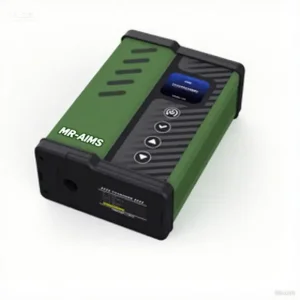
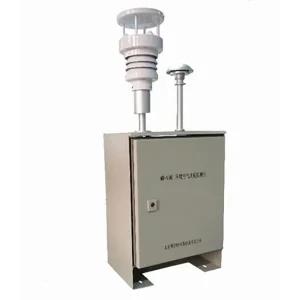
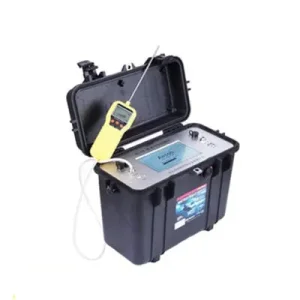
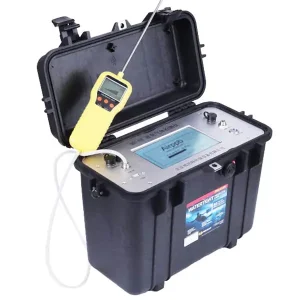
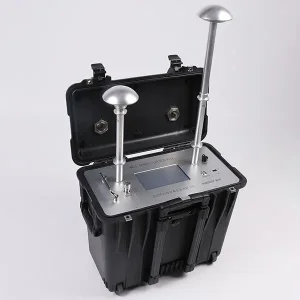
Refinery margins and worker safety depend on continuous fugitive emission monitoring. By utilizing our MR-A(S) Ambient Air Quality Monitors and MR-AIMS Handheld Chemical Identifiers, facilities can establish multi-layered fences. These solutions track volatile organic compounds (VOCs), sulfur species, and carbon monoxide leaks. They interface directly with control rooms to mitigate risk automatically.
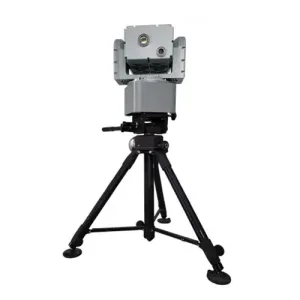
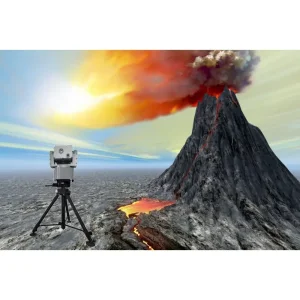
First responders and military operations require immediate characterization of unknown hazardous atmospheres. The Military MR-ACT Gas Telemetry Imaging System and the MR-AX Odor Gas Detector provide real-time gas cloud visualization and classification from safe distances. This system identifies hazardous compounds without risking personnel exposure.
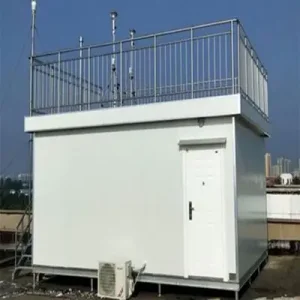
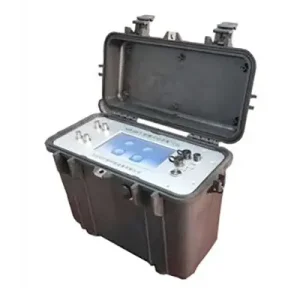
National environmental regulations mandate precise quantification of pollutants down to ppb limits. The MR-FAT Fourier Transform Infrared Telemeter and MR-A(M) Micro Air Stations provide municipal and regional networks with continuous, low-maintenance ambient air monitoring. These tools deliver validated data directly to public safety and compliance platforms.
For your safety and monitoring demands, we offer a carefully designed infrastructure ensuring precision, traceability, and field efficiency.
Tailored gas instrumentation designs enabling global brands to deploy local safety solutions fast and reliably.
60% of our workforce is dedicated to chemical analysis, spectroscopy, software engineering, and mechanical ruggedization.
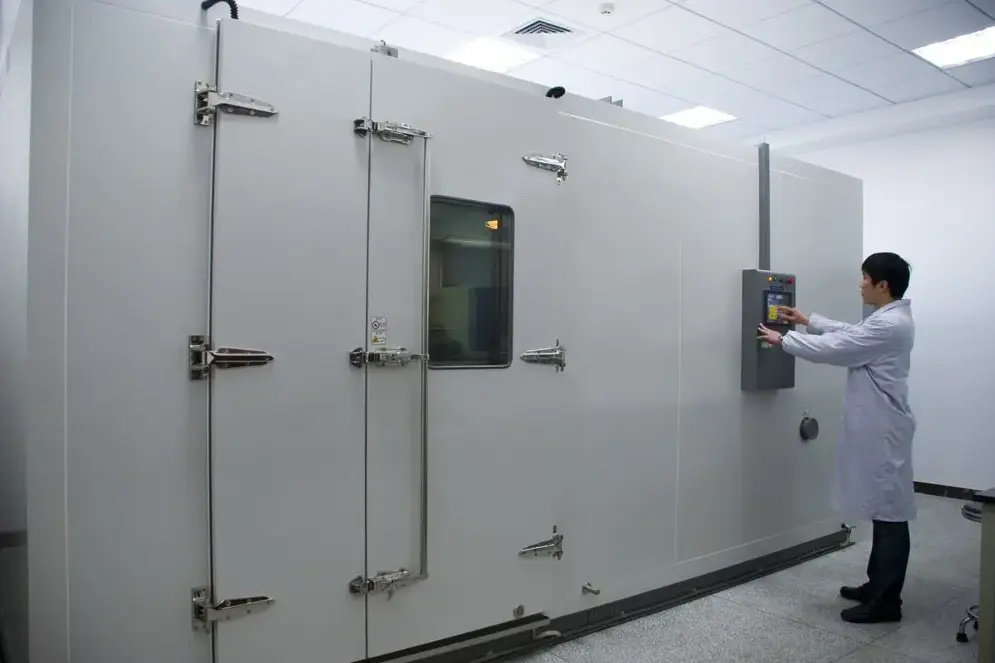
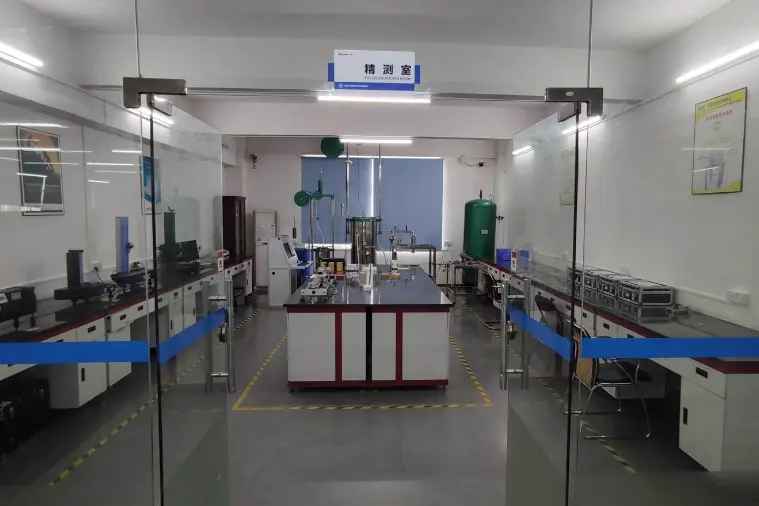
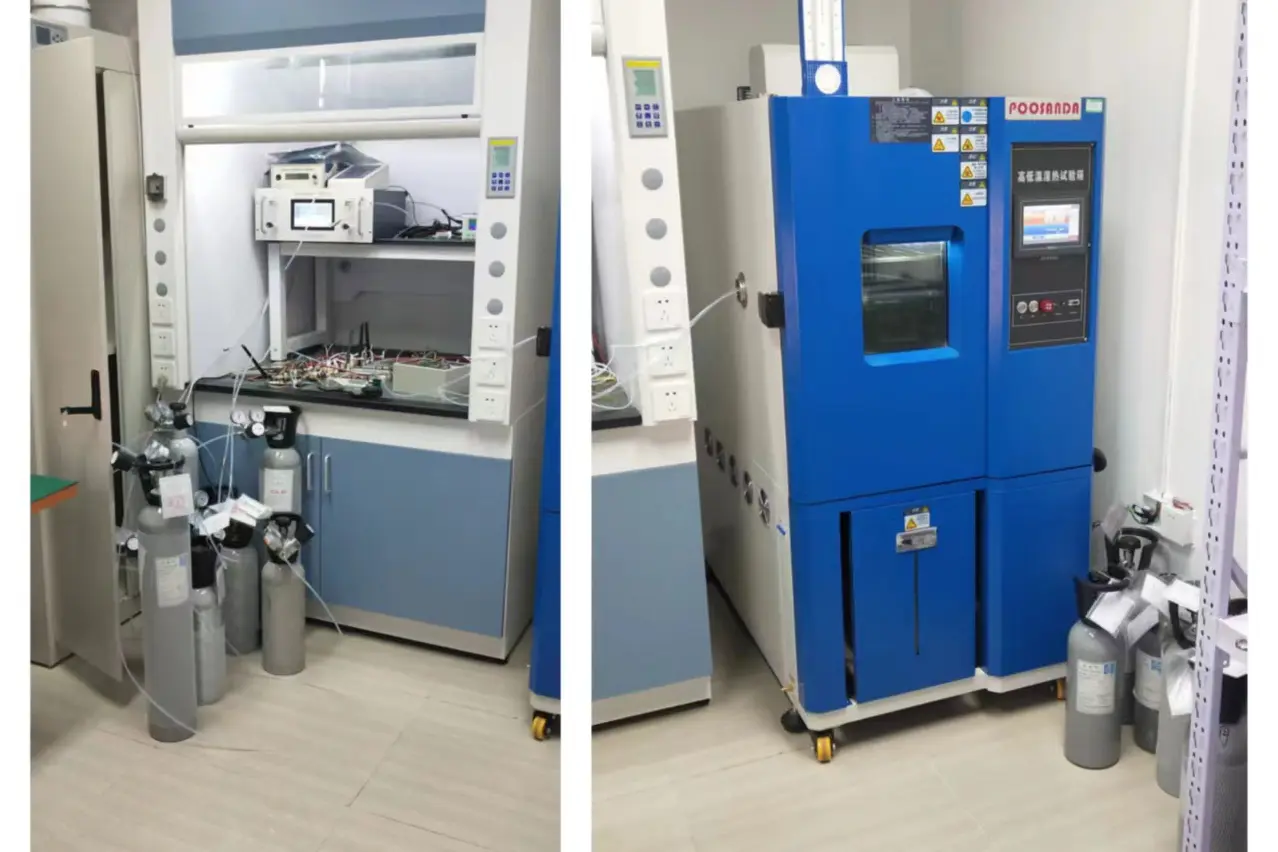
Every system is tested against certified standard gas mixtures to ensure lifetime trace calibration accuracy.
Highly trained engineering representatives provide pre-project integration consulting and post-deployment servicing.
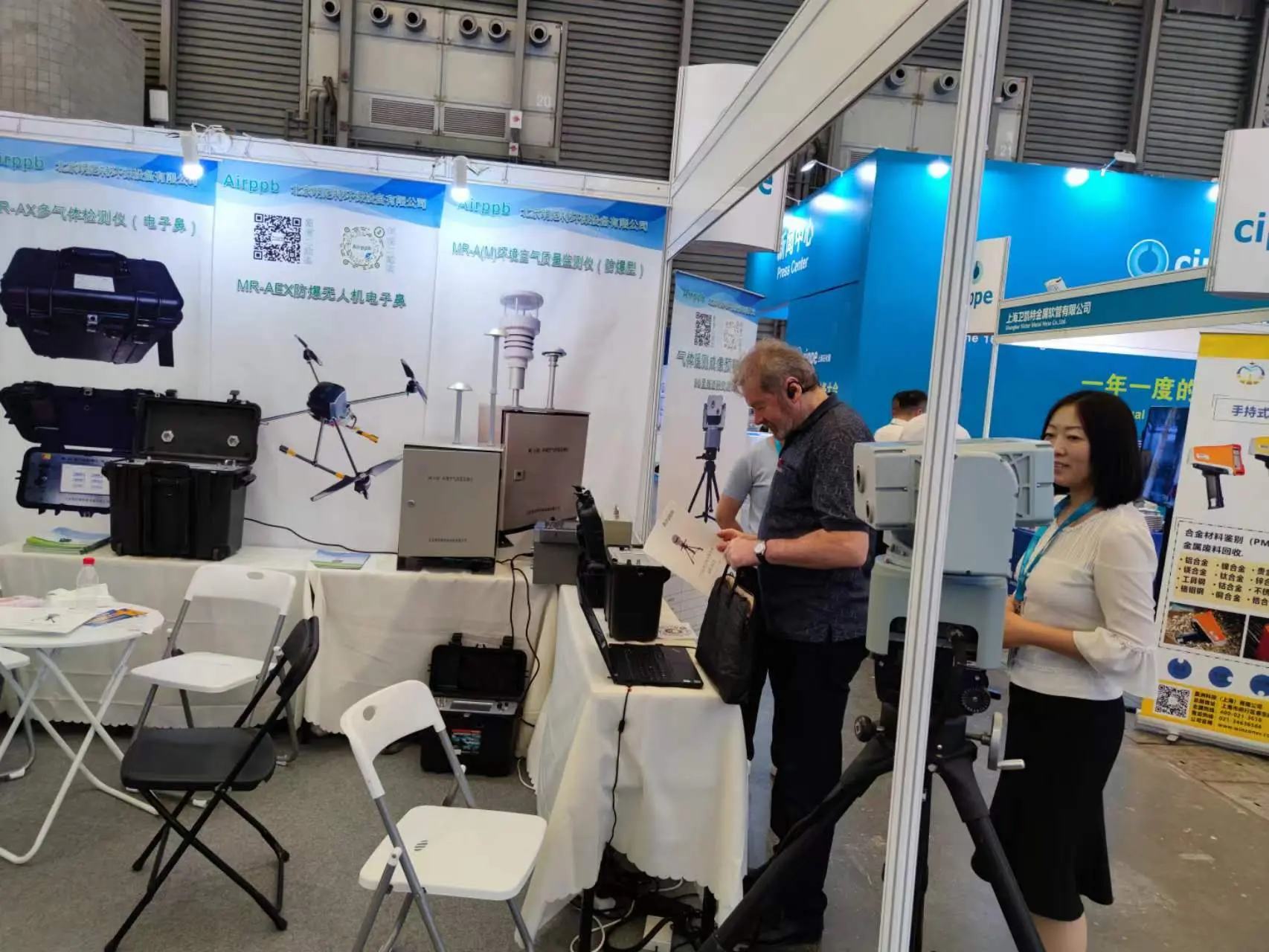
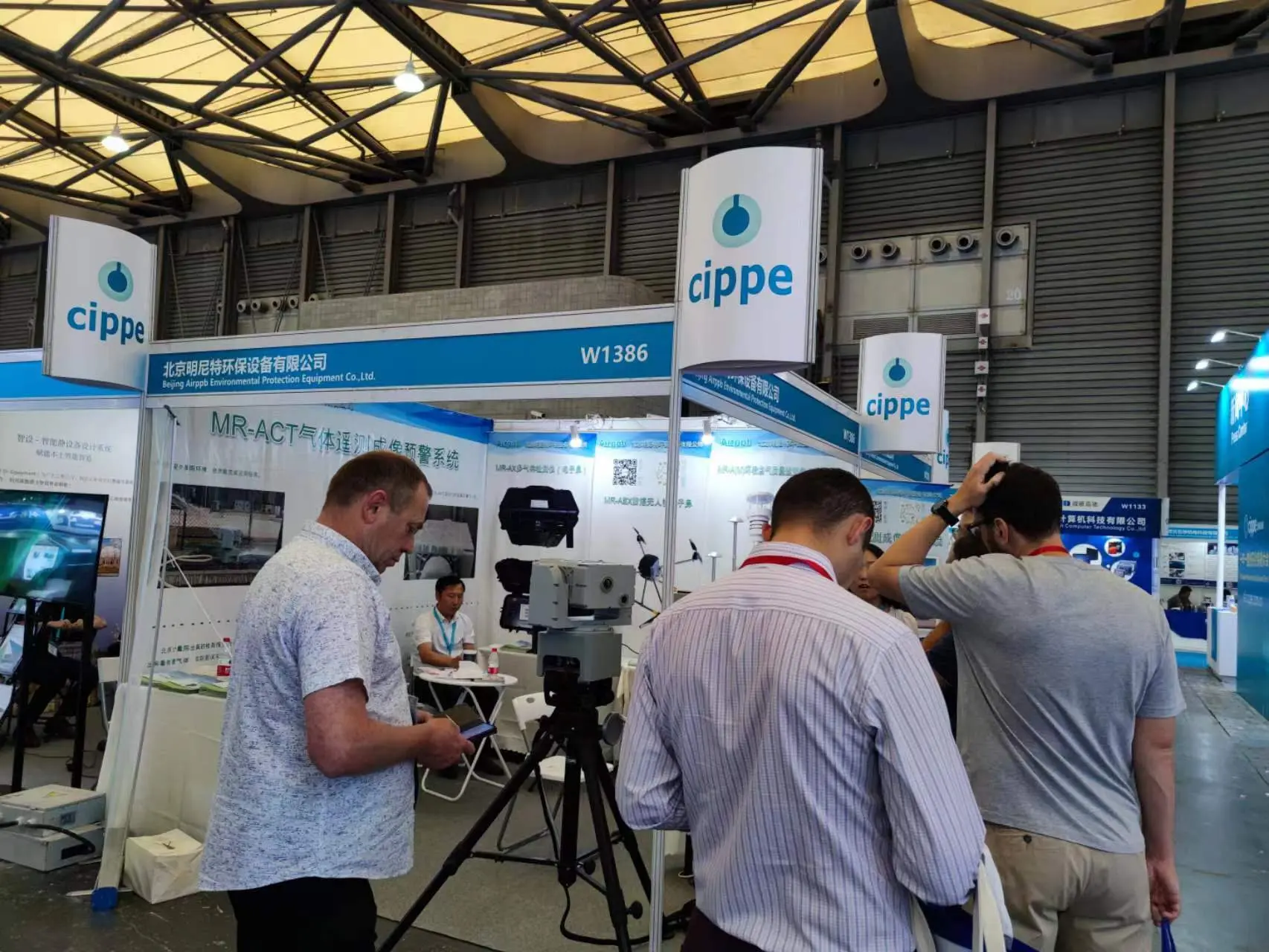
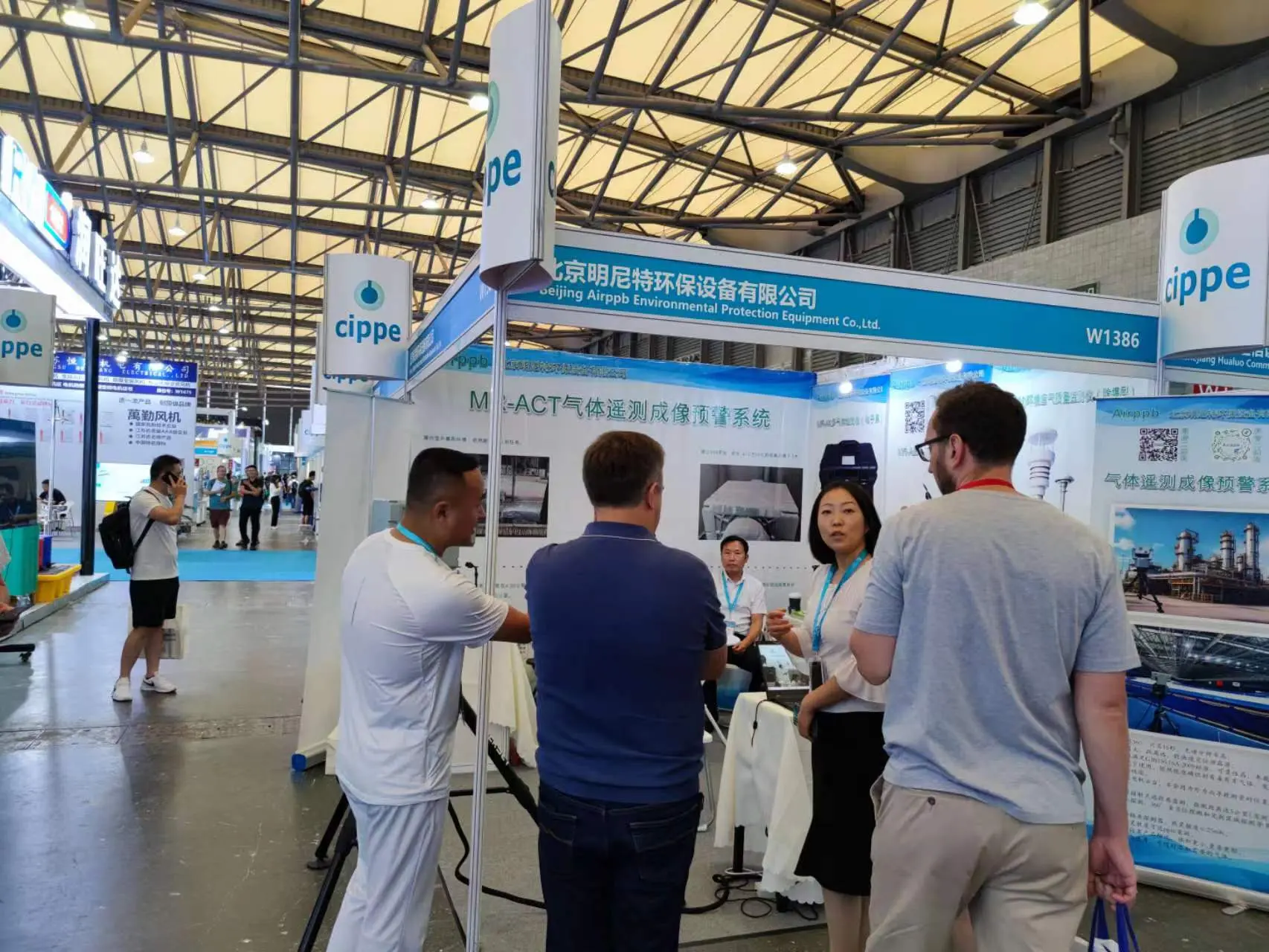
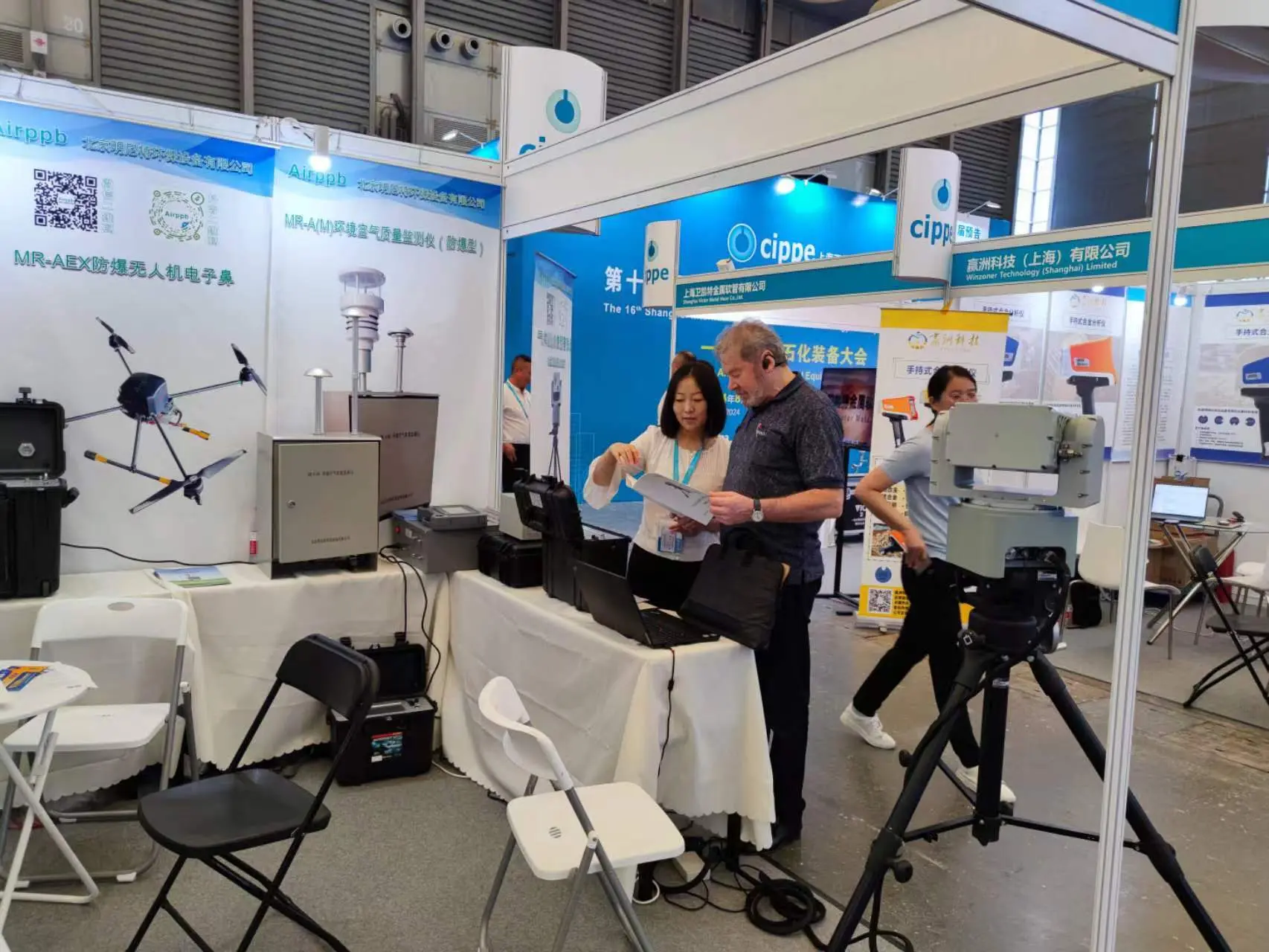
Demonstrating state-of-the-art analytical platforms and collaborating with safety professionals at international events.

As industries shift from localized detection toward interconnected, intelligent predictive safety platforms, Minnit (Airppb) is investing in several technological areas:
Integrating Photoionization Detectors (PID) with Fourier Transform Infrared Spectroscopy (FTIR) on a single platform. This hybrid approach enables simultaneous high-sensitivity VOC screening and chemical component mapping, eliminating detection blind spots in hazardous environments.
Developing edge-computing algorithms to combine real-time gas telemetry data with meteorological parameters. This allows for prediction of toxic gas dispersion paths in complex industrial landscapes, accelerating evacuation and response times.
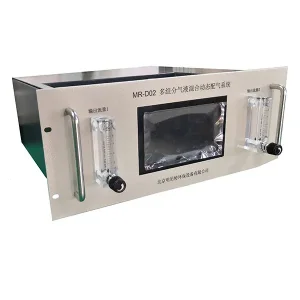
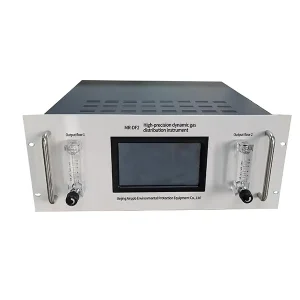
Building dynamic gas calibrators with high accuracy, auto-compensation for humidity, and remote diagnostic capabilities. This simplifies the field maintenance of critical safety instrumentation in remote desert or offshore installations.
Professional insights into toxic gas telemetry, instrumentation calibration, and environmental compliance.
Explore our range of dynamic gas diluters, mobile monitors, and environmental sensors.
 Airppb