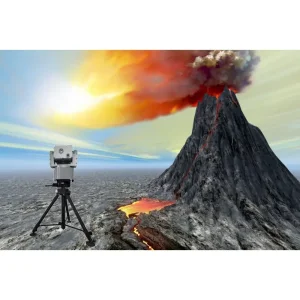
In the modern industrial era, the Petroleum and Petrochemical industry stands at a critical crossroads. With the global push toward Net-Zero emissions and the tightening of environmental regulations like the EPA’s OOOOa/OOOOO mandates, the traditional methods of gas leak detection are no longer sufficient. The "Gas Remote Imaging System" has emerged as the definitive solution for real-time, large-scale visualization of fugitive emissions.
Today, global energy giants in the Middle East, Russia, and the Americas are pivoting from reactive maintenance to proactive, AI-driven monitoring. Remote imaging systems allow operators to "see" invisible gas clouds—such as Methane (CH4), VOCs, and Ammonia (NH3)—from distances of several hundred meters, significantly reducing the risk of explosions and toxic exposure. The commercial market for these systems is experiencing an annual growth rate exceeding 12%, driven by the need for operational efficiency and ESG (Environmental, Social, and Governance) compliance.
The technological trajectory of gas detection is moving rapidly toward Visual Intelligence. Traditional electrochemical and PID sensors provide data on a single point, but they cannot show the size, direction, or source of a leak. This is where Fourier Transform Infrared (FTIR) and Hyperspectral Imaging change the game.
Modern systems use Deep Learning algorithms to filter out environmental noise (like heat haze or steam) to accurately identify gas plumes in real-time with zero false alarms.
The ability to distinguish between dozens of different chemicals simultaneously using a single imaging device is the new industry standard for complex petrochemical complexes.
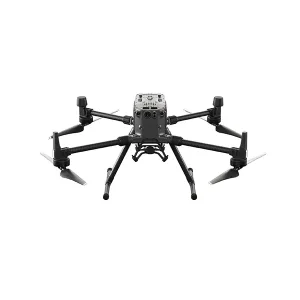
Remote imaging is moving to the skies. UAV-mounted OGI cameras allow for the inspection of hundreds of kilometers of pipeline in a fraction of the time required for ground crews.
As we look toward 2025 and beyond, the integration of 5G connectivity and edge computing ensures that a gas leak detected by a remote imaging system in a refinery can trigger an automatic shutdown signal in milliseconds, preventing catastrophic events.
Procurement teams in the petrochemical sector are no longer just looking for a "camera." They are seeking integrated safety ecosystems. The primary requirements include high sensitivity (detecting leaks as small as 0.1g/hr), explosion-proof certifications (ATEX/IECEx), and seamless integration with existing SCADA or DCS systems.
By tailoring technology to these local environmental challenges, brands can secure a top position in global rankings for the most reliable safety equipment providers.
As a premier Chinese manufacturer established in 2012, we bridge the gap between cutting-edge R&D and large-scale industrial production. Our advantage lies in three core pillars:
We are committed to the development of Fourier infrared gas remote sensing imaging early warning systems. With our own intellectual property and a decade of experience, we provide the professional expertise required for high-stakes industrial safety.
Our quality follows ISO9001, ISO14001, and ISO45001. We comply with national and international standards including CPA, CCEP, and CNAS/CMA test reports, ensuring our products are trusted worldwide.
Unlike rigid multinational brands, our Chinese factory offers deep customization. Whether you need specific gas libraries, unique housing designs, or localized software interfaces, our engineering team delivers fast iterations.
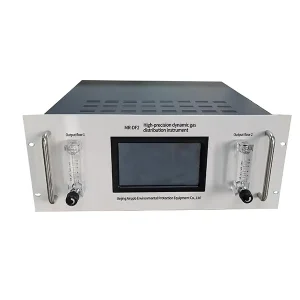
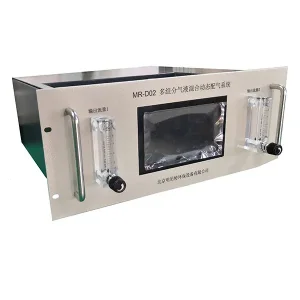
Located in the heart of the global electronics supply chain, we offer high-precision dynamic gas distribution meters and multi-gas emergency detectors at a competitive price point without compromising on accuracy.
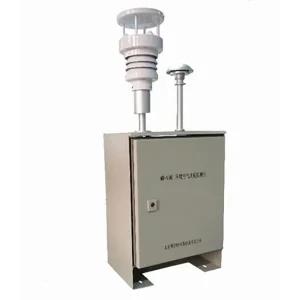
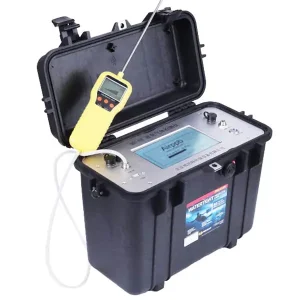
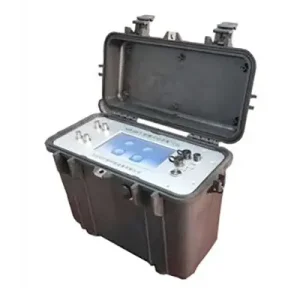
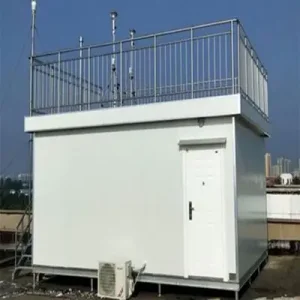
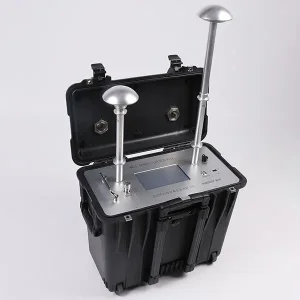
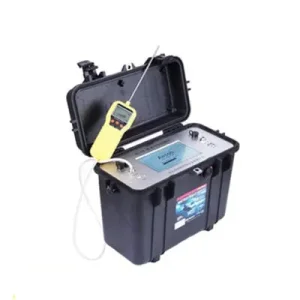
Our group company was established in 2012 and is committed to the development and production of Fourier infrared gas remote sensing imaging early warning systems, ambient air quality monitors, high-precision dynamic gas distribution meters, multi-gas emergency detectors, ambient air analysis, detection and other related instruments. We are proud to offer OEM/ODM services for various gas detectors, backed by a number of intellectual property rights.
Product quality strictly follows:
Choosing a brand in the gas remote imaging sector is not just about the hardware; it’s about the reliability of the "Brand & Ranking" in real-world scenarios. Top-ranked systems are distinguished by their Spectral Resolution and Detection Sensitivity. In the petroleum and petrochemical industry, a single undetected leak can lead to millions of dollars in product loss and, more importantly, put human lives at risk.
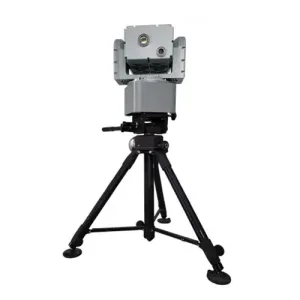
Our Fourier Transform Infrared (FTIR) technology sets us apart in the rankings by offering 24-hour telemetering capabilities. Unlike standard thermal cameras, our remote imaging systems can pinpoint the exact chemical fingerprint of a gas leak, allowing operators to distinguish between harmless steam and hazardous hydrocarbons. This level of professional specificity is what defines the leaders in the industry.
Moreover, the integration of Dynamic Gas Distribution tools allows for the calibration of these imaging systems in the field, ensuring that the "Brand" you trust remains accurate throughout its lifecycle. From the harsh oil fields of the Middle East to the intensive chemical plants in Russia, our equipment is designed to meet the highest global standards of safety and performance.
In conclusion, the Petroleum and Petrochemical Industry Gas Remote Imaging System market is evolving towards smarter, faster, and more integrated solutions. As a high-tech Chinese factory, we are proud to be at the forefront of this evolution, providing the global market with the tools needed to ensure a safer, cleaner industrial future.
 Airppb