The global industrial gas detection market is undergoing a profound transformation. As a cornerstone of workplace safety and environmental compliance, brands like Honeywell Gas Detection have set the gold standard for reliability. In the Middle East—a region dominated by the energy sector—the ranking of gas detection brands is not merely a commercial metric; it is a vital indicator of operational safety and technological adoption. Currently, the industry is shifting from traditional point-detection systems to more sophisticated, integrated, and remote-sensing technologies.
Global demand is being driven by stringent regulatory frameworks, such as the EPA standards in the USA and similar mandates across the Gulf Cooperation Council (GCC). Industries ranging from oil and gas to wastewater treatment and military defense require high-precision instruments to mitigate the risks of toxic gas leaks, explosive environments, and long-term environmental degradation. In this context, the ranking of Honeywell and its competitive alternatives highlights a market hungry for innovation in Fourier Transform Infrared (FTIR) technology and Ion Mobility Spectrometry (IMS).
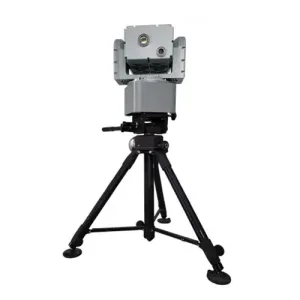
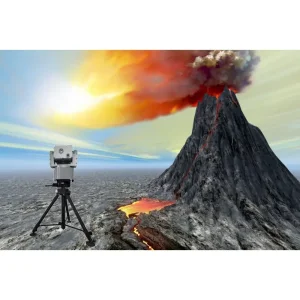
Modern detection systems are moving toward "Telemetry Imaging." Instead of waiting for gas to reach a sensor, systems like the MR-ACT use remote sensing to visualize gas clouds from a distance, providing an early warning system that saves lives and prevents catastrophic infrastructure damage.
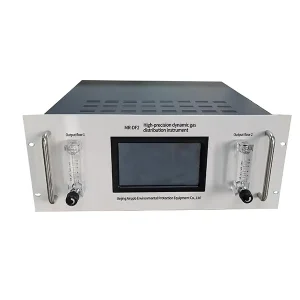
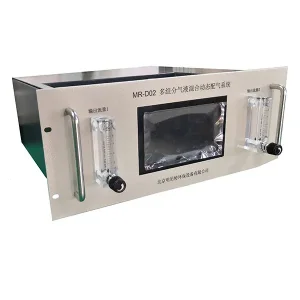
Accuracy is paramount. Dynamic gas distribution instruments are now essential for calibrating complex analytical equipment, ensuring that measurements in the Middle East's harsh petrochemical environments remain precise and legally compliant.
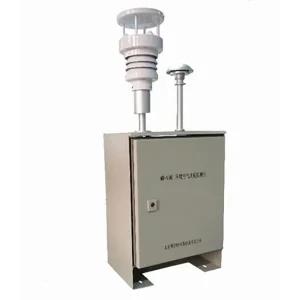
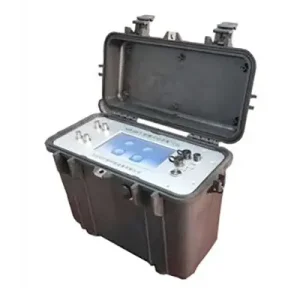
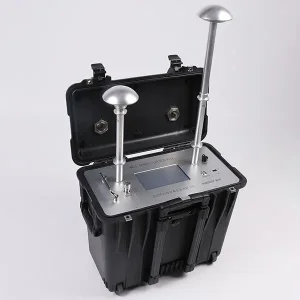
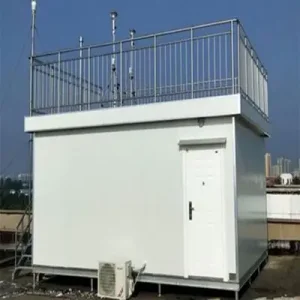
Ambient air quality monitoring has evolved from simple particulate measuring to comprehensive stations (Micro Air Stations) that track volatile organic compounds (VOCs), odor gases, and toxic industrial chemicals in real-time with AI-driven data analysis.
In the Middle East, the adoption of these technologies is accelerated by the "Smart City" initiatives in Dubai, Abu Dhabi, and Riyadh. The ranking of gas detection brands in these regions is heavily influenced by the ability to integrate with 5G networks and cloud-based monitoring platforms. As the world moves toward Industry 4.0, gas detection is no longer a standalone alarm; it is a critical data point in the digital twin of a refinery or a city's environmental health profile.
Established in 2012, our group company has emerged as a powerhouse in the research, development, and production of high-end gas analysis instruments. While Honeywell remains a massive global brand, our factory offers unique advantages that the Middle East market increasingly values:
Our commitment to intellectual property and international standards makes us a reliable partner for global enterprises looking for top-ranking gas detection technology without the exorbitant "brand premium." We specialize in ambient air analysis and emergency detection instruments that are currently utilized in petroleum, petrochemical, and military sectors globally.
When evaluating the Middle East Honeywell Gas Detection Brand & Ranking, one must consider the technical expertise behind the products. Our group is not just a manufacturer; we are an R&D-driven entity. Our Fourier Transform Infrared (FTIR) systems represent the pinnacle of gas detection science. Unlike electrochemical sensors that require physical contact with the gas, FTIR allows for "fingerprinting" of molecules across a broad infrared spectrum, identifying multiple gases simultaneously from kilometers away.
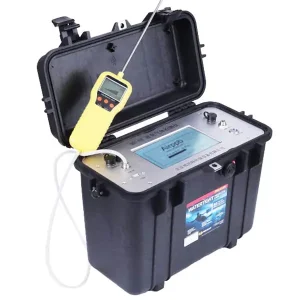
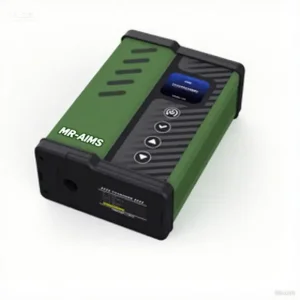
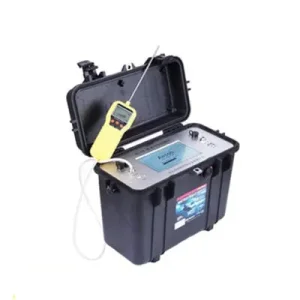
This expertise extends to our MR-AIMS Handheld IMS Chemical Identifiers. Ion Mobility Spectrometry is a rapid, highly sensitive technique used primarily for detecting trace amounts of chemical warfare agents, explosives, and toxic industrial chemicals. By integrating these high-level technologies into portable and fixed formats, we provide the military and petrochemical industries with tools that were once only available in laboratory settings.
Procurement officers in the Middle East are increasingly looking for "Total Life Cycle Value." This includes the initial purchase price, the cost of calibration gas (which is why our MR-DF series distribution meters are in high demand for in-house calibration), and the maintenance intervals. Honeywell's ranking remains high due to its historical presence, but the emergence of specialized Chinese factories like ours is shifting the procurement landscape by offering higher technological transparency and localized engineering support.
The group company was established in 2012 and is committed to the development and production of Fourier infrared gas remote sensing imaging early warning systems, ambient air quality monitors, high-precision dynamic gas distribution meters, multi-gas emergency detectors, ambient air analysis, detection and other related instruments and OEM /ODM various gas detectors; the company has a number of intellectual property rights. Product quality strictly follows ISO9001 QUALITY MANAGEMENT SYSTEM CERTIFICATE, ISO14001 CERTIFICATE OF ENVIRONMENT MANAGEMENT SYSTEM CERTIFICATION, and ISO45001 CERTIFICATE OF OCCUPATIONAL HEALTH AND SAFETY MANAGEMENT SYSTEM CERTIFICATION. We comply with product certifications from relevant national departments, such as CPA, CCEP, and CNAS/CMA test reports, ensuring that every unit shipped meets the highest global standards for safety and reliability.
Protecting refineries with 24/7 monitoring and telemetry imaging for leak detection.
Urban air quality stations providing real-time data for smart city governance.
Rapid chemical identification and gas telemetry systems for battlefield and emergency safety.
 Airppb