High-accuracy gas detection and distribution technology for critical infrastructure.
In the evolving landscape of 2024, Russia's industrial metrology sector has undergone a profound transformation. With the increasing complexity of petrochemical processes and the tightening of environmental safety regulations, the demand for precision calibration has shifted from a maintenance necessity to a core strategic asset. Instrument calibration in Russia is not merely about adjusting a sensor; it is about ensuring the integrity of the entire supply chain—from extraction in the Siberian fields to processing in urban refineries.
Global enterprises face unique challenges when navigating the Russian market, including compliance with GOST standards and the integration of local metrological certification. This white paper explores the critical intersections of high-precision gas detection, the technology roadmap for 2030, and why brands like Airpbb (Minnit) are leading the rankings in the region.
Years of R&D Excellence
Global Countries Served
Precision Accuracy Rate
Triple Certified Compliance
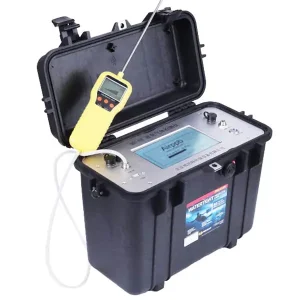
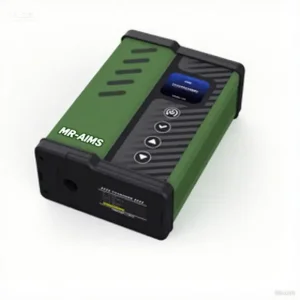
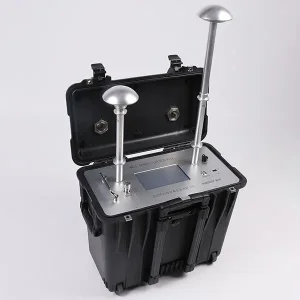
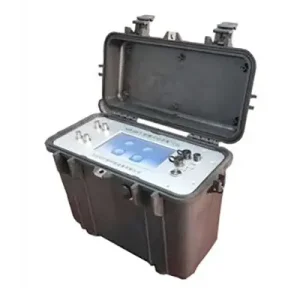
For the Russian market, VOC detection and H2S monitoring are vital. Calibration of instruments like the MR-AIMS ensures that leakage detection remains reliable under extreme Arctic temperatures.
Military-grade gas telemetry requires rapid response and zero-drift sensors. Our ranking in the defense sector stems from our proprietary IMS and Fourier Transform Infrared (FTIR) technologies.
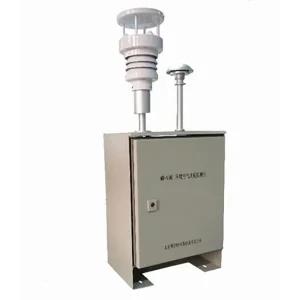
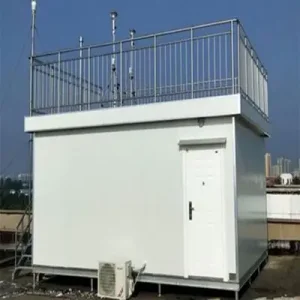
Urban air quality monitoring (MR-A series) is now a mandate in major Russian industrial hubs. Real-time data distribution enables city governments to issue early warnings.
The metrology industry is moving toward "Calibration 4.0". This involves the transition from manual, laboratory-based verification to On-site Automated Intelligent Analysis. By integrating AI-driven algorithms with PID and spectral analysis, the next generation of instruments will be self-correcting.

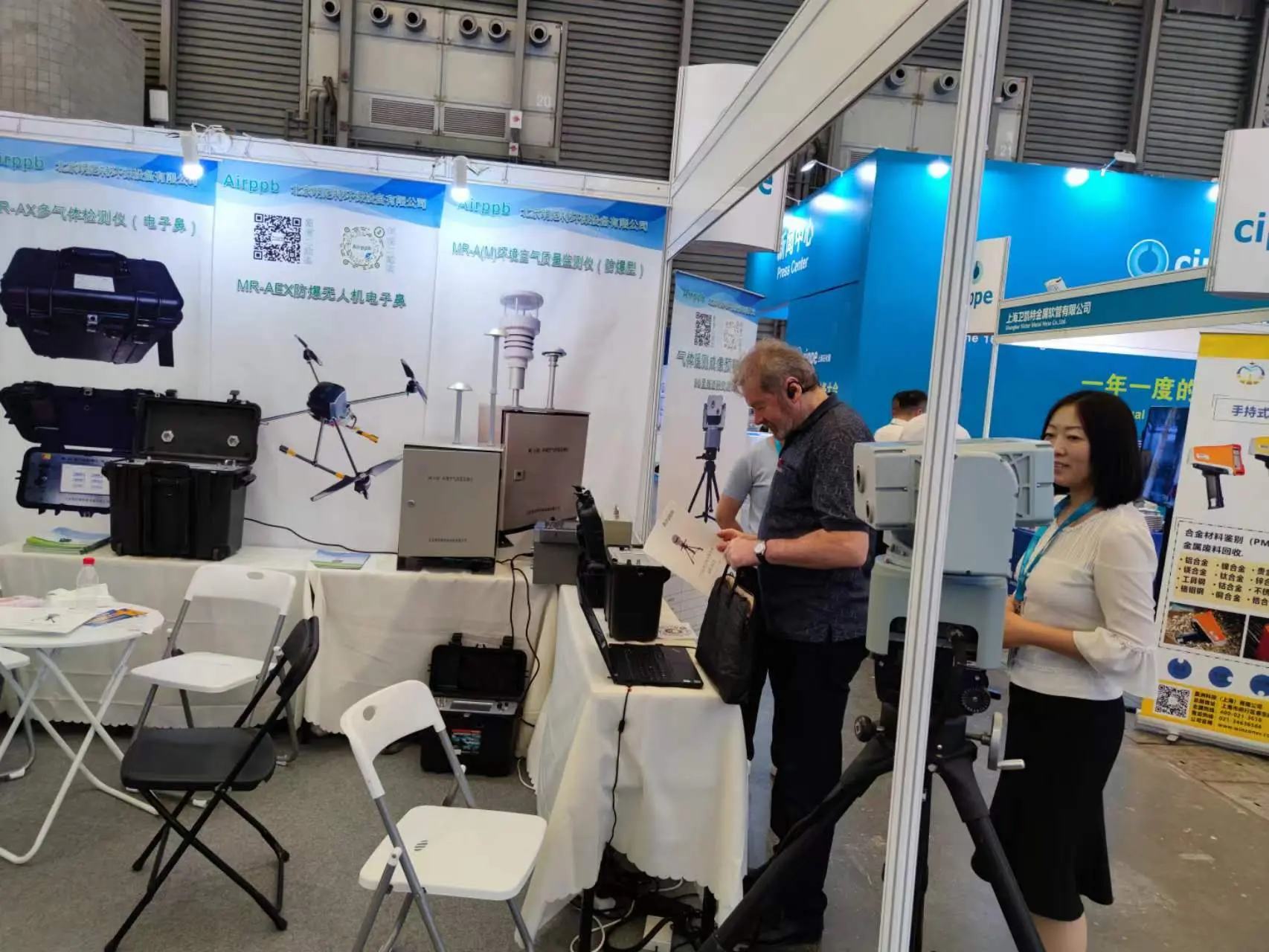
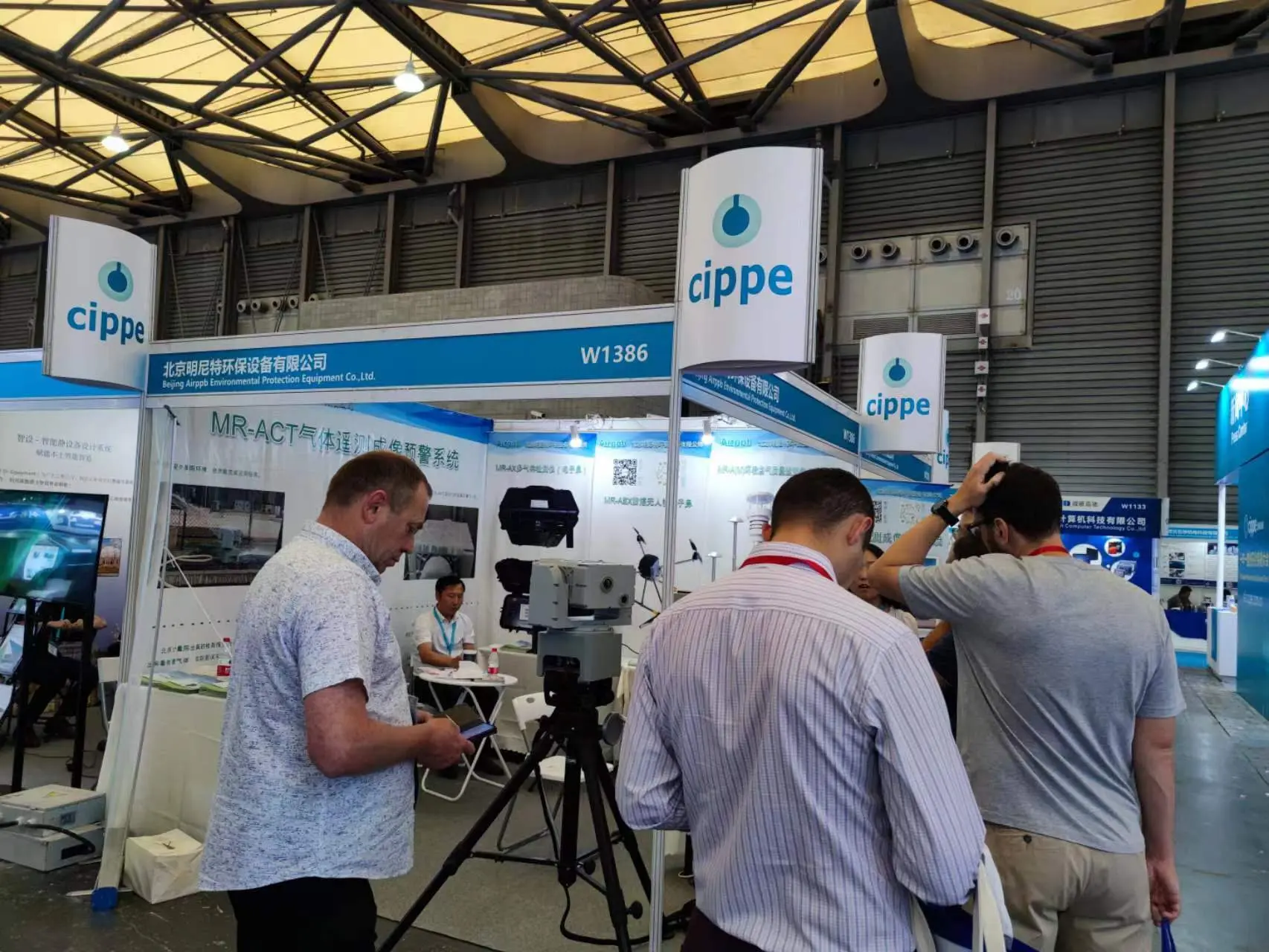
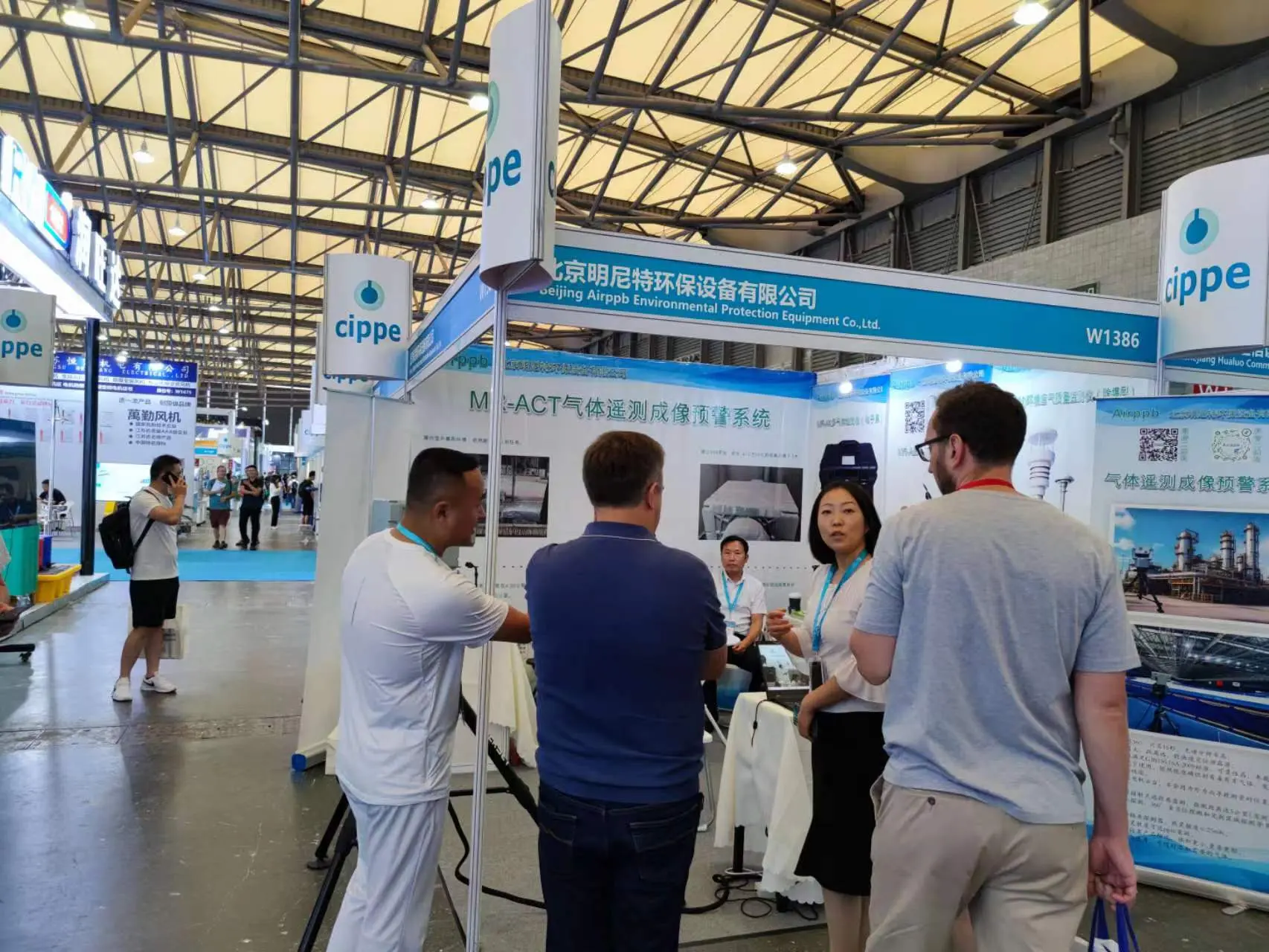
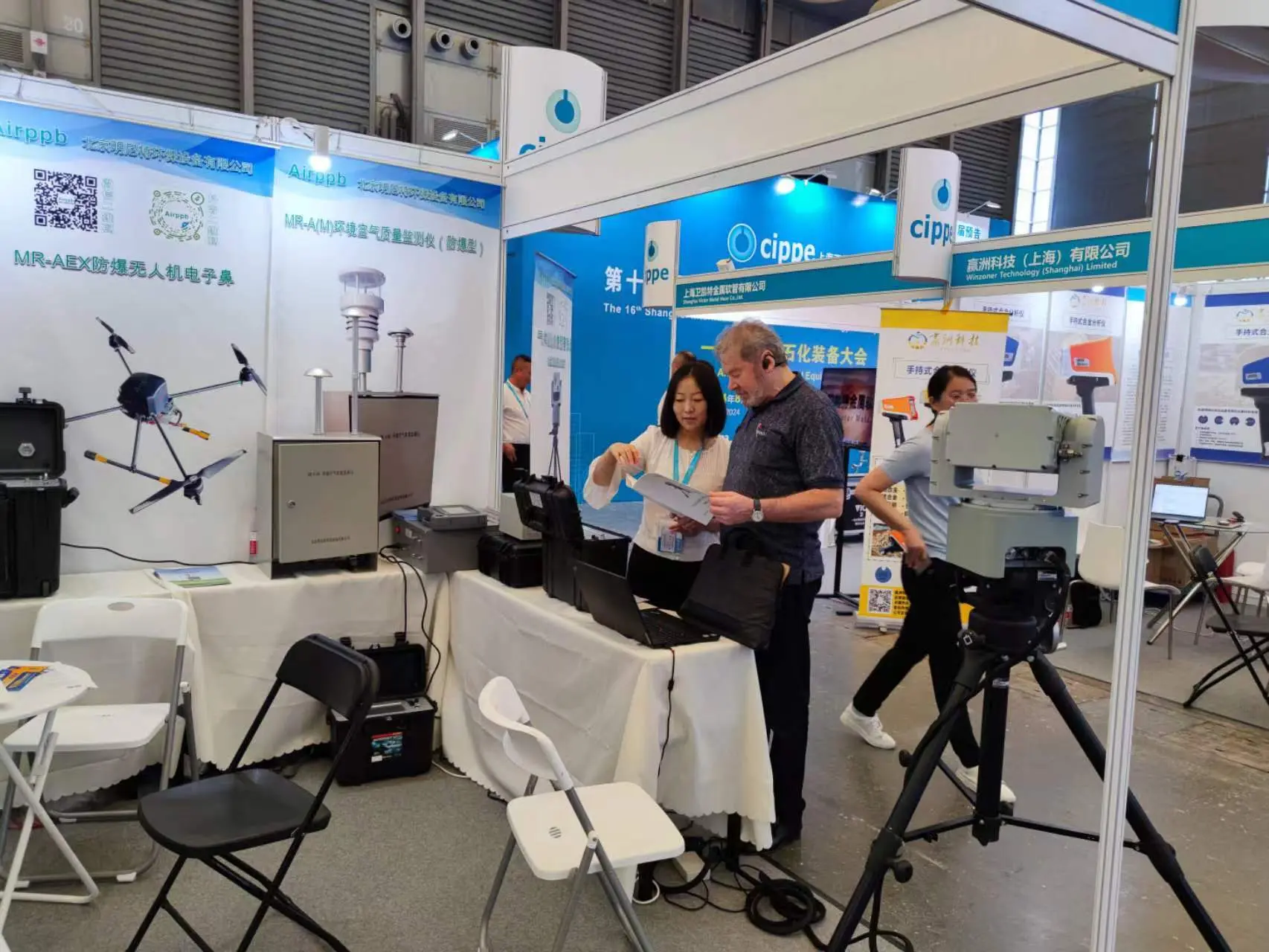
Minnit(Airppb) is a national high-tech enterprise focusing on the research and development and industrialized innovative application of precision gas detection instruments. The company uses technological innovation to realize on-site, automated and intelligent analysis, detection and monitoring, and is committed to becoming the world's leading manufacturer of scientific instruments.
It has mastered relatively complete gas analysis and detection technologies such as electrochemistry, PID, and spectroscopy. Our portfolio includes laboratory analysis, on-site analysis (portable, online, mobile), and automated analysis series, providing global users with comprehensive solutions in advanced industry and ecological safety.
Ensuring every instrument meets the rigorous demands of international and regional standards.
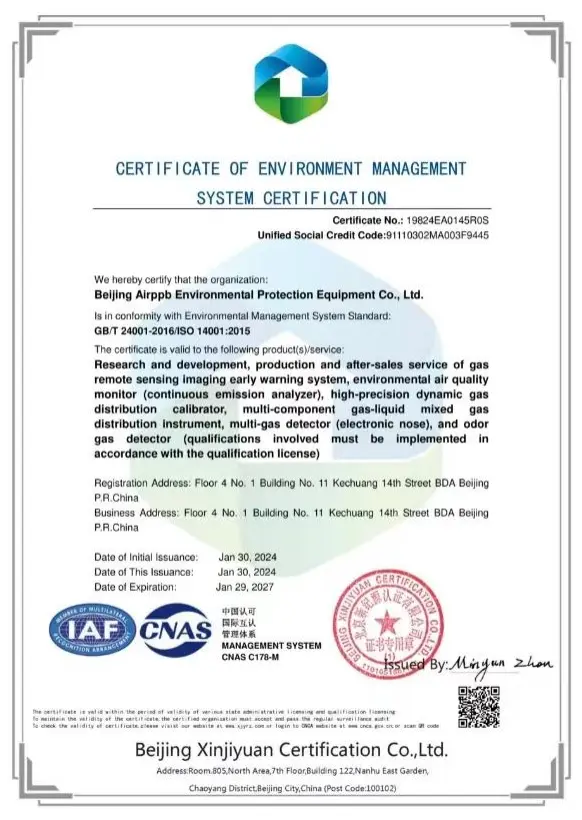
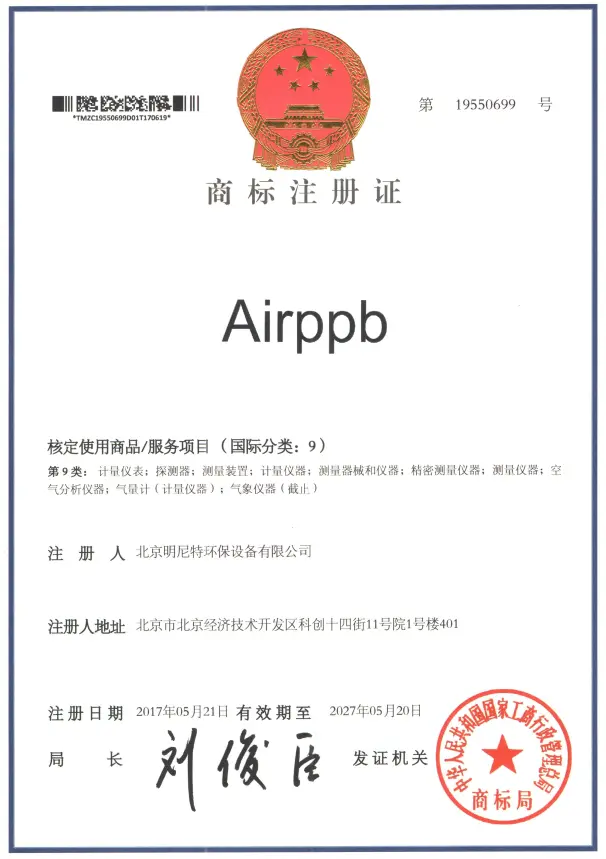
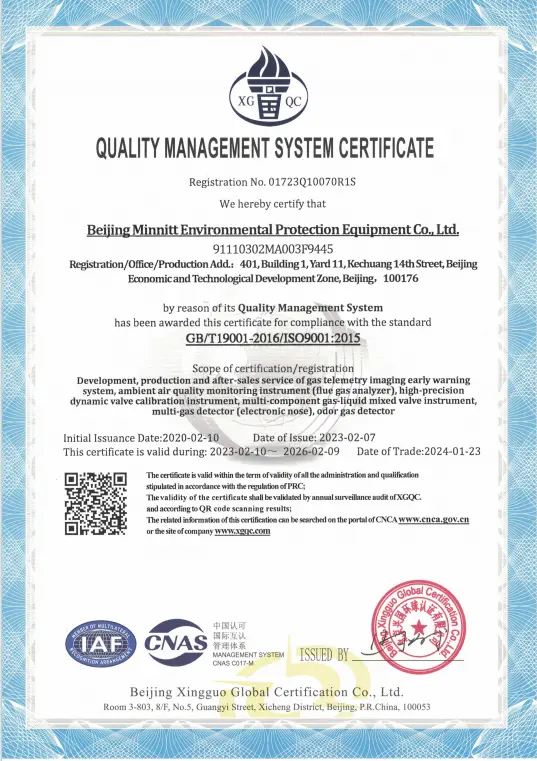
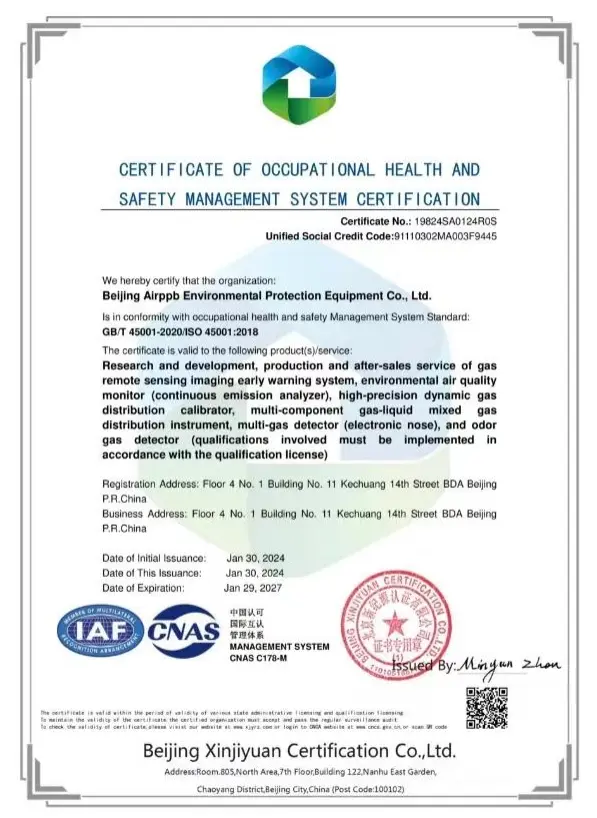


Established in 2012, our group is committed to Fourier infrared gas remote sensing imaging early warning systems, high-precision dynamic gas distribution meters, and OEM/ODM services. Our quality strictly follows the ISO9001, ISO14001, and ISO45001 management systems, ensuring reliability in the toughest environments.
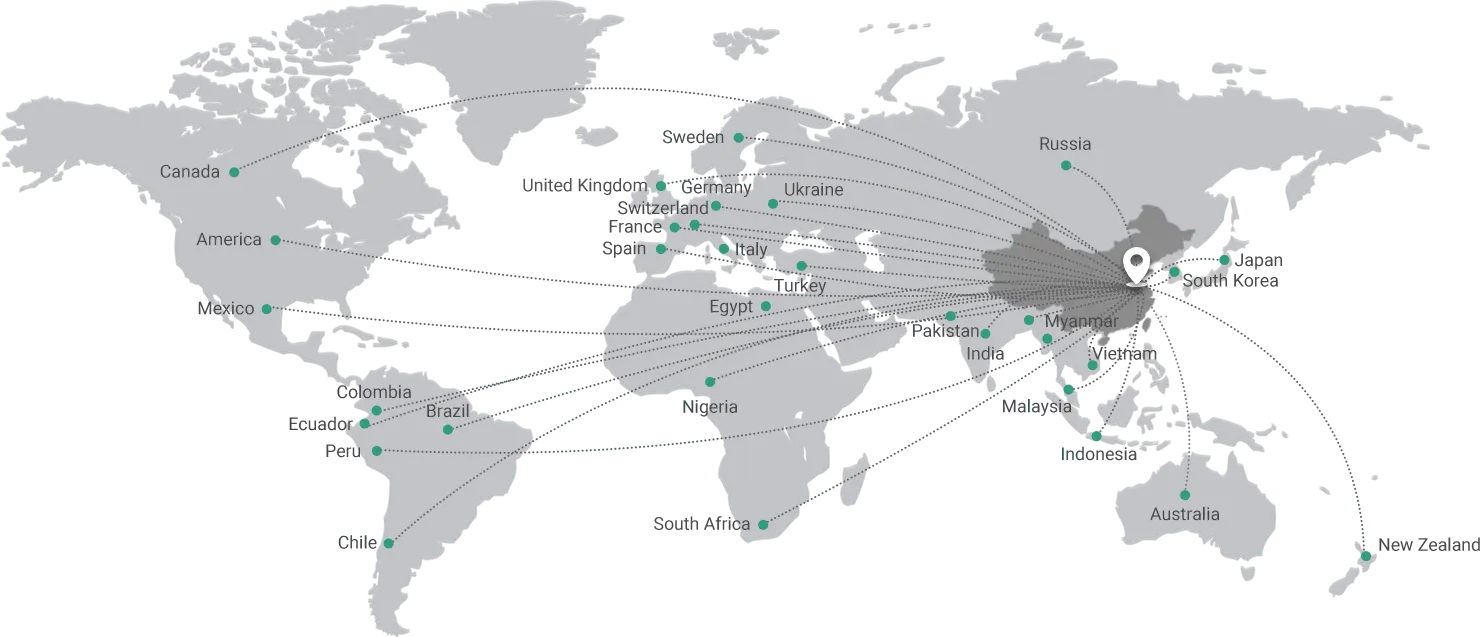
Over 40 countries trust Airpbb for their metrological needs.
We empower customers to build their own brands with our proven technology platforms.

60% of our workforce is dedicated to engineering and technical innovation.

Every unit undergoes a multi-stage verification process to ensure zero failure.

Expert insights into gas detection and calibration rankings.
Instruments used in industrial safety and environmental monitoring in Russia must comply with the Federal Law on the Uniformity of Measurements and possess a Pattern Approval Certificate (often called the GOST certificate of metrology).
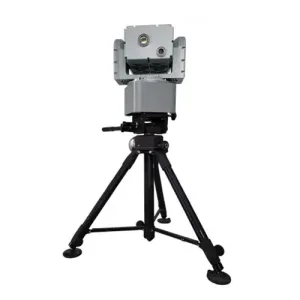
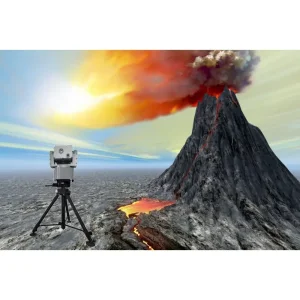
The MR-ACT uses remote gas telemetry imaging to detect SO2 and other volcanic gases from a safe distance, providing critical early warning data without risking personnel safety.
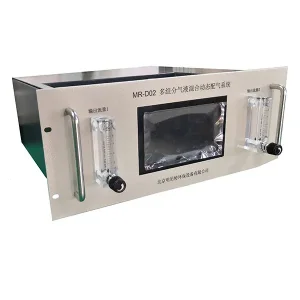
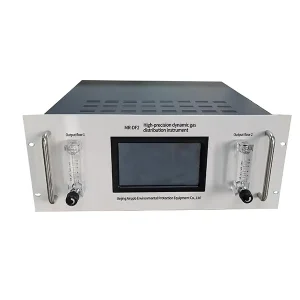
Dynamic gas distribution, like that in our MR-DF series, allows for real-time concentration adjustments and better mimics actual environmental conditions, leading to more accurate calibration curves.
Yes, our specialized Russian-market models are engineered with thermal management systems and ruggedized enclosures to operate reliably down to -40°C.
 Airppb