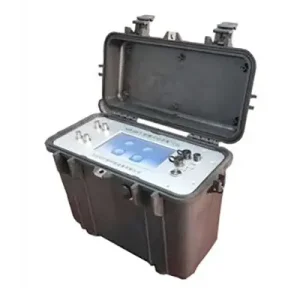
Direct access to our certified gas telemetry systems, dynamic distribution apparatus, and environmental safety analyzers designed to exceed international metrology standards.

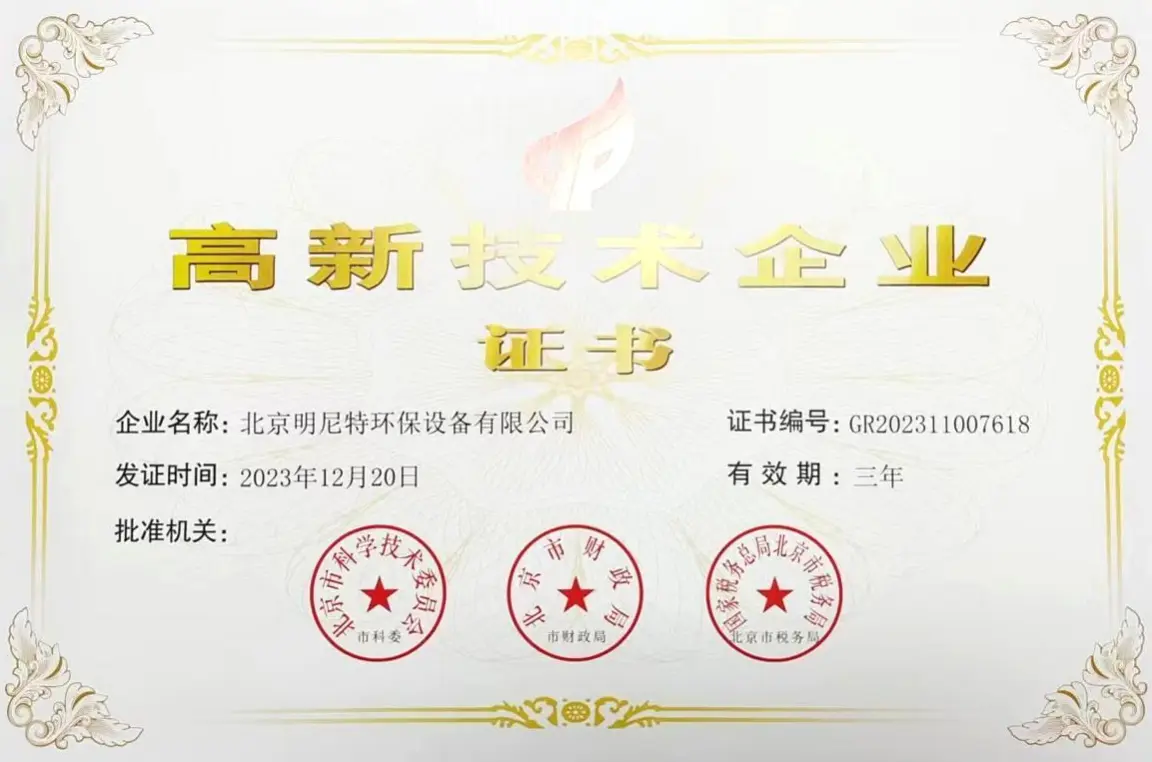
Minnit(Airppb) is a national high-tech enterprise focusing on the research and development and industrialized innovative application of precision gas detection instruments. The company uses technological innovation to realize on-site, automated and intelligent analysis, detection and monitoring, and is committed to becoming the world's leading manufacturer of scientific instruments.
It has mastered relatively complete gas analysis and detection technologies such as electrochemistry, PID, and spectroscopy, and developed laboratory Analysis, on-site analysis (portable, online, mobile), automated analysis and a series of technologically leading product portfolios provide global users with comprehensive and professional solutions in the fields of advanced industry, ecological environment emergency safety and other fields.
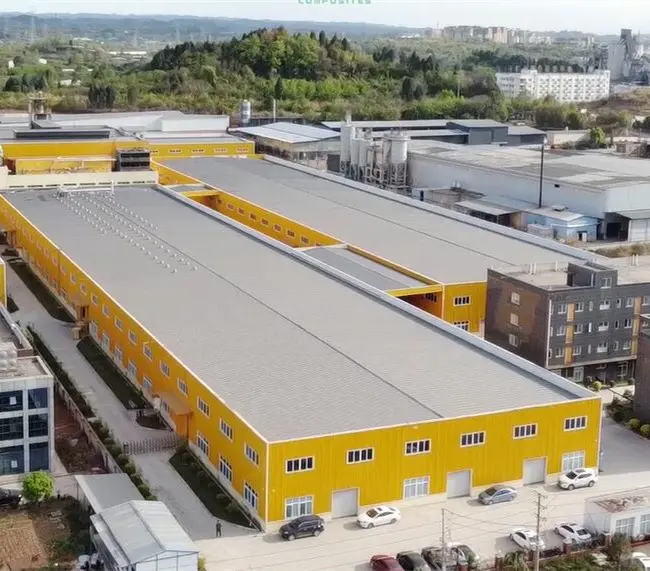
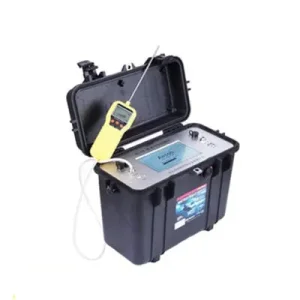
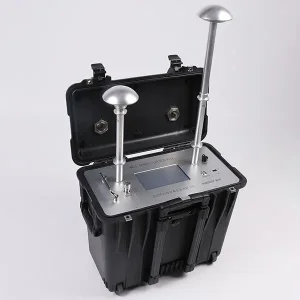
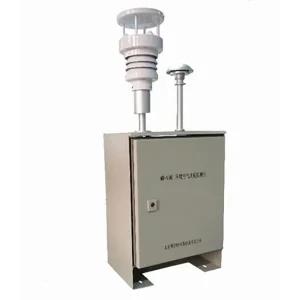
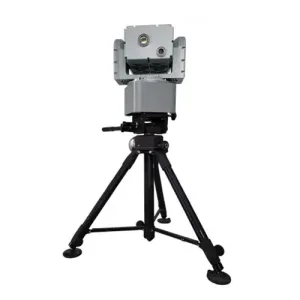
The group company was established in 2012 and is committed to the development and production of Fourier infrared gas remote sensing imaging early warning systems, ambient air quality monitors, high-precision dynamic gas distribution meters, multi-gas emergency detectors, ambient air analysis, detection and other related instruments and OEM /ODM various gas detectors.
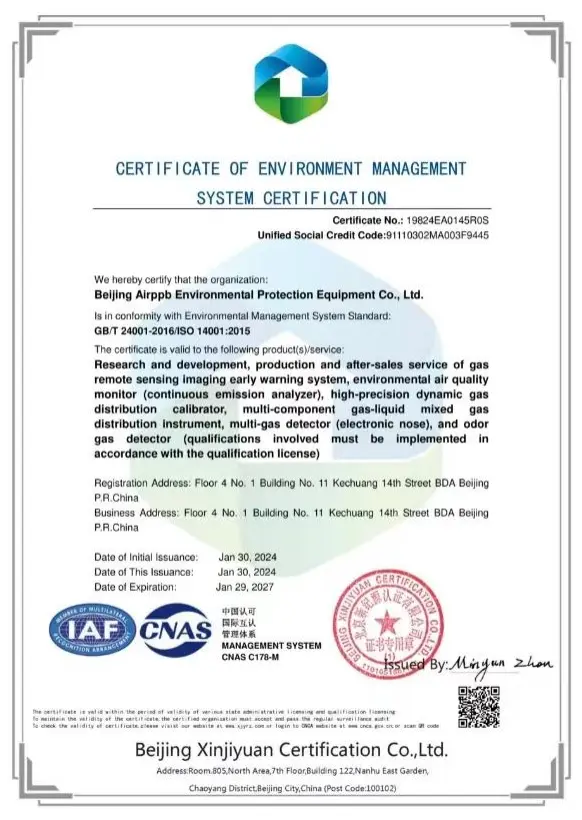
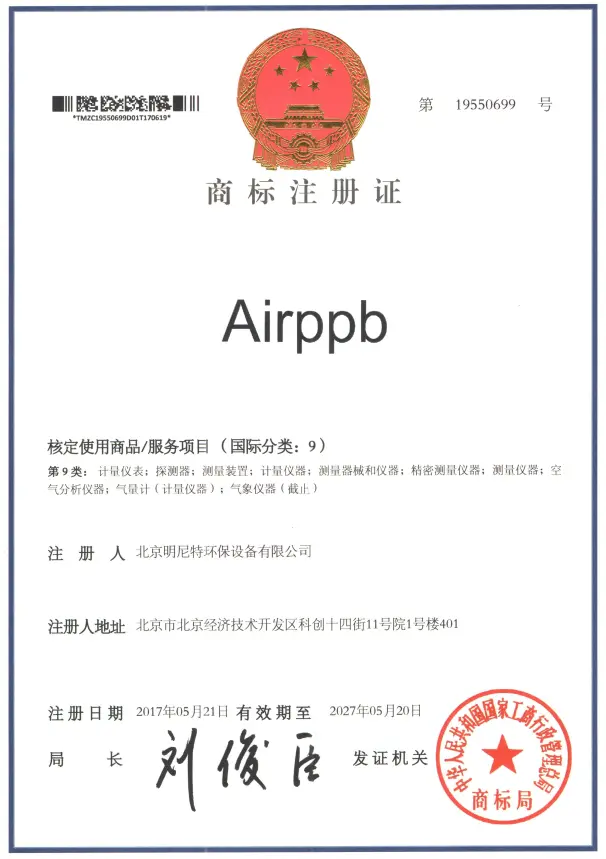
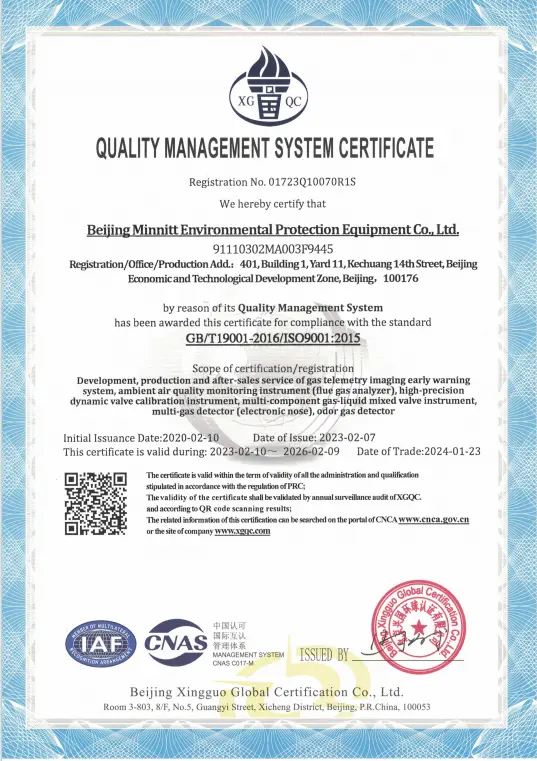
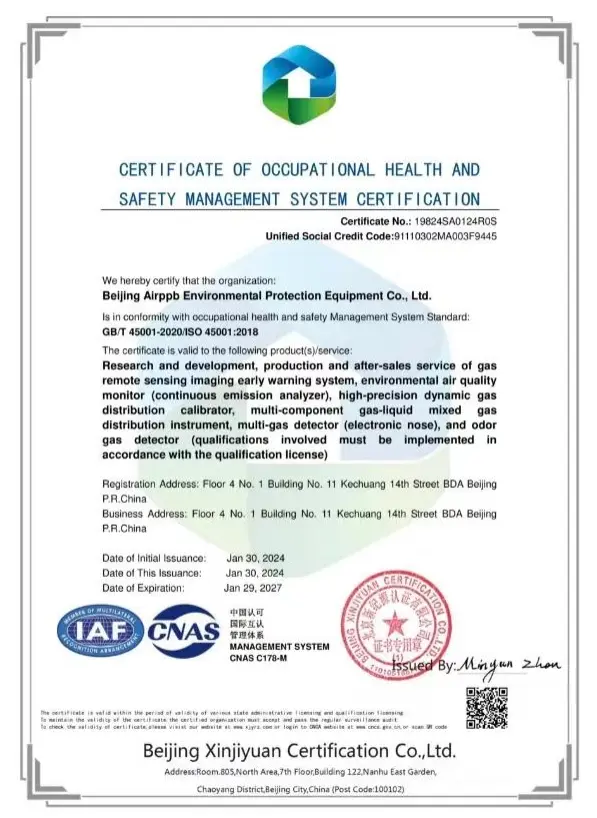
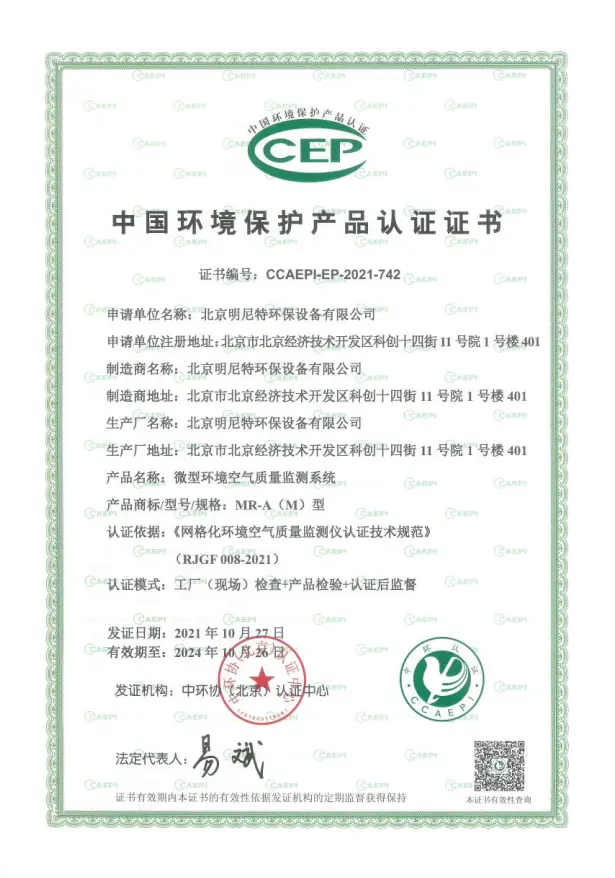
The company has a number of intellectual property rights. Product quality strictly follows ISO9001 QUALITY MANAGEMENT SYSTEM CERTIFICATE, ISO14001 CERTIFICATE OF ENVIRONMENT MANAGEMENT SYSTEM CERTIFICATION, and ISO45001 CERTIFICATE OF OCCUPATIONAL HEALTH AND SAFETY MANAGEMENT SYSTEM CERTIFICATION. We fully comply with product certifications from relevant national departments, such as CPA, CCEP, CNAS/CMA test reports, etc.
The global industrial gas detection market is undergoing an unprecedented paradigm shift. Standard reactive and static sensors are rapidly being replaced by dynamic, active, and telemetric monitoring ecosystems. This change is driven by stricter global regulations on volatile organic compound (VOC) emissions, occupational hazard protocols, and the critical need to safeguard vast infrastructure networks such as oil & gas refineries, defense reserves, and chemical synthesis installations.
Advancements in remote sensing and portable telemetry (like FTIR and handheld IMS) have created double-digit annual growth rates across major petrochemical markets. Companies are moving away from spot-checking to continuous, wide-area monitoring.
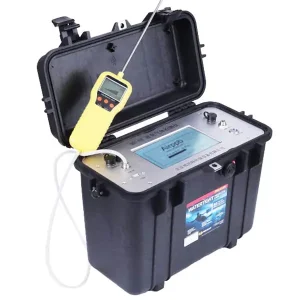
Ion Mobility Spectrometry (IMS), Fourier-Transform Infrared (FTIR) telemeters, and high-performance electrochemistry represent the frontline of modern gas physics. Real-time identification of complex compound matrices is now possible in seconds.
Global regulatory updates mandate low ppb-level detection limits for highly toxic chemical gases. Systems must provide verifiable metrology data and automatic self-calibration protocols to prevent industrial exposure liabilities.
Russian heavy industry requires equipment that can withstand some of the world's most severe operating conditions. Instrument deployments in these territories face distinct operational demands. Specialized monitoring setups must be built for extreme sub-zero operation, heavy vibrational loads from heavy machinery, and wide territorial dispersion.
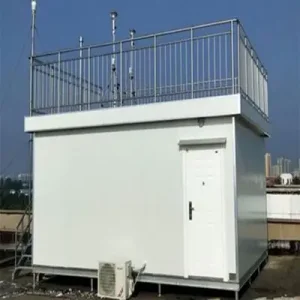
In locations like Yamal and Western Siberia, ambient air monitors and leak warning telemeters must function in temperatures below -50°C. Instrument housing must prevent condensation freezing, and sensor elements must remain stable despite large thermal fluctuations during rapid indoor-to-outdoor transitions.
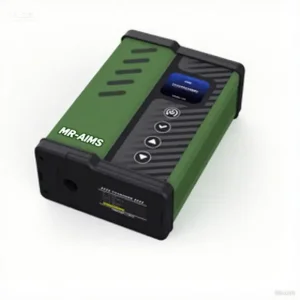
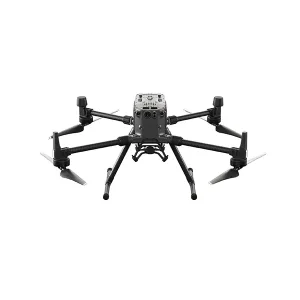
Military MR-AX and MR-ACT warning systems provide standoff chemical detection and real-time mapping of volatile chemical plumes. These instruments are designed to rapidly classify complex compounds, helping protect transport corridors and industrial centers from accidental toxic releases.
In volcanically active regions like Kamchatka, the remote MR-ACT volcanic gas monitoring system tracks toxic gas composition (SO₂, H₂S, CO₂) from safe standoff distances. This system provides critical research data and early warnings for nearby communities without putting personnel at risk.
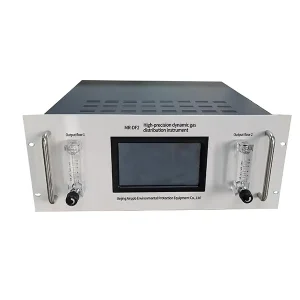
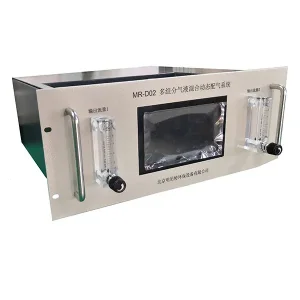
State-run validation laboratories rely on the Russia MR-DO2 and dynamic gas distribution units to formulate reference standards. These systems mix multi-component gas streams with high precision to calibrate domestic sensing instrumentation, ensuring compliance with national measurement standards.
Beijing Airpbb leverages China's advanced industrial manufacturing ecosystem to offer significant quality and supply chain advantages. Our localized production processes combine raw material access, precision machining, and strict quality control to deliver high-performance analytical systems worldwide.
Our proximity to world-class optoelectronic, electrochemical, and microfluidic component manufacturers keeps our supply chains secure and agile, minimizing the impact of global supply shocks.
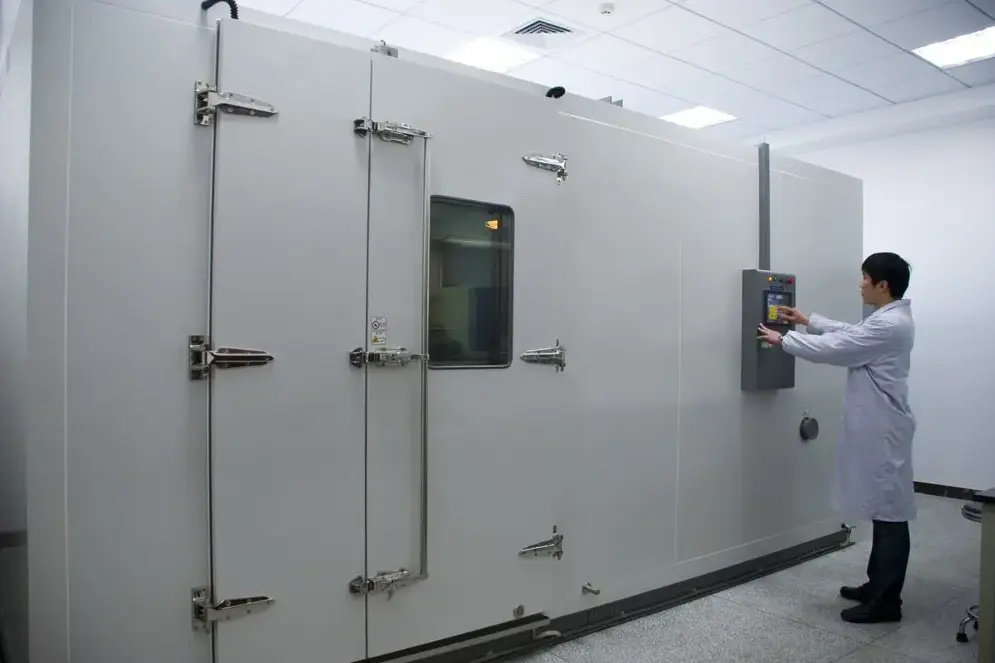
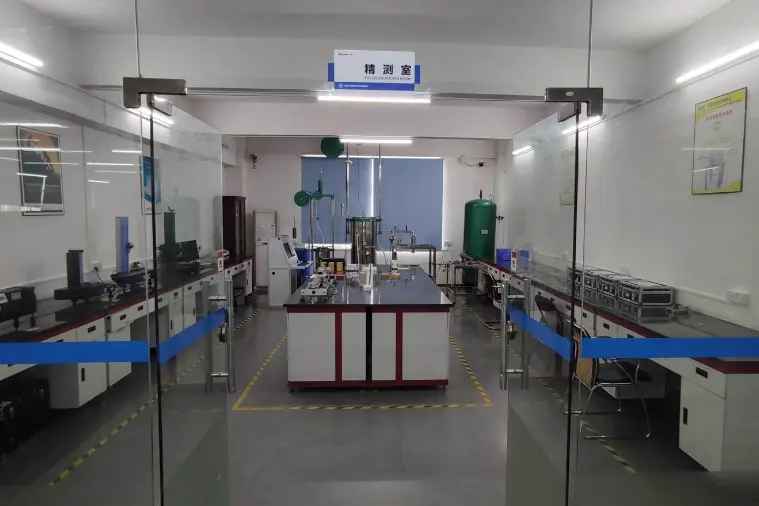
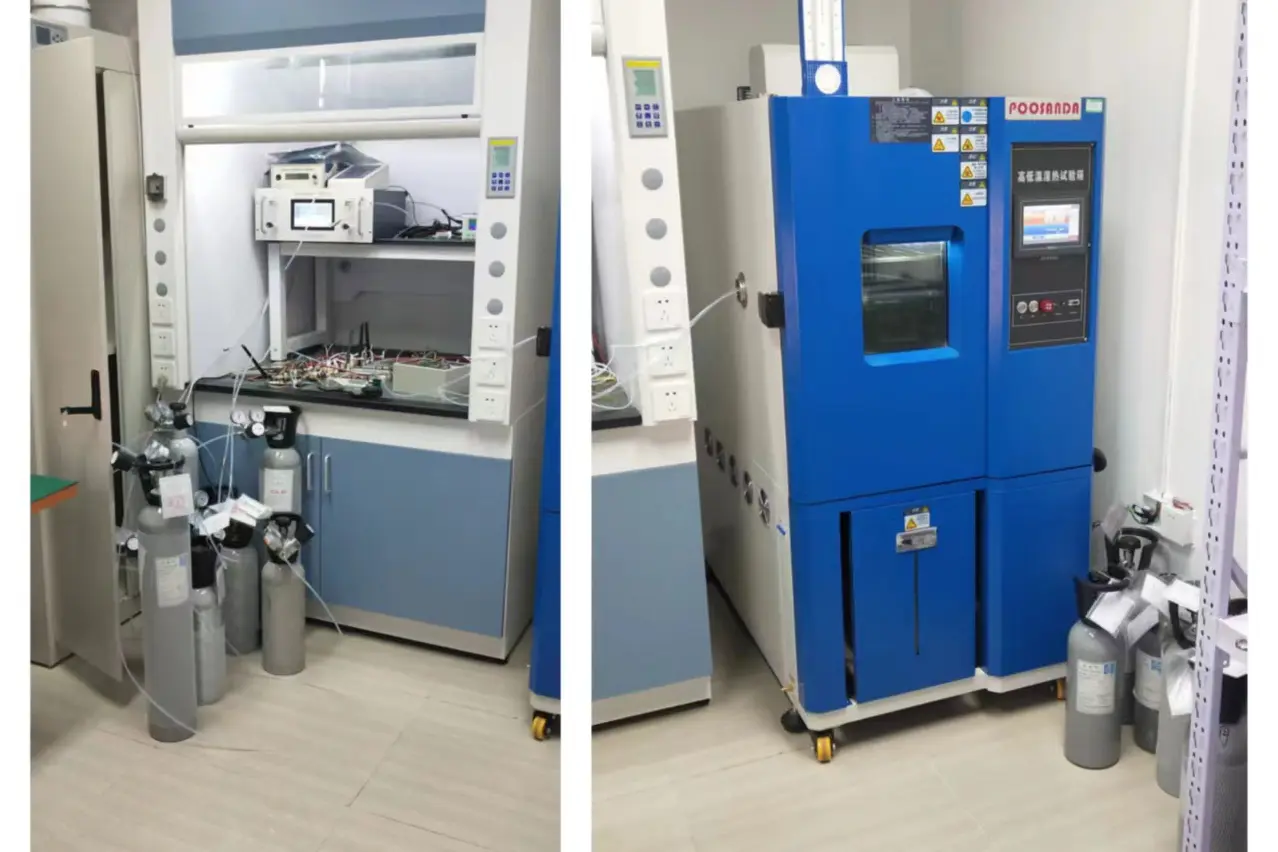
Every product undergoes extensive quality testing. In accordance with ISO 9001 and ISO 14001, instruments undergo climate simulation testing, vibration analysis, and continuous performance validation prior to packaging.
Our state-of-the-art facilities allow us to design, prototype, and manufacture custom gas detection equipment quickly, offering high-precision tailored solutions for our international partners.
Beijing Airpbb operates under strict international safety and quality standards, backed by certified test reports from CPA, CCEP, CNAS, and CMA.
For your specific needs, we carefully design and engineer our processes to ensure every phase is accurate and efficient. We make complex detection tasks straightforward while improving your operational efficiency.

We work with international partners to build and promote their brands through customized color schemes, private labeling, modified user interfaces, and specialized mechanical housings designed for regional industrial requirements.

Our specialized research team accounts for 60% of our workforce. We continually invest in new technologies to remain at the forefront of gas analysis, detection, and remote monitoring.
As gas sensing requirements become more demanding, Beijing Airpbb is actively developing next-generation technologies to meet these challenges. Our development roadmap centers on three key technological areas:
Developing faster scan times and high-resolution optical paths for FTIR telemetry systems, allowing users to visualize and map gas plumes from several kilometers away in real time.
Integrating PID, electrochemical, and semiconductor sensors into single hand-held or stationary devices to detect wide ranges of compounds simultaneously without cross-sensitivity.
Applying machine learning algorithms directly on-device to classify complex VOC and hazardous gas mixtures faster and with fewer false positives, even in noisy industrial environments.
We present our gas metrology and remote detection systems at major global trade shows, demonstrating our ongoing commitment to technical innovation.
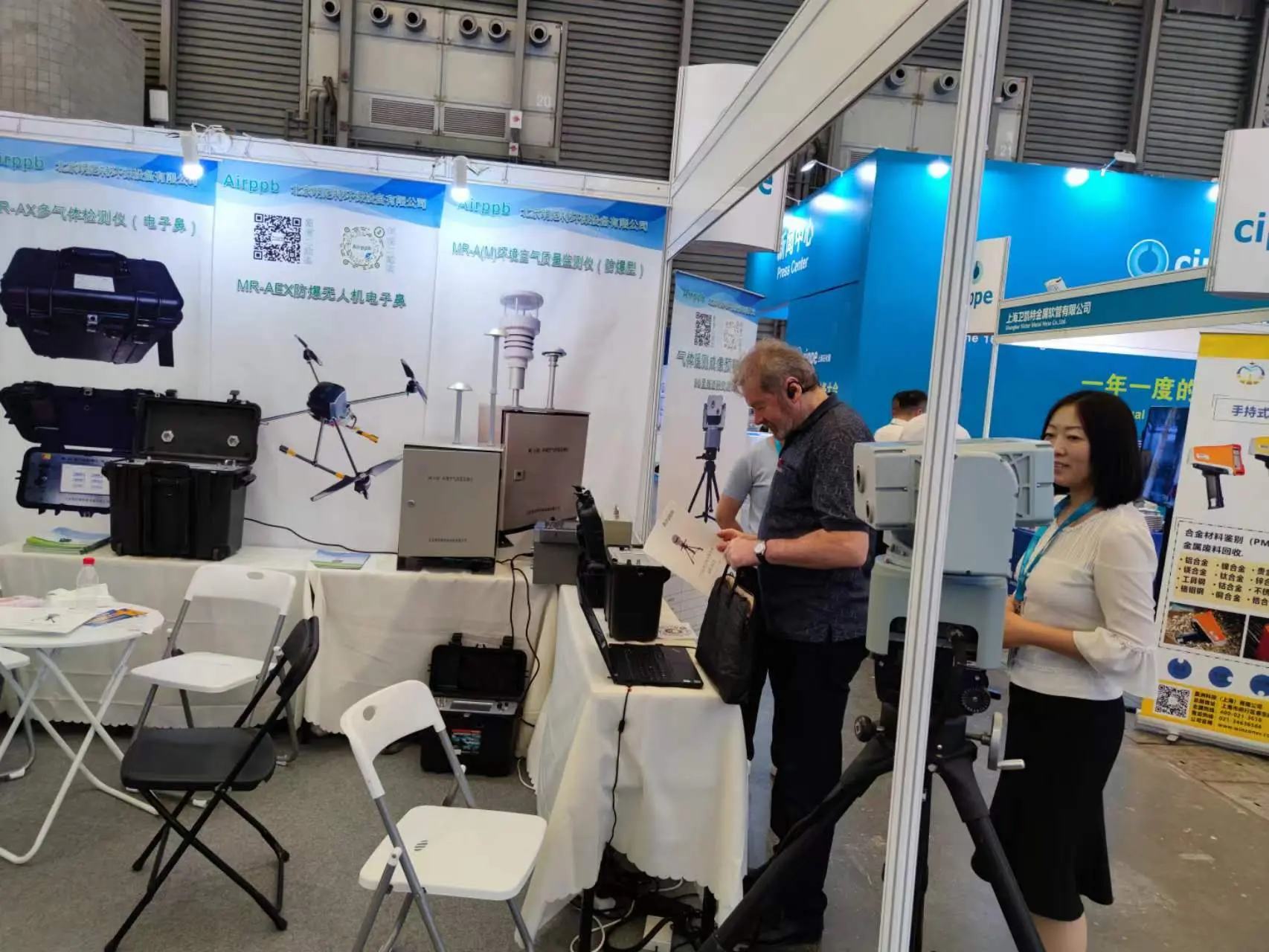
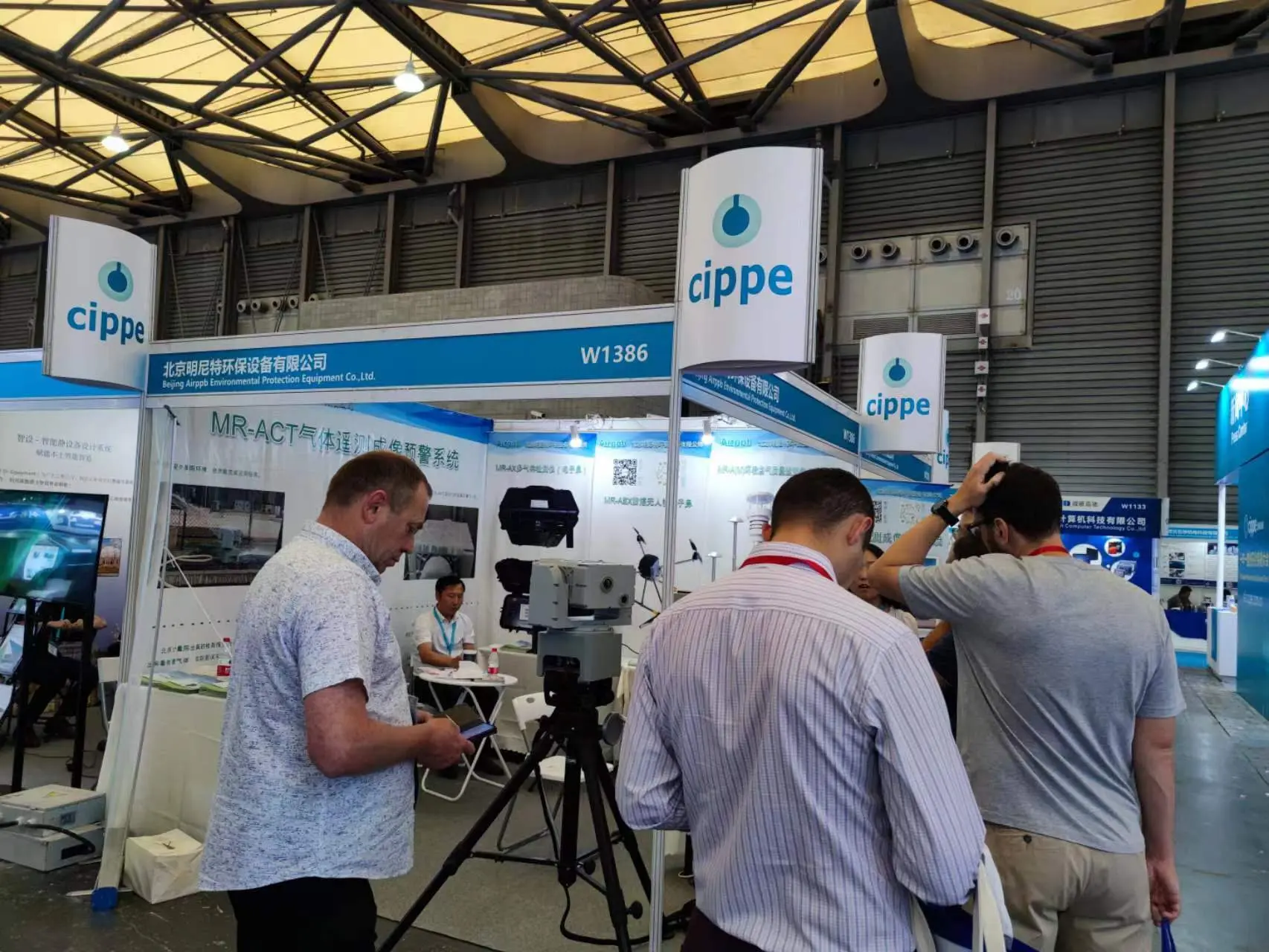
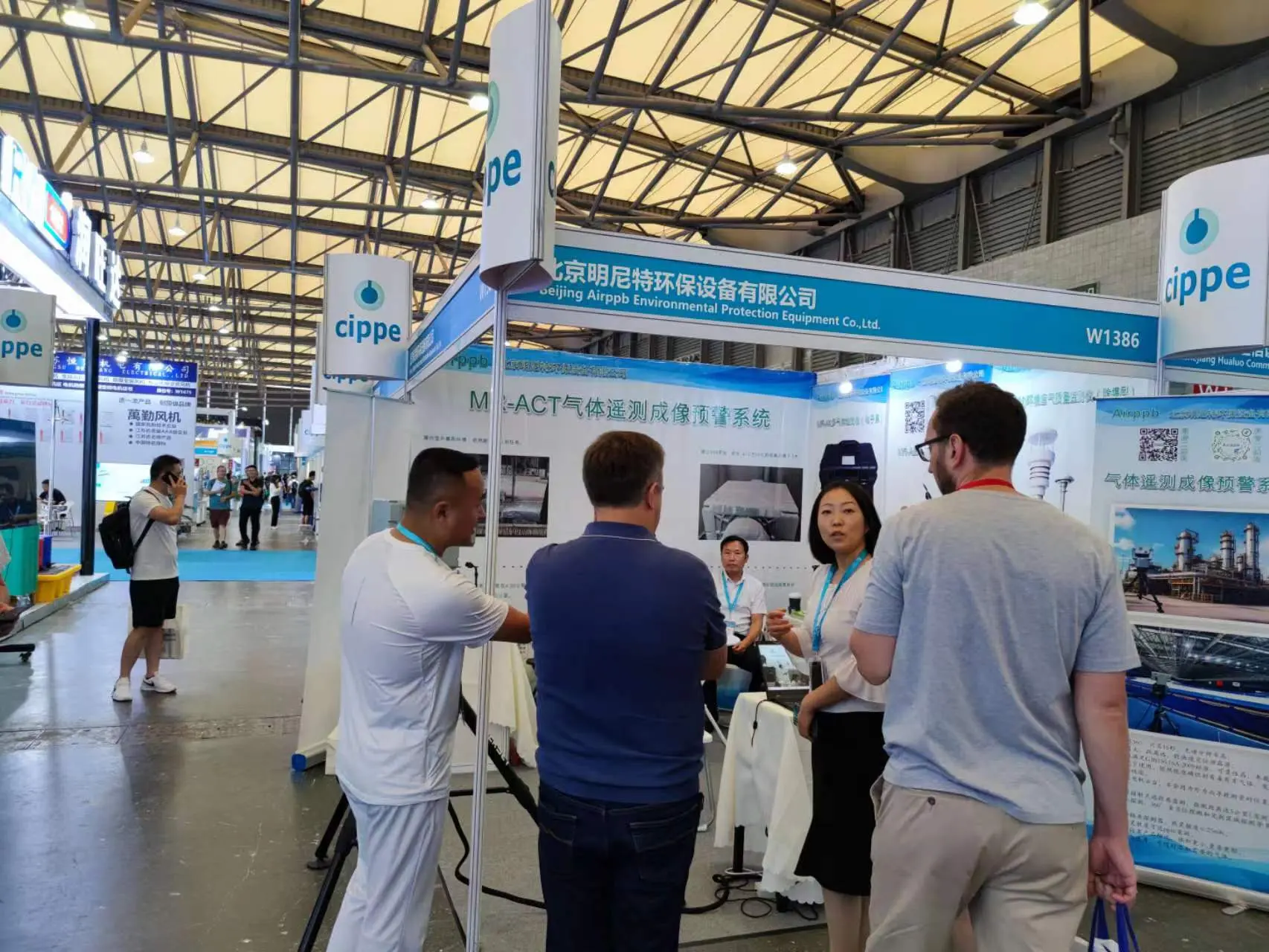
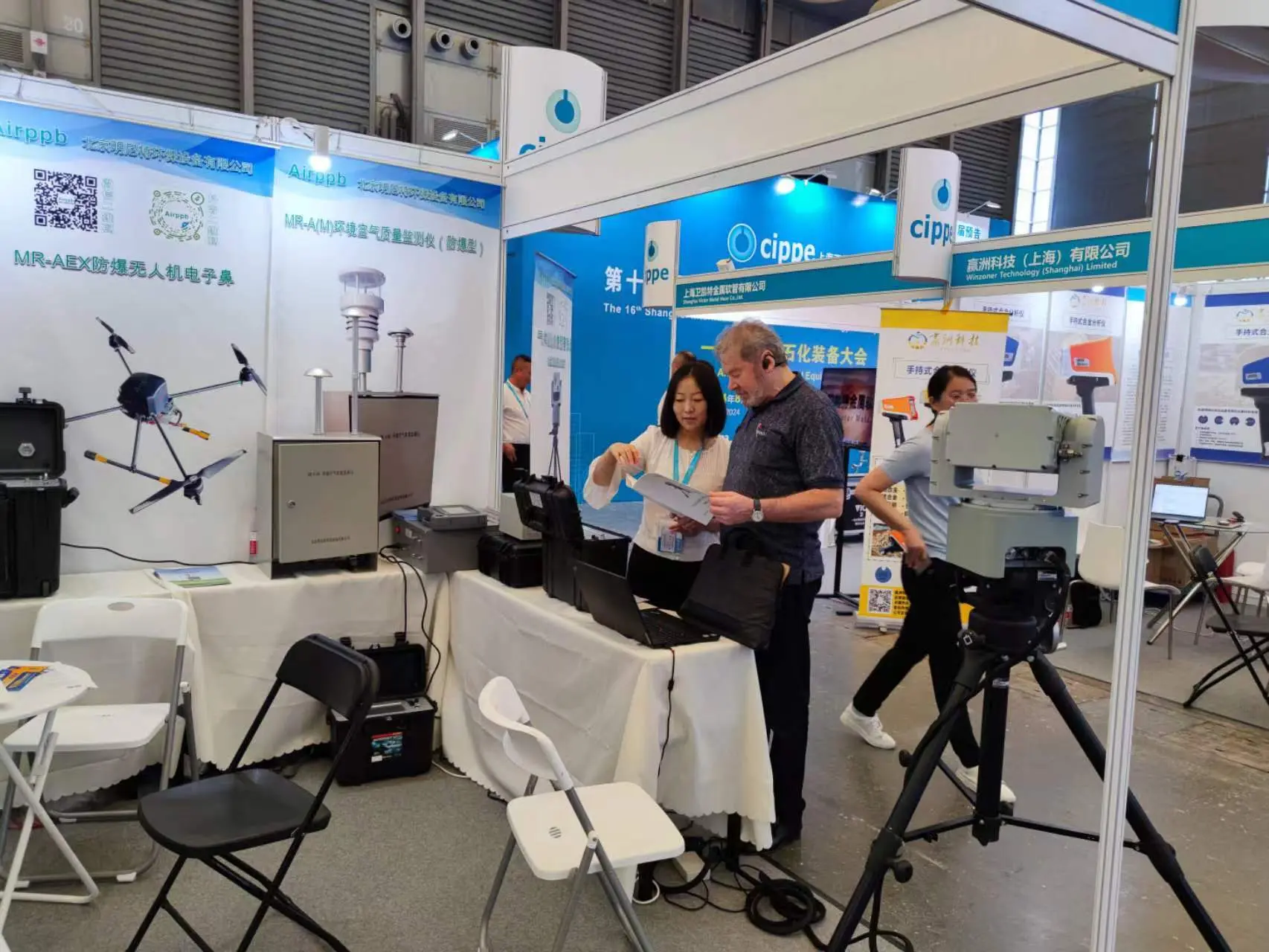

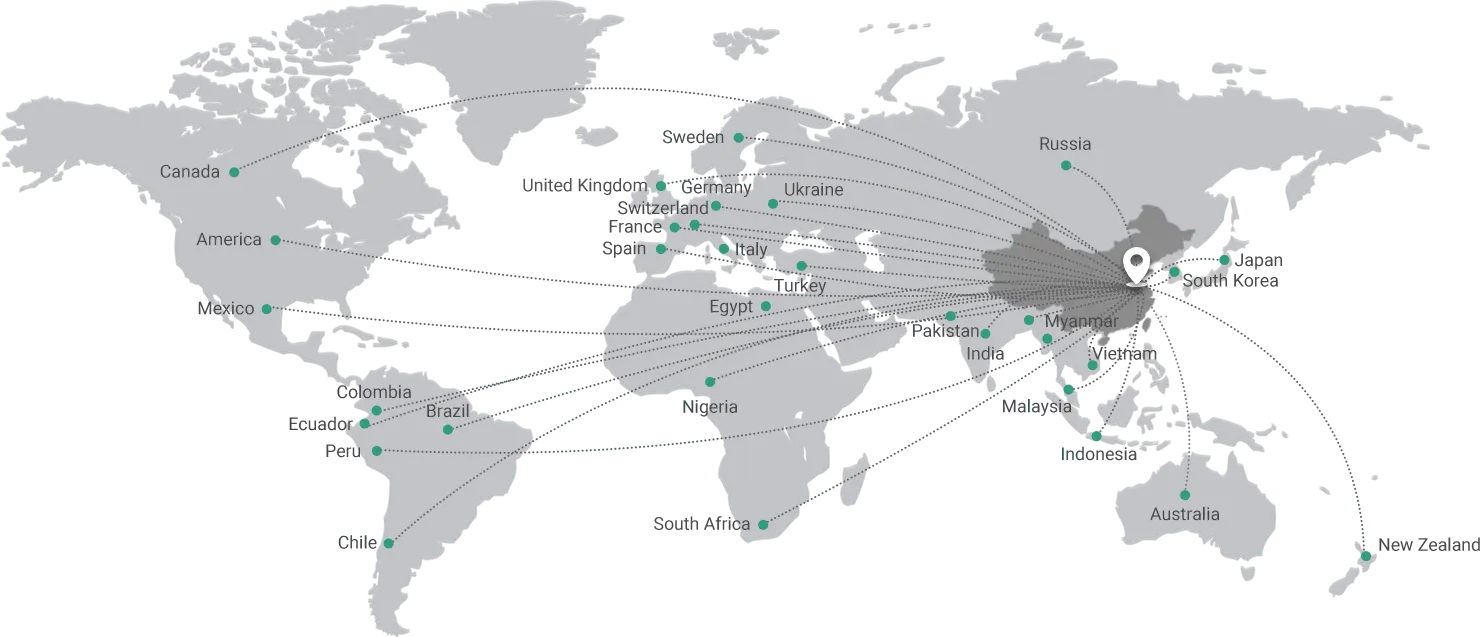
Our analytical and monitoring products are exported to over 40 countries and regions globally, supported by local service networks and regional representatives.
Explore our full range of gas telemetry and ambient monitoring systems, designed for hazardous environments and municipal safety monitoring.
Find quick answers regarding our products, certification compliance, regional shipping, and technical customization capabilities.
 Airppb