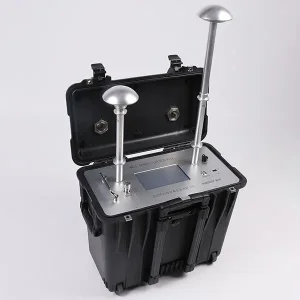
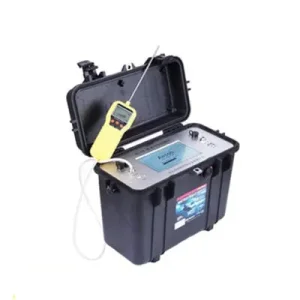
In an era of increasing nuclear energy reliance and complex industrial processes, the demand for Nuclear Gas Remote Sensing Instruments has reached an all-time high. Unlike traditional contact sensors that require physical proximity to hazardous leaks, modern remote sensing technology—specifically those utilizing Fourier Transform Infrared (FTIR) imaging—allows for the detection of radioactive or hazardous gases from distances of several kilometers.
The global market is shifting from localized "point detectors" to wide-area "imaging systems." This transition is driven by the need for rapid emergency response in nuclear power plants, chemical storage facilities, and border security checkpoints. As a leading manufacturer, we provide the critical infrastructure needed to visualize invisible threats in real-time.
The nuclear gas monitoring sector is undergoing a massive technological revolution.
Integration of AI allows for the automatic identification of gas species through spectral fingerprinting, reducing false alarms and increasing detection accuracy in complex environments.
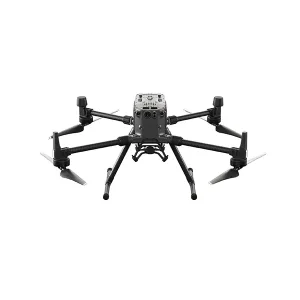
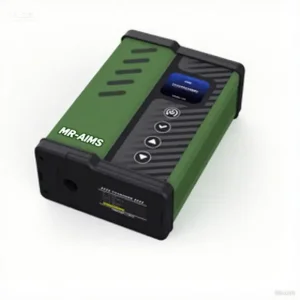
The shift from bulky stationary stations to portable handheld IMS identifiers and UAV-mounted sensors is enabling more flexible deployment in emergency zones.
Real-time data telemetry to centralized cloud platforms ensures that global experts can analyze data from a remote Middle Eastern facility instantaneously.
The Middle East is currently a global hub for energy diversification. With the development of the Barakah Nuclear Energy Plant in the UAE and ambitious nuclear projects in Saudi Arabia and Egypt, the requirement for high-precision remote sensing instruments has surged. The region's unique environmental challenges—extreme heat, sandstorms, and high salinity—demand instruments that are not only technologically advanced but also physically robust.
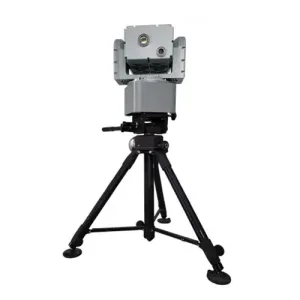
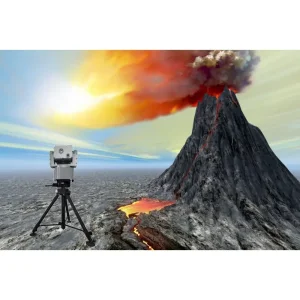
Our instruments, like the MR-ACT Gas Telemetry Imaging System, are specifically engineered to perform in these harsh conditions. They provide vital early warning systems for volcanic gas monitoring and industrial leaks in the petroleum and petrochemical sectors, which remain the backbone of the regional economy.
Since 2012, we have focused on Fourier infrared gas remote sensing imaging. Our R&D team holds numerous intellectual property rights, ensuring our tech stays at the global forefront.
Strict adherence to ISO9001, ISO14001, and ISO45001. Our products carry CPA, CCEP, and CNAS/CMA certifications, meeting the world's most stringent regulatory standards.
We provide tailored solutions for global brands. Whether it's custom gas libraries or ruggedized hardware for Middle East deserts, our factory is equipped to deliver.
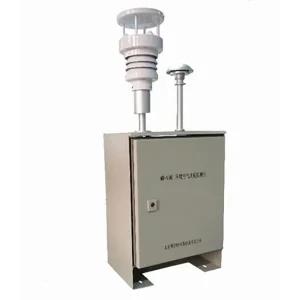
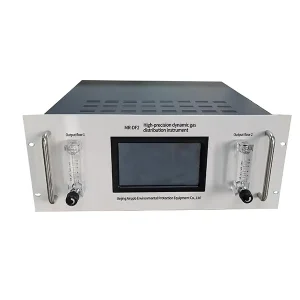
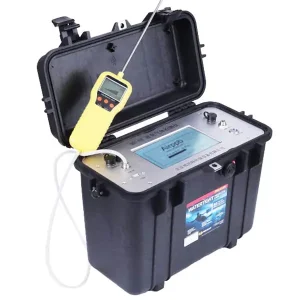
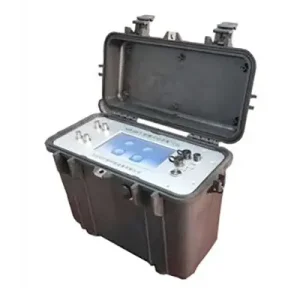
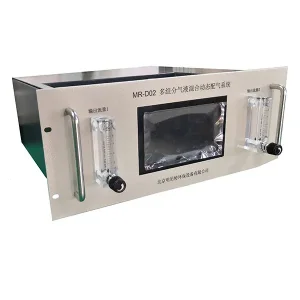
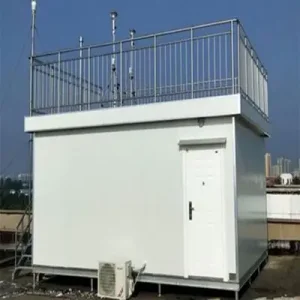
The group company was established in 2012 and is committed to the development and production of Fourier infrared gas remote sensing imaging early warning systems, ambient air quality monitors, high-precision dynamic gas distribution meters, multi-gas emergency detectors, ambient air analysis, detection and other related instruments and OEM /ODM various gas detectors.
The company has a number of intellectual property rights. Product quality strictly follows:
Our mission is to provide global industrial and nuclear sectors with the most reliable, precise, and innovative gas monitoring solutions available on the market today.
The procurement needs for global enterprises are evolving towards comprehensive, integrated safety ecosystems. Modern buyers in the Middle East and beyond are no longer looking for standalone sensors; they seek integrated solutions that include dynamic gas distribution for calibration, high-precision detectors for field work, and telemetry imaging for site-wide surveillance.
As we look toward 2030, the integration of 5G technology will allow our Nuclear Gas Remote Sensing Instruments to provide even lower latency alerts, creating a truly "smart" industrial environment. Our commitment to innovation ensures that our brand remains synonymous with safety, reliability, and technical excellence in the Middle East and the global market.
 Airppb