The global petrochemical industry is facing unprecedented safety challenges as production scales expand into more complex chemical processes. Flammable and toxic gas detection has evolved from a regulatory requirement to a core component of digital twin systems and smart factory initiatives. Globally, the market is shifting towards wireless, IoT-integrated sensors that provide real-time data to centralized command centers.
Driven by strict environmental regulations (like the European Green Deal and US EPA standards), the demand for high-precision instruments is surging. The integration of Fourier Transform Infrared (FTIR) and Ion Mobility Spectrometry (IMS) is now the benchmark for detecting low-concentration toxic leaks that traditional electrochemical sensors might miss.
Gases Detectable
Response Time
Telemetry Range
Monitoring
In the Middle East, the petrochemical industry operates under extreme environmental conditions. High temperatures exceeding 50°C, high humidity in coastal refineries, and abrasive sandstorms require gas detection hardware with exceptional thermal stability and IP68-rated durability.
Key application areas include:
What determines a brand's rank in the GCC region?
Our group company, established in 2012, represents the pinnacle of Chinese high-tech manufacturing. We don't just assemble; we innovate. From Fourier infrared gas remote sensing to high-precision dynamic gas distribution, our R&D team provides bespoke solutions for the world's most demanding petrochemical giants.
Our operations are built on a foundation of Trust. We strictly follow ISO9001, ISO14001, and ISO45001. Our products carry CPA, CCEP, and CNAS/CMA test reports, ensuring that every multi-gas detector and imaging system meets international safety benchmarks.
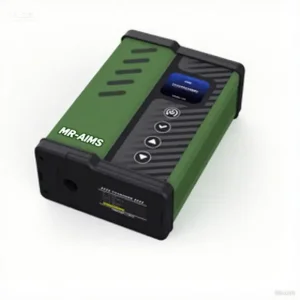
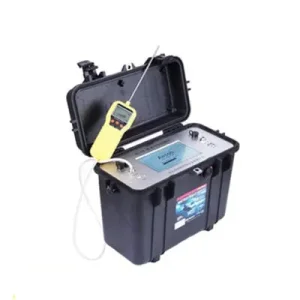
By choosing our Chinese-manufactured instruments, global procurement officers benefit from the "Speed of China"—rapid prototyping and massive scalability—combined with aerospace-grade precision. Our instruments, such as the MR-AIMS Handheld Gas Identifier, utilize advanced Ion Mobility Spectrometry, traditionally reserved for military use, now optimized for industrial leak detection.
The petrochemical sector is inherently volatile. Flammable gases such as Methane (CH4), Propane, and Hydrogen (H2) represent explosive risks, while toxic gases like Hydrogen Sulfide (H2S), Carbon Monoxide (CO), and Ammonia (NH3) pose immediate health threats. Modern detection rankings now prioritize "Intelligent Sensing."
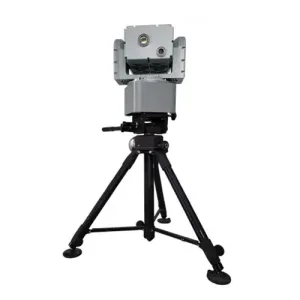
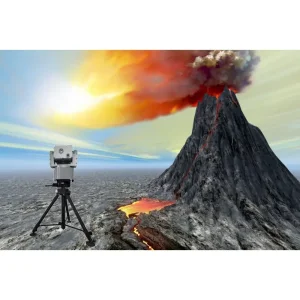
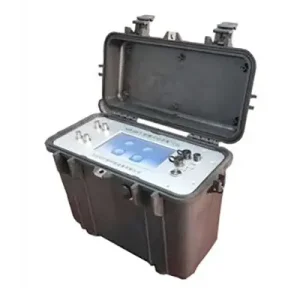
FTIR Remote Sensing: Our MR-FAT series utilizes Fourier Transform Infrared technology, allowing for the simultaneous identification of hundreds of gas species in a single scan. This is critical for emergency response where the identity of a leaking gas is unknown.
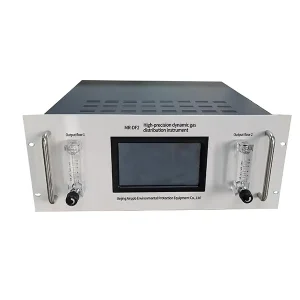
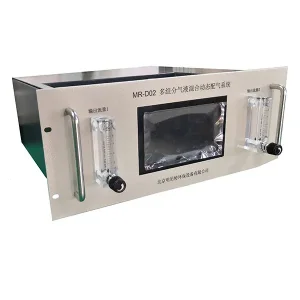
Dynamic Gas Distribution: Precision in the field starts with precision in the lab. The MR-DF2 and MR-DF3 series provide high-accuracy calibration standards, essential for maintaining the integrity of a refinery’s sensor network. This ensures that when an alarm sounds, it is a valid warning, not a false positive.
Odor Gas Identification: The military-grade MR-AX series can differentiate between complex odor profiles, a technology increasingly used in environmental monitoring to trace factory emissions back to their source, ensuring corporate social responsibility and legal compliance.
The group company was established in 2012 and is committed to the development and production of Fourier infrared gas remote sensing imaging early warning systems, ambient air quality monitors, high-precision dynamic gas distribution meters, multi-gas emergency detectors, ambient air analysis, detection and other related instruments and OEM /ODM various gas detectors; the company has a number of intellectual property rights. Product quality strictly follows ISO9001QUALITY MANAGEMENT SYSTEM CERTIFICATE, ISO140001CERTIFICATE OF ENVIRONMENT MANAGEMENT SYSTEM CERTIFICATION, ISO45001CERTIFICATEOF OCCUPATIONAL HEALTH ANDSAFETY MANAGEMENT SYSTEM CERTIFICATION. Comply with product certifications from relevant national departments, such as CPA, CCEP, CNAS/CMA test reports, etc.
 Airppb