The global petrochemical industry is undergoing a paradigm shift towards "Zero-Leak" safety protocols. With the increasing complexity of chemical processes and the expansion of refineries into extreme environments (such as the Arctic or the high-heat regions of the Middle East), the demand for Emergency Petrochemical Toxic Gas Detection systems has reached an all-time high. Modern industrial safety is no longer just about detecting a leak after it happens; it is about predictive analytics and remote sensing technology.
Industry experts estimate that the toxic gas detection market will grow at a CAGR of 6.8% through 2030, driven by stringent environmental regulations and the integration of the Industrial Internet of Things (IIoT). Today, global enterprises are seeking solutions that offer 24/7 autonomous monitoring with cloud-based reporting, reducing the risk to human personnel in hazardous zones.
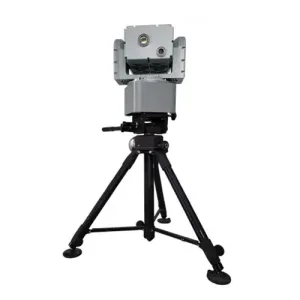
Technological advancement has transitioned from simple catalytic sensors to Fourier Transform Infrared (FTIR) and Ion Mobility Spectrometry (IMS). These systems allow for remote "imaging" of gas clouds miles away.
Governments in the EU and North America are mandating lower fugitive emissions. Gas detectors now serve a dual purpose: occupational safety and environmental compliance (CCEP/CPA standards).
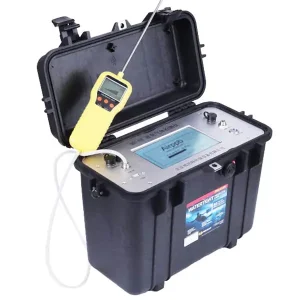
Explosion-proof ratings and the ability to operate in temperatures ranging from -40°C to +70°C are now standard requirements for top-ranking detection brands.
Years of Expertise
Countries Served
Patents & Certs
Emergency Response
Middle East Oil Fields: Sand-proof and heat-resistant fixed gas stations for upstream production.
Russia / Northern Europe: Cold-start capabilities for monitoring refineries in sub-zero winters.
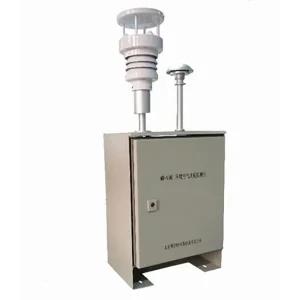
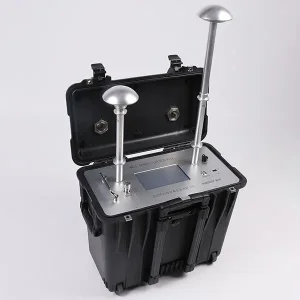
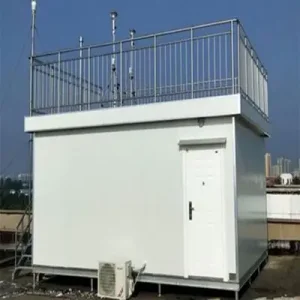
Industrial Parks in Asia: High-density mesh networks of air quality monitors (MR-A series) for cross-boundary pollution tracking.
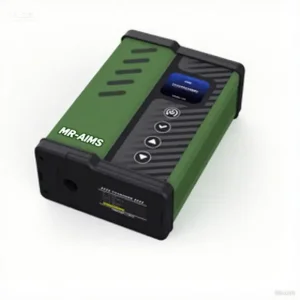
Military & Defense: IMS chemical identifiers for rapid identification of unknown toxic agents in emergency scenarios.
Our facility utilizes Industry 4.0 automation, ensuring every gas detector meets rigorous repeatability standards. We combine cost-efficiency with high-end electronic components.
We provide full-spectrum customization—from branding and software interfaces to sensor array modifications—allowing local brands to rank higher in their regional markets.
Since 2012, we have focused on Fourier infrared gas remote sensing. Our team of engineers holds intellectual property rights that compete with the best in Germany and the USA.
Established in 2012, our group company has spent over a decade at the forefront of the gas detection industry. Our expertise spans across multiple critical domains, including the development and production of Fourier infrared gas remote sensing imaging early warning systems, ambient air quality monitors, and high-precision dynamic gas distribution meters. This depth of experience allows us to provide not just equipment, but comprehensive safety solutions for the most dangerous environments on earth.
Our authoritativeness is backed by a robust portfolio of intellectual property rights and certifications. We are not just a manufacturer; we are a technological pioneer. By complying with product certifications from relevant national and international departments—such as CPA (Pattern Approval Certificate of the Measuring Instruments), CCEP, and CNAS/CMA—we ensure that our clients receive instruments that are legally compliant and technically superior.
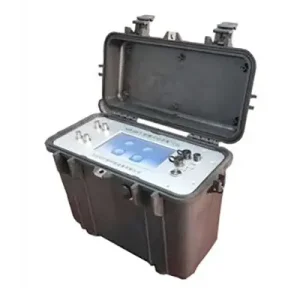
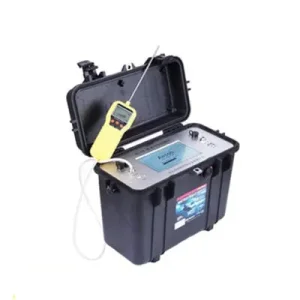
Reliability and trust are the cornerstones of our brand. The petrochemical industry cannot afford failure. Whether it is our MR-AIMS Handheld IMS Chemical Identifier used for rapid field assessment or our MR-FAT Fourier Transform Infrared Telemeter for long-distance monitoring, each product undergoes rigorous stress testing. Our role as an OEM/ODM partner for various global gas detector brands further proves our reliability in the global supply chain.
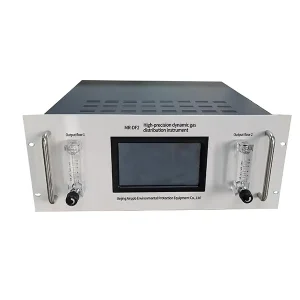
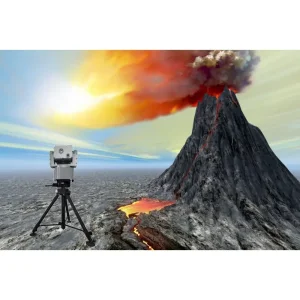
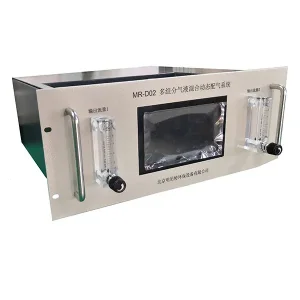
The technical specifications of our MR-series detectors are designed for real-world emergency scenarios. High-precision dynamic gas distribution instruments (MR-DF2/DF3) are essential for calibrating sensors in the field, ensuring that "Ranking" isn't just a label, but a reflection of actual performance. We continue to innovate in the military and environmental protection sectors, ensuring our detectors can identify everything from volcanic gases to odor-causing molecules in military applications.
 Airppb