Phosgene (COCl₂), a highly toxic industrial gas, is a fundamental building block in the production of plastics, pesticides, and pharmaceuticals. However, its colorless nature and "musty hay" odor—which is often only detectable at levels above safety thresholds—make it a silent killer in the workplace. As a leading Emergency Phosgene Detector Manufacturer, we recognize that detection is not just a regulatory requirement; it is a life-saving necessity.
In emergency scenarios, such as a pipeline rupture or a storage tank leak, the delay in symptoms (which can take up to 48 hours to manifest as pulmonary edema) means that real-time, high-sensitivity monitoring is the only way to ensure personnel safety. Our systems are engineered to provide instantaneous alerts, allowing for immediate evacuation and mitigation.
Detection Sensitivity
Response Time
The global phosgene market is expanding, driven by the demand for Polyurethanes and Polycarbonates. This growth brings significant geographical shifts in procurement needs:
Focus is on stringent environmental compliance and "Zero Leak" policies. Procurement often demands integration with enterprise-wide IoT safety networks and Fourier Transform Infrared (FTIR) remote sensing technology.
As the "World's Factory," regions like China, India, and Southeast Asia are seeing a surge in chemical complex constructions. The demand here is for high-reliability, cost-effective IMS (Ion Mobility Spectrometry) detectors that can withstand tropical humidity and industrial heat.
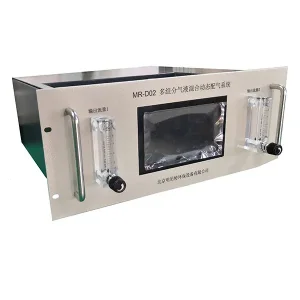
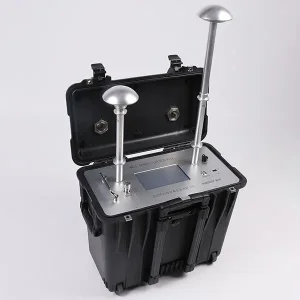
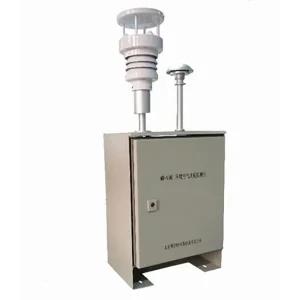
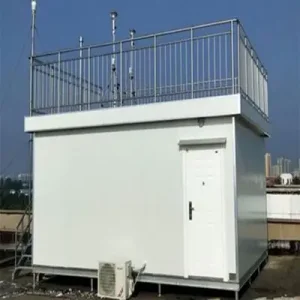
In the Middle East, phosgene detection is often integrated into larger petrochemical air quality monitoring stations. Our MR-ACT Remote Monitoring Systems are specifically designed for these high-stake environments.
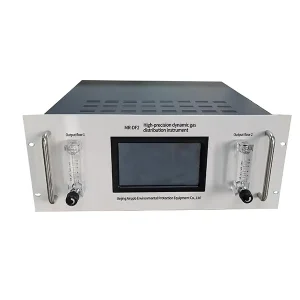
Established in 2012, our group has spent over a decade perfecting the art of gas sensing. Our expertise is rooted in Fourier Infrared Gas Remote Sensing and High-Precision Dynamic Gas Distribution. We don't just assemble parts; we innovate at the molecular level.
Our commitment to quality is validated by a comprehensive suite of international and national certifications:
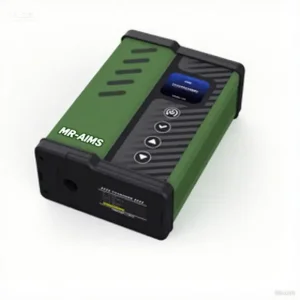
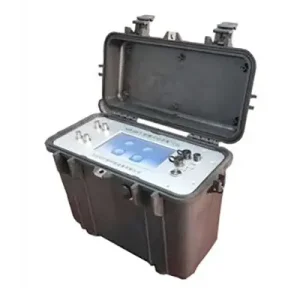
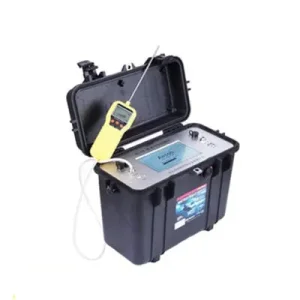
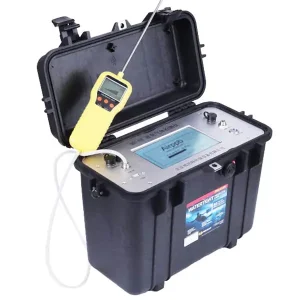
Phosgene's history as a chemical warfare agent necessitates its detection in military defense and counter-terrorism. Our MR-AIMS handheld units provide rapid identification in the field.
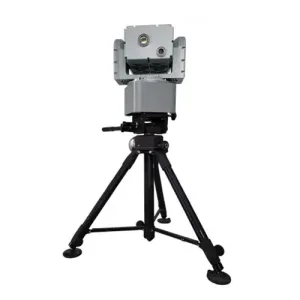
Inside MDI and TDI production plants, our fixed FTIR Telemeters provide a 24/7 scanning "fence" to detect leaks long before they reach dangerous concentrations.
Hazardous material (HAZMAT) teams use our portable dynamic gas meters to delineate hot zones and ensure the safety of first responders during spill cleanups.
Research facilities dealing with acylation reactions require localized, high-precision monitoring to protect researchers from accidental exposure.
Choosing us as your Emergency Phosgene Detector Manufacturer means leveraging the unique advantages of China's advanced industrial ecosystem:
From PCB design to infrared sensor calibration, we control the entire supply chain, ensuring consistent quality and rapid lead times that Western counterparts often struggle to match.
Our team of engineers can provide OEM/ODM customizations for specific industrial gases in weeks, not months. We adapt to your local language, UI requirements, and communication protocols (RS485, 4-20mA, LoRaWAN).
Located in a major industrial hub, we have established logistics paths to the Middle East, Russia, Europe, and Southeast Asia, ensuring your safety equipment arrives safely and on time.
As we look toward 2030, the "Smart Factory" and "Industry 4.0" are redefining safety standards. Our R&D is currently focused on:
Utilizing machine learning to filter out false positives caused by cross-sensitivity to other industrial chemicals, ensuring that alarms only sound when there is a real threat.
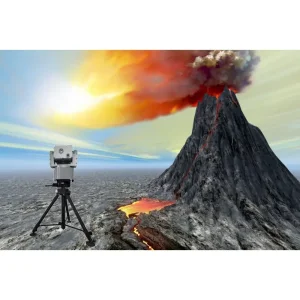
Our next generation of MR-ACT systems will visualize gas clouds in real-time, allowing operators to see the size, direction, and concentration of a phosgene leak on a video screen.
 Airppb