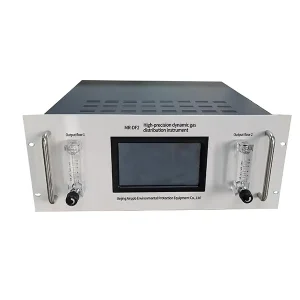
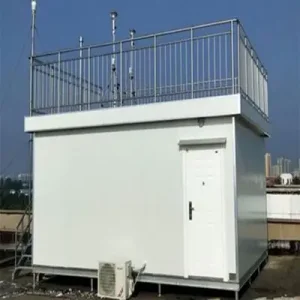
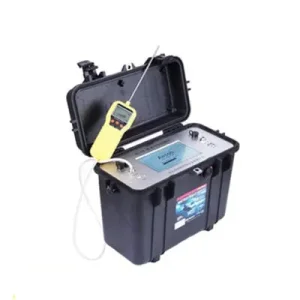
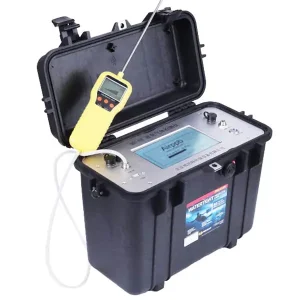
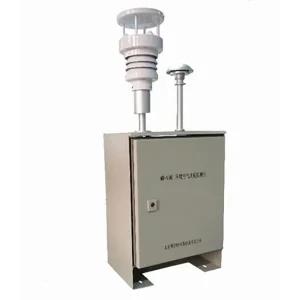
Engineered to survive the harshest industrial climates while meeting uncompromising international, regional, and national safety profiles. Select from our core analytical hardware array.
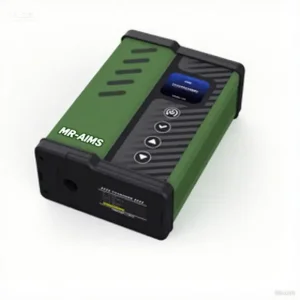

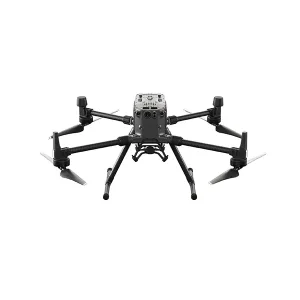
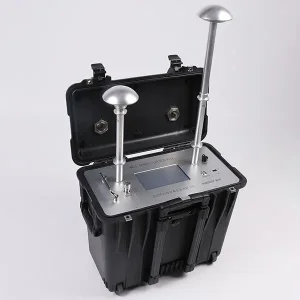
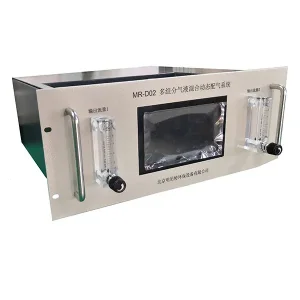
The GCC region is moving swiftly from simple concentration caps to dynamic, continuous monitoring systems. Ambient emission tracking is dictated by strict regional frameworks such as Saudi Arabia's NCEC (National Center for Environmental Compliance) directives, UAE's federal air quality targets under Net Zero 2050, and Kuwait's EPA guidelines.
Regulatory bodies no longer accept manual grab-sampling. Continuous automated emissions telemetry, like that provided by our Fourier Transform Infrared Telemeters, is now the legal benchmark for large-scale energy processors.
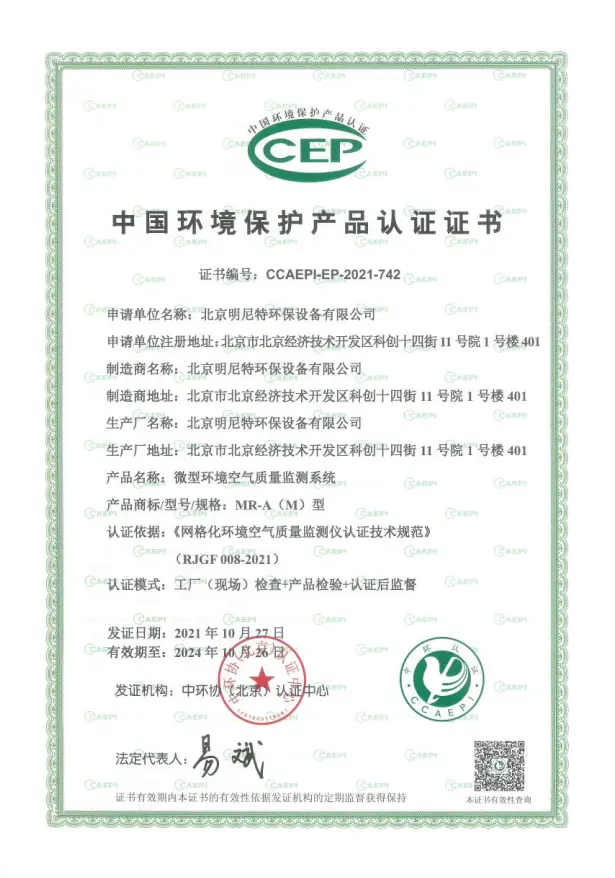
To supply regional conglomerates like Saudi Aramco, ADNOC, and SABIC, manufacturers must deliver instruments that are globally recognized. Compliance requires alignment with international certification systems including CPA, CCEP, CNAS, and ISO.
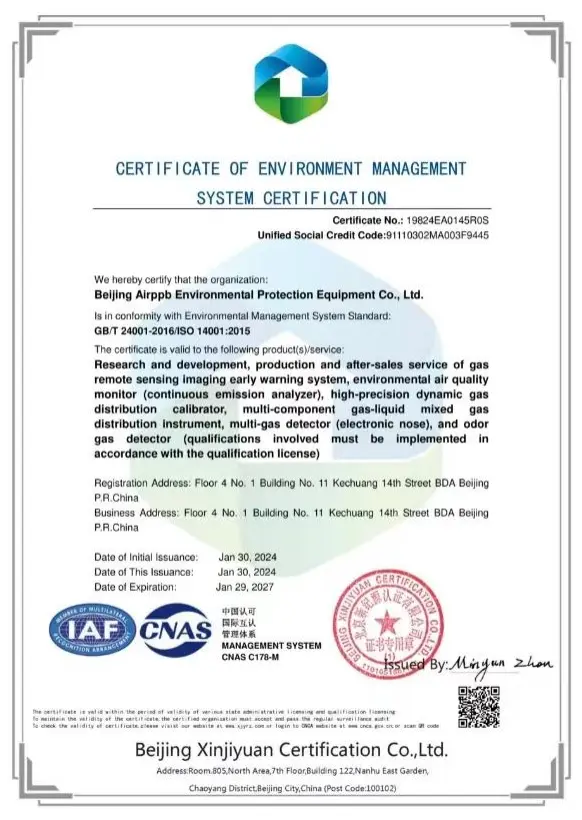
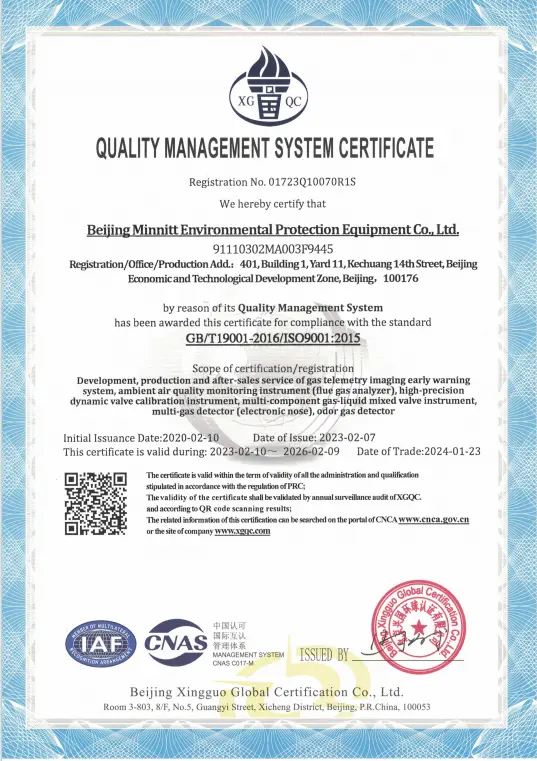
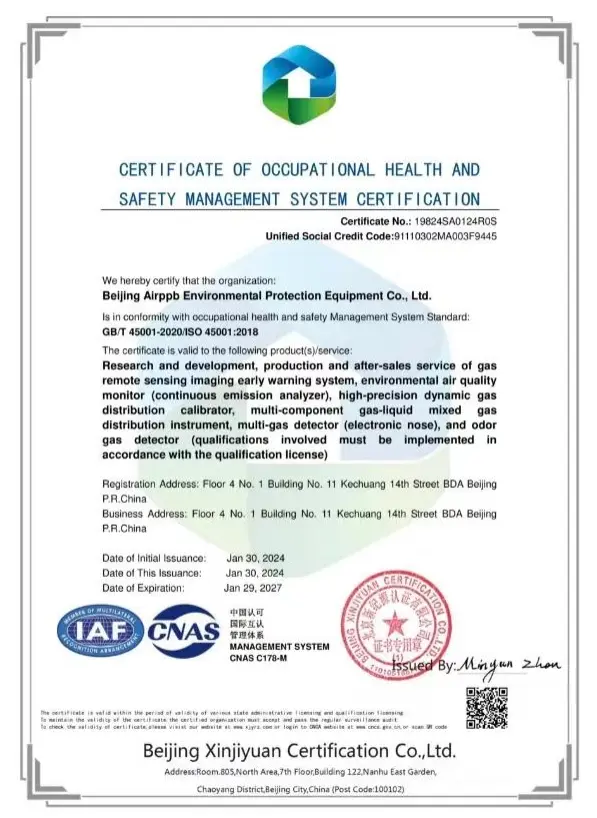
Our manufacturing processes conform rigorously to ISO 9001 for quality control, ISO 14001 for environmental systems, and ISO 45001 for safety, guaranteeing that our hardware maintains operational integrity under intense desert conditions.
Modern regulatory compliance focuses heavily on dynamic warning capability rather than post-incident analysis. Real-time telemetry, trace chemical identifiers, and mobile optical remote systems allow plant managers to capture fugitive emissions at the ppb level before they breach local boundaries.
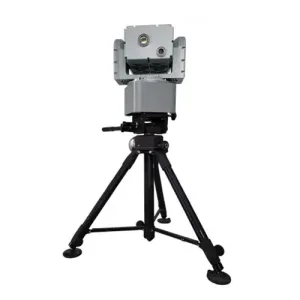
This proactive paradigm integrates AI analytics with optical imaging, enabling remote gas telemetry imaging systems to pinpoint exact coordinates of gas clouds up to several kilometers away.
For global procurement heads, source evaluation is no longer just about standard hardware unit cost; it is about mitigating operational downtime under severe climate stresses.
In the Middle East, ambient temperatures can soar to 50°C+, and high-salinity air coupled with sandstorms can quickly corrode sensitive optical and electrochemical interfaces.
Critical Procurement Criteria Include:
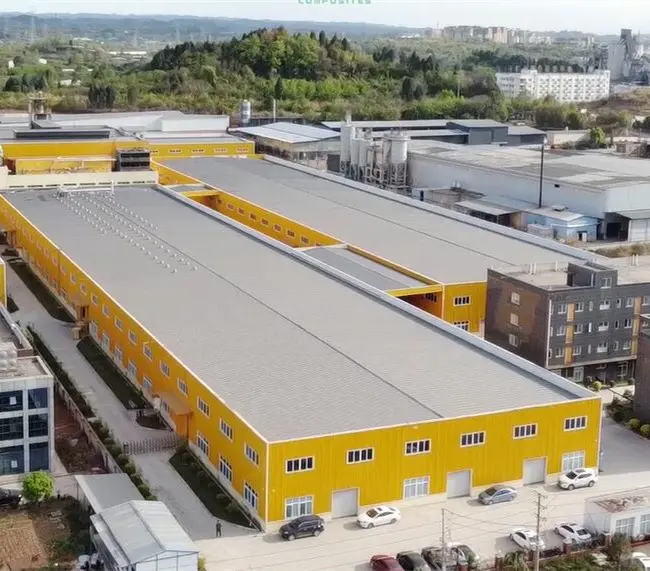
Our systems are engineered to integrate directly into existing SCADA platforms, providing real-time data flow for industrial zones, civil defense, and environmental agencies.
By utilizing Fourier Transform Infrared (FTIR) telemetry alongside Ion Mobility Spectrometry (IMS), we deliver custom monitoring arrays tailored for major refinery boundaries.
These configurations allow regional teams to rapidly detect hazardous leaks, map concentration profiles, and initiate emergency shutdown processes automatically. Our solutions are designed to simplify compliance processes and optimize operational workflows.

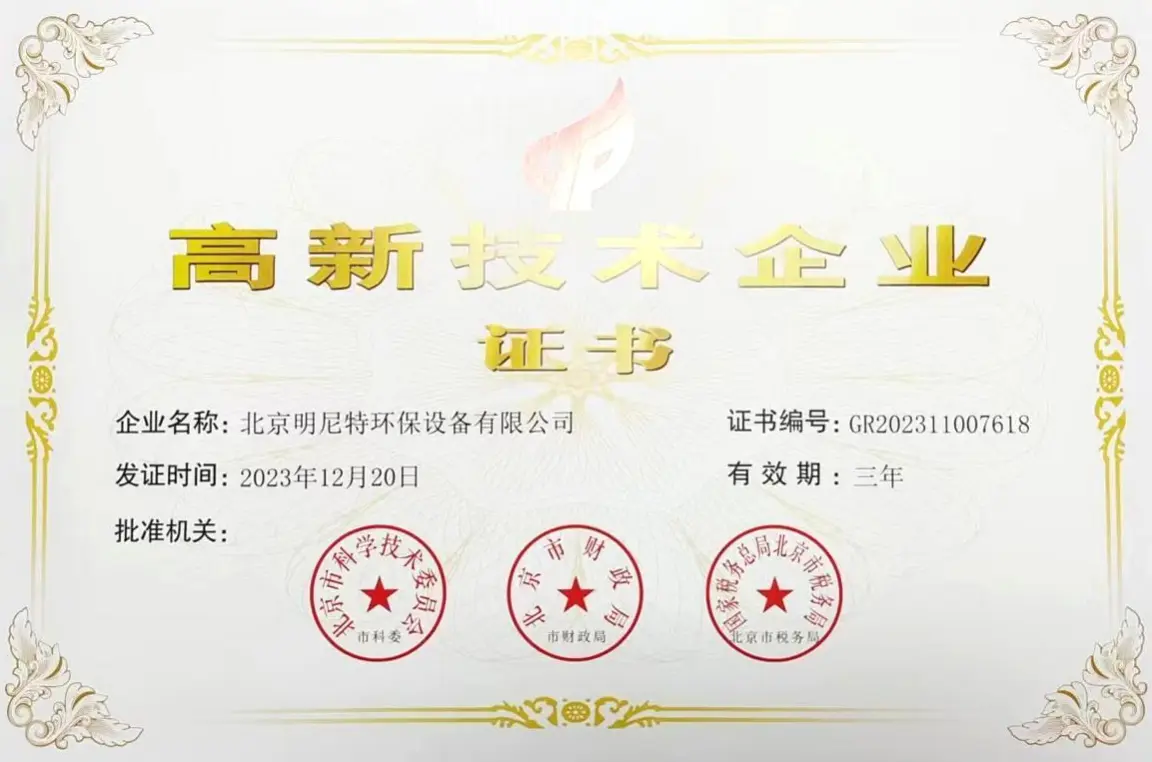
Minnit (Airppb) is a national high-tech enterprise dedicated to the research, development, and industrialized innovative application of precision gas detection instruments. The company leverages continuous technological innovation to enable on-site, automated, and intelligent gas analysis and monitoring, working toward the goal of becoming a leading global manufacturer of scientific instruments.
We have developed a comprehensive suite of gas analysis and detection technologies spanning electrochemistry, photoionization detection (PID), and spectroscopy.
Our diverse portfolio includes laboratory analyzers, on-site portable instruments, real-time online monitors, and mobile tracking platforms, providing reliable solutions across industrial safety, ecological defense, and emergency response sectors.
Established in 2012, our group company specializes in manufacturing advanced Fourier infrared gas remote sensing imaging early warning systems, ambient air quality monitors, high-precision dynamic gas distribution meters, and multi-gas emergency detectors. We maintain a robust portfolio of intellectual property, with product quality supported by ISO9001 Quality Management System, ISO14001 Environmental Management System, and ISO45001 Occupational Health and Safety Management System certifications. Our systems hold test reports from authorized national departments, including CPA, CCEP, and CNAS/CMA.

We offer custom OEM/ODM solutions to help global partners and regional distributors build, position, and promote their local brands effectively.
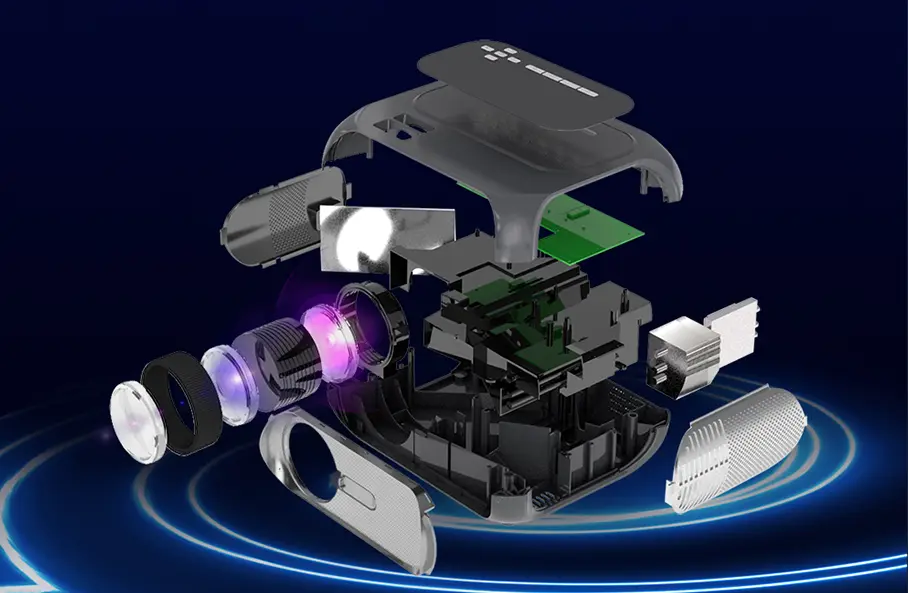
R&D personnel account for 60% of our entire workforce, driving continuous innovation in gas optics, PID, and electrochemical analysis.

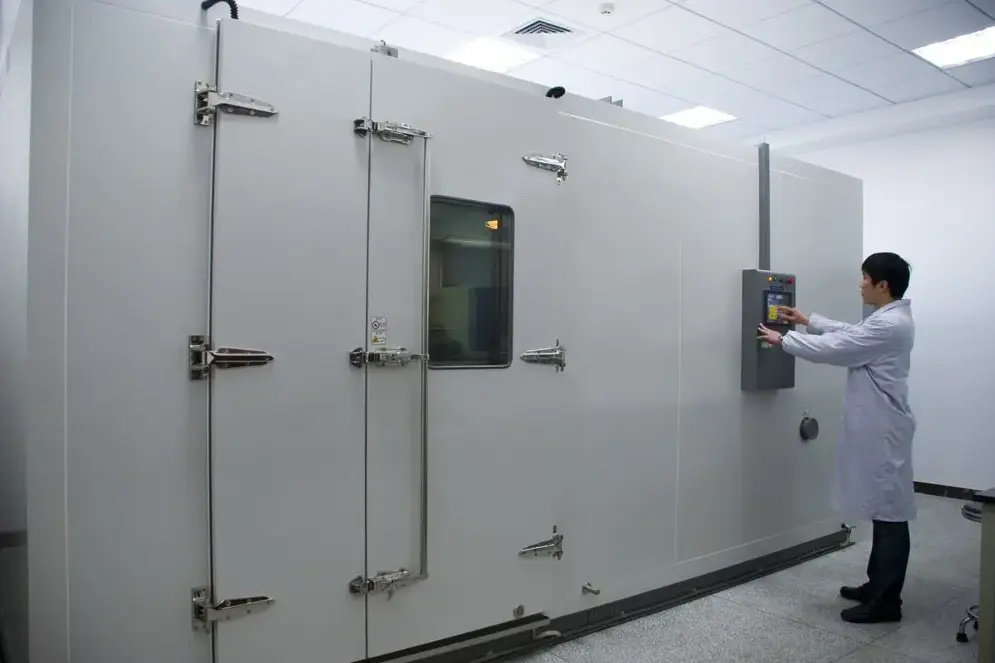
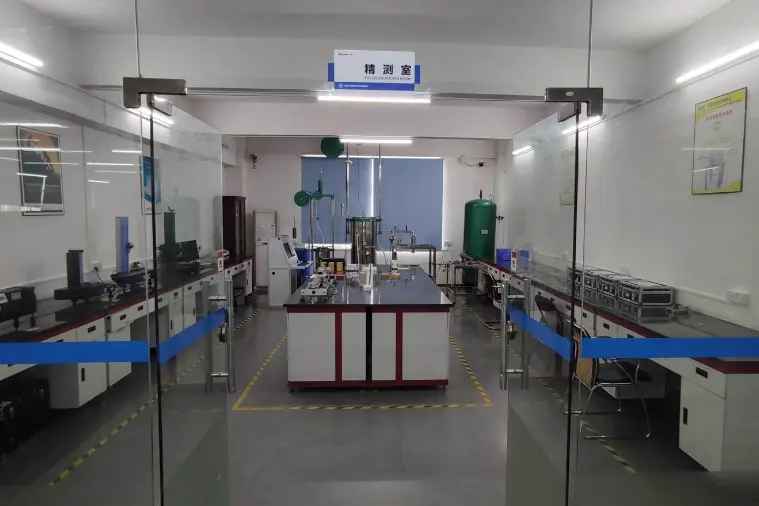
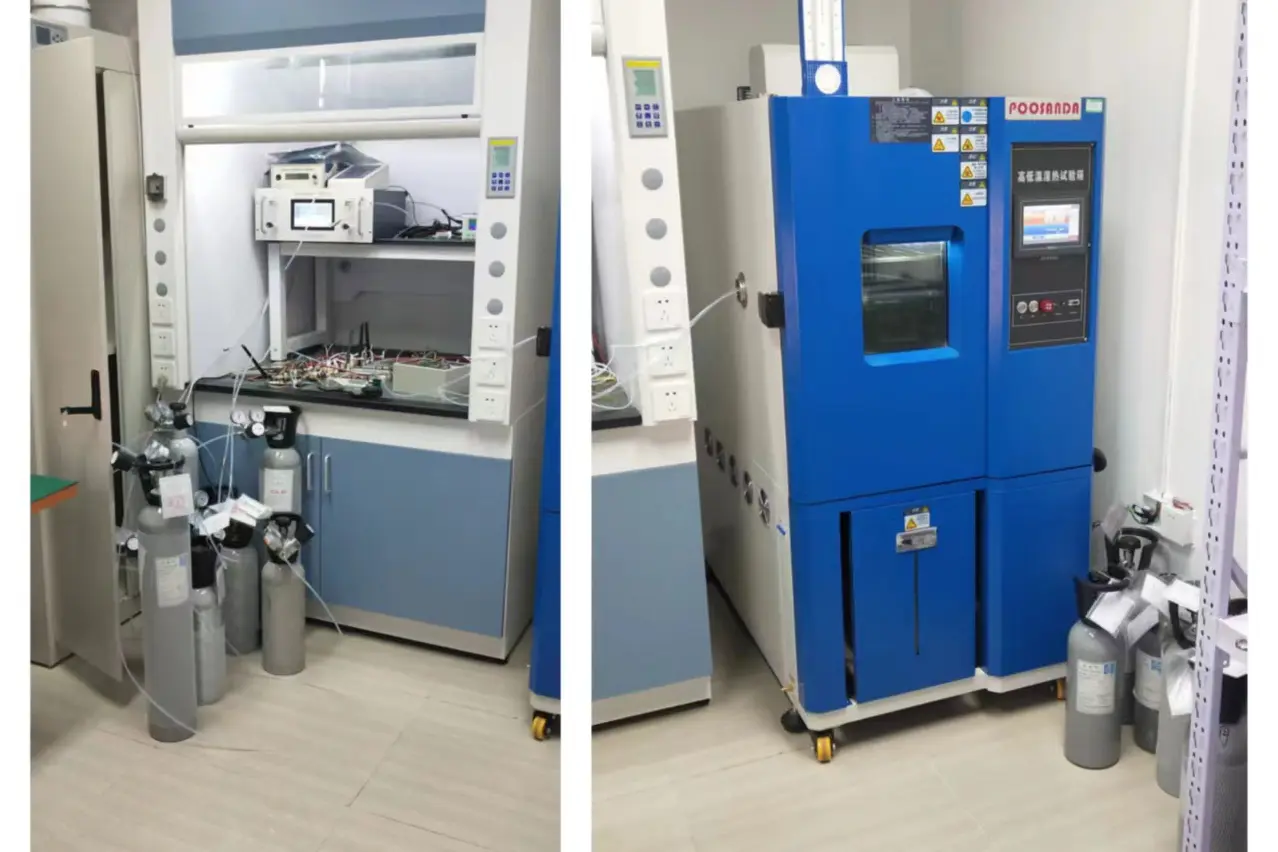
Each unit undergoes thermal cycles, sand simulation chambers, and multi-point calibration protocols to verify structural and analytical durability.

Our technical support team is trained to assist procurement managers and site engineers with integration challenges and compliance documentation.
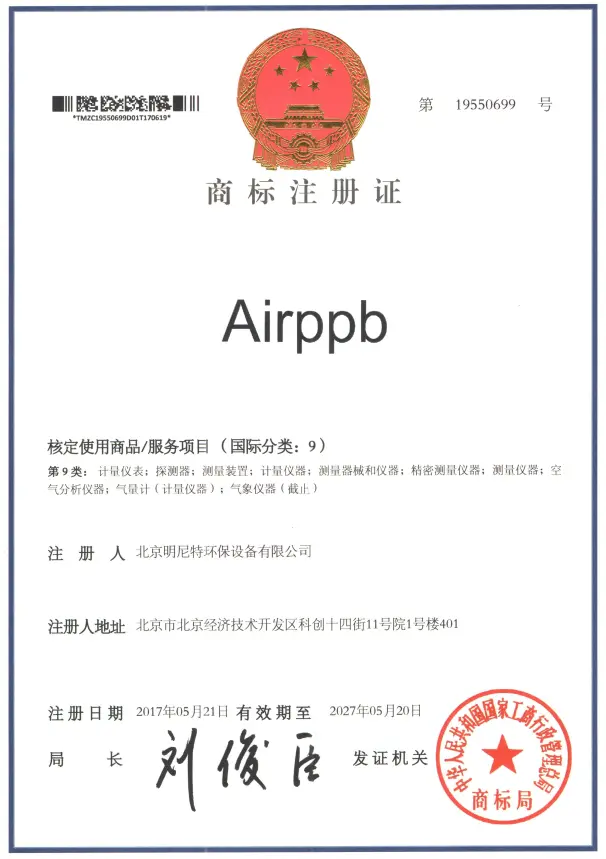
Our compliance with international manufacturing and environmental monitoring safety standards is verified by certifications from leading regulatory bodies.

As remote monitoring protocols evolve, our R&D initiatives focus on three primary pillars of smart sensor and telemetry development.
Optimizing spectral resolution to detect overlapping trace gases, allowing for robust target identification even in environments with high particulate interference.
Integrating our high-precision dynamic gas distribution technology directly into remote monitoring stations to enable automatic self-verification and reduce manual maintenance needs.
Deploying low-latency communication modules designed for direct compatibility with national environmental databases and cloud telemetry systems.
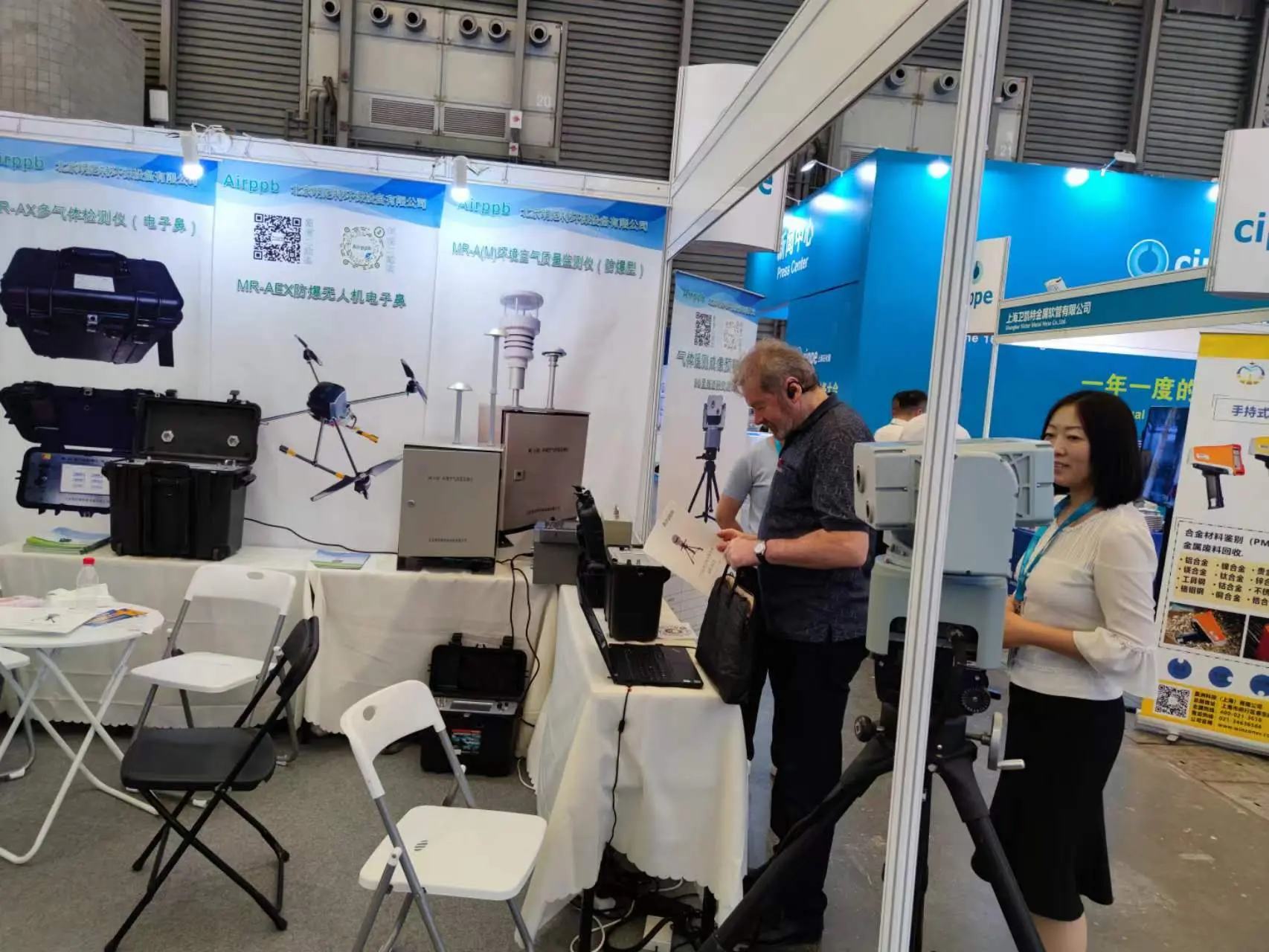
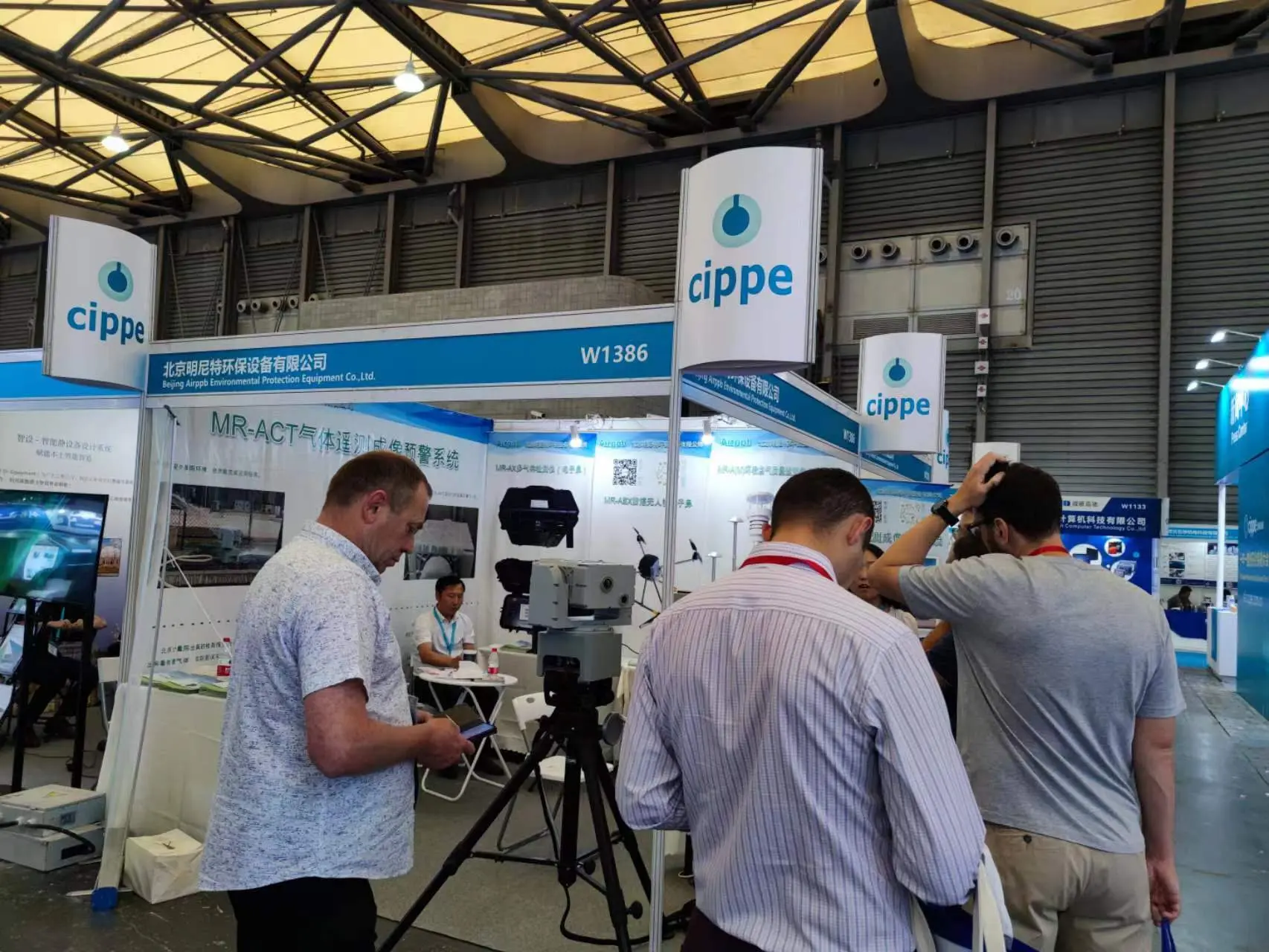
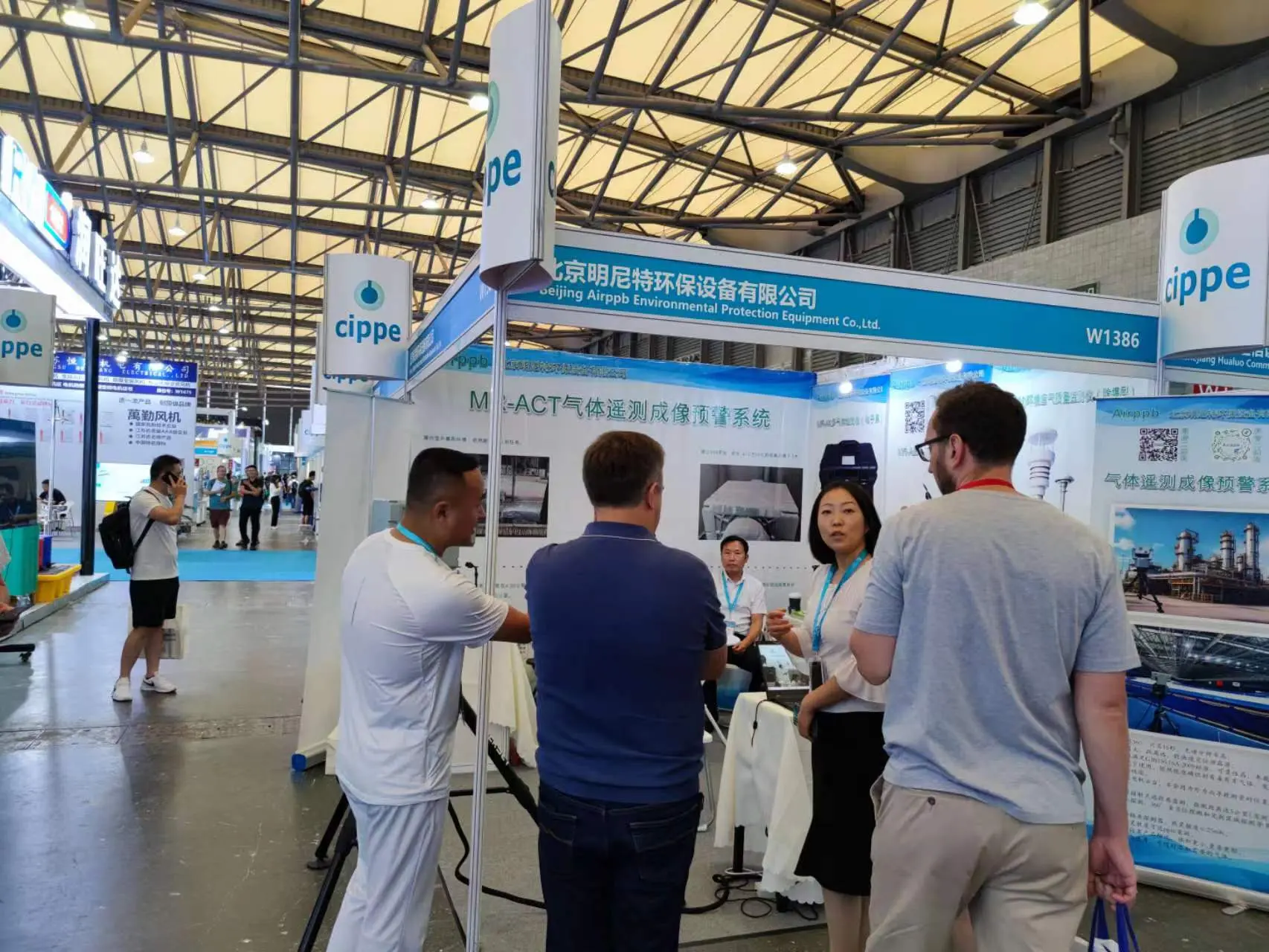
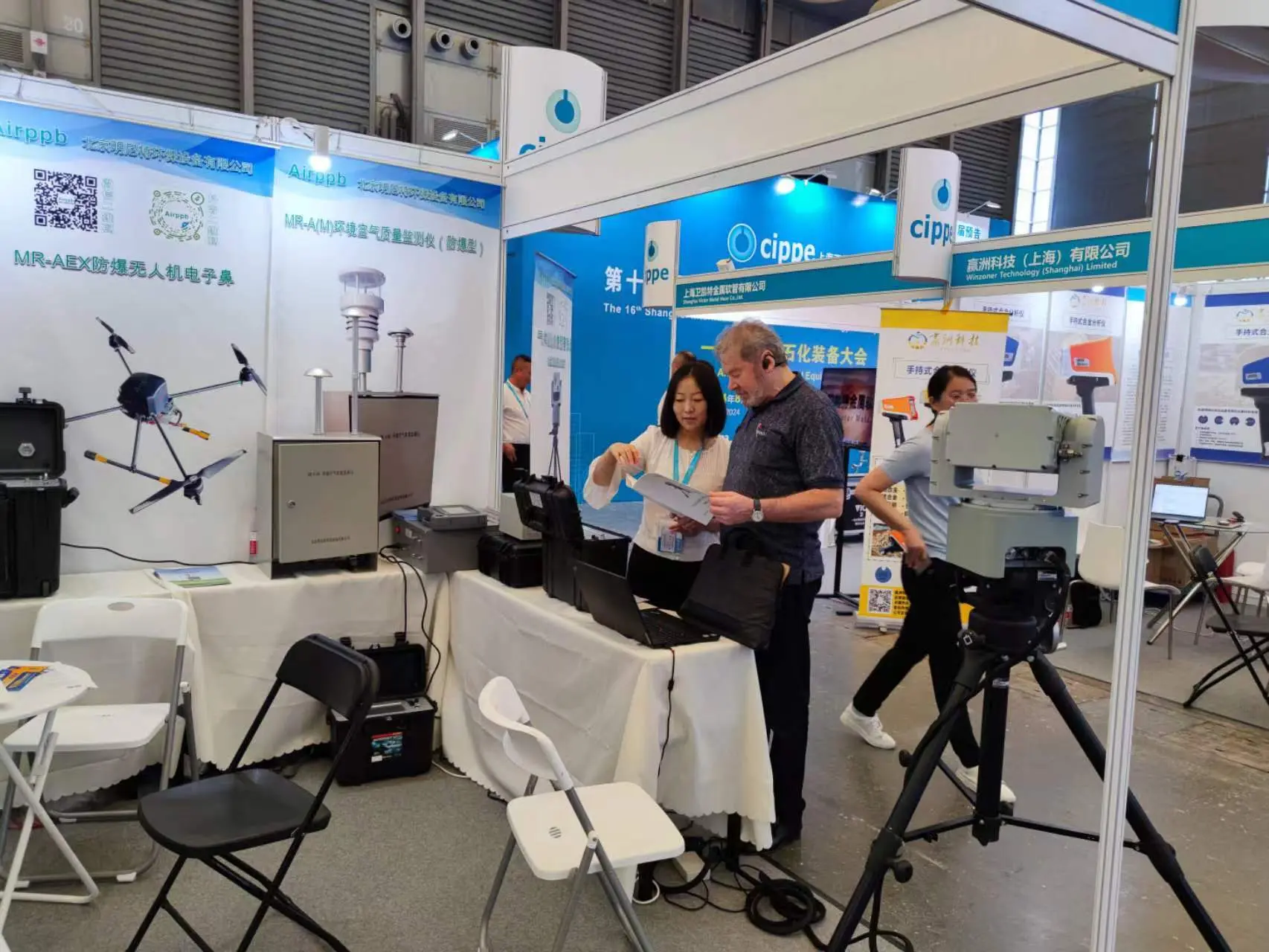
We regularly demonstrate our advanced technologies at international exhibitions, establishing technical exchanges with industry experts and global procurement partners.

Review answers to key technical and compliance questions related to our gas monitoring and remote sensing systems.
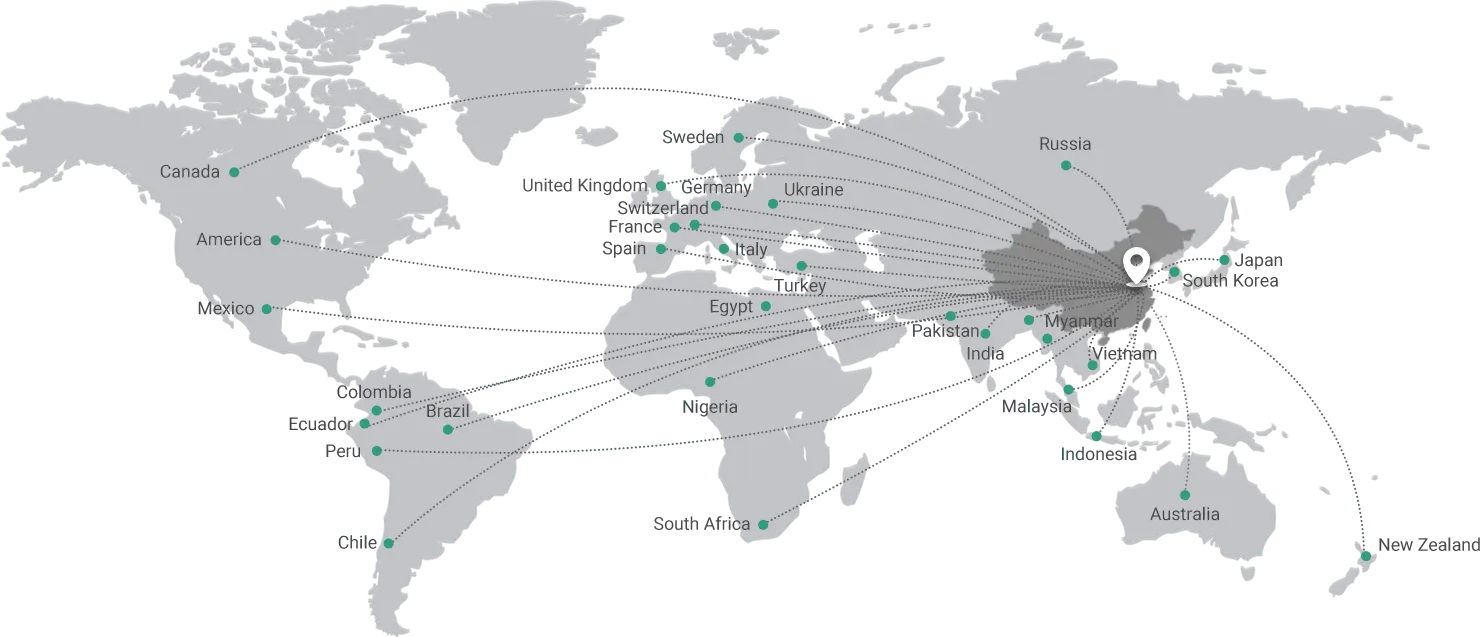
Our analytical systems are deployed in over 40 countries, providing support for industrial and environmental compliance projects worldwide.
Connect with our technical division to discuss custom configurations, certification requirements, or OEM integrations designed to meet specific regulatory frameworks.
 Airppb