Spectral analysis of hazardous chemicals in long-range air represents the pinnacle of optical physics and chemical engineering. As the global landscape faces increasing industrial risks and security threats, the ability to identify toxic gases from several kilometers away without direct contact is no longer a luxury—it is a critical necessity. Our systems leverage Fourier Transform Infrared (FTIR) Spectroscopy, a technique that provides a "chemical fingerprint" of the atmosphere, allowing for the simultaneous detection of hundreds of volatile organic compounds (VOCs), toxic industrial chemicals (TICs), and chemical warfare agents (CWAs).
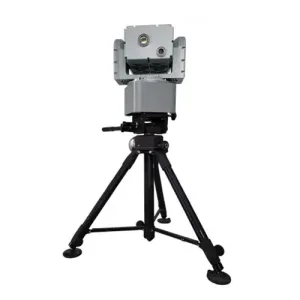
The "Military" designation of our technology signifies a level of robustness and precision that exceeds commercial standards. Whether it's for battlefield reconnaissance, border security, or large-scale industrial leak prevention, our spectral analysis systems provide real-time, actionable data with hyperspectral imaging capabilities that visualize invisible gas clouds in the infrared spectrum.
Sub-nanometer precision in identifying chemical bonds, ensuring zero false alarms in complex urban or industrial environments.
Monitor gas plumes up to 5-10 kilometers away, providing essential early warning time for evacuation and response teams.
Instant imaging of gas clouds, showing concentration, movement direction, and leakage source points on high-definition displays.
The global market for spectral analysis in hazardous chemical detection is undergoing a massive transformation. Historically, gas detection relied on localized sensors. However, the Commercial & Industrial Current Status shows a shift toward "Area Monitoring" and "Remote Telemetry."
Current rankings in the industry are determined by three factors: Detection Distance, Library Breadth (number of detectable gases), and Imaging Speed. Our brand consistently ranks at the top due to our proprietary algorithms that filter out atmospheric interference (water vapor, CO2) to reveal trace chemical signatures.
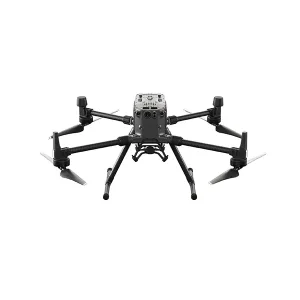
The future of spectral analysis is being driven by Artificial Intelligence (AI). Modern systems no longer just display data; they interpret it. AI algorithms can now predict gas plume dispersion patterns based on local meteorological data, providing 3D models of potential contamination zones. Miniaturization is another key trend—moving from bulky tripod-mounted units to drone-compatible spectral payloads for rapid deployment in hard-to-reach areas.
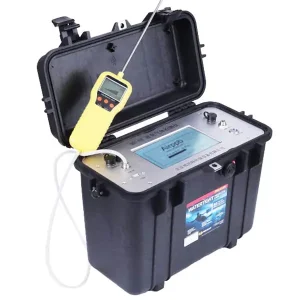
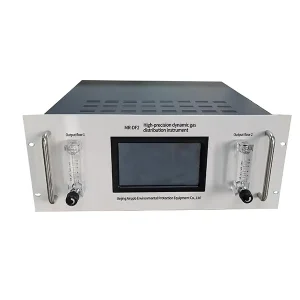
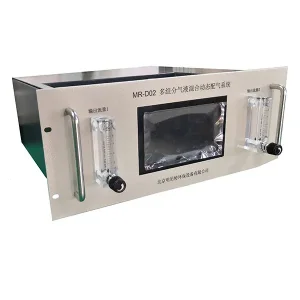
Global Fortune 500 chemical enterprises require high-precision gas distribution meters for calibration and remote imaging for 24/7 safety monitoring.
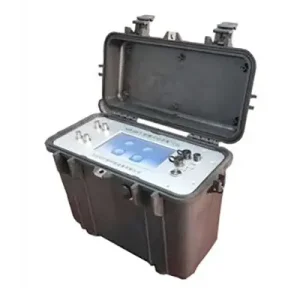
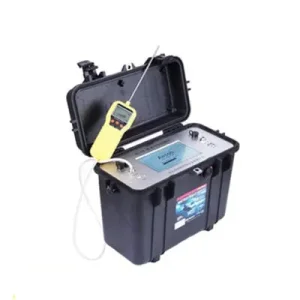
Fire departments and HAZMAT teams need portable, handheld IMS (Ion Mobility Spectrometry) identifiers to quickly classify unknown liquids and gases at accident sites.
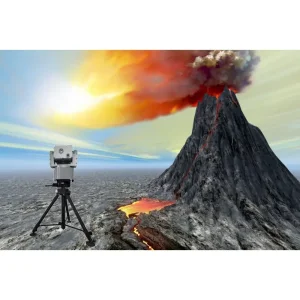
Volcanology and atmospheric research institutes utilize our specialized telemetry systems to monitor sulfur dioxide and other volcanic gases from safe distances.
As a leading manufacturer based in China, we offer a unique combination of High-End Technology & Cost Efficiency. Our factory is not merely an assembly line; it is a center of innovation where we develop our own interferometers and spectral libraries.
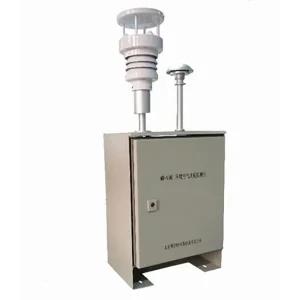
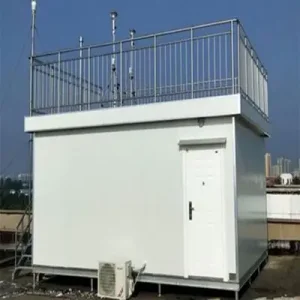
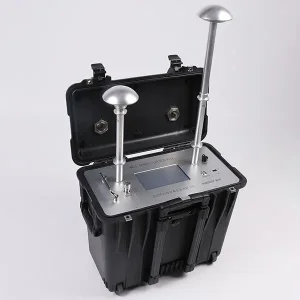
The group company was established in 2012 and is committed to the development and production of Fourier infrared gas remote sensing imaging early warning systems, ambient air quality monitors, high-precision dynamic gas distribution meters, multi-gas emergency detectors, ambient air analysis, detection and other related instruments and OEM /ODM various gas detectors; the company has a number of intellectual property rights.
Product quality strictly follows ISO9001 QUALITY MANAGEMENT SYSTEM CERTIFICATE, ISO14001 CERTIFICATE OF ENVIRONMENT MANAGEMENT SYSTEM CERTIFICATION, ISO45001 CERTIFICATE OF OCCUPATIONAL HEALTH AND SAFETY MANAGEMENT SYSTEM CERTIFICATION. Comply with product certifications from relevant national departments, such as CPA, CCEP, CNAS/CMA test reports, etc.
 Airppb