Innovative instrumentation optimized for hazard early warning, ambient monitoring, and chemical intelligence in advanced processing environments.
Establishing advanced empirical parameters for volatile characterization and catalytic dynamics in upstream, midstream, and downstream petrochemical facilities.
Modern petroleum refineries operate under strict thermodynamic boundaries. Implementing rigorous thermal analysis techniques such as Differential Scanning Calorimetry (DSC), Thermogravimetric Analysis (TGA), and Dynamic Mechanical Analysis (DMA) is critical to understanding the crystallization of waxes in crudes, thermal degradation of catalyst substrates, and the volatility curves of refined fractions. These analytical protocols characterize sample reactions as a function of temperature, providing quantitative metrics on enthalpy changes, mass loss transitions, and structural deviations.
By coupling thermal decomposition data with infrared emission profiles, plant operators gain real-time visibility into the carbonization kinetic pathway. This structural understanding optimizes catalytic cracking efficiencies, prevents premature carbon buildup in heat exchangers, and significantly reduces downtime during conversion processes.
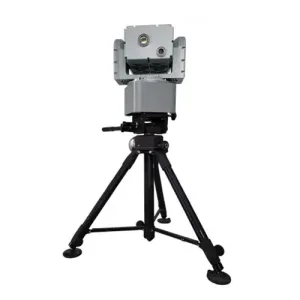
Within petrochemical complexes, volatile emissions, chemical outgassing, and safety boundary violations are major concerns. Precision instruments like the Fourier Transform Infrared (FTIR) Telemeter provide long-path, multi-component optical spectroscopy monitoring capable of detecting hydrocarbon plumes at kilometer distances. When combined with handheld Ion Mobility Spectrometry (IMS) instruments, on-site personnel can identify low ppb-level chemical hazards and toxic gases within seconds. This holistic integration of thermal properties and continuous gas profiling represents the next generation of safety design.
Enhancing critical operations through specialized gas distribution, remote sensing, and localized environmental telemetry.
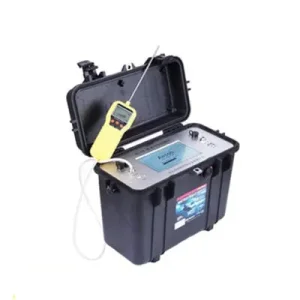
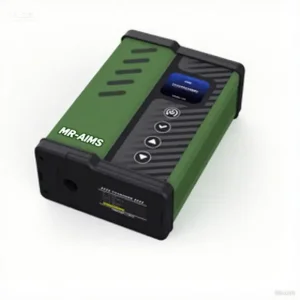
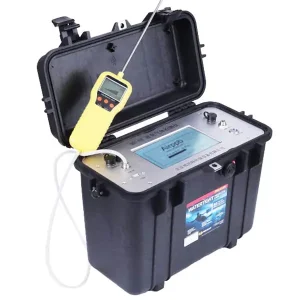
Utilizing high-speed Ion Mobility Spectrometry for ultra-low trace detection of toxic organosulfur components, hydrogen sulfide, and VOCs, enabling swift ambient air safety responses.
Continuous spatial scanning for distant fugitive emissions. Employs thermal radiation profiles of organic gases to perform non-contact qualitative and quantitative gas mapping.
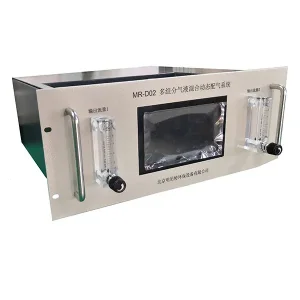
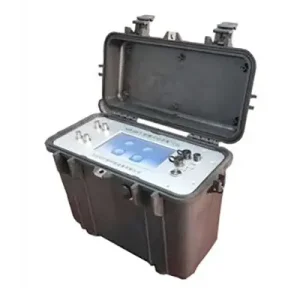
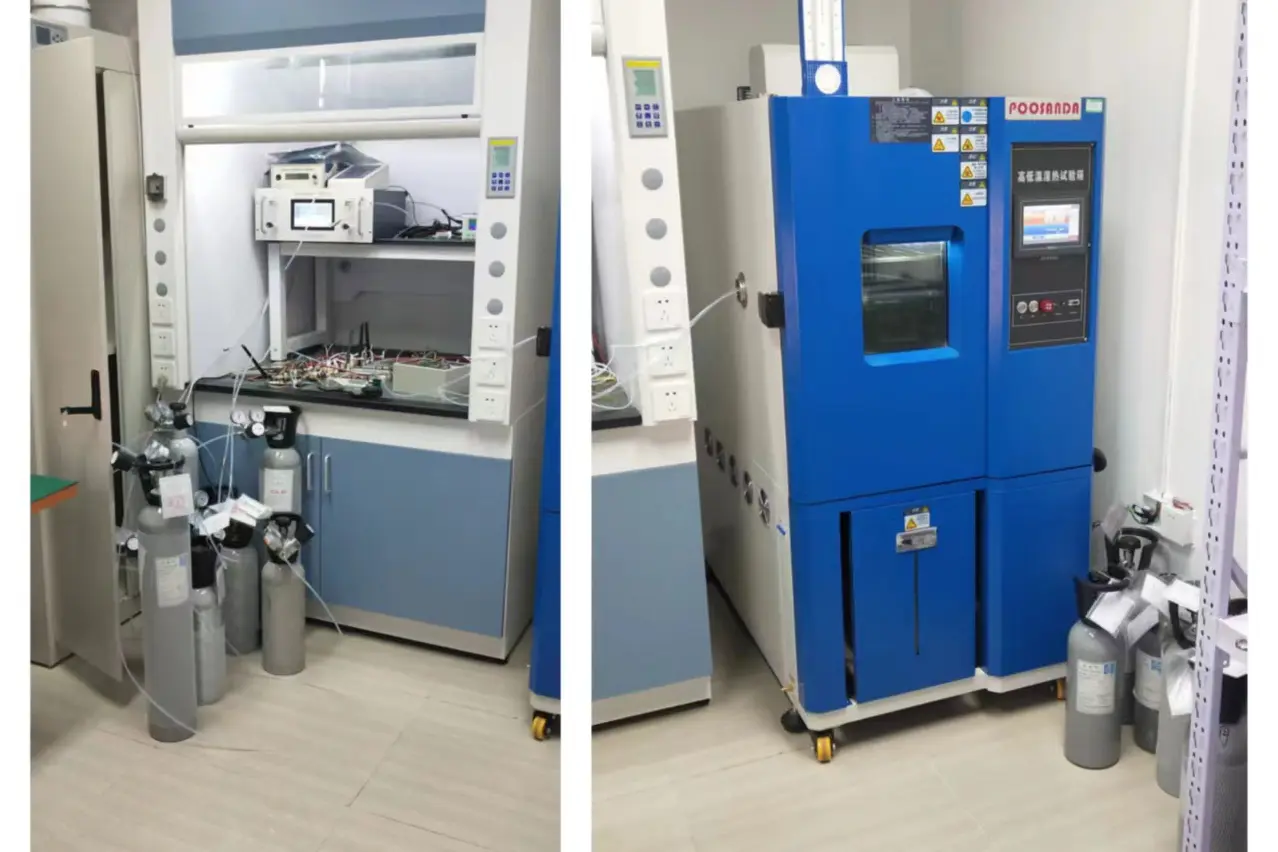
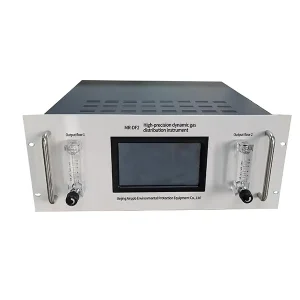
Ensuring instrument calibration accuracy with multi-component, high-precision dynamic gas mixers. Creates highly precise calibration standards under severe humidity and temperature parameters.
How specialized instrumentation addresses environmental extremes and complex hazard profiles across global territories.
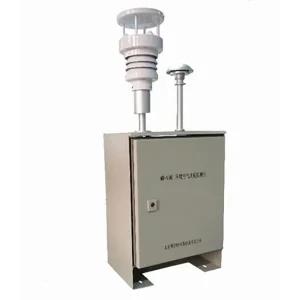
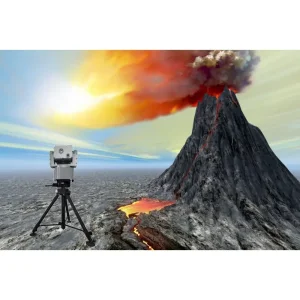
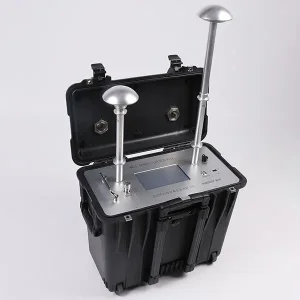
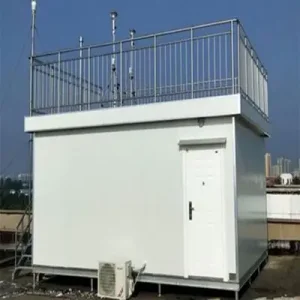
Petrochemical plants in the Middle East operate under high ambient temperatures (often exceeding 50°C), intense solar radiation, and fine airborne dust particles. Deploying the Middle East MR-A(M) Ambient Air Quality Monitor (Micro Air Station) and the MR-ACT Remote Volcanic Gas Monitoring System provides reliable operations under these harsh conditions. Featuring thermal-stabilized optical sensors, dual-stage filtration systems, and active climate-controlled enclosures, these instruments prevent drift caused by ambient shifts. This ensures accurate monitoring of SOx, NOx, CO2, and volatile hydrocarbons around processing terminals.
Cold-climate environments require rugged gas-liquid mixing and dynamic gas distribution instruments to maintain sensor accuracy. The Russia MR-DO2 Gas-Liquid Mixing Instrument features integrated thermal jacket heaters and trace-heated paths. This prevents gas condensation and freezing anomalies, ensuring precise calibration gas delivery to fixed chromatographs and mass spectrometers. It maintains operational reliability even during extreme seasonal temperature drops.
Industrial accidents and defense monitoring demand rapid gas identification. The Military MR-AX Odor Gas Detector is engineered to identify multi-component odor fingerprints in complex scenarios. By using advanced electrochemical and PID arrays alongside adaptive pattern recognition software, this instrument identifies the precise composition of chemical vapors, ensuring rapid alerts and protection for emergency response teams.
Years of ODM/OEM Experience
R&D Personnel Ratio
Countries Exported Globally
ISO Certified Quality Control
Charting the technological progress of industrial gas safety and thermal analysis instrumentation.
The convergence of analytical chemistry, thermal modeling, and cloud artificial intelligence is transforming modern petrochemical safety frameworks. Our development roadmap focus highlights three main areas:
By investing in these foundational technologies, global energy providers can ensure longer uptime, maintain regulatory compliance, and guarantee safer working environments for their workforce.
How Beijing Airpbb optimizes production capacity and maintains quality control in global scientific instrument manufacturing.
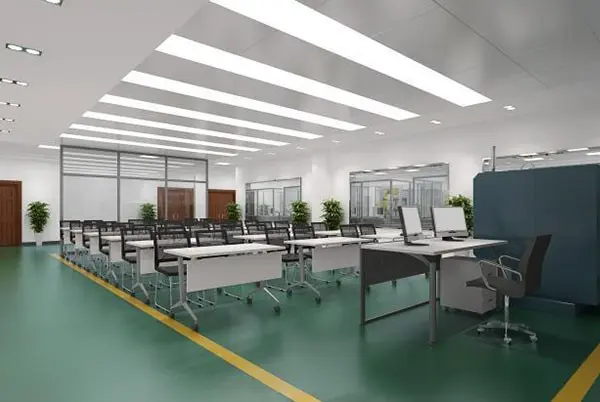
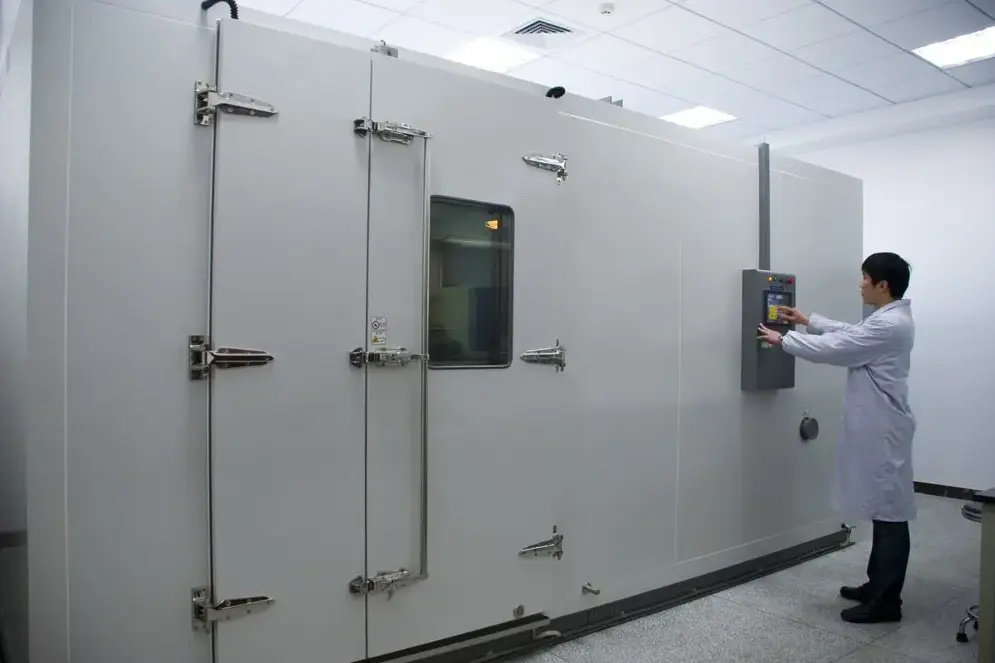
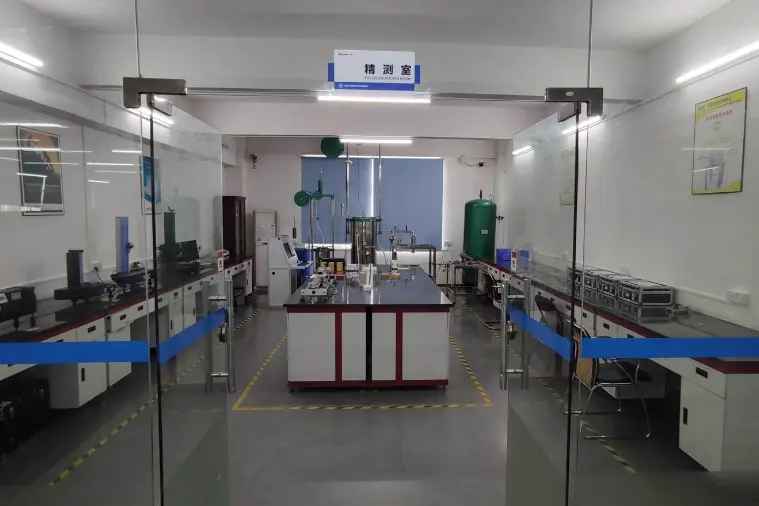
Located in China's advanced manufacturing ecosystem, our production facilities benefit from direct access to premium electronic, optical, and mechanical components. This integration ensures robust material availability, minimizing bottlenecks that affect other global supply chains. With localized raw material sourcing, automated surface-mount assembly lines, and rigorous environmental stress testing chambers, we consistently deliver high-performance instrumentation on schedule.
This supply chain efficiency translates into competitive lead times and deep customizable capabilities. Whether designing specific OEM sensor brackets or developing tailored firmware modifications for custom protocols, our integrated manufacturing lines rapidly adapt. We support our customers through every step—from initial concept prototyping to full ISO-compliant mass production.
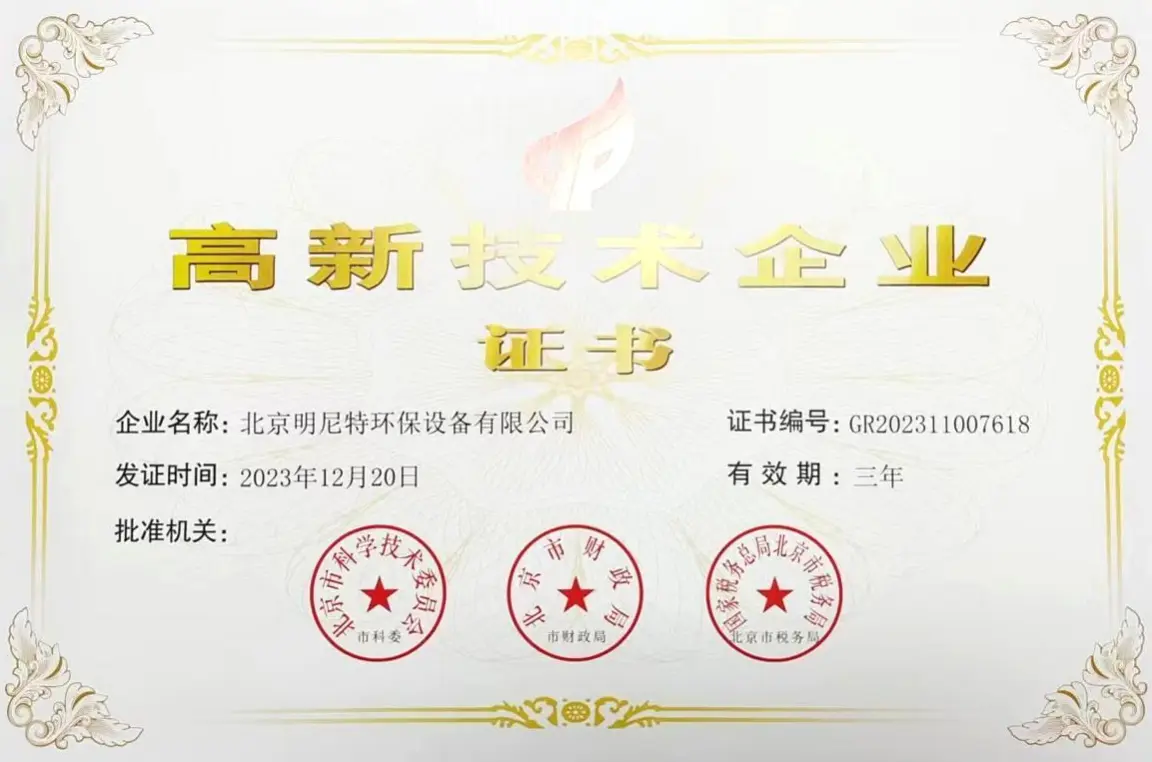
Minnit(Airppb) is a national high-tech enterprise focusing on the research and development and industrialized innovative application of precision gas detection instruments. The company uses technological innovation to realize on-site, automated and intelligent analysis, detection and monitoring, and is committed to becoming the world's leading manufacturer of scientific instruments.
We have mastered relatively complete gas analysis and detection technologies such as electrochemistry, PID, and spectroscopy, and developed laboratory analysis, on-site analysis (portable, online, mobile), automated analysis and a series of technologically leading product portfolios to provide global users with comprehensive and professional solutions.

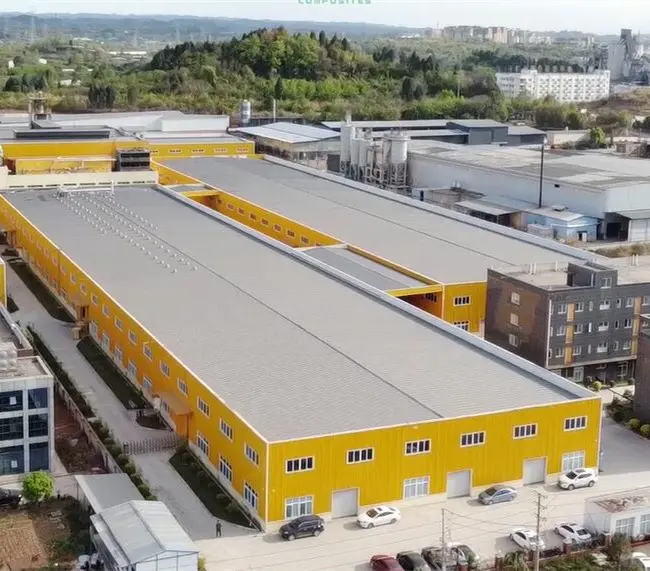
Established in 2012, our group company is committed to the development and production of Fourier infrared gas remote sensing imaging early warning systems, ambient air quality monitors, high-precision dynamic gas distribution meters, multi-gas emergency detectors, ambient air analysis, detection and other related instruments and OEM/ODM various gas detectors.
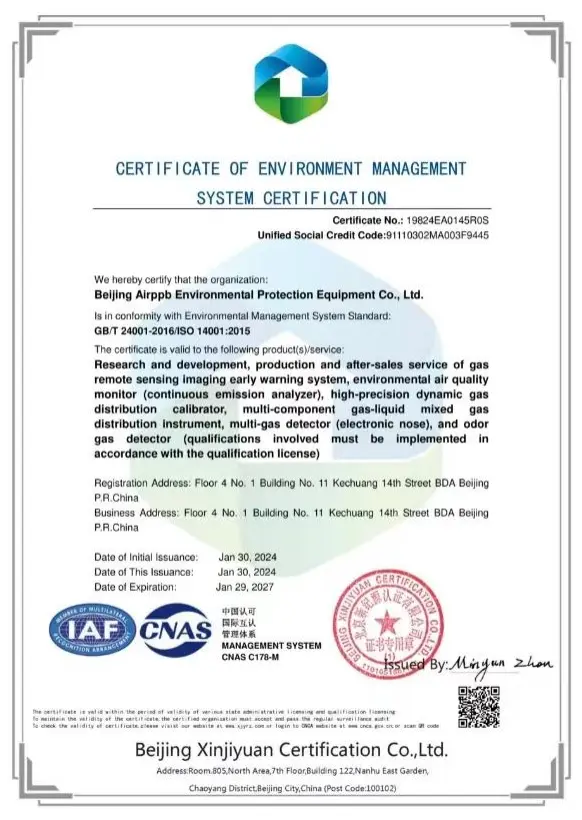
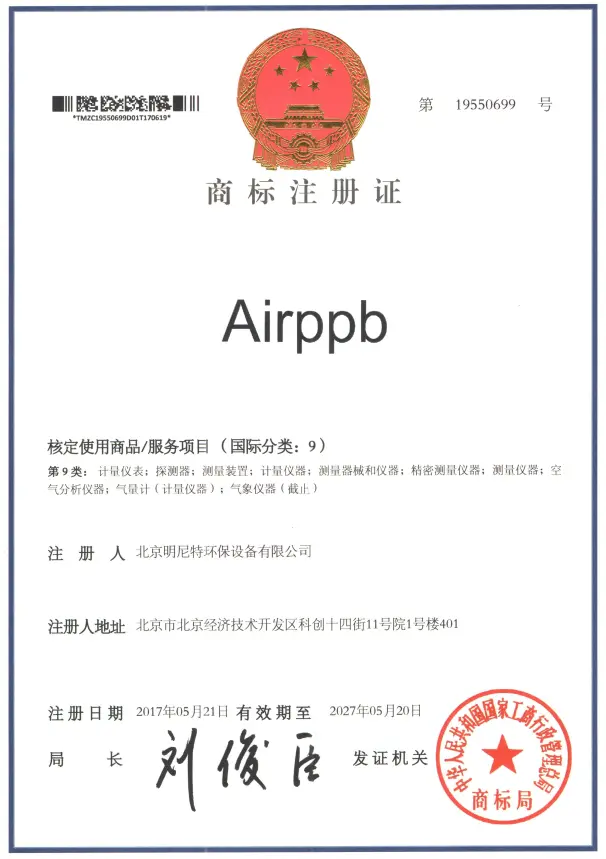
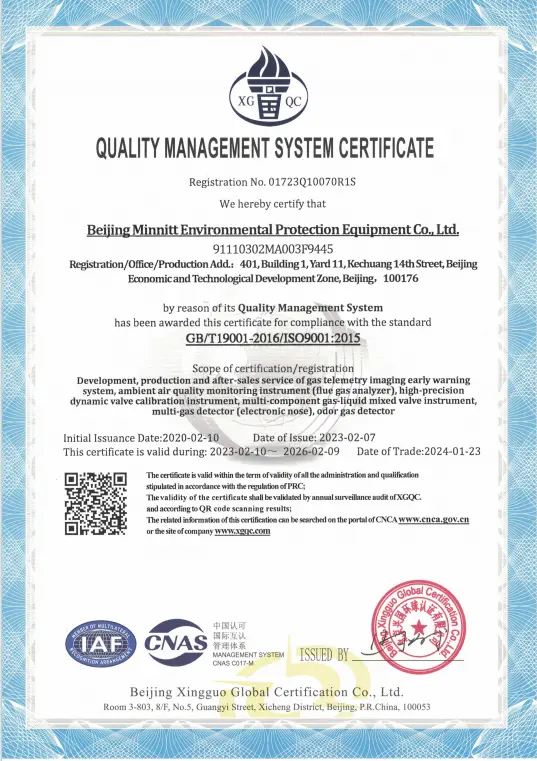
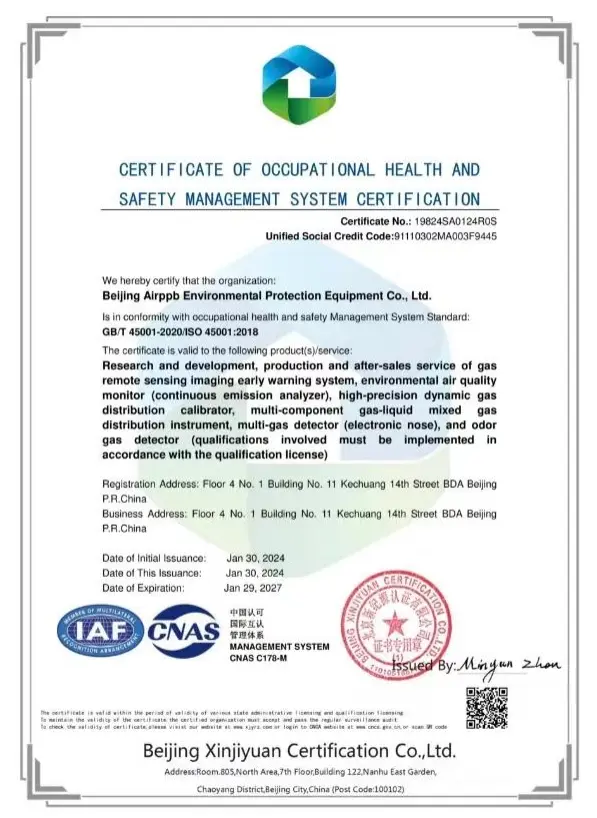
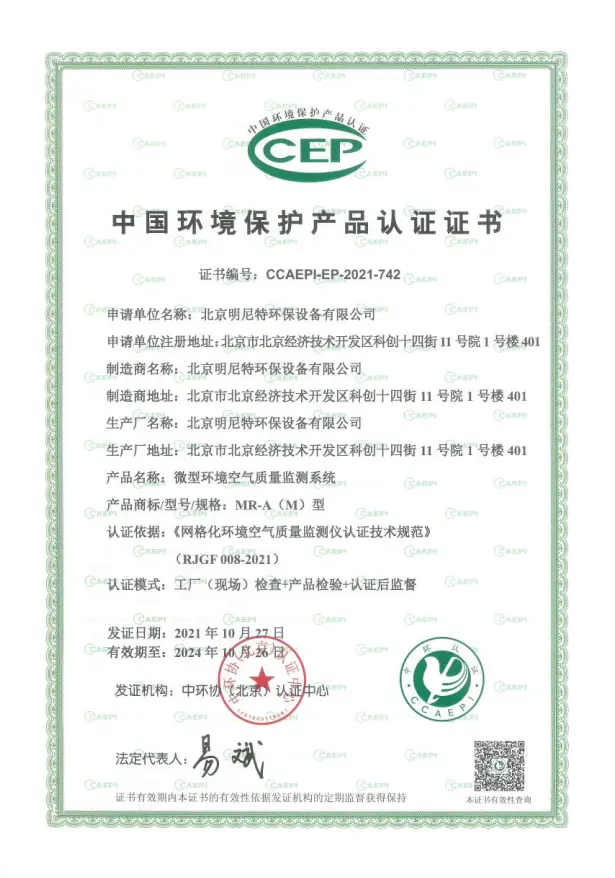
The company has a number of intellectual property rights. Product quality strictly follows ISO9001 Quality Management System Certification, ISO14001 Environment Management System Certification, and ISO45001 Occupational Health and Safety Management System Certification. Our systems comply with product certifications from relevant national departments, including CPA, CCEP, and CNAS/CMA testing reports.
Combining R&D expertise, quality assurance, and professional support to deliver reliable gas monitoring solutions.
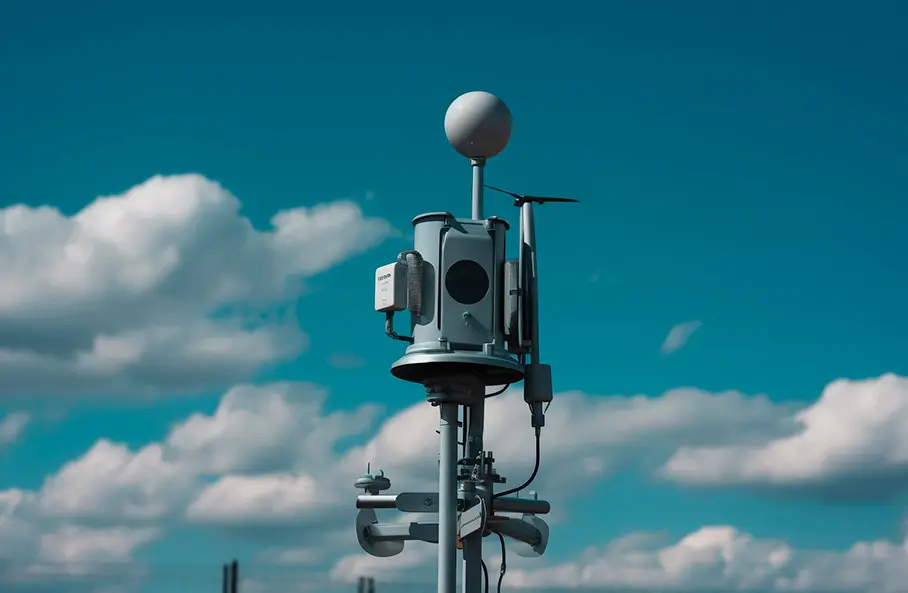
We provide comprehensive OEM and ODM solutions to help global distributors build their own brands. By collaborating closely with our design team, we custom-engineer hardware layouts, design product housings, and write tailored software integrations that fit specific regional regulations and industrial parameters.
Our R&D team accounts for 60% of the entire company, ensuring fast design cycles and rigorous testing for every project.
Our instruments are tested and certified to meet international industrial standards.
Presenting our latest technologies, connecting with experts, and exploring international markets.
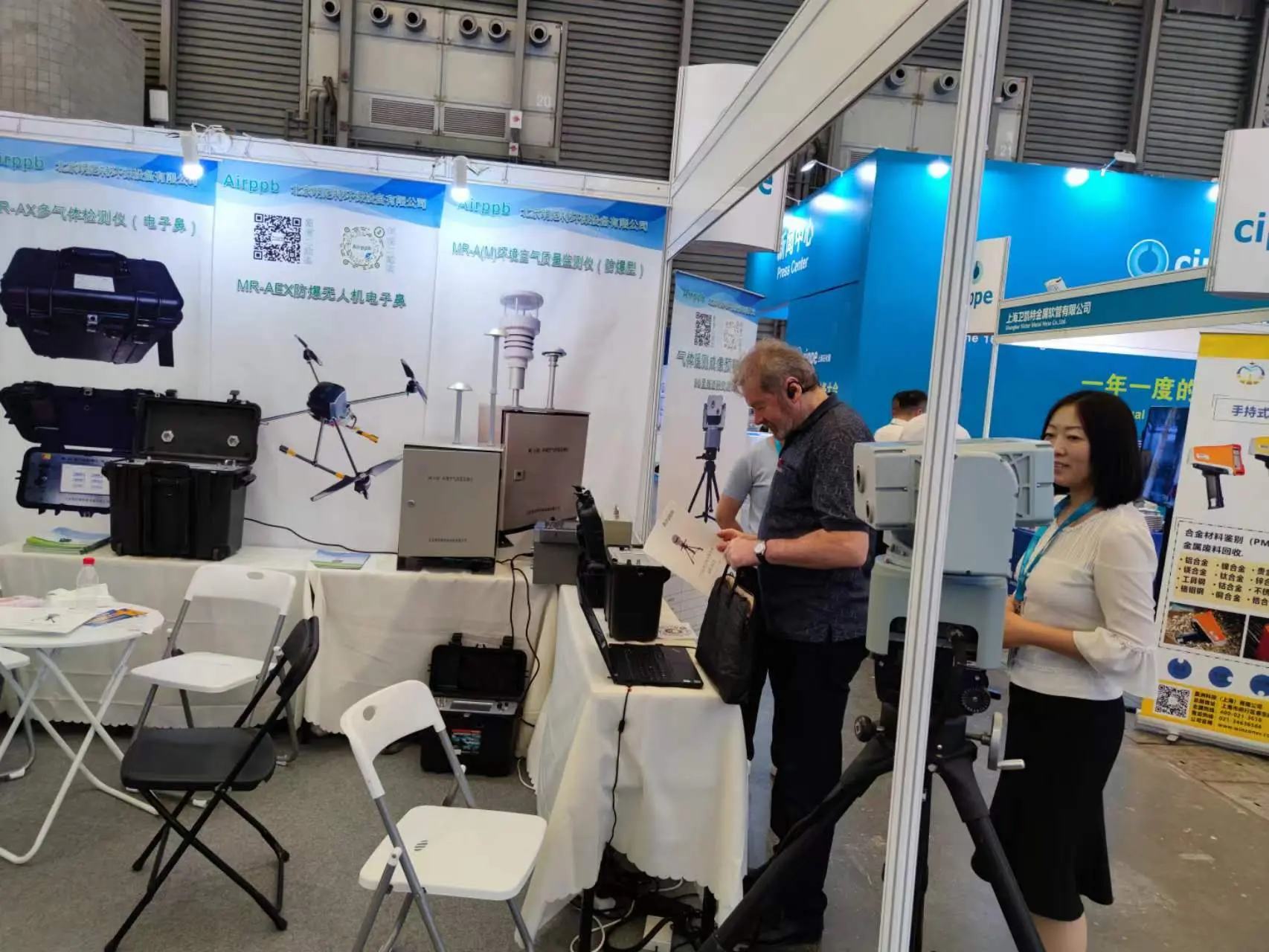
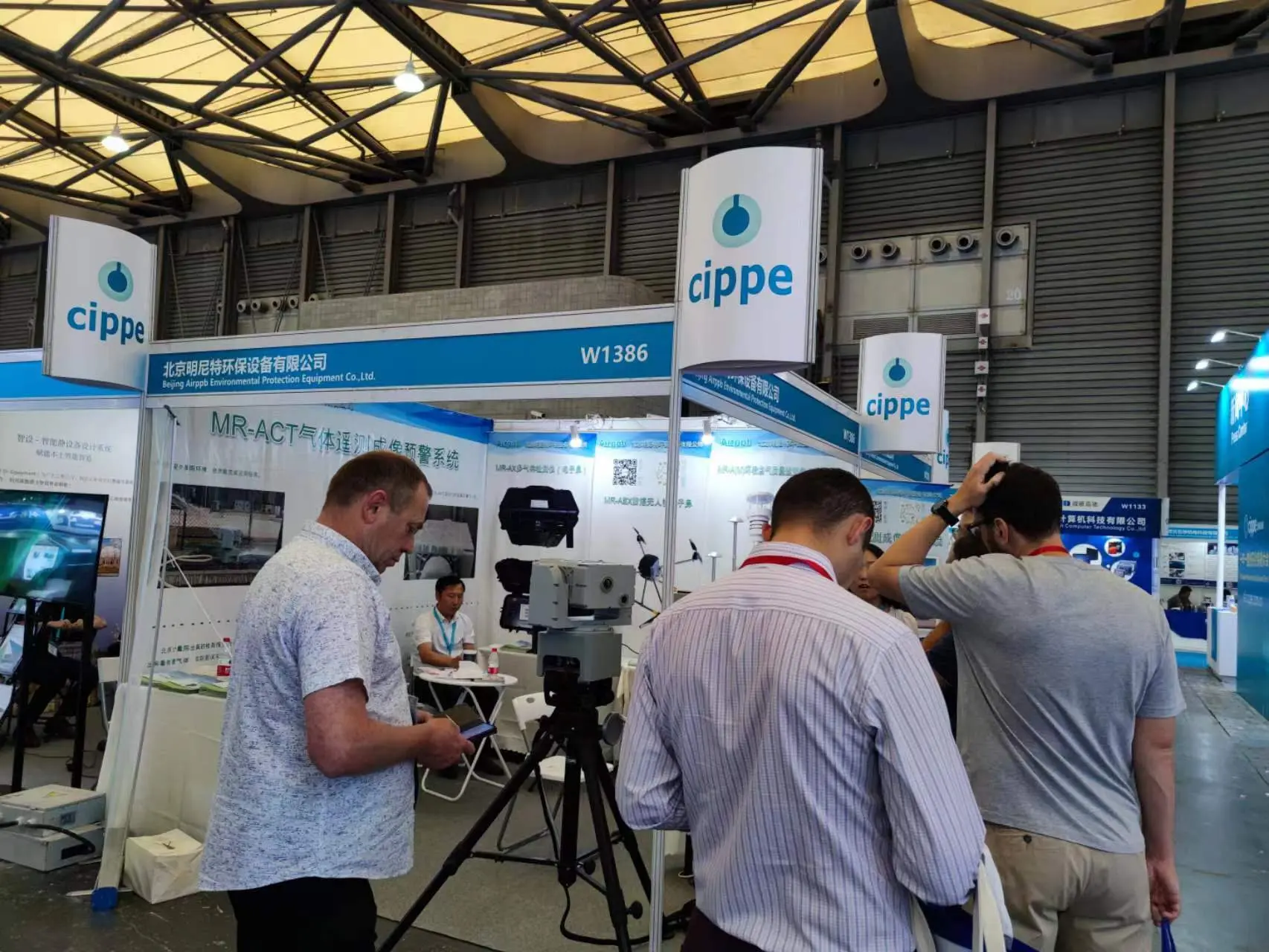
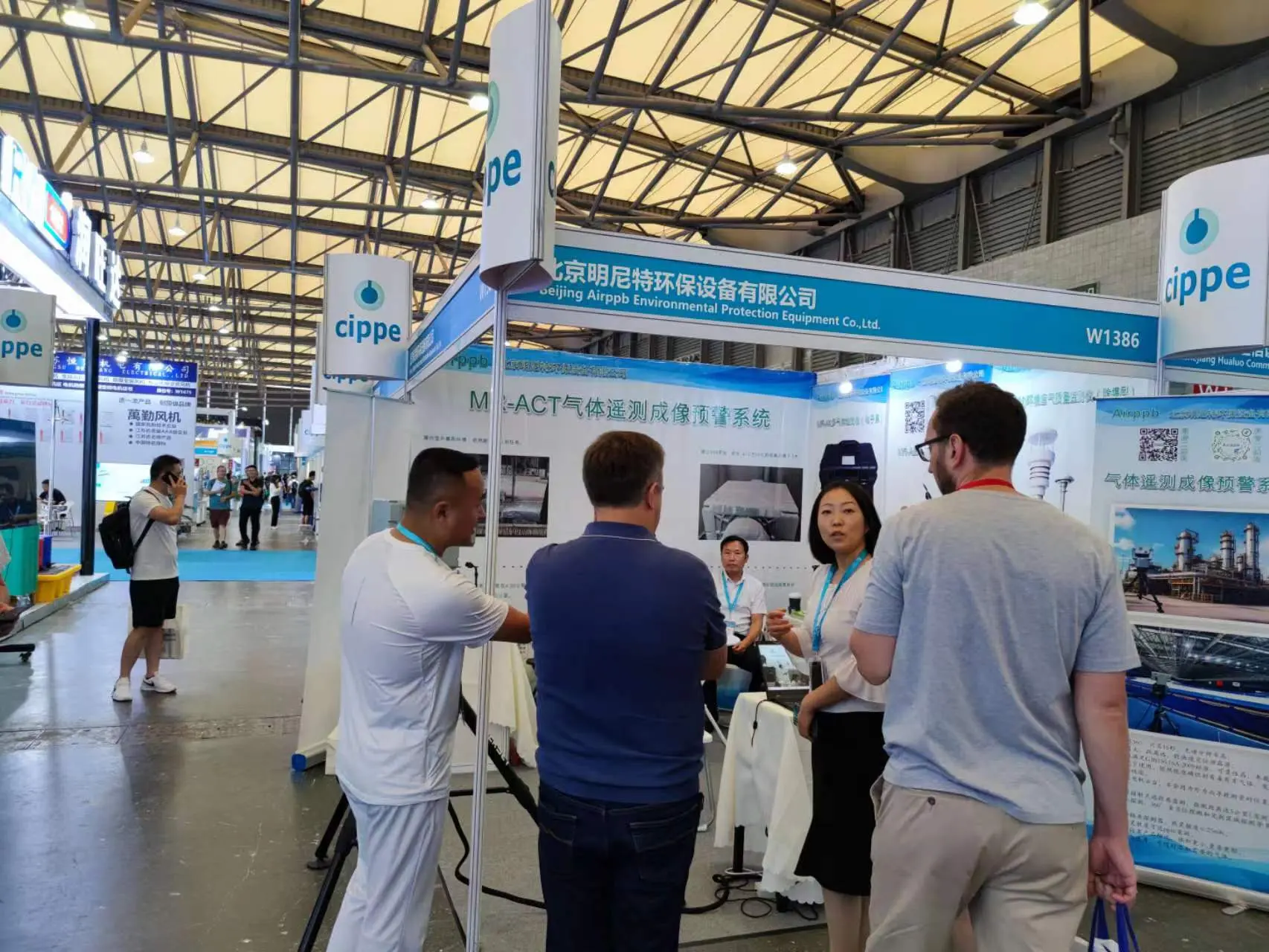
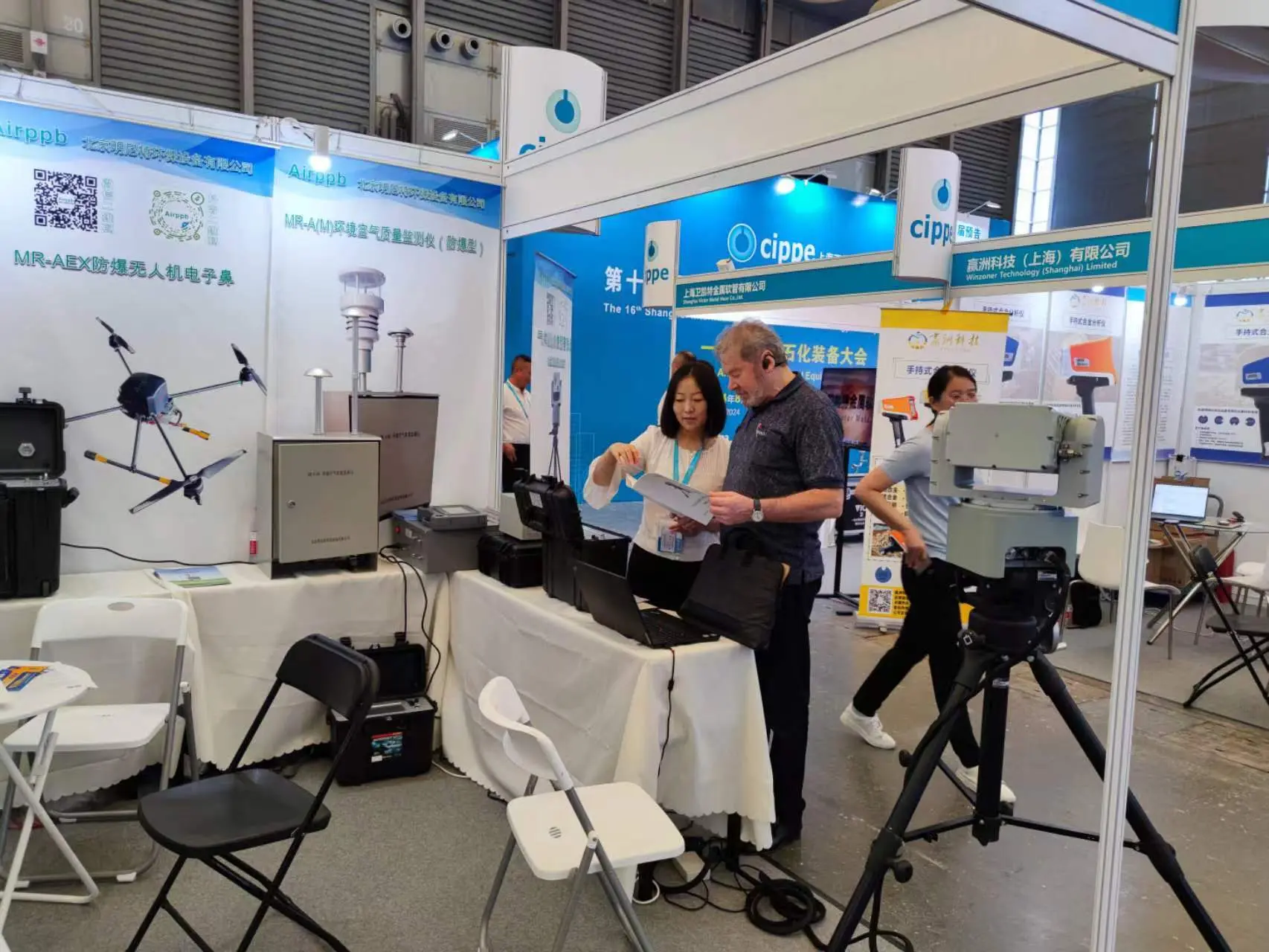
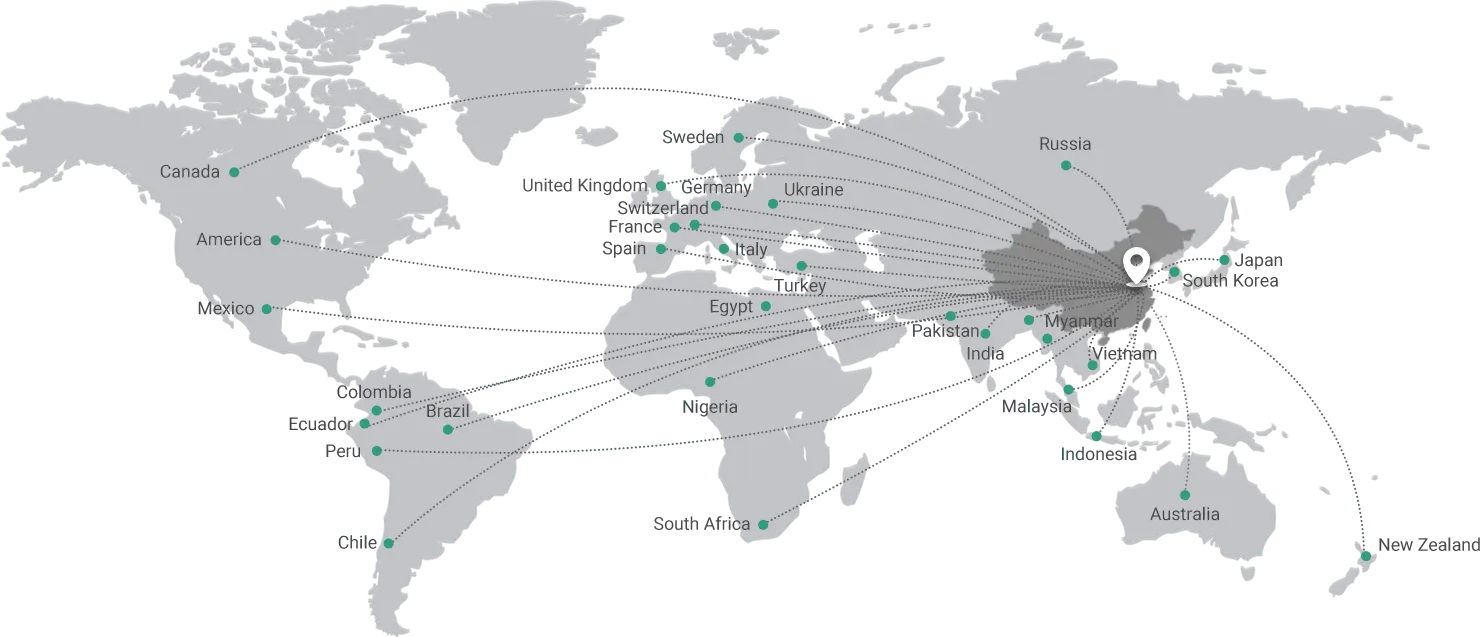
Exporting to over 40 countries and regions worldwide, providing localized sales and technical support.
Expert answers to common engineering questions on petrochemical emissions monitoring and safety systems.
Industrial-grade gas distribution equipment, portable analyzers, and environmental stations built for high-performance petrochemical applications.
 Airppb